The 400,000-Year-Old Time Capsule Nobody Saw Coming
The Construction Project That Almost Erased 400,000 Years of History
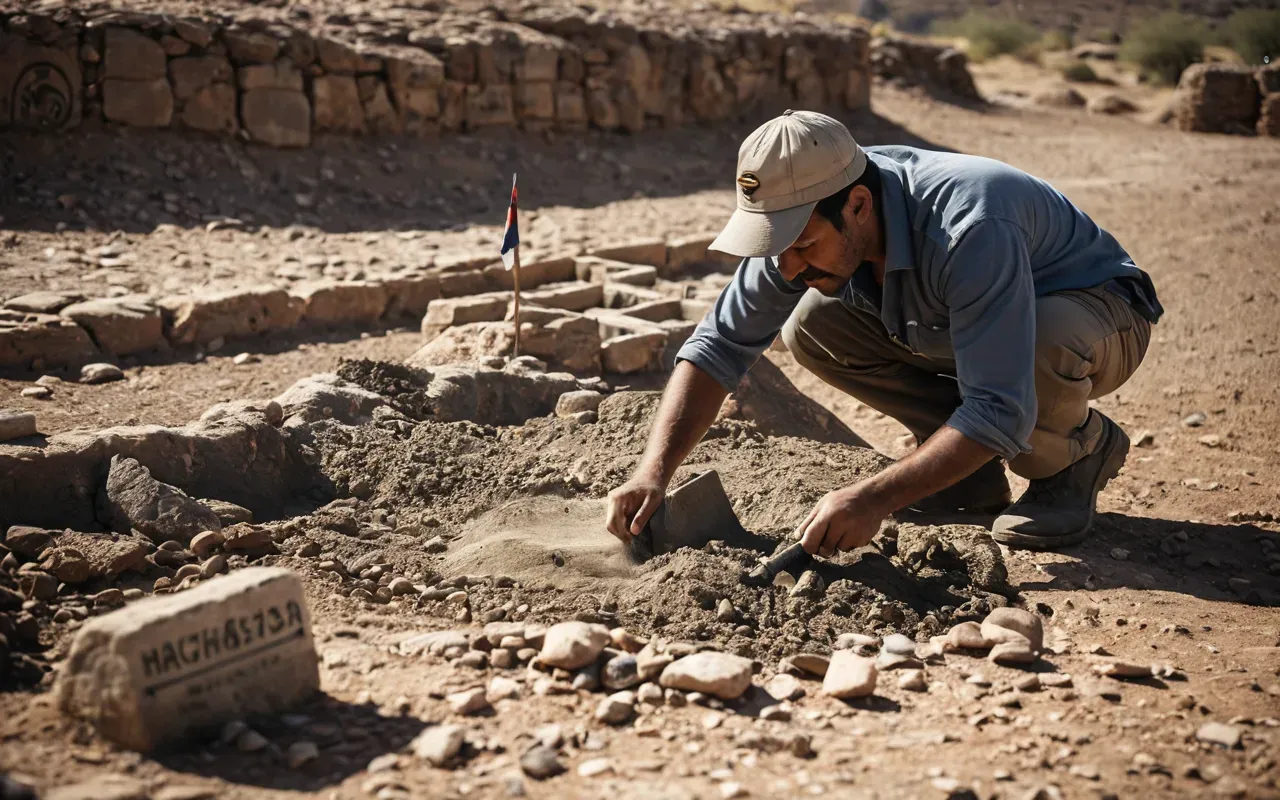
Imagine driving through the outskirts of Fureidis in northern Israel. You see bulldozers, dirt, and the usual chaos of a construction site. It looks like progress. But just beneath that topsoil, a sealed cave had been waiting in the dark for 400,000 years. No sunlight. No air. No disturbance. Just a perfect snapshot of a world that vanished long before written history.
What happened next is the kind of story that makes archaeologists sweat. The construction team was about to pave right over a site that could rewrite human prehistory. Routine surveys flagged something unusual. Researchers from the Israel Antiquities Authority rushed in. And they found a time capsule that had been forgotten by everyone except the earth itself.
Kobi Vardi and Ron Shimelmitz led the charge. They knew earlier studies in the 1970s suggested the cave was around 200,000 years old. But new analysis told a completely different story. The tools inside dated back to roughly 400,000 years ago. That is a massive jump. It pushes the timeline back by two full hundred millennia.
The Tools That Changed the Timeline
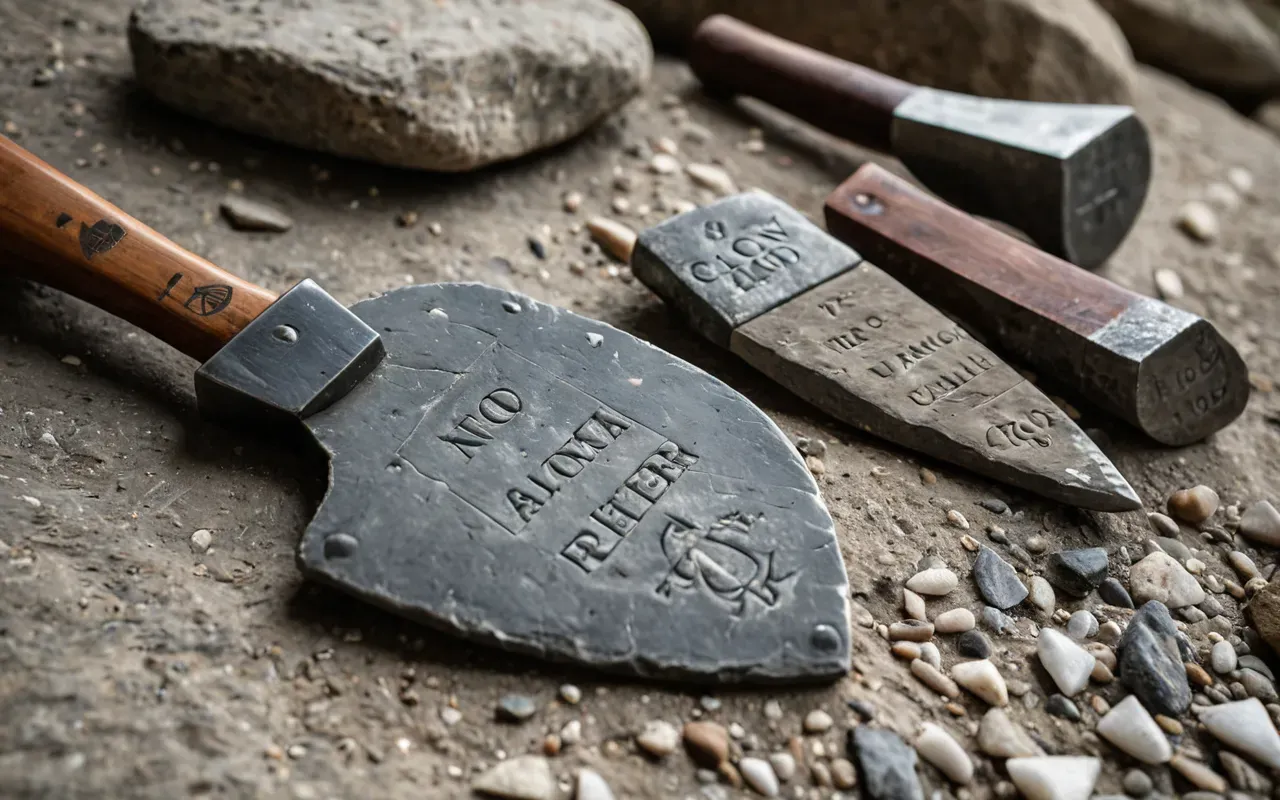
You cannot just guess the age of a cave. You need proof. And the proof here is in the flint. The team uncovered hand axes, scrapers, and blades. These are not random shards. They are carefully shaped implements. They belong to the Acheulo-Yabrudian culture. That is a group of pre-Neanderthal hominins who roamed the Levant between 400,000 and 250,000 years ago.
Vardi called the updated dating a big surprise. And honestly, it is. Most people think of Neanderthals as the big stars of this era. But these people? They are earlier. They are different. And they were here, using fire, hunting deer and gazelle, and living in caves long before the Neanderthals showed up. It forces us to rethink who was really in charge of the landscape.
Why the Fire Matters More Than the Bones
Here is the thing that really stands out to me. No human remains have been found yet. No skulls. No skeletons. Just tools and animal bones. But that absence is not a failure. It is a reminder. We keep expecting fossils to tell the whole story. But sometimes the story is in the ash. The evidence of controlled fire is huge. It shows complex camp life. It shows social organization.
Armando Falcucci from the University of Southampton said it best. He noted that cave deposits from this era are extremely rare in the region. The shift toward intensive, repeated use of caves is a major behavioral change. It marks a pivotal window of human development. And this cave is one of the very few places we can actually see it happen.
The Big Question Nobody Is Asking About Early Human Survival
Most news stories about archaeology focus on what was found. But I want to talk about what was almost lost. The construction company had to change its plans. A road bridge was built to protect the site. That is rare. Usually, development wins. Here, science won. And that is a detail we should not gloss over. It shows that preservation is still possible, even in the face of modern infrastructure.
Think about the implications. If we had not stopped that bulldozer, we would have paved over a unique window into the Lower Paleolithic. The site is now protected. Excavations will continue for years. Researchers hope to find hominin remains. Vardi admitted they are anxious to meet them. But even without bones, the tools speak volumes.
This discovery does not just add a dot to a timeline. It shifts the whole map. The Levant was a crossroads. Hominins moved through it. They adapted. They used fire. They hunted in groups. And they left behind a record that survived 400,000 years of silence. That is resilience. That is history waiting to be read.
What This Means for Our Understanding of Early Society
Professor Catriona Pickard from the University of Edinburgh called the findings rare insights into material culture. She said the site could transform our understanding of the Lower Paleolithic in the Levant. That is a big claim. But it is not hyperbole. Sites from this transitional phase are scarce. Most are inaccessible. This one is open. And it is intact.
We tend to think of early humans as scattered. Nomadic. Unorganized. But the evidence here suggests otherwise. Repeated occupation of the cave points to social units. Hunting wild animals like fallow deer and gazelle requires coordination. Using fire requires knowledge. This is not chaos. This is a structured way of life that we are only beginning to grasp.
And let us be clear. This is not about proving that humans are old. We knew that. This is about proving that complex behavior emerged much earlier than we thought. The tools are not primitive. They are specialized. The camp life is not random. It is rich. And the timeline is not flexible. It is solid. This cave changes the game.
The Next Chapter in the Search for Our Ancestors
Excavations are just beginning. The cave is sealed. The layers are undisturbed. That is a luxury in archaeology. Most sites are degraded. This one is pristine. Researchers have years of work ahead of them. They hope to uncover direct evidence of the people who lived there. Bones. Teeth. Anything that can put a face to the tools.
But even if no remains are found, the site will still matter. It fills a critical gap. It highlights a period of profound change. It shows how early hominins adapted to their environment. And it reminds us that history is not just about the present. It is about the deep past. The silent past. The past that waits in the dark.
I keep thinking about the bridge. It was built to protect the cave. That is a small victory. But it is a real one. It shows that we can still care about our origins. That we can still pause before paving over the unknown. And that sometimes, the most important discoveries are the ones we almost miss.
If you are fascinated by how ancient sites like this reshape our view of history, you might also want to look into
The parallels are striking. Göbeklitepe also challenged the idea that farming came first. It showed that monumental architecture could exist without cities. This cave shows that complex behavior could exist without fossil records. Both sites force us to rewrite the script. Both sites remind us that the past is always deeper than we think.
So what happens next? The excavations will continue. The tools will be studied. The fire pits will be analyzed. And the story will unfold. Layer by layer. Stone by stone. It is a slow process. But it is a necessary one. Because every artifact we uncover is a word in a sentence we have only just begun to read.
The cave is sealed. But the knowledge it holds is open. And that is a gift. Not just to scientists. But to everyone who wonders where we came from. Who we were. And how we learned to live together in the dark.