The hunter-gatherers at Göbeklitepe built temples before they invented farming
The Timeline We Were Taught Is Backwards
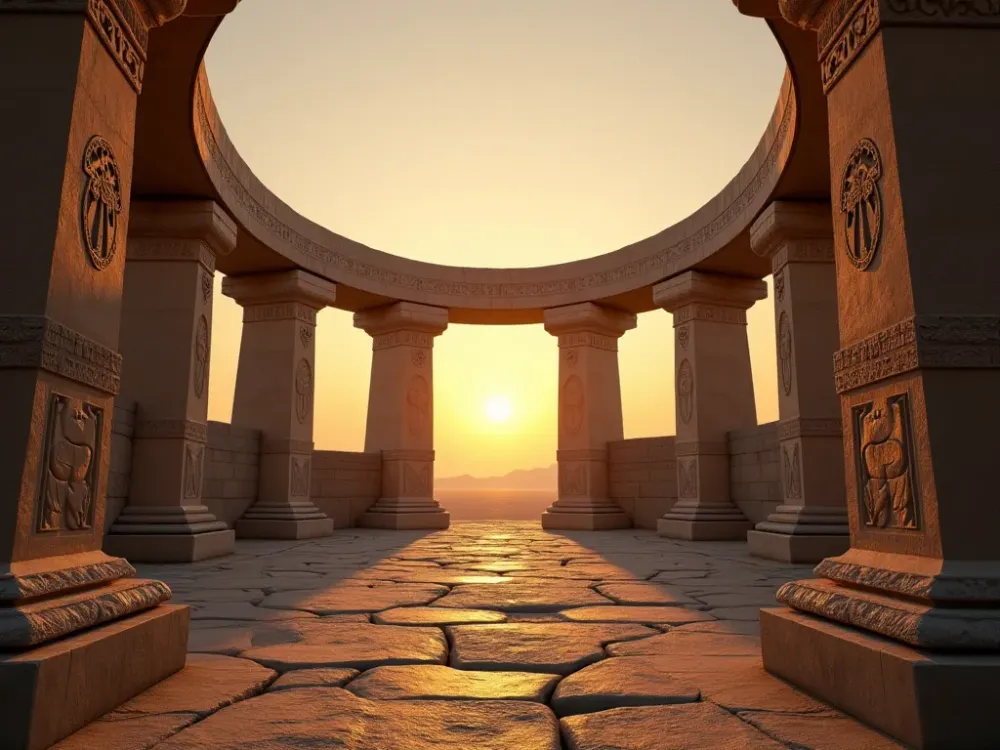
We were taught that civilization started with the plow. Solid logic — until you look at Göbekli Tepe. Here, stone circles predate any evidence of farming.
The UNESCO World Heritage listing confirms what archaeologists have whispered about for decades. The builders were nomads. No permanent homes.
Why the Order of Events Matters So Much
If you build a temple first, why did you need one? That question cracks the old model of human progress wide open.
We assumed farming created surplus. Surplus allowed specialization. Specialization led to grand architecture.
At Göbekli Tepe, the sequence runs backwards. The grand architecture exists in a vacuum.
The T-Shaped Pillars That Defy Common Sense
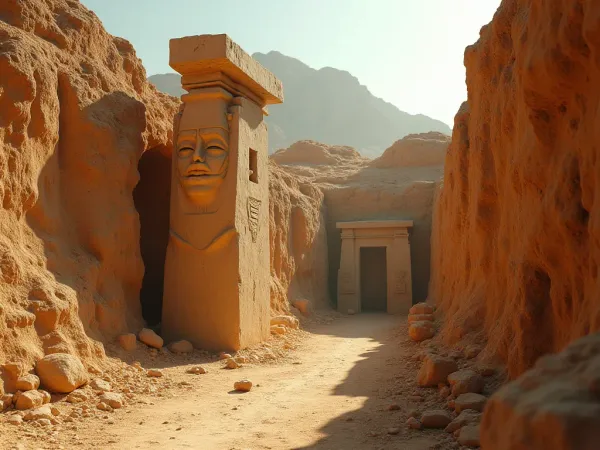
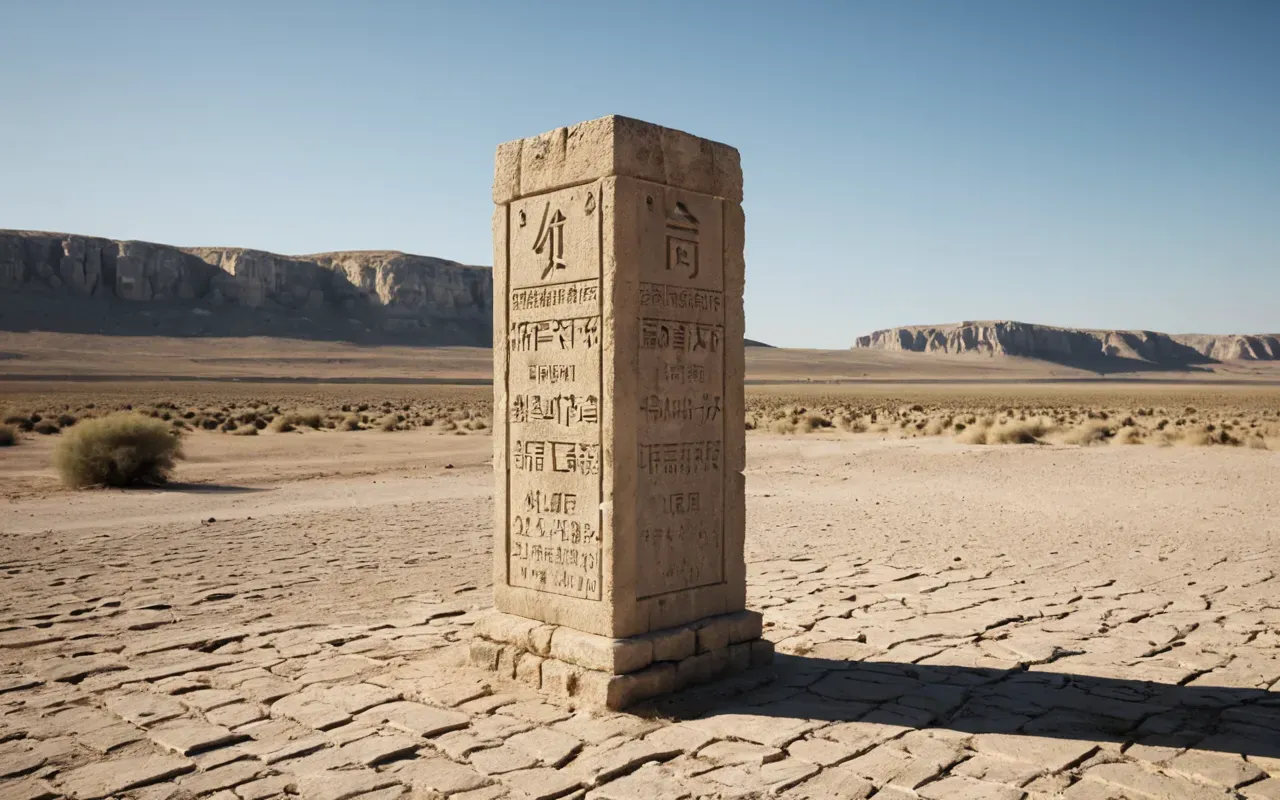
These are not random rocks. They are carved with precision. Some weigh up to ten tons.
The carvings show foxes, cranes, and scorpions. Wild animals — not domesticated pets.
You need a workforce to move ten tons of stone. And nomadic groups are small and scattered.
How Did They Organize Without Writing?
There is no evidence of a king or a priest class at this site. So who gave the orders?
I suspect a shared ritual belief pulled thousands together. The site acted as a magnet.
The Buried Truth Beneath the Surface
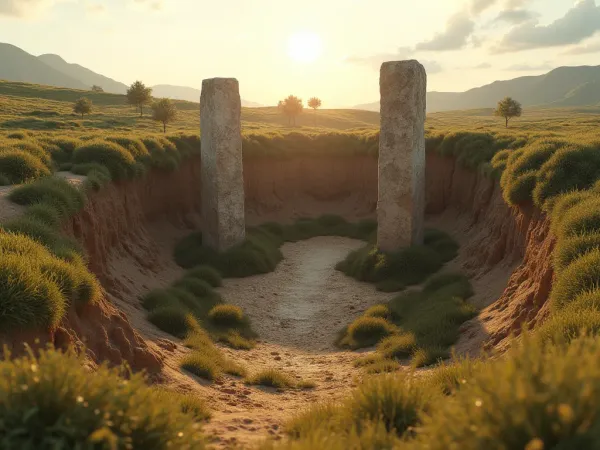
Here is the part that keeps me up at night. They filled these temples with dirt.
They didn't let nature ruin the site. They engineered its own grave.
A Deliberate Act of Forgetting
Why destroy what you built with such effort? It suggests a shift in belief.
Maybe the old gods were no longer needed. Maybe the community moved on to a new way of life.
That act preserves the site for us. It is a time capsule sealed by hand.
What This Means for Human Ambition
We tend to think of early humans as survivors. Just keeping alive.
Göbekli Tepe says they were artists and engineers. They built for meaning, not just food.
The Spark That Changed Everything
Perhaps the gathering at the temple led to trade. Trade required storage.
Storage led to settlement. Settlement made farming practical. The temple may have caused the farm.
The Modern Lens on Ancient Questions
We look at the UNESCO listing and see a victory. But it is also a warning.
Infrastructure projects threaten the buffer zone. More visitors are coming to see this place.
Protecting a Place That Predates Cities
It is harder to protect something that has no walls. The site is open and vulnerable.
The management plan from tries to balance access with conservation. It is a tightrope walk.
I believe we are only beginning to understand what this site tells us. The real story is still underground.
Why You Should Care About This Stone Hill
This is not just a pile of rocks. It is the foundation of our concept of society.
If hunter-gatherers could build this, what else did they do? What have we missed?
The answer might change how we see ourselves. We are more complex than our textbooks claim.