A million people just vanished from our history books and nobody noticed
The jungle was never empty and the data finally proves it
We were taught that complex societies require agriculture. But a new study just shattered that rule with evidence from the southwestern Amazon.
Researchers found over four hundred new earthworks in a region we thought was sparsely populated. This is not just a small find.
The implications are staggering. We might have missed an entire era of human innovation right in front of us.

Why this changes more than people think
For decades the dominant narrative was simple. People moved from hunting and gathering to farming before they could build cities.
But the Aquiry civilization built massive geometric structures long before that shift. They organized labor and space without a farm-based economy.
This suggests that social complexity can arise from other drivers. Maybe it was ritual or trade rather than just food storage.
If you have read about the stone circle that proves we got human origins completely wrong then this feels like a familiar pattern.
The technology that peeled back the green curtain
Standard aerial photography fails in dense forests. The canopy hides everything below except for the very largest structures.
LiDAR solves this. It shoots laser pulses through the leaves to map the ground surface with incredible precision.
The team surveyed nearly four thousand square kilometers. They found three hundred and ninety-six structures that no one had documented before.

How we know this is real and not a mistake
Skepticism is healthy in science. But this data comes from a peer-reviewed study published in Nature.
The structures are consistent. They follow geometric patterns typical of human design rather than natural erosion.
Carbon dating places their construction between two thousand five hundred years ago and the thirteenth century.
A population that rivals the ancient Maya
Previous estimates put the local population at sixty thousand. The new data suggests a number between one and three million.
That is not a small tribe. That is a society comparable to the pre-classical Maya in Central America.
Imagine millions of people coordinating labor to build earthworks. That requires leadership and shared beliefs.
It forces us to ask how they managed resources without writing or large-scale agriculture.
The structures that held them together
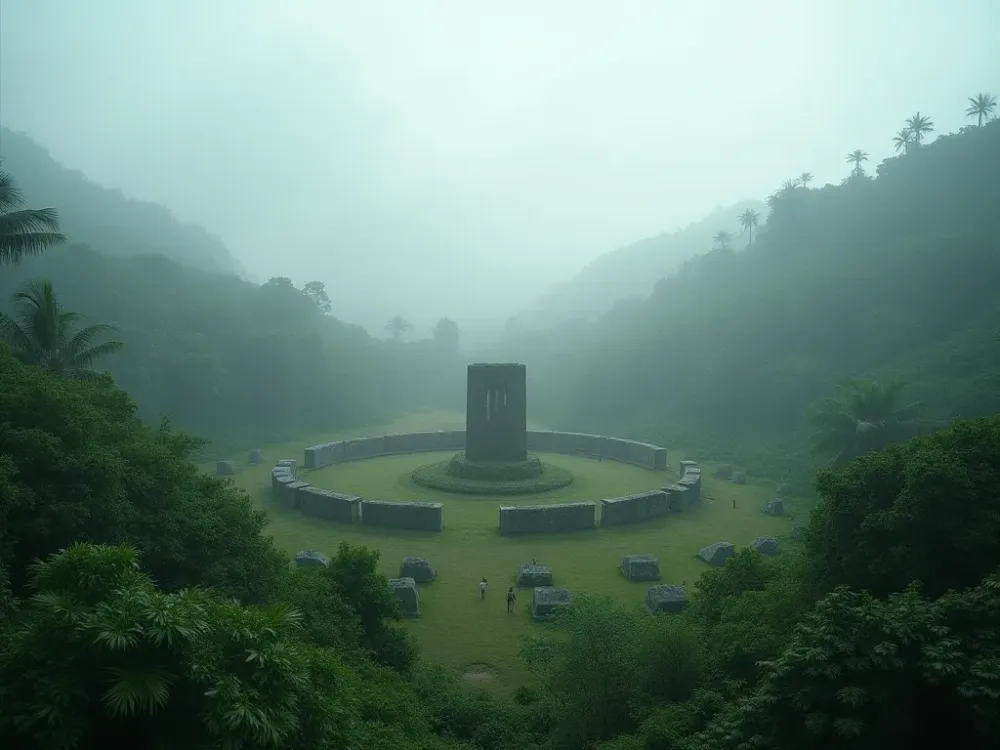
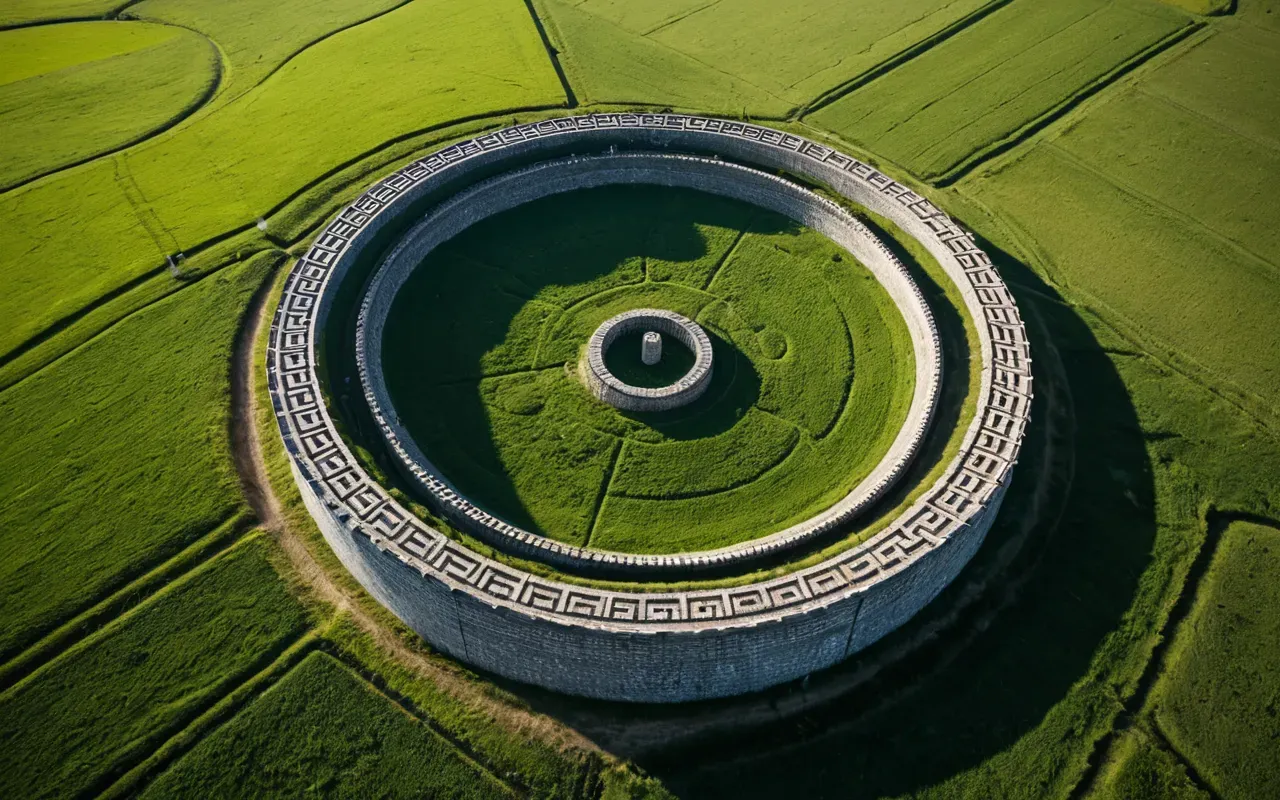
These geoglyphs were likely ceremonial centers. They served as gathering points for political and social events.
Some are tiny at zero point three five hectares. Others stretch across nearly one hundred twenty acres.
The largest known geoglyph is massive. It would take a modern city to match that scale of earth movement.
Why this matters for how we view the past
We tend to judge ancient societies by modern standards. We look for stone and metal as markers of progress.
But earth is a powerful material. It requires massive coordination and deep knowledge of the local environment.
If you are interested in how the Amazon was never wild and this new discovery proves it completely then this story is key.
It shows that human impact on the landscape can be profound even without industrial tools.
The quiet revolution in archaeological thought
This is not just about adding numbers to a database. It changes the theoretical framework we use.
It challenges the idea that agriculture is a prerequisite for social hierarchy and large-scale organization.
It suggests there are multiple paths to complexity. Our history is not a single straight line.
What we still do not know and why that is exciting
We have the map but we lack the story. We know where they built but not exactly why.
Did these sites serve as trade hubs? Were they religious centers for specific rituals?
Future excavations will need to look at organic materials that have survived in the soil.
The answer might reveal how they managed their food supply and social bonds.