A Painted Boar Just Rewrote The Rules Of Human History
The Pigment That Broke The Silence
Look closely at the red residue on the limestone. Not dirt. Paint. And that one detail upends almost everything we assumed about art twelve thousand years ago.
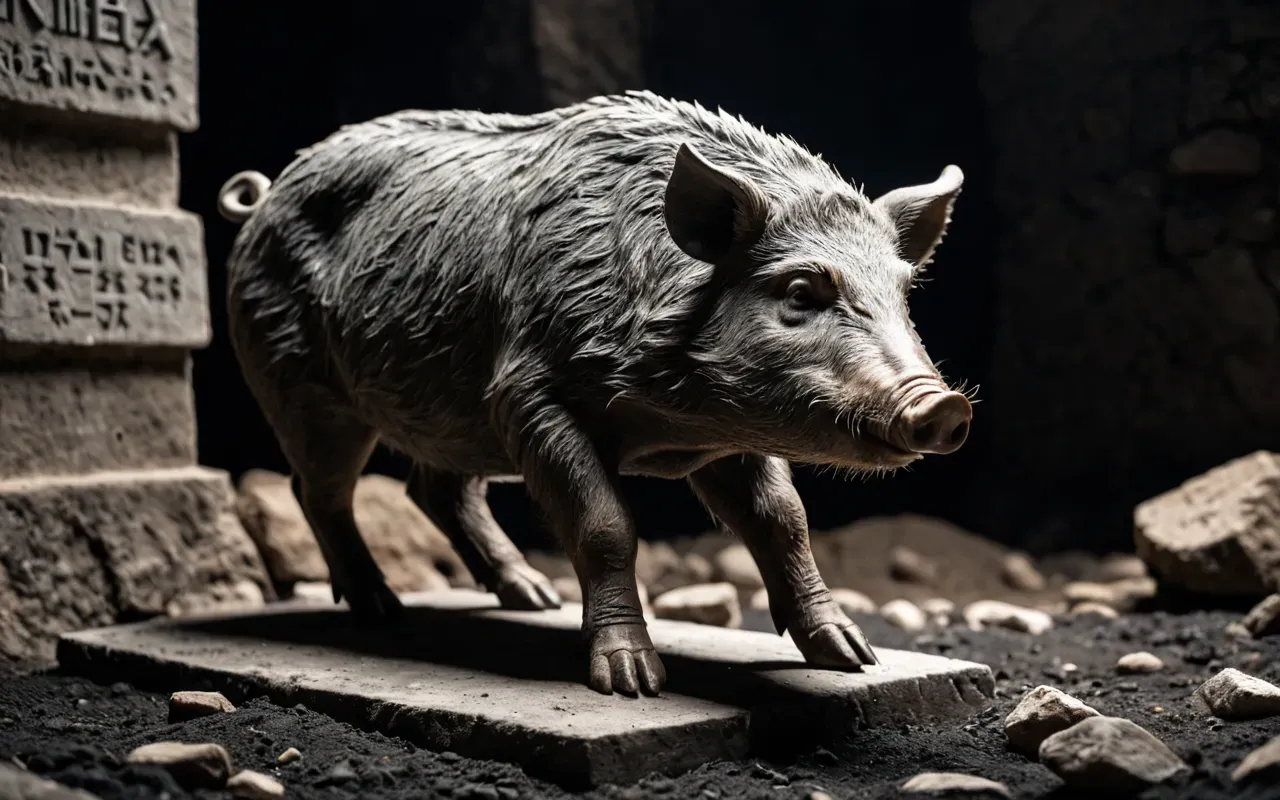
We tend to assume color showed up in sculpture much later. Marble, bronze — that's where realistic art supposedly begins. But here's a boar with a red tongue and black markings.
It's caught mid-attack. Teeth bared. This isn't a calm animal. It's a threat, frozen in stone and pigment.
Professor Necmi Karul calls it the first painted sculpture from that period. What struck me was how specific he got about the colors.
Why The Boar Matters More Than You Think
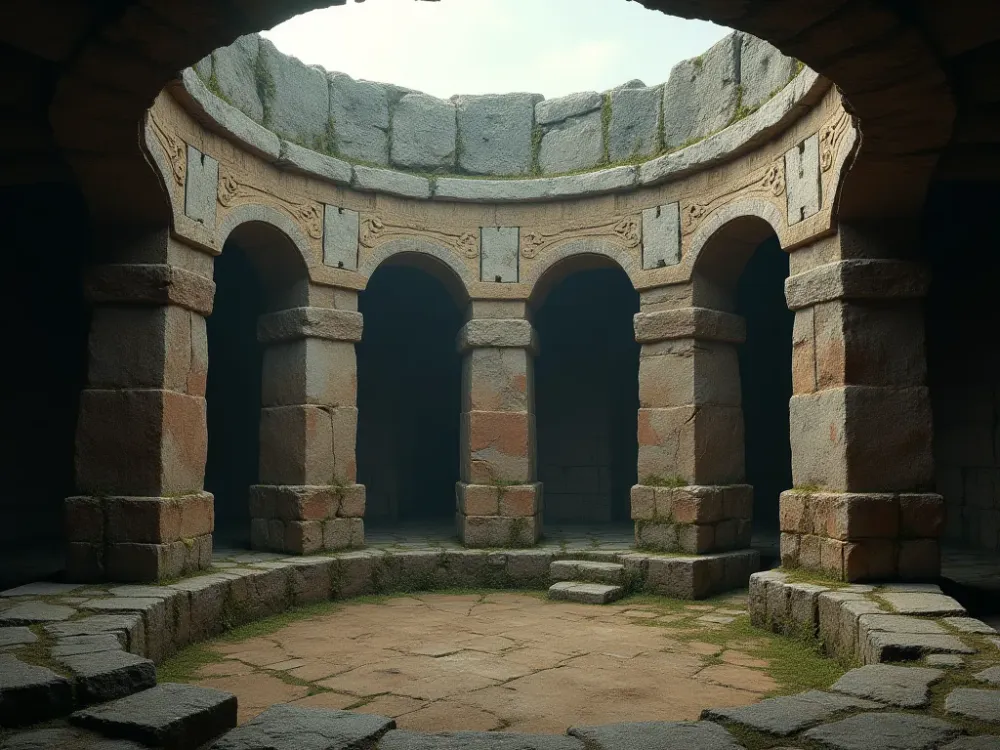
Most statues at this site are T-shaped pillars — abstract humans, maybe gods. This one is an animal. And it sits in Structure D.
It's placed on one side of the axis between two central obelisks. A precise spot. These people didn't leave things to chance.
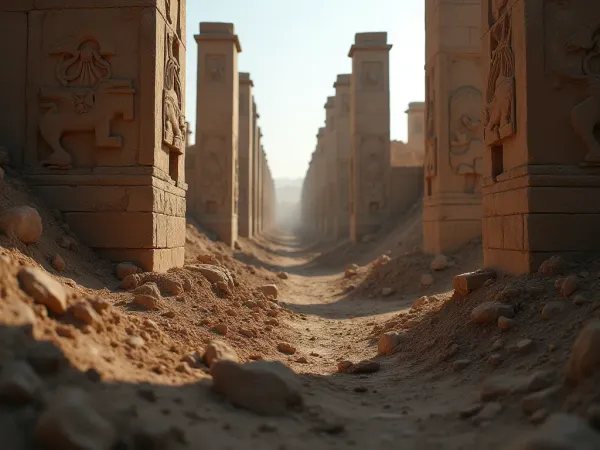
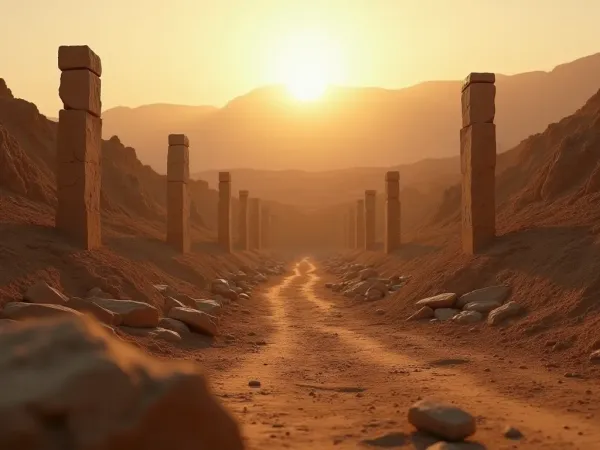
We know they buried buildings on purpose. We knew the obelisks were left in place. Now it turns out the artwork was too.
That implies ritual. They finished their lives in these buildings, then covered them up with the art still inside.
The Human Statue That Was Broken On Purpose
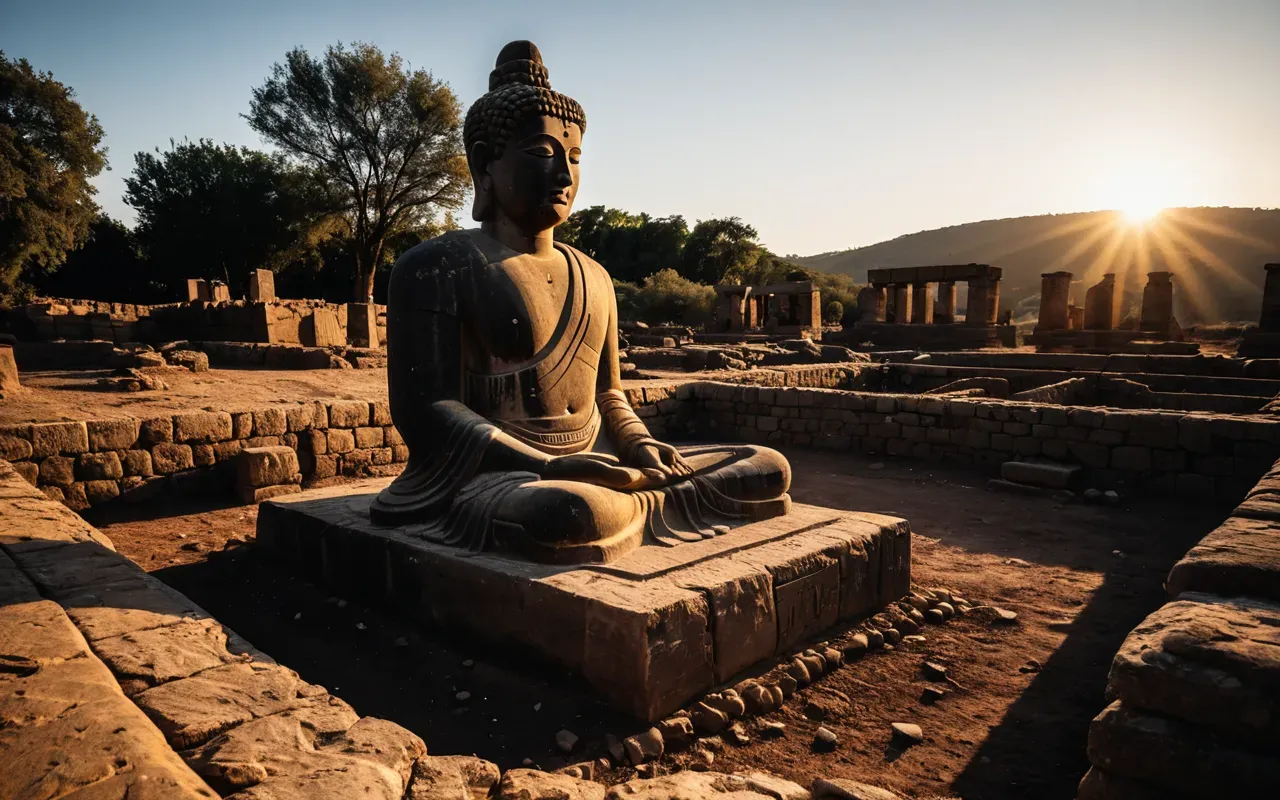
Over at Karahantepe, the story gets darker. A figure two meters thirty centimeters tall was found sitting on the ground.
Life-sized. There's a relief of hands on its side. One hand holds a bell jar below the waist.
But here's the part that makes my stomach turn. The statue was broken deliberately before it was buried.
Time didn't wear it down. They smashed it themselves. And then they mounted a vulture statue on the wall right next to it.
What This Says About Beliefs We Cannot See
Vultures are scavengers. They eat the dead. Putting one beside a broken human figure is no accident.
Maybe the statue stood in for a person who had died. Maybe breaking it was part of releasing their spirit.
We project our own ideas onto these stones. But the evidence points to a complex emotional world.
If you've been following the debate about whether these structures were temples or homes, this adds a new layer.
The breaking of the statue feels more domestic. Intimate, even. It suggests a family or a group dealing with loss.
The Bigger Picture Of The Taş Tepeler Project
And this isn't just one site. The Taş Tepeler project covers nine different points in the region.
Karul says they've reached the end of this year's work. But he insists discoveries will continue.
The German Archaeological Institute has been here since 1995. They found the boar this year.
Lee Claere, their coordinator, called it a very exciting find. He emphasized the size and the paint.
Why Scale Matters In Prehistoric Art
A hundred and thirty centimeters tall is huge for that time. Carving it took massive labor.
Then they painted it. That's a second layer of effort. Why go to that trouble?
It suggests the image had a specific role. Not just decoration.
The Gender Question In These Statues
Karul points out that all previous statues represent masculine individuals. This boar fits the pattern.
But is that because women weren't represented? Or because the focus was on power and aggression?
I wonder if we're missing female figures. Or if they were made of materials that didn't survive.
Limestone is durable. Wood or clay would have crumbled. We only see what the earth kept.
How This Changes Your Understanding Of History
We're used to thinking of prehistoric people as simple. Hunters gathering berries. No complex art.
But here's a painted boar with a red tongue. Here's a broken human figure next to a vulture.
These people had emotions. They had rituals. They made choices about what to preserve and what to destroy.
If you want to see how this fits into the larger narrative of civilizations that built before farming existed, read more.
It challenges the idea that agriculture came first. These people built massive structures before they farmed.
The Future Of Excavations In This Region
The work is not done. Karul says discoveries will continue to excite us.
Every season brings something new. The boar is just the latest example.
We are only beginning to understand what was buried here twelve thousand years ago.
The real story is still underground. And it is waiting to be read.
Final Thoughts On The Painted Boar And Broken Man
These two finds are not just stones. They are windows into a mind we can barely imagine.
A boar with paint. A man broken on purpose. A vulture watching.
It is strange. It is sad. And it is incredibly human.
I think that is the most important part. These people were not primitive.
They were us. Just further back in time.