We were wrong about when humans left Africa because one hippo tusk told a different story
The Hippo Tusk That Broke Our Assumptions
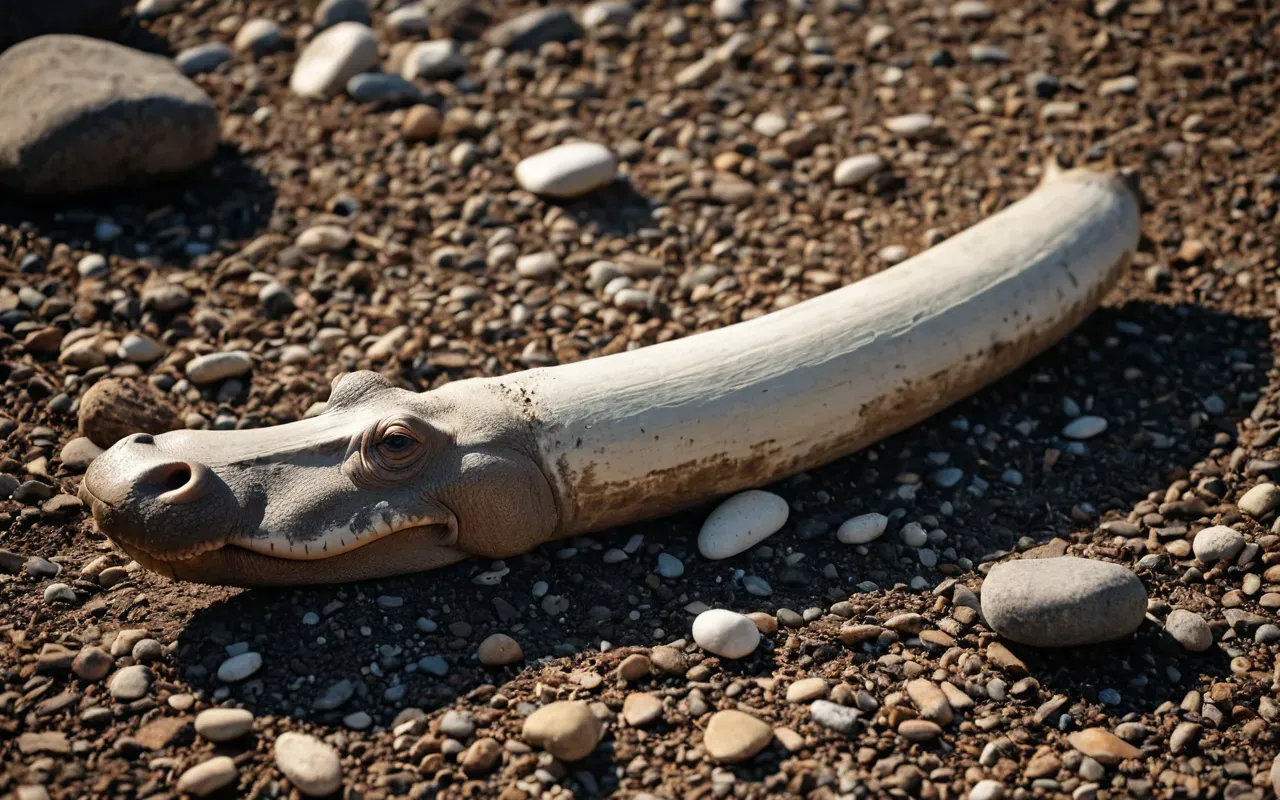
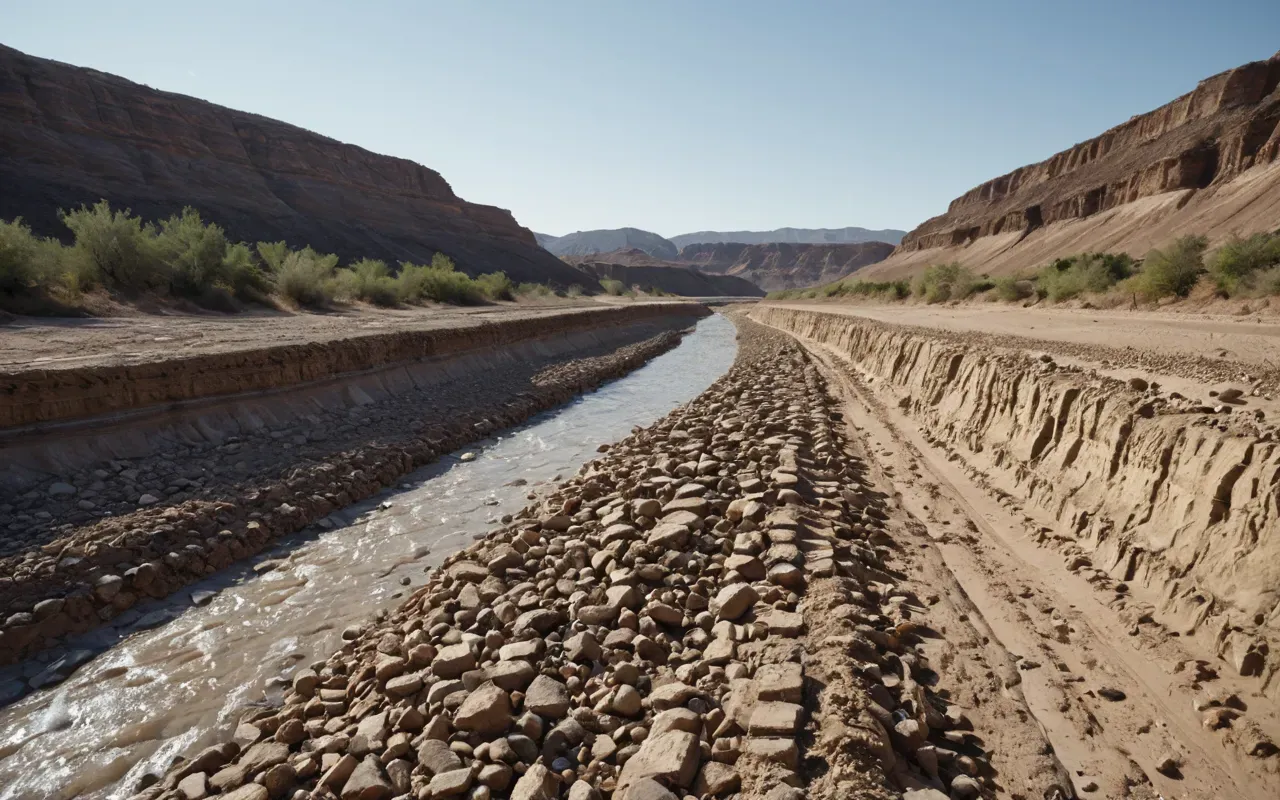
One detail from the new research stuck with me. Not the age — the animal. A hippopotamus ivory tusk, pulled out of the mud of the Jordan Valley, held the key to a .-million-year-old secret. That bone changed everything we thought we knew about where our ancestors went first.
For decades, textbooks told a clean story. Humans left Africa, stopped at the edge of the Levant, and waited. We assumed they were latecomers. The 'Ubeidiya site contradicted that, but we couldn't prove it. Now, with three independent dating methods, the proof is in. The timeline is older, messier, and more fascinating than we imagined.
Why This Changes More Than People Think
Here's the thing. We usually think of human migration as a single wave. A group leaves, they walk, they settle. Sounds simple. But the new data from 'Ubeidiya suggests a parallel story. Different groups, different tools, same timeframe. This isn't just about dates. It's about how complex early human society was, and how these groups adapted to new environments at the same time.
Think about the scale. . million years ago, the climate was different. The geography was different. The animals were different. And yet, humans were there. That places them at the same time as the Dmanisi site in Georgia. Two separate regions, similar ages. It implies a widespread, coordinated expansion that we barely understand. The map of human history just got a lot bigger.
The Stone Tools That Tell a Different Story
The 'Ubeidiya Formation is famous for its Acheulean tools. These aren't just rocks. They are hand axes, shaped on both sides, with a specific symmetry. But here is the twist. We also found evidence of the older Oldowan tradition. Simple choppers. Rough edges. Both existed at the same time. So much for the idea that tool technology evolved in a strict, linear sequence. It was more like a patchwork of innovations.
I find this fascinating. It suggests that different groups carried different skills out of Africa. One group had the choppers. Another had the hand axes. They overlapped in the Levant. This is a

How Scientists Dated the Ancient Layers
Dating a site this old is like solving a puzzle with missing pieces. The team used three methods. First, cosmogenic isotope burial dating. This measures isotopes formed by cosmic rays. Second, paleomagnetism. They looked at the magnetic field recorded in the lake sediments. Third, uranium-lead dating on fossilized snail shells. Each method gave a different piece of the timeline.
The results were consistent. The site is at least . million years old. But there was a complication. Some rocks looked million years old. That was a red herring. The sediments had been recycled. They were buried, exposed, moved, and buried again. The
The Implication Nobody Is Talking About
We focus on the age. But the real story is the movement. Humans weren't just surviving. They were exploring. They were testing the boundaries of their world. The fact that they reached the Jordan Valley so early suggests a high level of adaptability. They had to cross deserts, navigate rivers, and deal with new predators. This was a deliberate exploration, not an accident.
This connects to other findings we've seen. If you're interested in how ancient people tracked their movements, check out this single elephant tooth that broke the map of human survival. It shows a similar pattern of unexpected mobility. The pieces are fitting together, and they don't match the old textbooks.
What This Means for Our Understanding of History
The 'Ubeidiya site is now one of the oldest known human settlements outside Africa. That's a big deal. It means we need to rewrite the chapters on early human history. We need to look at the Levant not as a waiting room, but as a destination. A place where humans chose to live, build, and create culture. This changes how we see the entire region.
It also raises questions about other sites. If humans were here . million years ago, where were they before? Did they stop elsewhere? The answer is likely yes. The journey was complex. It involved stops, starts, and detours. We are only beginning to map this out. The more we dig, the more we realize how much we don't know.
The Boring Stone That Kept Our Ancestors Alive
It's easy to get excited about big discoveries. But the real story is in the details. The boring stone. The simple chopper. The rough edge. These were the tools that kept our ancestors alive. They weren't pretty. They were practical. And they were enough. Which is a reminder that human survival is often about simple, effective solutions, not grand innovations.
The 'Ubeidiya site is a testament to this. It's not just about the age. It's about the ingenuity. It's about the ability to adapt to a new world. It's about the quiet, persistent effort of early humans to make a place in a landscape that wasn't theirs. And that is a story worth telling, and worth remembering.
Why We Keep Getting the Timeline Wrong
We keep getting the timeline wrong because we assume a simple narrative. We want a straight line. Start to finish. But history is messy. It's a web of connections, overlaps, and coincidences. The 'Ubeidiya discovery is a reminder of this. It doesn't fit the neat boxes we like to put things in. And that's okay. The truth is more interesting than the myth.
If you want to see how other sites are challenging our understanding of history, take a look at the 3 buried rooms that finally break the ancient civilization timeline. It's a similar story of unexpected complexity. The more we learn, the more we realize how much is still hidden. And that is a good thing.
The Future of Human Migration Research
So where do we go from here? We need more sites. We need more dating. We need more context. The 'Ubeidiya discovery is a starting point, not an end. It opens up new questions. How did these groups interact? Did they share knowledge? Did they compete? We don't know yet. But the answers will be fascinating, and they will change how we see ourselves.
The field of archaeology is constantly evolving. New methods, new tools, new discoveries. The 'Ubeidiya site is a prime example. It shows the power of science to rewrite history. It shows the importance of questioning our assumptions. And it shows that the past is always closer than we think. And that is a powerful thing to remember.