Ancient Rome's fall had nothing to do with trade or poverty
The Great Myth That Wealth Buys Freedom
Money changes everything — or so we're told. It builds cities, creates jobs, and eventually leads to democracy. Sounds logical enough on the surface.
But ancient history tells a very different story. In China, merchants got rich while emperors ruled with an iron fist. In Mesopotamia, complex banking existed alongside strict monarchies.
So why did Greece produce democracy while Rome abandoned its republic? The answer lies in a complex web of military power, land ownership, and social hierarchy that most people ignore.
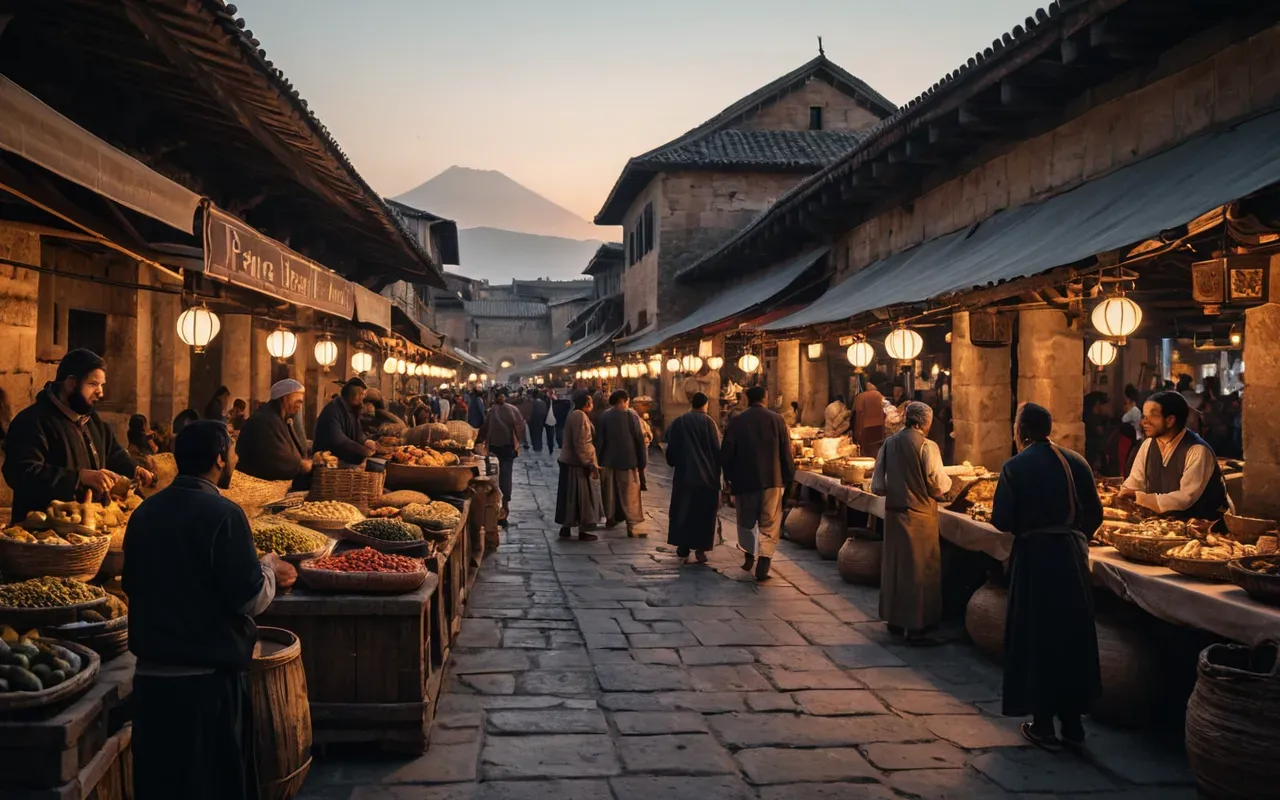
Why Money Does Not Equal Political Power
Look at the Assyrian merchants four thousand years ago. They used credit and contracts to move tin across continents. Their ledgers were detailed and sophisticated.
Yet these traders did not vote for their kings. They operated within a system where the ruler held ultimate authority over land and labor.
This distinction is critical. Economic freedom to trade is not the same as political freedom to participate in governance.
The Military Factor That Shaped Ancient Politics
In ancient China, the state controlled food production to fuel its armies. This direct link between agriculture and war kept power centralized under the emperor.
In Rome, soldiers were often loyal to their generals rather than the state. This shift in loyalty eventually broke the republic from within.
Whoever controlled the weapons had the final say. Economic growth did not matter if you could not organize an army to protect your interests.
How Social Hierarchy Limited Democratic Growth
Athenian democracy was real but exclusive. Only adult male citizens could vote. Women and slaves were entirely excluded from the process.
Carthage had a republic but only the wealthy could hold office. This oligarchic structure shows that commerce can exist without equality.
These examples prove that a wealthy society is not automatically a free or equal one. The two concepts operate on completely different tracks.
What Ancient Empires Teach Us About Modern Governance
Today we often assume that economic growth will naturally lead to better political institutions. History suggests this is a dangerous assumption.
The collapse of the Roman Republic was not due to poverty. It happened because the system failed to manage wealth distribution and military command.
We must ask who controls the resources. We must ask who commands the force. And we must ask who gets a voice in decision-making.
If you are interested in how ancient structures shaped early human life and beliefs, check out the secret hiding at Göbekli Tepe that challenges our understanding of history.
The Real Drivers Behind Political Systems
It is not just about money. It is about the interplay of military strength, social class, and institutional design.
Ancient India had both monarchies and republican communities. This diversity shows that political systems are not determined by a single economic factor.
Understanding these dynamics helps us avoid repeating the mistakes of the past. It reminds us that freedom must be actively built and defended.
The lesson is clear. Wealth alone does not create democracy. We need intentional structures that balance power and ensure broad participation.
As we study the past, we gain valuable insights into how to build a more just and stable future for all.