The Missing Spot On The Ancient Civilizations Map
The Blank Space That Breaks History Books
You've seen the standard ancient civilizations map. It starts with a dot in Mesopotamia or along the Nile. Everything before that? Empty space. We treat it like nothing happened for ten thousand years. But that blank area contains the oldest complex structures on Earth.
I keep coming back to this specific gap. It is the biggest lie in our educational system. We assume society started with farming and cities. The evidence says otherwise. Hunter-gatherers built massive stone circles before they had a single grain of wheat.
Why Standard Maps Ignore The First Builders
Cartographers love clear lines. They draw boundaries for empires that lasted centuries or millennia. The people who built the first monumental architecture left no written records. This makes them hard to fit into a traditional timeline.
We define civilization by writing and metal tools. That is a modern bias. A group of nomads moving stones over five meters high did not need an alphabet to be organized. They had leadership, labor coordination, and shared belief systems.
This creates a massive blind spot in our collective memory. If you look at a standard map from BCE to BCE, it looks busy. Look at the space before that and it is void. But the archaeological record tells a completely different story.
The Evidence From The Stone Circles
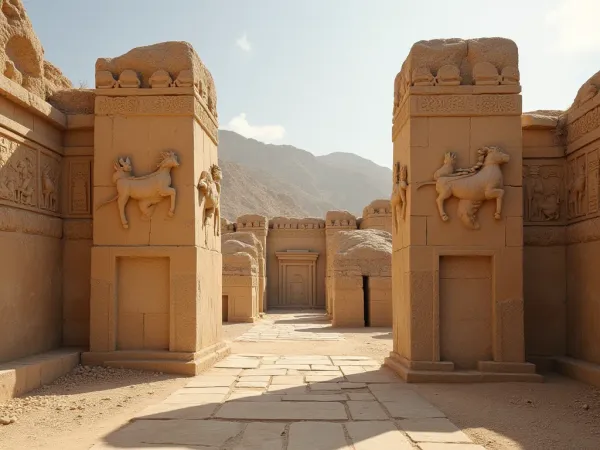
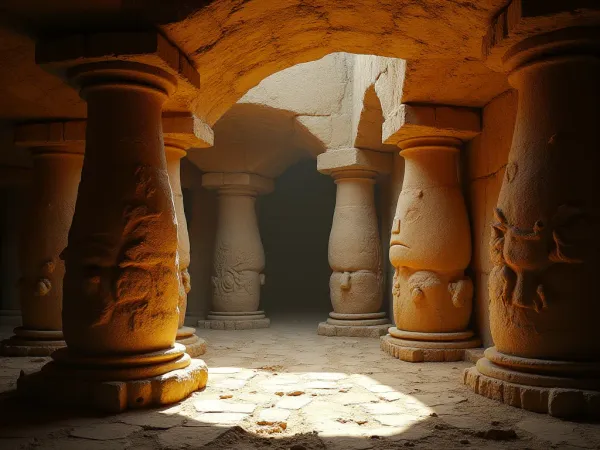
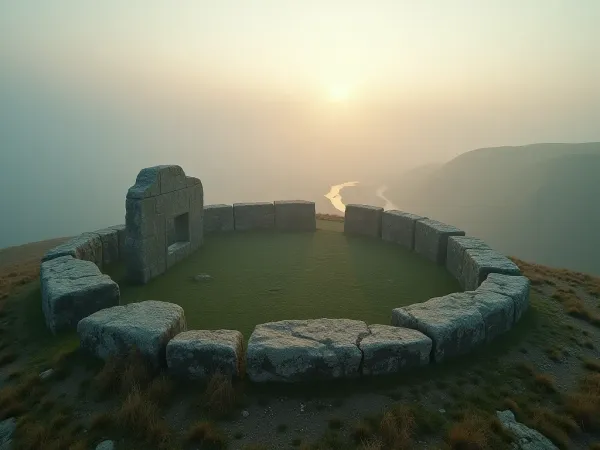
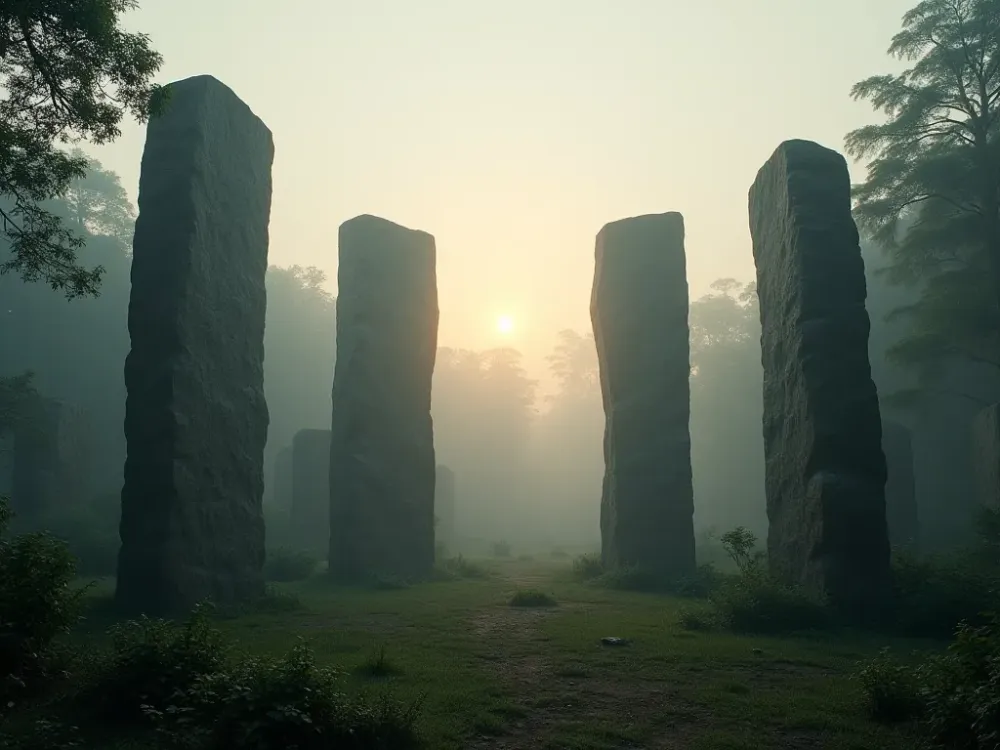
Let's talk about the actual structures. We are looking at T-shaped pillars standing over five meters tall. Each one weighs between ten and twenty tons. These were not random rocks placed by a stream.
The engineering required to move these stones is staggering. Without wheels or draft animals, humans used leverage and ropes. It took hundreds of people working in sync for months at a time. This level of coordination usually takes centuries to develop.
But these people did not have permanent settlements yet. They moved seasonally for hunting and gathering food. This flips the script on how we think social complexity arises.

How Beliefs Drove The First Engineering Projects
Why build massive structures without a city to live in? I suspect the answer lies in their belief systems. The carvings on these pillars show animals interacting with human-like figures.
It is not just decorative art. It looks like a narrative. There are scenes of vultures and scorpions arranged in specific patterns. This suggests ritualistic gatherings that required a fixed location.
The Role Of Ritual In Social Cohesion
Rituals create social glue. When you gather hundreds of people for a ceremony, you need somewhere to meet. That location becomes sacred over time. The site itself starts carrying meaning beyond its physical form.
This is the missing piece on our maps. We map borders and trade routes easily. But mapping a spiritual center that existed before writing requires a different kind of historical lens.
To be fair, some scholars still debate the exact function. Was it a marketplace? A seasonal camp base? The evidence points heavily toward ritual use, but the truth is likely more complex.

The Myth Of The Agricultural Revolution
Schools teach that humans learned to farm and then built cities. This is a tidy story but it does not match the data. Farming appeared in several places independently over time.
In many regions, monumental building happened before reliable crop yields. People were experimenting with agriculture while still relying on wild game for most of their calories.
Why This Order Changes Everything
If you build a temple first and farm later, the motivation is different. It implies that social ambition drove technological adoption. We wanted to organize people before we had enough food to keep them fed permanently.
This sounds counterintuitive. But look at the labor required. Moving ten-ton stones is a massive logistical challenge. It requires planning that spans seasons and years.
I have noticed that this challenges the very definition of progress. We measure success by efficiency and output. These ancient builders measured it in social connection and shared identity.
What The Map Should Actually Look Like
If we redrew the ancient civilizations map today, it would look very different. The center of gravity shifts west and north. We see a network of sites rather than isolated empires.
The timeline stretches back much further. The gap between the last ice age and the rise of Mesopotamia fills with evidence of complex social behavior.
Connecting The Dots Across Continents
We are not just talking about one site. Similar structures appear in other regions around the same time period. This suggests a shared human capacity for large-scale cooperation.
It is easy to dismiss this as coincidence. But the structural similarities are striking. T-shaped pillars and circular enclosures keep appearing in different geological contexts.
This points to a common cognitive trait. We are hardwired for symbolic thinking and collective action long before we had the tools to survive in harsh environments.
The Human Cost Behind The Monuments
We often romanticize these builders as noble pioneers. But the reality was likely brutal. Moving massive stones without modern machinery is exhausting and dangerous work.
Archaeological remains show signs of chronic stress on the skeletal system. These people were not just thinking about religion; they were working hard to keep their community alive.
Reassessing The Labor Force
How did they organize this labor? There was no written command structure. It had to be based on consensus and strong social bonds.
This is where the mystery deepens. They achieved a level of coordination that we often associate with early states. But they did it without kings or armies.
I find this fascinating because it shows another model of human organization. One that prioritizes collective effort over hierarchical control.
Why This Matters For Our Understanding Of History
Ignoring this period creates a false sense of sudden progress. It makes us think civilization appeared out of nowhere around BCE.
But it was a long process. It involved trial and error over thousands of years. The people who built these early sites were experimenting with social structures.
The Long Road To Modern Society
Every modern institution has roots in these early experiments. Our ability to coordinate large groups is not a new invention.
We inherited this capacity from our ancestors. They figured out how to work together before they had the technology we take for granted today.
This changes how we view human potential. We are not just reactive creatures adapting to our environment. We are proactive builders of social reality.
The Future Of Archaeological Discovery
We are still finding new sites every year. The map is not finished yet. There are likely more structures hidden under modern fields and forests.
Technology like ground-penetrating radar is helping us see what was previously invisible. This means our understanding will continue to evolve.
What We Might Find Next
I expect we will find more evidence of ritual practices. The story is likely bigger than just architecture.
We might discover that these sites were part of a larger network. A web of connections spanning thousands of kilometers.
This would confirm that early humans had a sophisticated sense of geography and social connection. It changes the entire narrative.
Frequently Asked Questions
Why is Göbeklitepe missing from standard ancient civilization maps?
Most traditional maps focus on literate empires and state-level societies. Göbeklitepe predates writing and centralized government by thousands of years.
How long ago were the structures at Göbeklitepe built?
The oldest enclosures date back roughly , years. This places them in the Pre-Pottery Neolithic period.
Did people living near Göbeklitepe practice agriculture?
They were in a transitional phase. They hunted wild game and gathered plants but did not yet have fully established farming systems.