We got the order of operations completely wrong
The timeline is wrong
In school they taught us one tidy story. First came farming. Then people settled down. Only after that did they build temples and invent complex societies. Clean, logical, easy to remember. The stones at Göbeklitepe don't cooperate.
For decades that story held. Agriculture was the engine of civilization — the fuel that let people stop wandering and start building. Causality seemed obvious. Farming causes stability. Stability causes complexity.
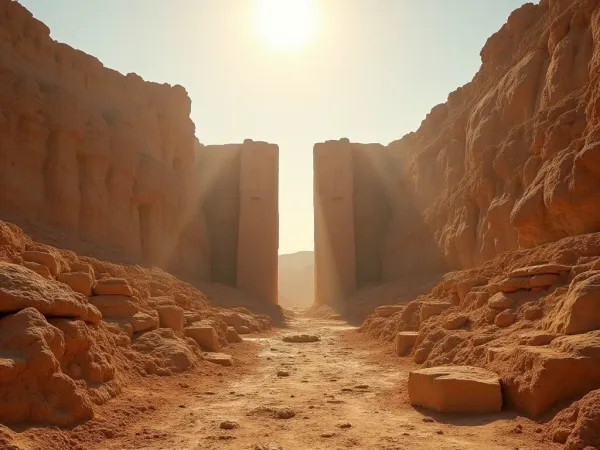
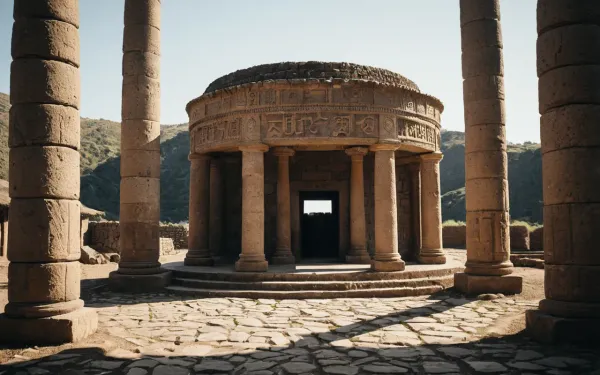
Then we dug up the T-shaped pillars. They're enormous. Up to ten tons apiece. Carved with intricate animal reliefs. And they're , years old — older than the first wheat field sown in the region. The order is flipped.
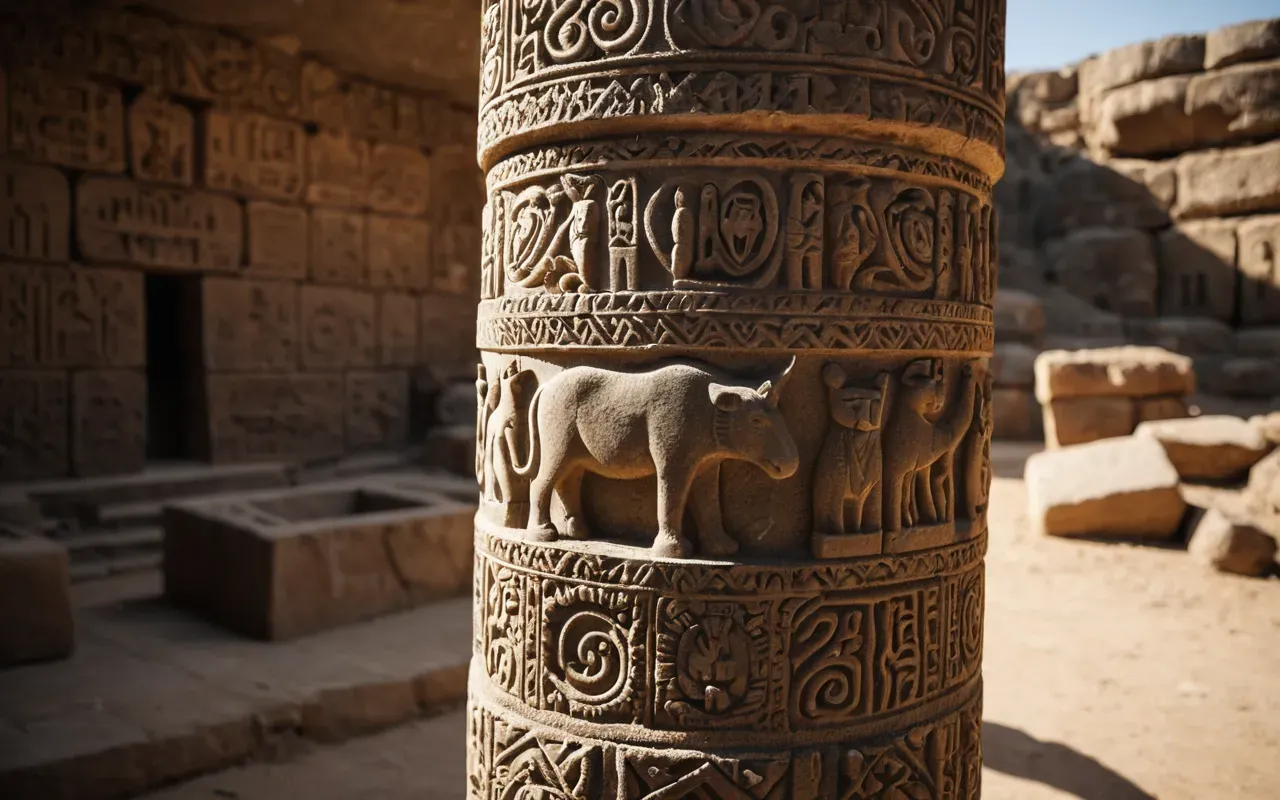
The weight of the stones
Think about the physics for a second. Hauling a ten-ton limestone block with no wheels and no oxen is a nightmare. It takes coordination. It takes leadership. It takes a crowd big enough to pull, push, and steer. A small nomadic band can't pull that off.
So how did they do it? The evidence points to a seasonal gathering. People from all over the region met at this one hilltop. They brought resources. They worked side by side. For a few weeks, a massive social network hummed. Then everyone dispersed.
This is not a settled community. It's a festival — recurring, huge, ritualistic. The architecture isn't a home. It's a stage. The builders weren't residents. They were participants in a shared cultural experience that reached across individual tribes.
The logistics of a nomadic temple
Picture the supply chain. Food for hundreds of workers. Tools for carving. Water. All of it hauled up to a remote hilltop. That volume of resources implies an organization we rarely credit to pre-agricultural people.
Archaeologists have found grinding stones and animal bones in the fill. Not just debris — evidence of feasting. Large-scale feasting. Which suggests the temple was a place of exchange. A marketplace of goods and ideas. A hub for a decentralized network.
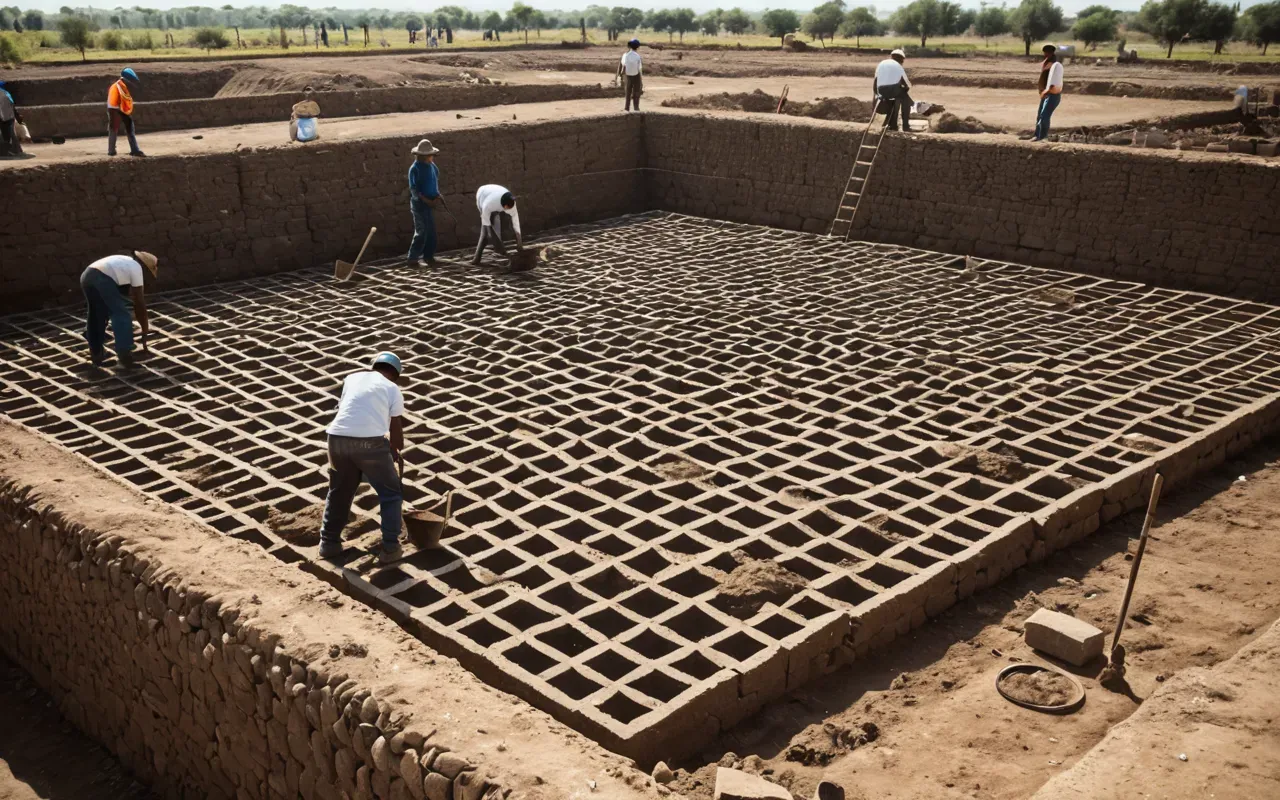
Why we built before we farmed
And that flips the script on human motivation. We assume we built to house our crops. But what if we built to create a reason to gather? What if the need for social cohesion and ritual identity drove agriculture — not the other way around?
Consider the climate. The region was dry. Hunting was reliable. Why take the risk of farming? Farming is hard. Labor-intensive. It demands storage. It creates dependency. With enough food from hunting, why change your entire way of life?
The answer might be social. The temple needed a stable population to maintain it, and a constant flow of resources. To keep the ritual going, people had to stay. To stay, they needed a more reliable food source. Farming became a tool for social stability, not the origin of society itself.
The role of ritual in survival
We tend to treat religion as a luxury. A cultural add-on. At Göbeklitepe, it looks like a survival strategy. A shared belief system forged a bond stronger than blood — one that let strangers cooperate, and made large-scale projects possible that no single tribe could manage alone.
That's a profound shift. Complex social structures existed before the economic base we assumed they required. Ideology can drive material change. The story of civilization starts with a belief, not a seed.
What the pillars actually represent
The T-shaped pillars aren't decoration. They likely represent humans. Or gods. Or ancestors. Carving them with animals suggests a deep bond between the human and the natural world — not a separation, an integration.
Some scholars call them totem poles. Others say ancestors. The truth is probably messier than either. They're symbols of a shared identity, the visual language of a culture with no writing. The book of a people who spoke in stone.
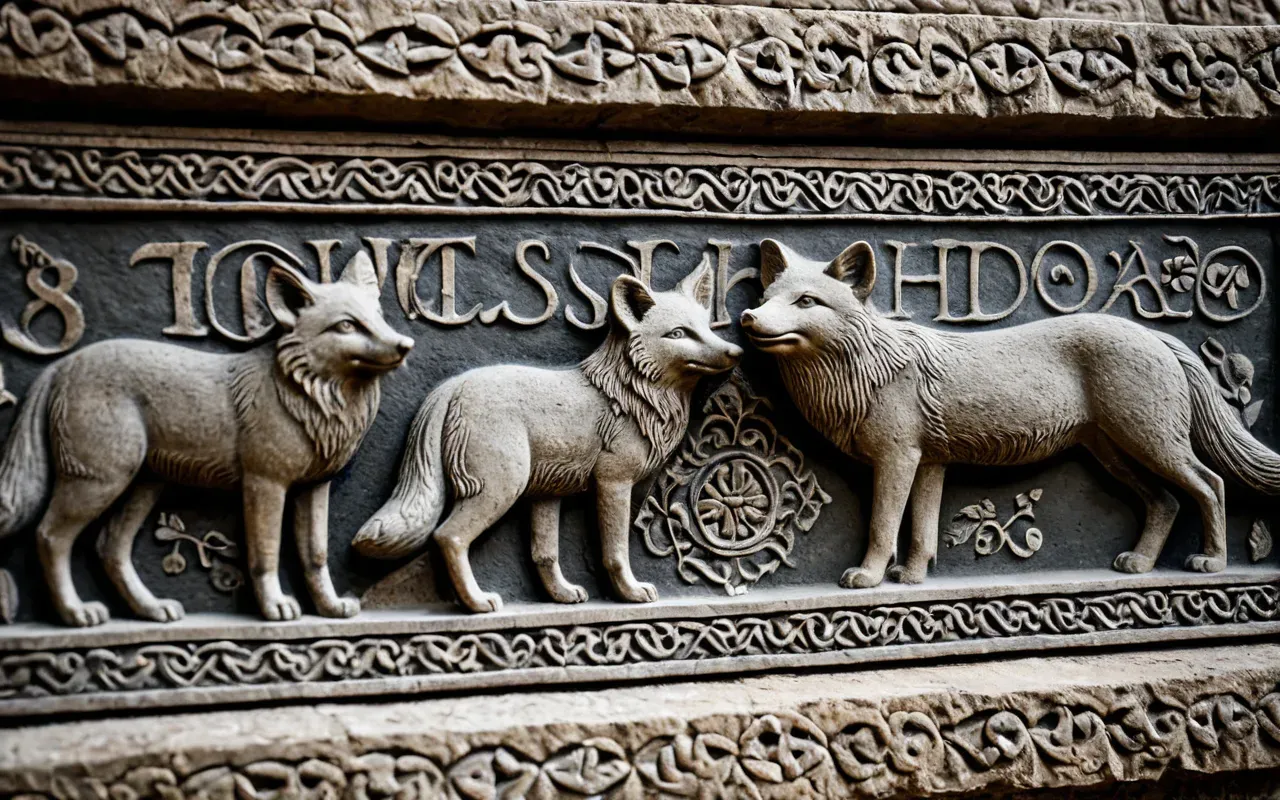
The animals aren't random. Foxes, boars, cranes, snakes — local fauna, the daily reality of these people. Carving them into sacred architecture says the natural world is part of the divine. A deeply ecological worldview.
The absence of living spaces
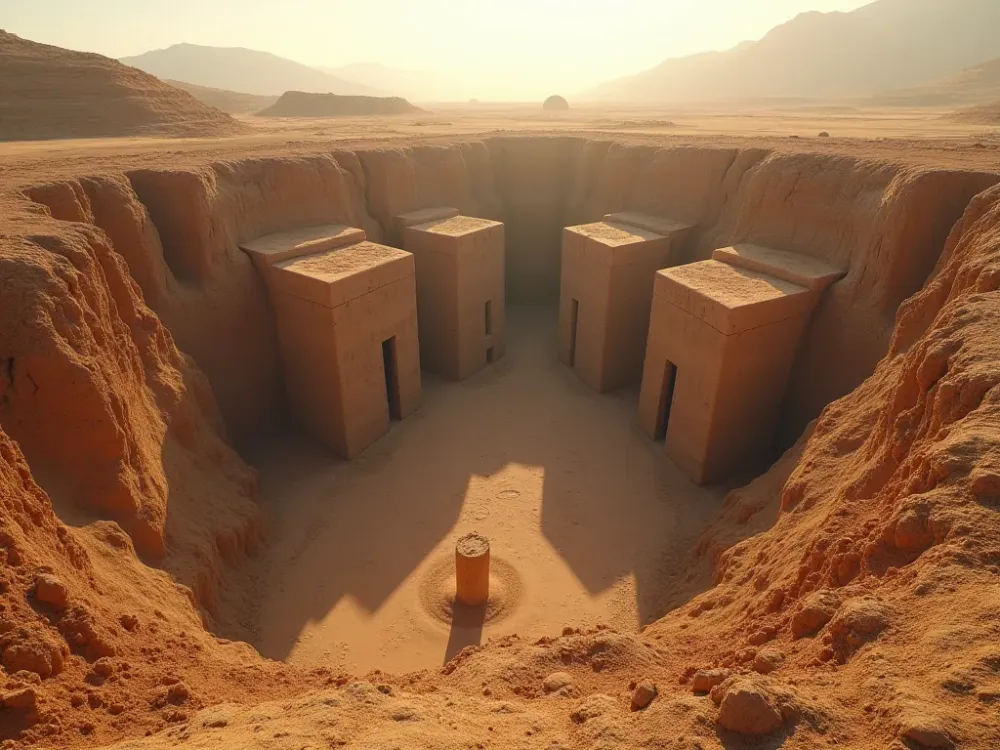
Here's the kicker. There are no houses at Göbeklitepe. No hearths. No storage pits. No signs of long-term habitation. The temple stands alone. It isn't part of a village. It's a destination. People came, performed their rituals, and left.
That's unheard of in the standard model. Usually the temple sits at the center of the town. Here, the town sits at the center of the temple — except there is no town. Only the temple. A purely ritualistic site. A place of power, not a place of life.
The impact on our understanding of history
If Göbeklitepe is right, our whole framework for studying early civilizations is flawed. We've been looking for the wrong things, assuming complexity follows simplicity. But what if complexity is the starting point? What if simplicity is what's left after a collapse?
The implications are huge. The Neolithic Revolution wasn't a single event — it was a process. Long, slow, often messy. The line between hunter-gatherers and farmers isn't as sharp as we thought. And the story of humanity is far more nuanced than we realized.
It changes how we read other sites, too. If a nomadic group can build a temple, what else can they do? What other complex behavior have we overlooked? We need to go back and look again with fresh eyes. Ask different questions. Stay open to new answers.
Revisiting the definition of civilization
We usually define civilization by cities, writing, and the state. Göbeklitepe has none of these. It has art, architecture, and social organization. Does that count? If it does, civilization is much older than we thought. If it doesn't, our definition is too narrow.
I lean toward the former. Civilization isn't just technology. It's culture — the ability to create meaning, the capacity for collective action. Göbeklitepe shows those capacities existed long before the first brick went into a city wall.
The ongoing debate
Not everyone agrees. Some archaeologists call Göbeklitepe an anomaly — a unique case, not a rule. They point to the lack of evidence for farming at the site itself. The people were still hunter-gatherers, they argue, and the temple was just a special place.
Fair point. We don't have direct evidence of farming at Göbeklitepe. But we have indirect evidence: the social structure, the logistics, the scale. All indicators of a society in transition. One on the cusp of a major change.
The debate is healthy. It keeps us honest, forces us to hunt for more evidence, stops us from jumping to conclusions. But I think the weight of that evidence is pointing in one direction now. Toward the answer that challenges our assumptions. Toward the temple first.
The role of new technologies
New tools are changing the game. Remote sensing, DNA analysis, isotope studies — they're handing us data we simply didn't have before. We can track movement, diet, social connections. We can fill in the gaps traditional archaeology left behind. Bit by bit, a more complete picture.
Take isotope analysis of human bones. It tells us where people lived before they died. It shows migration patterns, reveals how far the social network stretched, and confirms that the people who built the temple came from far and wide. This was a pan-regional event — the bones say so.
What this means for us today
Why does any of this matter? Because it changes how we see ourselves. We are not just animals. We are creators, meaning-makers. We build things that outlast us, create beauty that transcends time, connect with each other in ways that go beyond the immediate.
It also humbles us. We are not the first to ask big questions, not the first to seek connection, not the first to build. We are part of a long, continuous thread — one that goes back , years. And it is still being woven.
In a world that often feels fragmented, Göbeklitepe reminds us what unity looks like. Even in the earliest days of our species, we could work together. Build something greater than ourselves. Leave a mark on the world. That's a powerful message, and it's still relevant today.

Frequently Asked Questions
Why is Göbeklitepe considered older than farming?
Radiocarbon dating places the construction of the main enclosures at Göbeklitepe around - BCE. This predates the widespread adoption of agriculture in the region, which is generally dated to the late th millennium BCE. The site shows monumental architecture without evidence of permanent settlement or farming, suggesting that complex social organization and ritual activity preceded the agricultural revolution.
How did nomadic groups build such large structures?
Archaeologists believe the structures were built through seasonal gatherings of large groups of people. These gatherings would have allowed for the mobilization of labor and resources necessary to move and carve the massive stone pillars. The site likely served as a focal point for these groups, facilitating cooperation and shared cultural practices that enabled such ambitious construction projects.
What is the significance of the T-shaped pillars?
The T-shaped pillars are believed to represent abstract human figures or ancestral spirits. Their placement in circular enclosures suggests they were central to the site's ritual practices. The carvings of animals and other motifs indicate a complex symbolic language, reflecting the beliefs and cosmology of the people who built the site. These pillars are key to understanding the spiritual and social life of early Neolithic communities.
Does Göbeklitepe change our understanding of civilization?
Yes, Göbeklitepe challenges the traditional view that agriculture and settled life were prerequisites for complex social structures and monumental architecture. It suggests that ritual and social cohesion may have driven the development of these features. This finding implies that the origins of civilization are more complex and nuanced than previously thought, with cultural and religious factors playing a significant role in early human development.