They Poured Concrete On The Worlds Oldest Temple And No One Is Talking About It
The Gray Wave Threatening Twelve Thousand Years of History
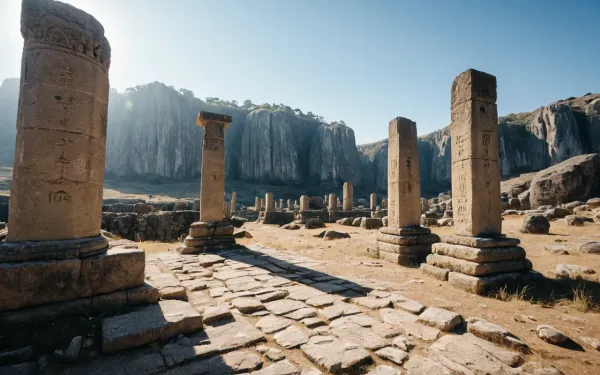
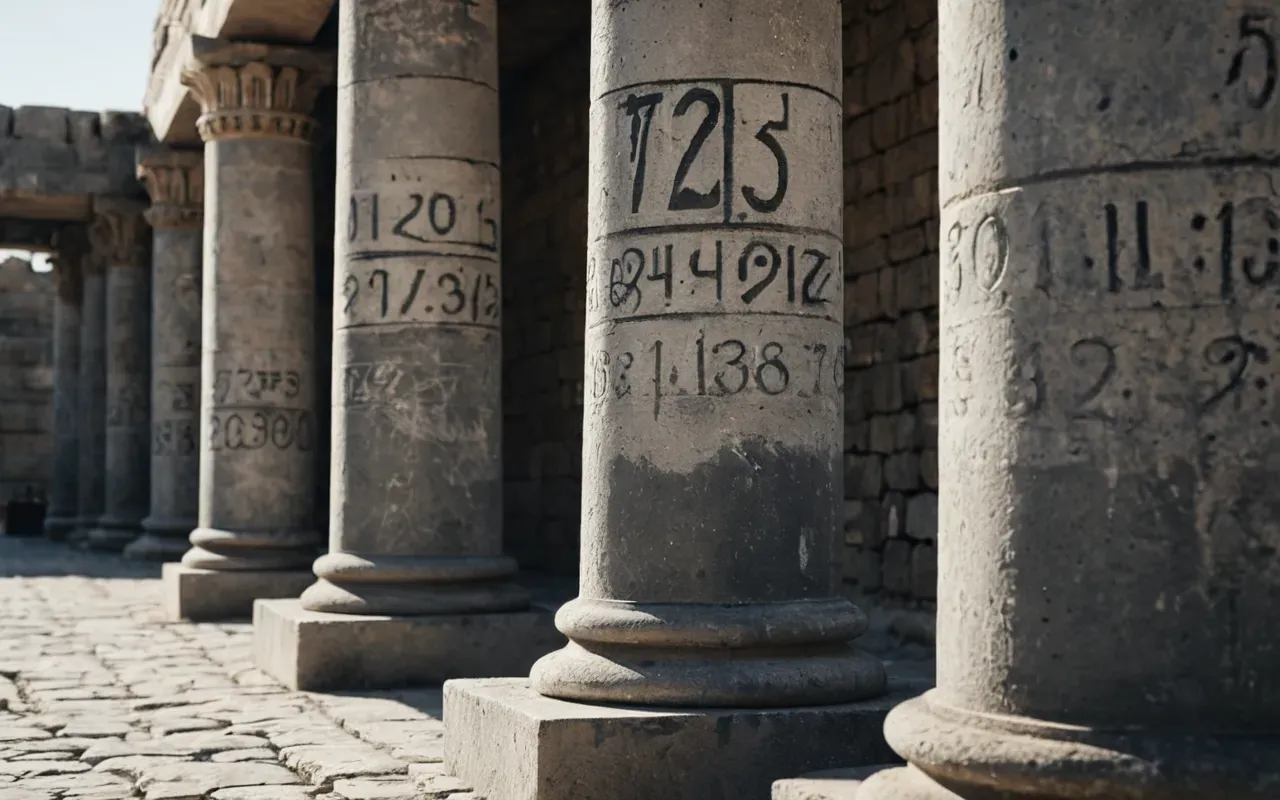
Imagine standing before the T-shaped limestone pillars that defined human ritual life twelve thousand years ago. Now imagine those sacred stones being overshadowed by wet gray concrete.
This is not a dystopian fiction. This is the current reality at Göbeklitepe in southeastern Turkey. Çiğdem Köksal Schmidt recently shared shocking photos on social media.
She is the widow of Klaus Schmidt. He was the German archaeologist who led excavations here for nearly two decades until his death in twenty fourteen.
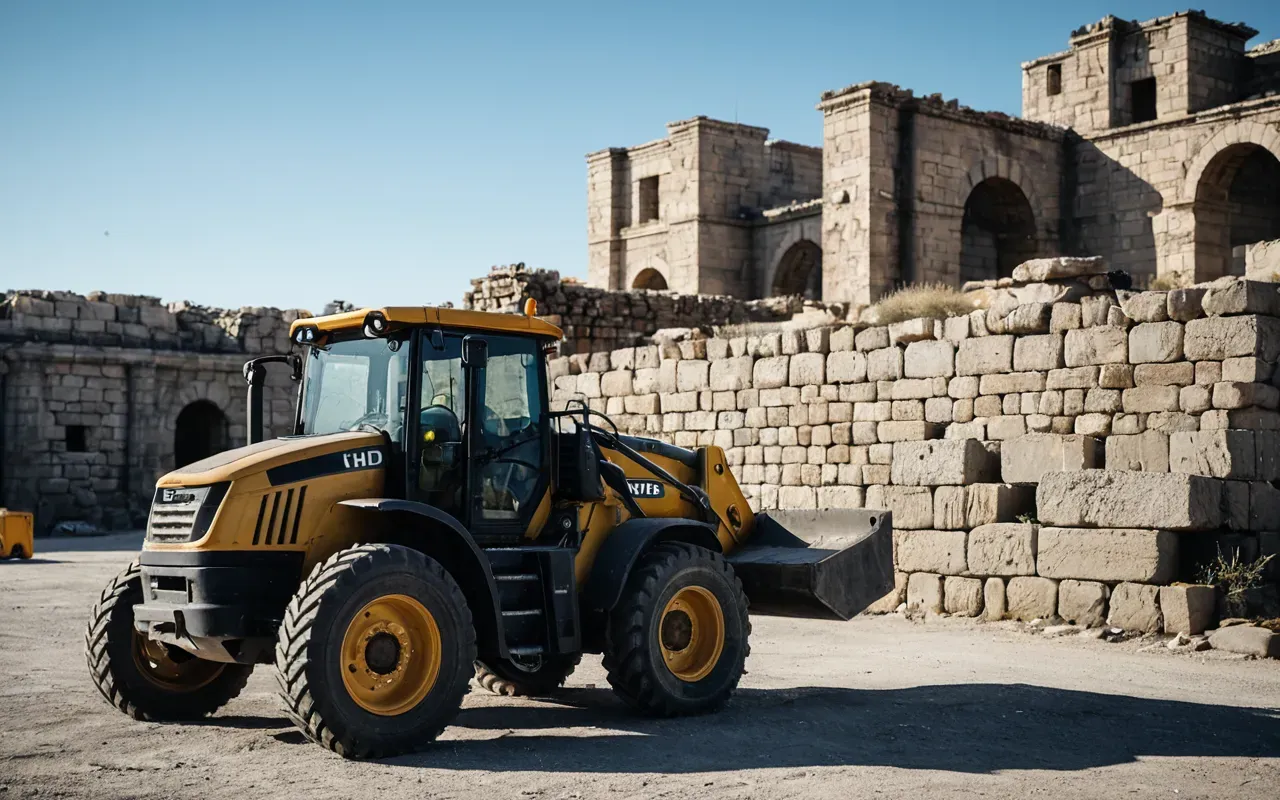
Her images show heavy machinery and freshly poured foundations. These structures are being built directly on the protected archaeological zone.
Locals and historians are furious. They say promises were broken. Authorities claimed they would never pour concrete within the core conservation boundary.
Broken Promises To The Late Archaeologist Klaus Schmidt
Schmidt spent his life protecting this site. He understood its fragile nature better than anyone else involved in the project.
He explicitly opposed rapid infrastructure development. He believed such actions would irreversibly damage the integrity of the tell.
His wife notes that officials assured him during his lifetime. They promised walkways would stay outside the protected zone entirely.
Now those promises seem like empty words. The new route cuts through areas Schmidt deliberately kept spacious for crowd management.
There are no archaeologists present to supervise this work. Construction companies appear to be operating with unchecked authority.
This lack of supervision is deeply troubling. It suggests a systemic disregard for scientific protocols at one of the most important sites on Earth.
Destruction Or Development A Matter Of Perspective
Authorities call it a road project. Critics call it destruction. The language used to describe these events reveals deeper conflicts about heritage values.
Doğuş Construction is the company named in reports. They claim they are simply following approved plans for tourist facilities.
But critics argue these facilities come at too high a cost. The visual intrusion alone diminishes the spiritual atmosphere of the site.
Schmidt knew that mass tourism could destroy what made Göbeklitepe special. He tried to manage visitor flow carefully and respectfully.
Now that careful approach seems abandoned. Rushed construction ignores the delicate balance required at such an ancient location.
We need to ask who benefits from this haste. Is it really about improving visitor experience or something more profitable?
The Urgent Need For Independent Oversight Mechanisms
This incident highlights a broader problem. Many heritage sites worldwide face similar pressures from commercial interests.
Without independent monitoring bodies, local authorities can easily override conservation guidelines. Accountability becomes nearly impossible.
International organizations like UNESCO should intervene more forcefully. Their lists carry moral weight but little enforcement power.
Perhaps it is time for stronger legal frameworks. Sites like Göbeklitepe deserve special protection status beyond national jurisdiction.
What This Means For Our Understanding Of Early Humanity
Göbeklitepe changed how we view the dawn of civilization. It proved humans built monumental structures before agriculture existed.
This discovery challenged long-held assumptions about societal development. Religion and ritual may have driven settlement patterns rather than vice versa.
If we allow concrete to encroach upon these layers, future research opportunities will vanish forever. Context matters immensely in archaeology.
Every layer of soil tells a story about early human beliefs. Disturbing those layers destroys evidence we cannot replace or recreate.
We owe it to future generations to preserve this knowledge. Their curiosity deserves access to intact historical records.
The stakes here extend far beyond national pride or tourism revenue. We are talking about foundational chapters in human history.
Rethinking Heritage Management In The Modern Era
This controversy forces us to reconsider how we manage ancient sites. Traditional methods clearly have significant weaknesses.
Community involvement could play a larger role. Local residents often feel strongest connections to their regional history.
Empowering them with decision-making authority might prevent unilateral actions by outside contractors. Transparency builds trust and accountability.
Digital documentation offers another promising tool. High-resolution scans can create permanent records even if physical structures suffer damage.
But virtual replicas cannot substitute for real experiences. The power of standing among twelve thousand year old stones is irreplaceable.
We must find ways to protect both the physical site and its interpretive potential. Balance remains elusive but essential.
Looking at similar cases elsewhere provides useful lessons. Some sites have successfully resisted commercialization through strict zoning laws.
Others failed due to corruption or neglect. Each case teaches us something valuable about sustainable conservation practices.
The Role Of Social Media In Exposing Heritage Violations
Çiğdem Köksal Schmidt’s Instagram posts sparked immediate global outrage. Social platforms amplify voices that might otherwise go unheard.
This digital visibility creates pressure on officials to act responsibly. Public scrutiny serves as an informal watchdog system.
However online attention can be fleeting. Sustained engagement requires deeper structural changes in how we govern cultural resources.
We should use this moment to demand better policies. Temporary outrage does little if systemic reforms do not follow swiftly.
Citizens around the world now understand what is at stake. That awareness itself represents progress toward meaningful change.
Let us hope this incident becomes a turning point. Future generations will judge our actions based on whether we chose preservation or profit.
Connecting The Dots Between Ancient Rituals And Modern Neglect
The irony is palpable. People once gathered here to honor spiritual forces they believed shaped their existence.
Today we risk destroying that very sacredness for convenience. Our values seem shifted toward immediate gratification rather than enduring legacy.
Perhaps studying these ancient communities teaches us humility. They invested enormous effort without expecting material returns.
Their achievements remind us that human creativity transcends technological limitations. We too can choose to act with greater reverence.
As we reflect on this situation, let us ask ourselves what kind of world we want to leave behind. One guided by short-term gains or long-term wisdom?
The answer matters not just for Göbeklitepe but for countless other treasures waiting to be discovered and protected.
Let us stand together against careless development. The stones have waited twelve thousand years already.
They deserve no less than our utmost respect and vigilance. Protecting them safeguards the story of who we truly are.
If you want to learn more about how early humans survived in harsh conditions before agriculture took hold, check out insights on tiny antelope teeth that rewrote survival history.
Understanding those survival mechanisms helps explain why gathering at such monumental sites was so crucial for social cohesion.
It also sheds light on why losing these places today feels like erasing fundamental parts of our collective memory.
Final Thoughts On Preserving Our Shared Human Legacy
The pouring of concrete at Göbeklitepe represents more than just construction activity. It signals a dangerous precedent for global heritage protection.
When we fail to guard these ancient wonders properly, we betray the trust placed in us by history itself.
Every generation inherits responsibility for what came before. We cannot pass that torch dimmed by negligence or greed.
Let this controversy serve as a wake-up call. Action must precede apology when it comes to preserving irreplaceable cultural assets.
The world is watching closely now. What happens next at Göbeklitepe will define our commitment to safeguarding humanity’s deepest roots.
We have the knowledge to do better. We possess technology capable of documenting every detail without physical intrusion.
What we lack sometimes is political will. That deficit must be corrected immediately before further irreversible damage occurs.
For those interested in understanding how hidden barriers shaped human evolution over millennia, consider reading about the invisible wall that stopped evolution.
Such historical obstacles remind us how fragile progress can be. Just as malaria affected migration patterns long ago, modern decisions shape future possibilities.
Our choices today will echo through centuries just as ancient rituals did. Choose wisely for the sake of all who come after us.
The stones stand silent but their message remains loud and clear. Respect the past to secure a meaningful future for everyone.
Let us not become the generation that paved over our own origins. The time to act responsibly is now before it becomes too late.
Thank you for taking time to read this critical update. Your awareness contributes significantly to ongoing efforts toward meaningful change.
Stay informed stay engaged and never stop questioning authority when heritage is at stake. Together we make a difference.
Remember that every voice counts in defending places like Göbeklitepe. Silence helps no one while speaking up protects us all.
History belongs to none individually yet it connects every single one of us profoundly. Honor that connection always.
May the wisdom embedded within those ancient walls guide us toward wiser decisions moving forward.
Until next time keep exploring keeping learning and most importantly keep caring deeply about our shared heritage.