Tiny Antelope Teeth Just Rewrote The History Of Early Human Survival
The Silent Witnesses In The Dirt
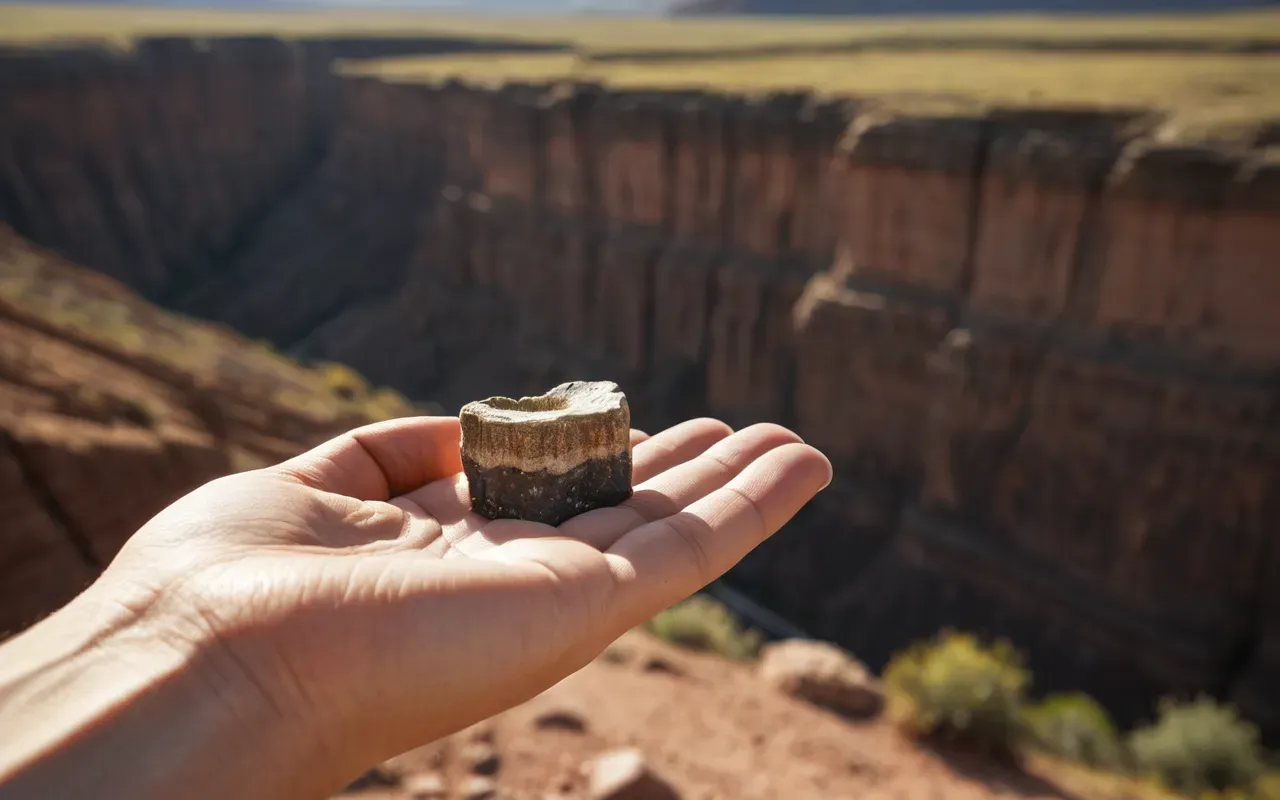
Look at a tooth. Just one small, yellowed fragment buried in the dark earth for millennia. Most people would brush it off as trash. But to archaeologists working on the latest findings released earlier this year, these tiny objects are screaming secrets about our ancestors that stone tools simply cannot tell us.
I was struck by how completely this new study flips the script on what we think we know about prehistoric life. For decades, historians have relied heavily on durable artifacts like bones and stone weapons to reconstruct ancient narratives. Yet those items only show us the end result of a hunt or a meal.
The recent analysis detailed in October 2025 focuses on enamel wear patterns and isotopic signatures found inside ancient antelope teeth. This data provides a microscopic window into daily survival strategies that were previously invisible to science.

Here is the thing that really gets me. We often imagine early humans as passive observers of nature who simply took what they could find. The wear patterns on these teeth suggest a much more aggressive and calculated approach to resource management.
The preservation quality of these specific samples was exceptional. Minimal post-depositional damage meant researchers could see microscopic scratches and pits that correspond directly to tool use. This level of detail is rare in the field.
Reading The Microscopic Clues
Microscopy revealed specific types of damage that only occur when stone tools slice through tough connective tissues near the jaw. This indicates that early humans were not just eating raw meat dropped by scavengers.
They were actively butchering. The precision required to leave such marks suggests a high degree of skill and planning. It implies that food processing was a communal activity requiring coordination rather than individual opportunism.
And let us not forget the isotopic data. By analyzing carbon and nitrogen levels trapped in the enamel during its formation scientists could reconstruct the exact diet of these animals over their lifetimes.
This tells us what plants the antelopes ate. Which in turn tells us about the climate conditions at the time. It creates a complete environmental snapshot that stone tools alone could never provide.
Connecting To The Gobeklitepe Timeline
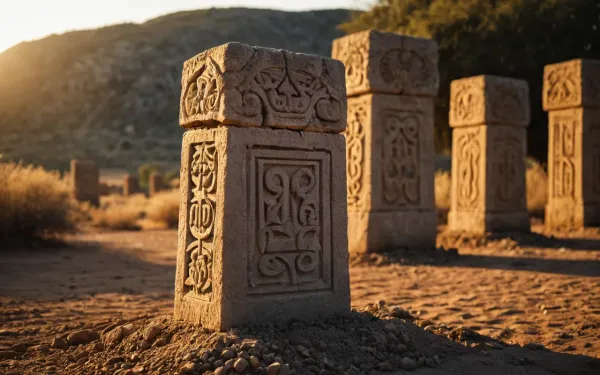
Consider the implications for sites like Göbekli Tepe. If you are following how new stone finds rewire our understanding of history, you know that social complexity in this region emerged earlier than expected.
These teeth support the theory that large-scale gatherings required sophisticated food logistics. You cannot feed hundreds of people without organized hunting and butchering strategies.
The evidence points to a society that understood seasonal migration patterns intimately. They knew when antelopes would be fatted and vulnerable. This knowledge was likely passed down through generations.
Hunting Strategies We Never Suspected
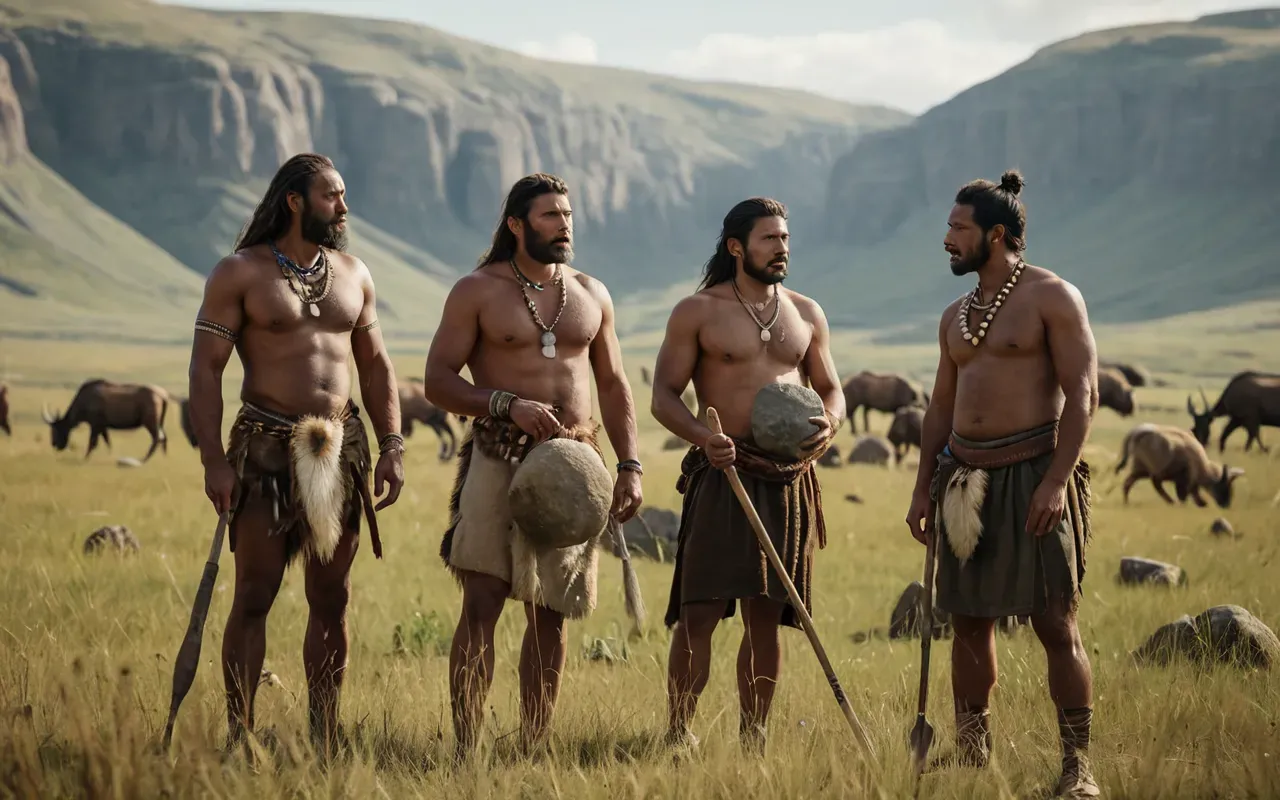
The wear patterns tell a story of coordinated action. Some teeth show signs of stress fractures consistent with being trapped or cornered by groups rather than chased individually.
This challenges the lone wolf hunter narrative. Early human success depended heavily on teamwork and communication skills that must have been highly developed.
Isotopic evidence also suggests that humans adapted their diets based on availability. When certain plant foods became scarce they increased reliance on meat resources significantly.
This flexibility allowed them to survive periods of environmental stress that might have wiped out less adaptable species. It shows remarkable resilience in the face of changing climates.
Tool Technology Advancement
The precision of the cuts implies sharper and more durable tools than previously attributed to this era. This pushes back our timeline for technological innovation.
We need to rethink when humans developed specialized butchering kits. These were not just general-purpose stones used for everything.
Each tool had a specific purpose. Some were designed specifically for cutting sinew while others handled bone cracking efficiently. This specialization required advanced cognitive abilities.
Rethinking The Timeline Of Innovation
Traditionally we thought complex tool use emerged much later alongside settled agriculture. But these teeth prove otherwise.
Hunter-gatherers possessed sophisticated technology long before they built permanent homes. This changes how we define progress in human history.
Social Structures Hidden In Bone Chemistry
The way carcasses were processed gives clues about social hierarchy. Certain cuts of meat show signs of careful preservation suggesting they were saved for leaders or elders.
This indicates an organized distribution system. Not everyone got equal shares of the best cuts. Status mattered even in prehistoric times.
Feasting likely played a central role in community bonding. Large gatherings would require massive amounts of food prepared quickly.
The teeth show evidence of rapid consumption periods followed by long gaps. This pattern aligns with seasonal feasts rather than daily subsistence hunting.
Community Bonding Through Food
Sharing meat was probably a key ritual. It reinforced social ties and established trust among group members who may not have been related by blood.
This kind of cooperation is essential for survival in harsh environments. Individuals who could not work together would have struggled to compete.
The isotopic data supports this view by showing consistent diets across different individuals within the same occupation layers.
Everyone ate similarly which suggests equitable resource sharing despite potential hierarchical differences in cut quality.
Environmental Reconstruction From Dental Data
Isotopes act as chemical time capsules. They record the types of plants consumed which reflects broader ecological conditions.
Researchers found evidence of diverse vegetation including grasses and shrubs indicating a mixed landscape rather than uniform desert or forest.
This diversity supported varied wildlife populations which in turn provided stable food sources for early humans.
Climate fluctuations are clearly visible in the data. Drought periods correspond with shifts towards more drought-resistant plant species.
Human Adaptation To Climate Change
Early humans adjusted their hunting grounds to follow migrating herds. This mobility was crucial for maintaining access to resources.
Settlement patterns likely shifted seasonally. Permanent bases were probably limited to key locations offering strategic advantages.
This nomadic lifestyle allowed them to exploit multiple ecological zones without depleting any single area completely.
Implications For Modern Archaeology
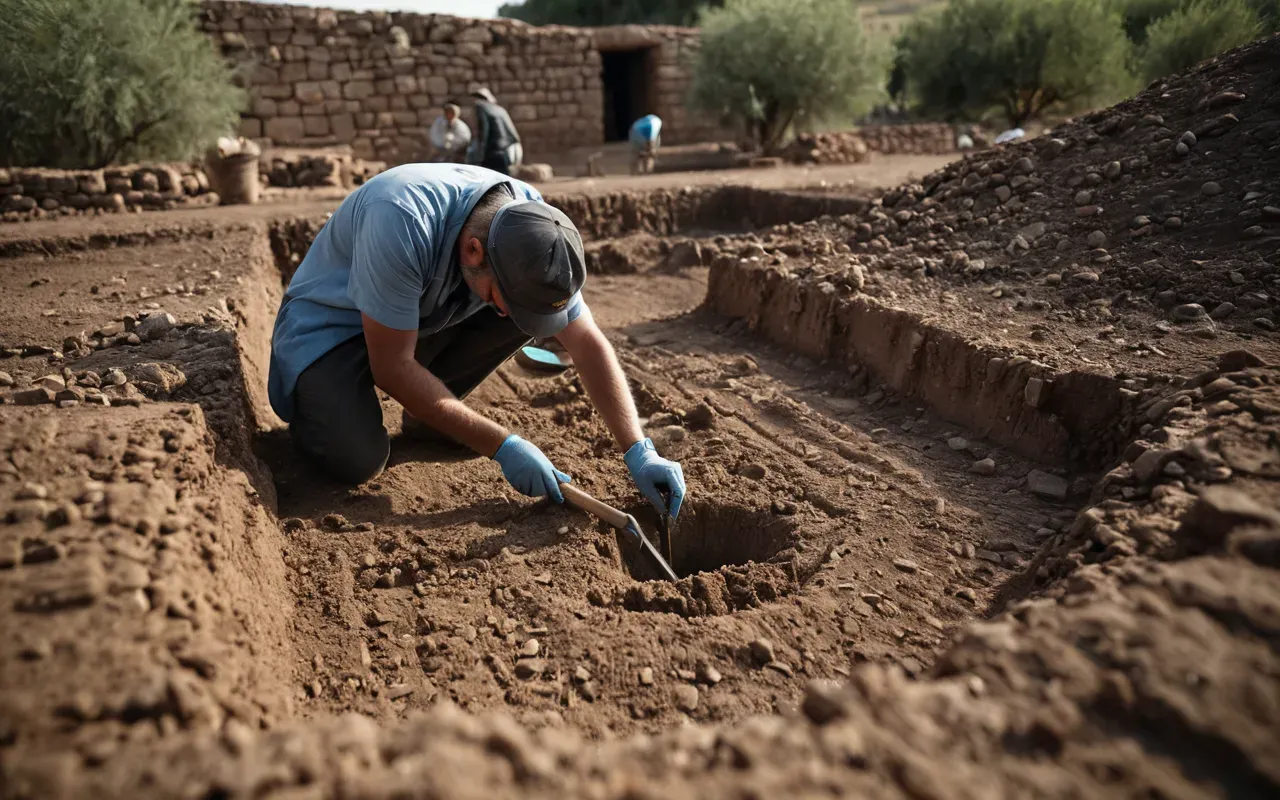
This study forces us to reconsider what evidence we prioritize. Small organic materials often discarded in past excavations may hold vital information.
Future digs must include comprehensive sampling of all biological remains not just large bones or stones.
Interdisciplinary collaboration is key. Dentists paleontologists and archaeologists must work together to unlock these stories.
The success of this project demonstrates the power of combining traditional fieldwork with advanced laboratory techniques.
New Questions For The Field
What other secrets lie hidden in microscopic wear patterns? How widespread were these sophisticated butchering practices?
Did similar methods develop independently in different regions or spread through cultural exchange?
These questions open exciting avenues for future research. Every site potentially holds untold stories waiting to be decoded.
As technology improves we can expect even more detailed insights from seemingly insignificant artifacts.
Redefining Our Ancestral Narrative
We tend to view prehistory as a distant primitive past. But these teeth show remarkable sophistication in daily life.
Our ancestors were intelligent planners who understood their environment deeply. They adapted creatively to challenges.
This perspective humanizes them in ways that stone monuments alone cannot. It connects us to their everyday struggles and triumphs.
Understanding their resilience helps us appreciate the roots of our own societal structures and survival instincts.
The lessons from these tiny fossils remind us that progress is not always linear. Innovation can emerge in unexpected contexts.
By studying these details we gain a richer more nuanced view of where we came from.
It challenges simplistic narratives about human evolution and encourages deeper inquiry into complex behavioral patterns.
Ultimately these antelope teeth offer a profound glimpse into the ingenuity of early humans.
They prove that even in ancient times survival required skill strategy and cooperation.
This discovery reshapes our understanding of prehistoric life in meaningful ways that will influence research for years to come.
We must remain open to revising our assumptions as new evidence emerges from the depths of time.
The story written in bone and enamel is far from over. There are still many chapters waiting to be discovered.
Each new finding adds another layer of complexity to the human story we are all part of.
Let us cherish these insights as they bring us closer to understanding our true origins.