Controversies Surrounding Carbon Dating and Claims of 12,000 BC Origins
Controversies Surrounding Carbon Dating and Claims of 12,000 BC Origins
Turn on the television. Dim the lights. Watch as a gravelly voiceover intones that humanity's oldest temple was built by aliens or a lost advanced race. This is the standard script for any documentary covering Göbeklitepe. It feels thrilling. But it is also deeply wrong.
I have watched these programs countless times. They rely on a specific formula. Isolate the monument. Remove the people. Add mystery music. The result is a hollow shell of history that prioritizes shock value over substance. You walk away feeling like you know something secret. In reality, you have been sold a simplified fantasy.
The problem goes deeper than bad storytelling. These narratives actively distort our understanding of early human capability. By suggesting that hunter-gatherers could not build such structures without outside help or a sudden technological leap, the documentaries insult the intelligence and ingenuity of Neolithic peoples. We need to look closer at what is actually under the soil.
Look at the dates. Göbeklitepe emerged around 9500 BC. That is before agriculture in most places. It challenges our timeline. But it does not require aliens. It requires us to rethink how complex social organization works. The History Channel often skips this nuanced point because nuance does not sell ads.
What The Cameras Never Show You About The Builders
Let's talk about the people who actually lived here. They were not magical beings from another planet. They were hunter-gatherers. That is a key distinction that TV editors often blur or ignore entirely. These groups moved seasonally across the Anatolian plateau following game and wild grains.
Archaeologists have found evidence of feasting. Massive quantities of animal bones suggest large gatherings. This implies social cohesion on a scale we did not expect from mobile groups. The History Channel focuses on the stone pillars in isolation. It rarely shows the trash pits filled with goat horns and boar tusks that tell the real story.
The Reality Of Neolithic Labor And Organization
Building these T-shaped limestone pillars required skill. It also required coordination. You cannot move a ten-ton stone alone. The documentary narrative often implies that only settled farmers could organize such labor. This is a false premise known as the sedentism bias.
In reality, seasonal aggregation allows for massive workforce mobilization. When hundreds of families converge on one spot every year for a ritual or feast the labor pool becomes huge. The stones were likely moved using simple wooden sledges and rollers combined with sheer human effort over many years.
Think about the logistics. No metal tools. Just stone hammers and copper perhaps in later phases. The precision of the carvings is remarkable. Vultures foxes cranes are depicted with anatomical accuracy that rivals much later art styles. This shows deep knowledge of their environment not extraterrestrial technology.
Why The Alien Theory Is Intellectual Laziness
Here is the thing. Suggesting that aliens built Göbeklitepe denies human agency. It suggests that early humans were too dumb to organize complex projects. This is a colonial mindset dressed up as entertainment. The reality is far more impressive because it belongs entirely to us.
Human ingenuity has always been underestimated by modern historians. We assume complexity requires cities and writing. Göbeklitepe proves that spiritual motivation can drive monumental architecture long before those developments occur. The TV shows miss this profound psychological insight every single time.
Consider the effort involved in quarrying. The limestone comes from local hills. Transporting it required planning weeks in advance. This level of foresight demonstrates sophisticated cognitive abilities that are distinctly human. We do not need to invent imaginary visitors to explain it.
Debunking The Instant Construction Myth
Many viewers believe the site was built quickly. This is impossible given the preservation techniques and stratigraphy layers visible today. The construction spanned centuries. It evolved over time as beliefs changed. A slow organic growth pattern contradicts the sudden appearance narrative favored by sensationalist edits.
How Mainstream Media Distorts Archaeological Evidence
Documentaries thrive on conflict. They present conflicting theories as equally valid even when one side is pure pseudoscience. This false balance confuses the public audience significantly. You end up thinking that mainstream archaeology is just another guess rather than a rigorous scientific method.
Real science involves testing hypotheses against data. If carbon dating says one thing and a fringe theory says another the data wins every time. TV producers often ignore this hierarchy of evidence because facts are boring compared to speculation about ancient astronauts or lost continents.
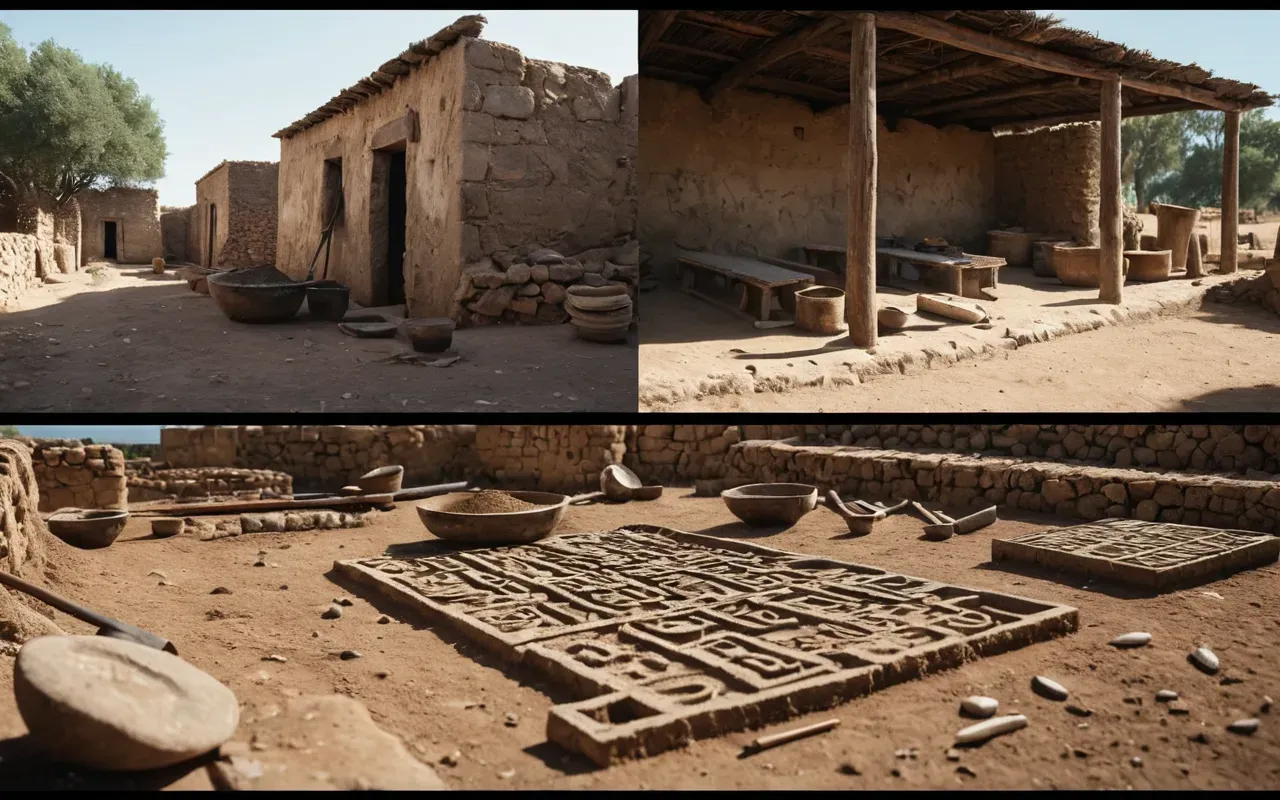
I have noticed a pattern in these shows. They use dramatic reenactments that feature actors wearing generic tribal clothing while standing next to CGI reconstructions of the site looking brand new and white. The actual site is buried under meters of earth mostly for preservation purposes.
The Power Of Selective Editing In Historical Narratives
Editing shapes perception more than content does. By cutting out interviews with conservative academics who emphasize gradual development and instead highlighting radical theorists the show creates a skewed reality. This technique manipulates viewer understanding without ever lying directly.
Think about what gets left out. The daily life of the builders is rarely shown. No scenes of grinding wild wheat or making flint tools. Instead we see sweeping drone shots accompanied by ominous music that suggests something supernatural occurred there. This emotional manipulation undermines factual learning.
The omission of context is deliberate. Context makes history relatable but less mysterious. When you understand that these people struggled against harsh winters and scarce resources their achievements become even more awe-inspiring precisely because they were human not divine.
Why Sensationalism Hurts Our Collective Memory
When media pushes fake mysteries it erodes trust in real science. People start doubting basic historical timelines because they have been conditioned to expect hidden truths behind every stone wall. This skepticism spills over into other areas of education and public discourse.
Reclaiming The Human Story Behind The Stones
We must return focus to the humans. Their stories are compelling enough without embellishment. The transition from foraging to farming began here or nearby and it was driven by social needs not just survival instincts. Religion may have catalyzed agriculture reversing traditional assumptions.
This reversal is huge for historians. It means belief systems shaped material culture profoundly early on. The History Channel rarely explores this theoretical shift because it requires explaining abstract sociological concepts rather than showing glowing artifacts under spotlights.
Reading Between The Lines Of Popular Documentaries
So how should you watch these shows? With critical eyes. Question every claim that seems too extraordinary to be true without massive supporting evidence. Look for citations or references to peer-reviewed journals in the credits section usually scrolled quickly at the end.
If no sources are listed assume the segment is entertainment not education. That does not mean it cannot be enjoyable. Just do not mistake production budget for historical accuracy. Big budgets often fund big lies when narrative demands override factual integrity.

Identifying Red Flags In Historical Programming
Watch for phrases like nobody knows or total mystery used repeatedly without explanation. Legitimate mysteries exist in archaeology but they are usually explained as gaps in current knowledge not proof of supernatural intervention. Be wary when experts speak vaguely about ancient wisdom.
Another red flag is ignoring counter-arguments. Real science debates vigorously within its community before publishing conclusions. Television often silences dissenting voices to maintain a singular dramatic arc necessary for tight runtime constraints typical of one hour episodes.
The Role Of Visual Spectacle Over Substance
Visuals dominate modern media consumption habits. Stunning CGI renders of reconstructed temples attract viewers instantly regardless of historical basis. These images stick in memory longer than dry lecture segments explaining stratigraphic layers or typological analysis methods.
This visual bias shapes public opinion in ways that are honestly a little frightening. Viewers believe what they see, even when it flat-out contradicts textual information presented earlier in the same program. Our brains process images faster than words—much faster—which makes us susceptible to misleading imagery designed purely for aesthetic impact. We don't stand a chance against a striking visual, and producers know it.
Understanding Cognitive Biases In Historical Perception
We naturally crave patterns and meaning. So when faced with unexplained monumental structures, our minds jump toward intentional design, requiring advanced planning capabilities beyond perceived norms for that era. This cognitive bias fuels conspiracy theories surrounding sites like Göbeklitepe. It's a shortcut our brains take, and it's remarkably hard to resist.
Combating Misinformation Through Critical Thinking Skills
Developing media literacy skills helps protect against false narratives. Ask questions about the funding sources behind productions. Check the credentials of featured experts carefully, verifying their actual research background versus general interest commentary roles—roles that are often confused by producers seeking recognizable faces rather than genuine specialists.
What We Actually Know About Göbeklitepe Today
Let's ground ourselves in verified data. Excavations led by Klaus Schmidt revealed multiple construction phases spanning over a millennium. Each phase shows distinct architectural styles and symbolic motifs, indicating evolving religious practices among local communities across generations. The evidence is layered and complex, not a single stroke of genius.
Intentional burial of structures marks a significant ritual practice unique in known prehistory. Why cover sacred spaces deliberately remains debated, but it suggests profound closure ceremonies honoring past traditions before moving forward into new cultural paradigms, possibly linked to agricultural shifts. The question is far from settled.
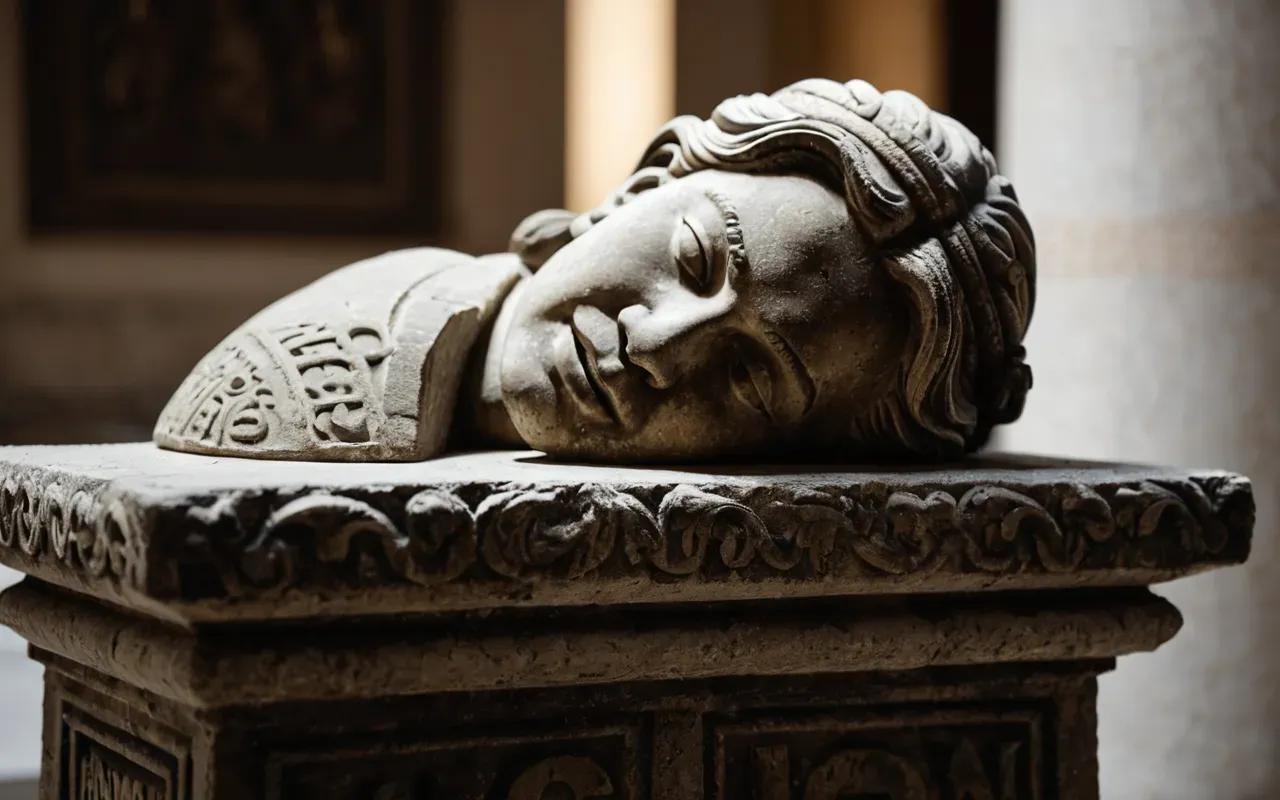
Recent findings include life-sized human statues carved from local limestone, providing rare insight into anthropomorphic representation during this period. These figures display stylized features distinct from animal reliefs, suggesting separate symbolic roles within a broader belief system framework. They're unlike anything else from the era.
New Discoveries Challenging Old Assumptions Regularly
Science progresses through continuous discovery. Every season at the site brings fresh insights, correcting previous errors or filling informational voids left by earlier expeditions limited by technology available decades ago when initial surveys took place under difficult field conditions. We're still learning, and that's the point.
Advances in dating methods, such as optically stimulated luminescence, allow precise chronological mapping of sediment layers surrounding key artifacts. Previously, these were dated roughly using less accurate radiocarbon techniques prone to contamination issues affecting reliability estimates significantly. Now we can pin things down with far more confidence.
Interdisciplinary collaboration strengthens conclusions drawn from physical remains. Zoologists analyze bone fragments, revealing dietary habits, while botanists identify pollen samples indicating local vegetation changes correlating with climatic fluctuations recorded in ice cores elsewhere globally. Each field brings its own piece to the puzzle.
Integrating Multiple Scientific Disciplines For Accuracy
Complex problems require diverse expertise. Combining geological survey data with anthropological interpretation yields richer narratives than single discipline approaches ever could achieve independently. Each specialized field has inherent limitations within its own methodology, and only by working together do those limitations start to fade.
Public Access To Ongoing Research Findings Improves Transparency
Digital archives now host high-resolution scans of excavated items, allowing global access beyond restricted museum collections typically viewed only by select visitors traveling great distances specifically for this purpose alone. That limits educational reach considerably compared to online availability, which is now transforming who gets to study these objects.
Preserving Heritage Against Commercial Exploitation Threats
Mass tourism poses risks to fragile heritage sites worldwide. Unregulated foot traffic damages surfaces irreparably over time, necessitating strict visitor management policies enforced by authorities responsible for maintaining structural integrity alongside protecting cultural significance embedded within every stone placed carefully there. It's a delicate balancing act.
Education programs aim to inform tourists respectfully about proper behavior guidelines, reducing accidental harm caused by ignorance regarding delicate conservation needs essential for long-term preservation efforts. These efforts are funded partially through ticket sales revenue generated by responsibly managed infrastructure investments. It's a circular system, but it works.
Supporting Ethical Tourism Practices Globally Moving Forward Together
Travelers play crucial roles in sustaining economies dependent upon heritage tourism income streams vital for funding further archaeological investigations needed to uncover additional layers hidden beneath current surface levels. Those layers are waiting patiently to share their secrets with curious minds eager to learn truthfully. And they will, given time.
Choosing ethical tour operators committed to minimizing environmental impact maximizes positive contributions made towards sustaining both natural landscapes surrounding these remarkable locations plus supporting local communities benefiting directly from sustainable development initiatives promoted actively throughout the region. Your choice of operator matters more than you'd think.
Encouraging Responsible Engagement With Historical Sites
Visiting historical landmarks offers profound personal growth opportunities, connecting individuals across millennia and sharing common human experiences that transcend temporal boundaries separating past from present. Moments lived fully appreciate the depth and richness contained within tangible remnants left behind intentionally. There's something humbling about standing in a place that old.
Fostering Global Awareness Through Shared Cultural Heritage Appreciation
Recognizing universal values expressed through diverse cultural expressions helps bridge divides, promoting mutual understanding and respect among peoples separated geographically and linguistically, yet united fundamentally by shared desires to seek meaning and purpose in existence. We're all exploring origins collectively, building futures together.
Ultimately, rejecting sensationalist myths empowers us to embrace authentic history rooted in evidence-based reasoning. We celebrate true accomplishments achieved through perseverance, innovation, and creativity displayed abundantly throughout recorded annals of humanity striving continuously to improve conditions facing challenges encountered along the way. That's a story worth telling.
By prioritizing factual accuracy over dramatic flair, we honor those who came before, ensuring their legacies endure accurately represented for future generations. We inherit the responsibility of stewardship dutifully, protecting, preserving, and cherishing treasures unearthed tirelessly by dedicated professionals working diligently behind the scenes. They deserve that much.
Frequently Asked Questions
Why do documentaries claim aliens built Göbeklitepe?
Documentaries often use alien theories to create sensational narratives that attract viewers. This approach ignores archaeological evidence showing human construction techniques and social organization capable of building the site without supernatural intervention. The humans of that era were more capable than we give them credit for.
Is Göbeklitepe really older than Stonehenge?
Yes, Göbeklitepe dates back to approximately 9500 BC, making it significantly older than Stonehenge, which began construction around 3000 BC. This chronological difference highlights earlier monumental building capabilities in Anatolia compared to European sites. The gap isn't small—it's thousands of years.
How can I verify claims made by TV shows?
Check for citations in program credits and research expert credentials online. Cross-reference statements with peer-reviewed archaeological journals or university publications to distinguish between entertainment speculation and scientifically validated historical findings. It takes a few minutes, but it's worth the effort.
Who originally discovered the site?
The site was first identified in the 1960s, but major excavations began later under archaeologist Klaus Schmidt starting in 1995. His work revealed multiple construction phases and intentional burial practices, transforming understanding of Neolithic society. Before him, we had no idea what we were looking at.
Can tourists visit Göbeklitepe today?
Yes, visitors can tour protected areas of the excavation site. Access is regulated to preserve delicate structures and artifacts while providing educational opportunities about early human civilization development through guided experiences emphasizing historical context. It's not a free-for-all, but it is accessible.
For the full overview, see scientific analysis of Göbeklitepe.
Related in this series: age of Gobeklitepe temple complex, Neolithic rituals at Gobeklitepe site.