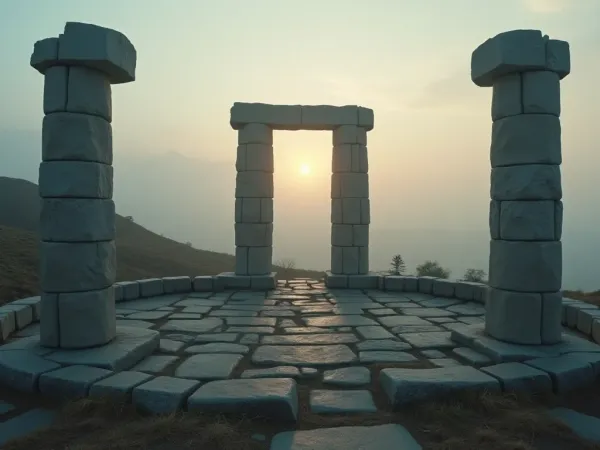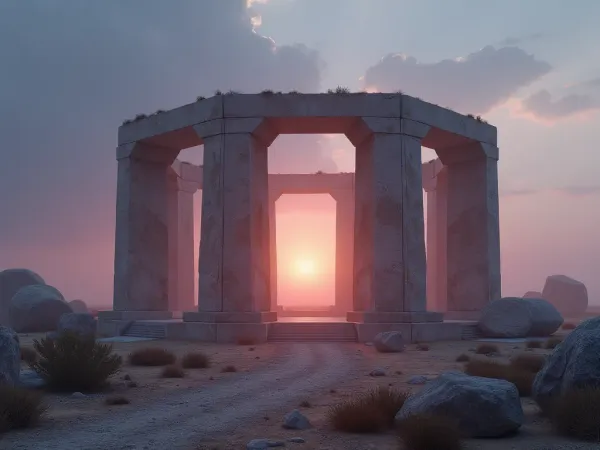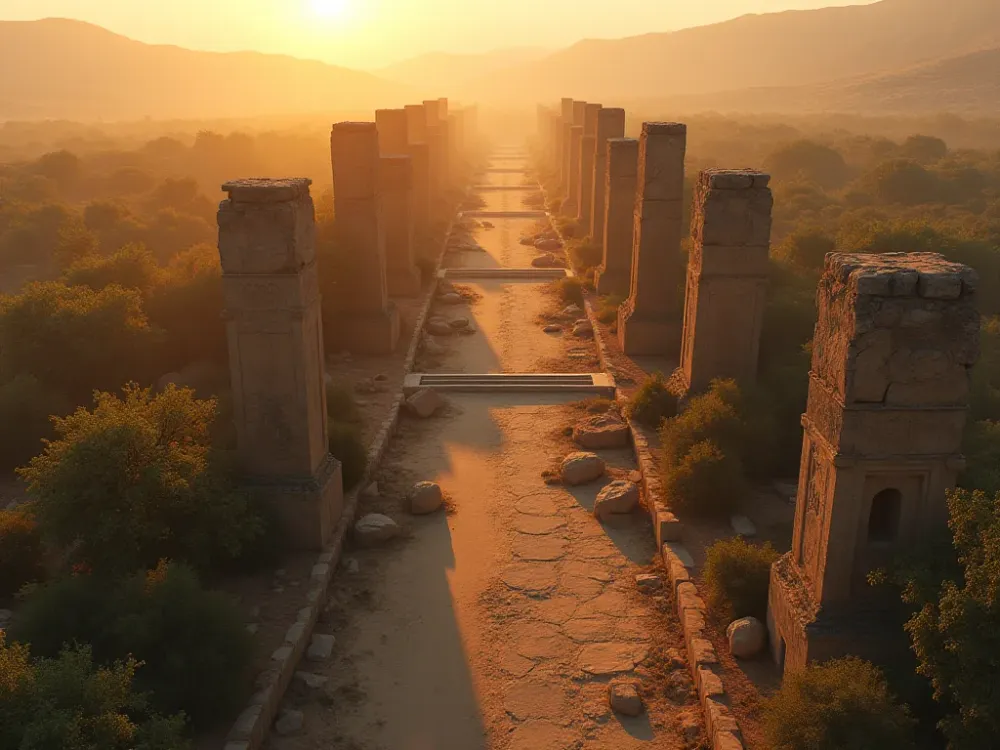
Drone footage reveals why Göbeklitepe actually matters more than you think
The View From Above Changes Everything About History
I watched the drone footage twice. First time? Pure spectacle — ancient stones dropped into green fields. Second time, I was trying to figure out what we're actually looking at.
Most people see a ruin. I see a deliberate architectural choice, made by humans twelve thousand years ago.
This isn't just another site on a long list. It's the one that forces us to rethink when humans started building complex spaces.
Why Aerial Shots Expose The Scale Of These Ancient Projects
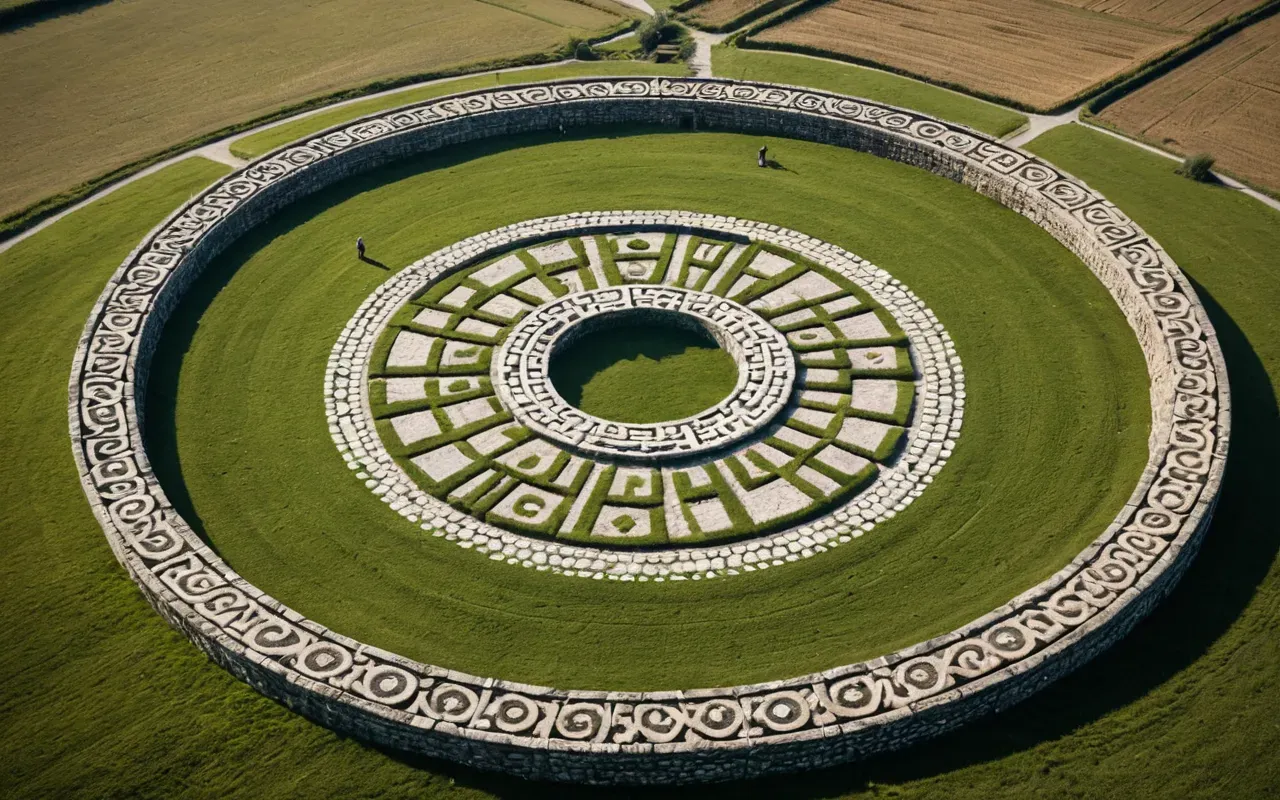
Walking through a place like this is impressive, sure. But the drone footage strips away the ground-level distraction and shows you the true geometry.
The circles aren't random. They sit in a planned arrangement — one that suggests coordinated labor and shared purpose.
To me, that's the real story. Not just big stones. A community organizing enough people to move them.
The Big Question Nobody Talks About Enough
We assume farming came first. Then people settled down. Then they built big things.
This site flips that order. Here, massive structures exist before any clear evidence of stable agriculture.
If that's true, building wasn't a result of farming. It might have been the reason people started staying in one place.
What The Stones Tell Us About Early Human Beliefs
The T-shaped pillars are the most striking detail. They look like stylized figures with arms outstretched.
Some researchers see ritual markers. I think they're more than that. They feel like identity anchors for a group.
If you're curious about how these structures might have shaped early social life, this discussion of domestic versus ritual spaces gives a useful counterpoint to the usual framing.
What The Drone Footage Misses On Purpose
The video is beautiful. But it strips away the ground-level context that matters most to researchers.
You don't see the tool marks on the stone edges. You don't feel the weight of a single pillar in your hand.
That's where the real story lives. In the small details that only close inspection reveals.
Why This Changes More Than Most People Realize
If building came before farming, then the idea that agriculture created civilization needs a serious rethink.
It also changes how we see human motivation. We're not just reacting to food supply.
We may have been driven by meaning. By story. By the need to mark a place as ours.
The Practical Implications For How We Teach History
Most school timelines start with farming. This site suggests that might be backwards.
I think teachers should show students the aerial footage first. Let them see the scale before they hear the labels.
Then ask what kind of group would do that. That question does the heavy lifting for them.
The Hidden Argument In The Stone Placement
Look at the spacing. It isn't uniform. Some circles are close together. Others stand apart.
That suggests different phases of construction. Or different groups using the same space over time.
Either way, it points to a long-term relationship with the land. Not a one-off project.
What We Still Do Not Know About These Builders
We have no written records. No names. No dates beyond radiocarbon ranges.
So every interpretation is an inference. And that makes the site both more frustrating and more fascinating.
I think that's the real appeal. It forces us to admit what we don't know.
The Bigger Story This Site Tells About Human Nature
We like to think we became complex slowly. That culture grew out of necessity.
This site says we were doing it early. And deliberately.
That's a humbling thought for anyone who thinks modern life invented the need to build meaning.
For a deeper look at how these structures challenge standard narratives, this piece on pre-agricultural builders is worth your time.
Final Thoughts On Watching History From The Sky
The drone footage isn't the whole truth. But it's a powerful way to see what we've been missing.
It turns a list of ruins into an argument about who we were before we thought we knew ourselves.
And that's a story worth watching more than once.