The Drought Uncovered A Kings Road And It Suggests Our History Is Much Older Than We Thought
The Ocean Is Pulling Back And Revealing Secrets We Were Not Ready For
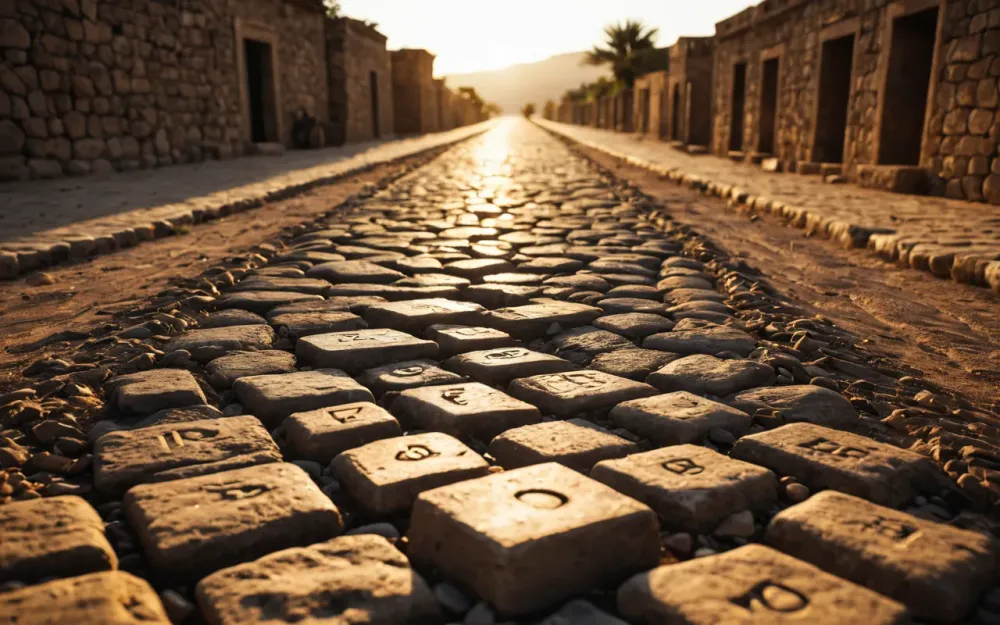
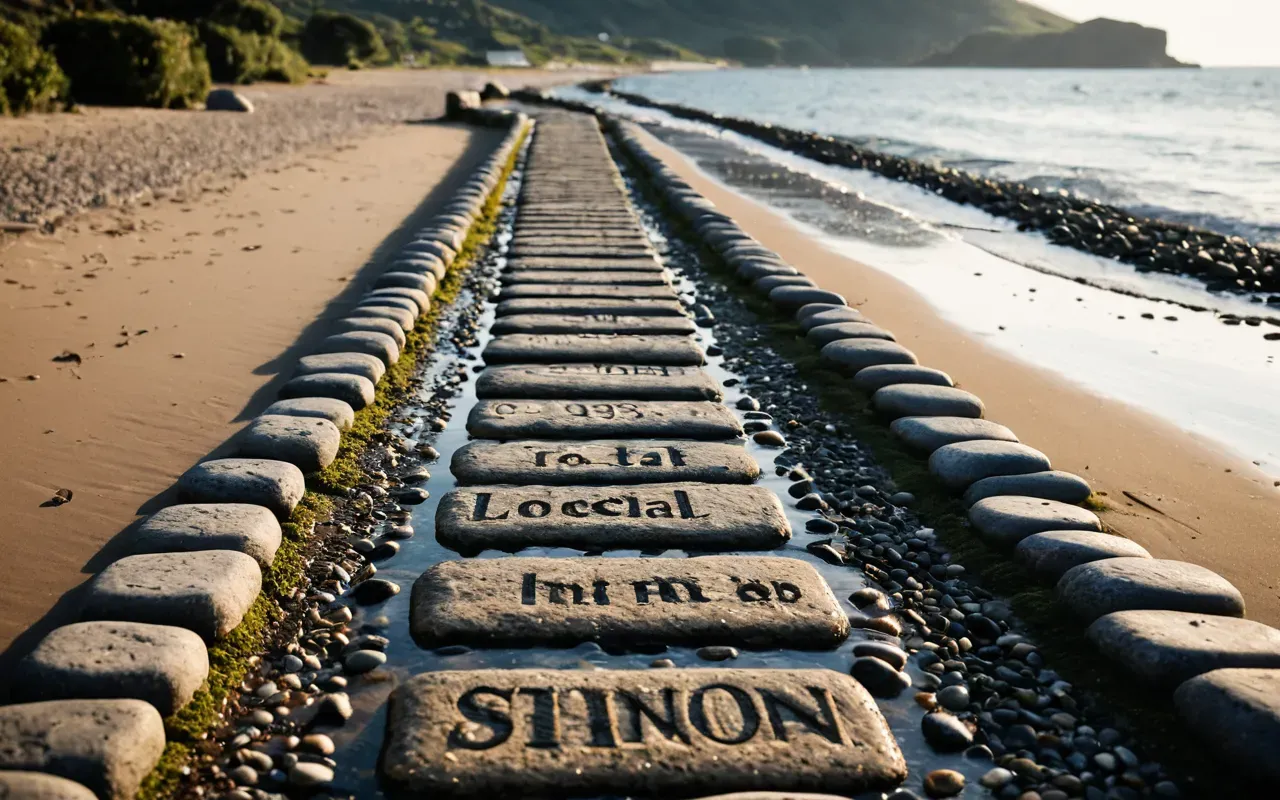
Imagine standing on a beach in Bodrum. The water is gone. Instead of sand or waves you see stone blocks. They are perfectly cut. They form a path. This happened recently. The sea receded due to drought. A 3,500-year-old road emerged from the depths.
This is not a movie scene. It is reality in Muğla province. The road connects to Tavşan Island. Archaeologists call it the King's Road. It leads to Myndos. An ancient city lies there now. But how did we get here? And why does this matter to you?
The implications are massive. We thought these roads were lost. They drowned centuries ago. Now they breathe air again. But there is a catch. The cause of exposure is grim. Climate change drives this reveal. Water scarcity threatens the region.
Why This King S Path Is Not Just A Curiosity But A Warning Sign
Look at the bigger picture. This road is just one example. Lower water levels expose history everywhere. In Iraq reservoirs dropped. Burial sites appeared there too. It happens fast. And it keeps happening.
I find this deeply unsettling. We celebrate the discovery. Then we ignore the cause. The Aegean Sea is drying up. Marine life suffers. Local economies depend on fishing. When the water goes so does their livelihood.
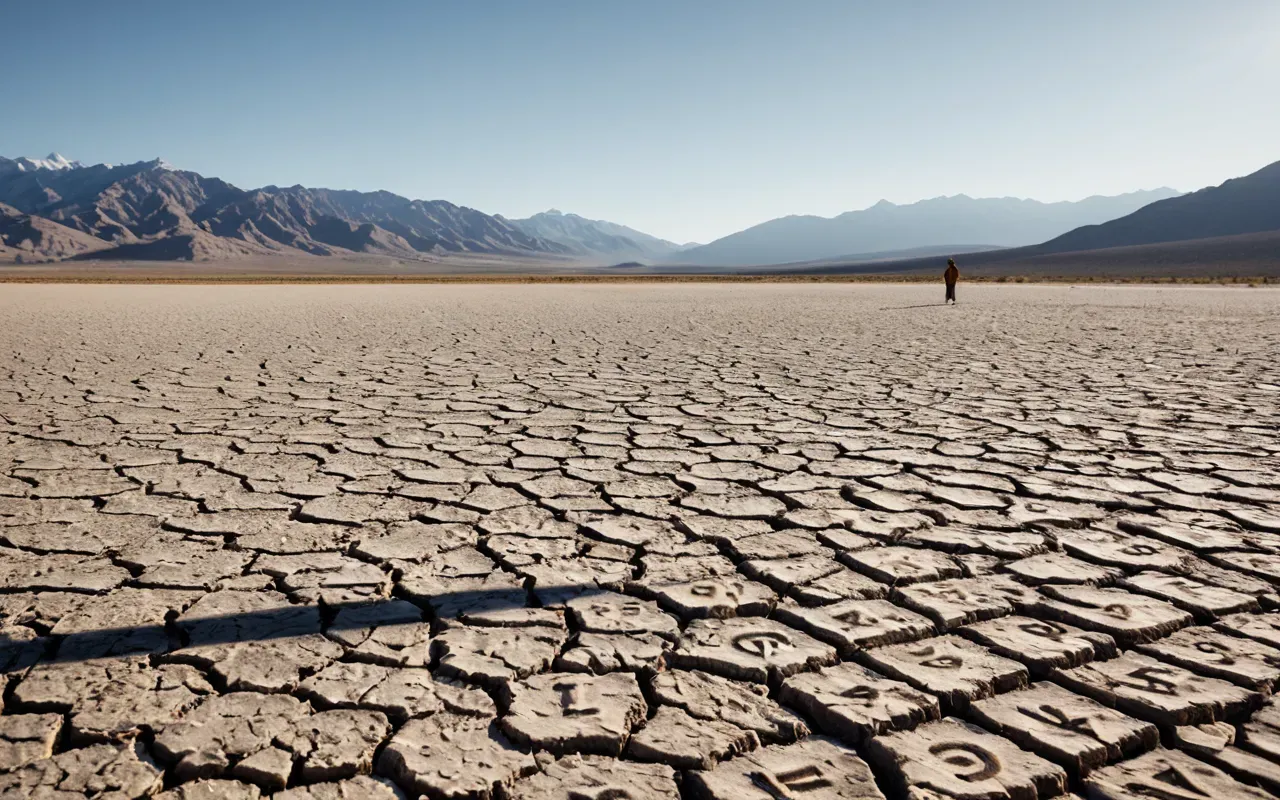
Turkey faced historic drought in 2025. Lakes continue to dry up today. The situation worsens with time. Global temperatures rise. Extreme weather becomes the norm not the exception.
So who wins here? Archaeologists get data. Tourists see wonders. But locals lose resources. This trade-off feels wrong. We cannot ignore the cost of these revelations.
The Hidden Cost Of Unearthing Ancient Wonders In Modern Times
Water bodies sustain ecosystems. They provide food and drink. They protect against storms. When they fail communities suffer greatly.
The European Union notes the risk clearly. Mediterranean marine life is under threat. The local economy relies heavily on fisheries. Drought disrupts this balance completely.
We see similar patterns globally. History books change as water drops. But at what price? We must ask ourselves this question honestly.
Connecting The Dots Between Myndos And Our Oldest Known Sites
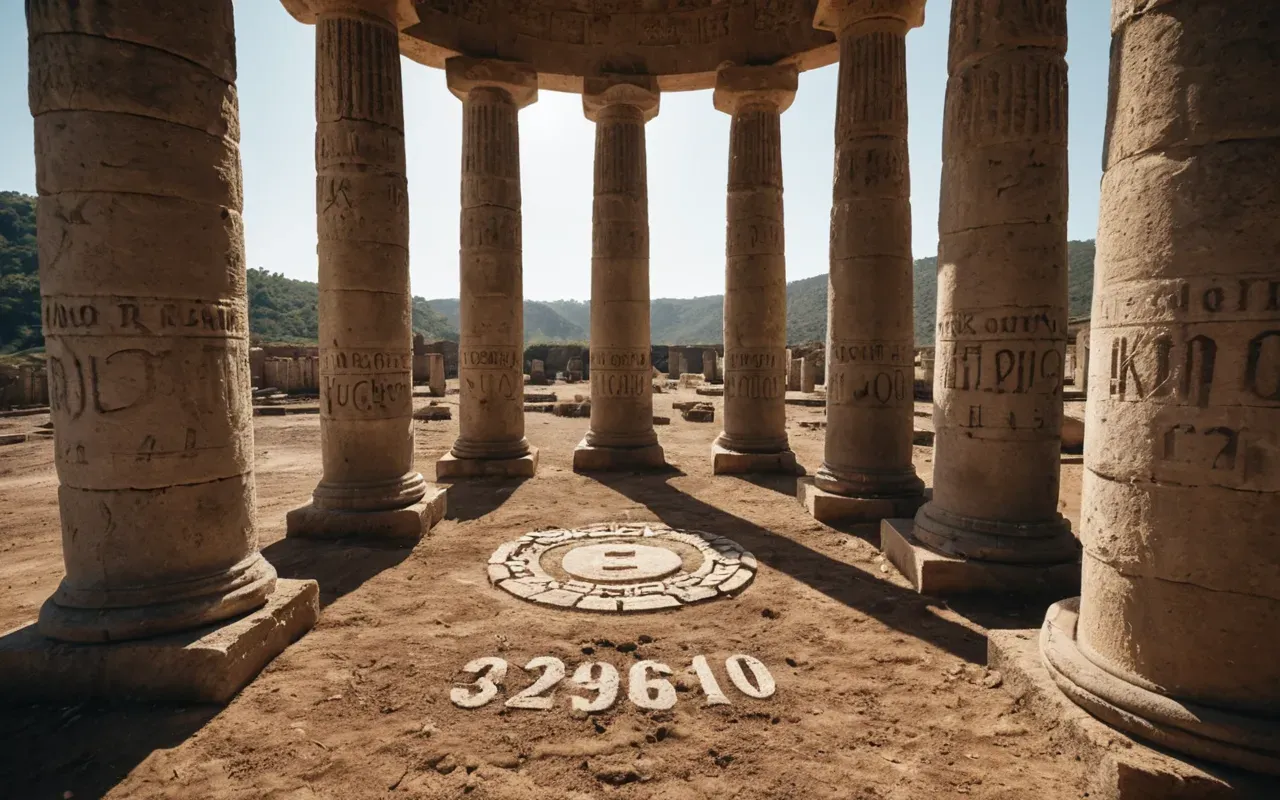
This story ties back further. Just months before this road appeared another find shocked us. An 11,000-year-old structure linked to Göbeklitepe emerged nearby.
Göbeklitepe changes everything we know. It predates farming by millennia. Builders had no cities or tools yet they constructed massive temples.
The Shocking Truth About How Göbeklitepe Was Really Built reveals the complexity. These people organized labor without writing or wheels.
Why does this matter now? Because it shows our timeline is wrong. Civilization did not start with farms. It started with belief and community.
The King's Road reinforces this view. Ancient networks existed long before recorded history. People connected across distances using sophisticated infrastructure.
Rethinking Our Understanding Of Early Human Migration Patterns
Think about early humans for a moment. We assumed they were isolated tribes. That assumption seems flawed now.
The Ocean Wasn't A Barrier It Was Their Highway And We Got History Wrong explains this shift. Maritime routes connected distant groups.
The King's Road proves connectivity. It linked land to island settlements. Trade and ideas flowed freely along these paths.
This challenges textbook narratives significantly. We need new models for understanding prehistory. Old frameworks simply do not fit the evidence anymore.
How New Discoveries Force Us To Rewrite Ancient Timelines Completely
Consider the implications carefully. If roads existed then complex societies likely did too.
Why Your History Textbook Is Wrong About How Civilization Actually Began dives deeper into this debate. It questions established dogmas.
We see patterns repeating themselves. First Göbeklitepe shocked us. Now underwater roads appear regularly.
Each find adds another piece to the puzzle. The picture emerging is one of advanced early connectivity.
It forces us to rethink progress itself. Technology was not the only driver of civilization development.
The Paradox Of Climate Change Acting As Both Destroyer And Revealer
Here is the thing that bothers me most. We get answers while losing stability.
Drought exposes ruins beautifully. It also destroys ecosystems tragically. These two outcomes happen simultaneously every day.
Archaeologists face an ethical dilemma here. Do we document what emerges quickly? Or do we focus on preservation efforts?
Türkiye Is Spending Millions On Ancient Ruins And It Might Actually Be A Trap For Modern Tourism highlights this tension.
Restoration costs soar as damage increases. We spend millions fixing what nature breaks down.
Assessing The Long Term Impact On Regional Heritage Conservation Efforts
Conservation becomes harder each year. Rising temperatures accelerate decay processes.
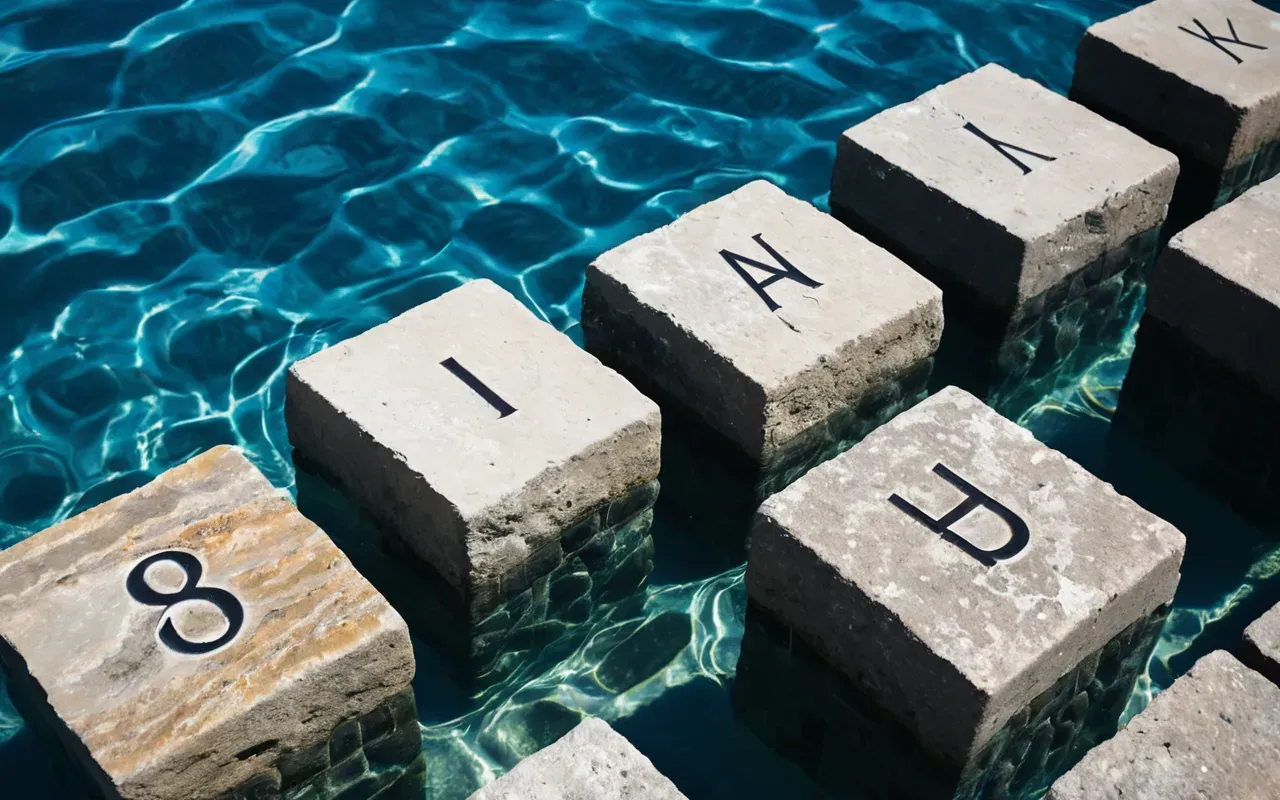
Salt crystallization damages stone surfaces rapidly. Fluctuating water levels cause erosion cycles that wear away details permanently.
We must adapt our strategies urgently. Traditional methods fail against modern climate pressures effectively.
Innovation is key to survival here. New materials and techniques offer hope for preservation workers globally.
The stakes could not be higher today. Losing these sites means losing part of ourselves forever.
What This Means For Your Understanding Of Human History Today
You might feel overwhelmed by all this information. That is completely normal given the scale of change happening right now.
The ancient stones at Göbeklitepe hide a secret that completely flips how we measure human progress offers clarity amidst confusion.
History is not static. It evolves with every new discovery we make together as a species searching for truth.
The King's Road teaches us humility. Our ancestors built remarkable things without modern technology helping them along the way.
We stand on their shoulders literally and metaphorically. Every step forward builds upon foundations laid thousands of years ago.
Remember this next time you walk on pavement. Someone else paved the way before us long ago.
Looking Ahead At Future Discoveries In A Changing World Landscape
What comes next remains uncertain. More sites will likely emerge from shrinking waters soon enough.
Why the 2026 Berlin Gobeklitepe Exhibit Will Shock Archaeologists previews upcoming revelations.
Museum exhibits showcase artifacts beautifully. They connect past achievements with present audiences globally.
Education plays a vital role here too. Sharing knowledge inspires future generations to protect heritage sites properly.
We have a responsibility to act now. Ignoring the signs leads only to regret later on down the road.
Let this story inspire you. Not just curiosity but action toward preservation goals worldwide today.
Final Thoughts On Balancing Discovery With Environmental Responsibility Now
Balance is difficult to achieve. We want answers but also need stability.
The Man Who Dared To Say Religion Came Before Farming explores philosophical dimensions.
Belief systems shaped early societies profoundly. Understanding them helps us appreciate modern contexts better too.
This journey continues unfolding daily. Stay curious and engaged with emerging stories around you everywhere.