A single elephant tooth just exposed a massive blind spot in how we teach ancient human migration
The tooth that broke the dry desert myth
Picture the ancient Near East. Most of us see sand — endless, empty, brutal. Early humans huddling by one river, crouching under a punishing sun. Yeah, that image is about to fall apart.
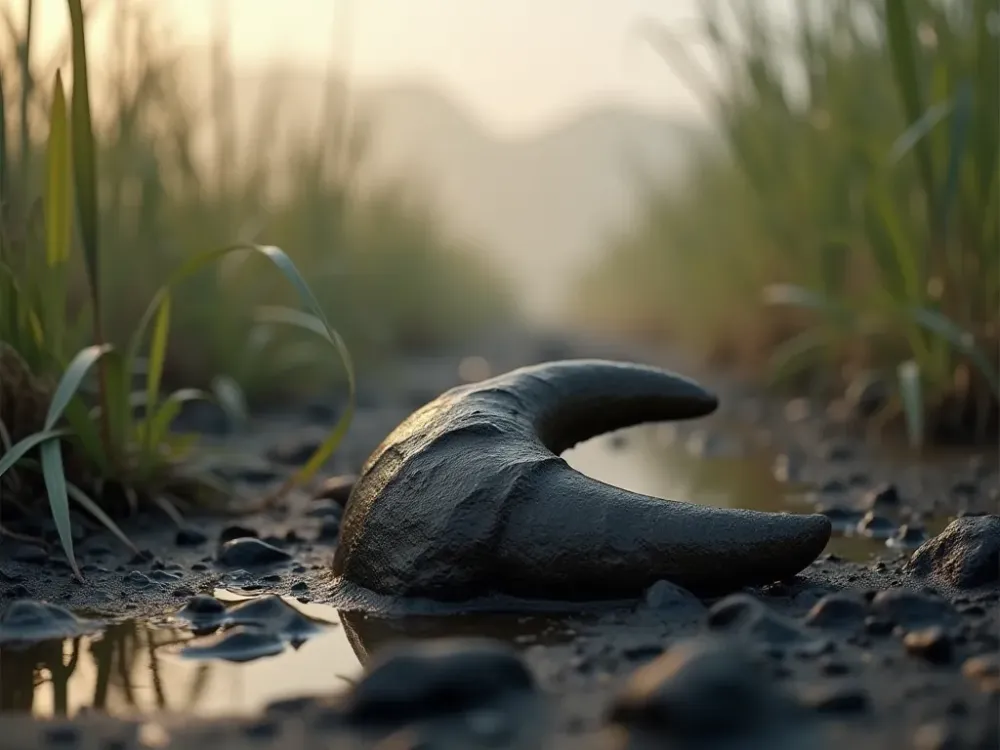
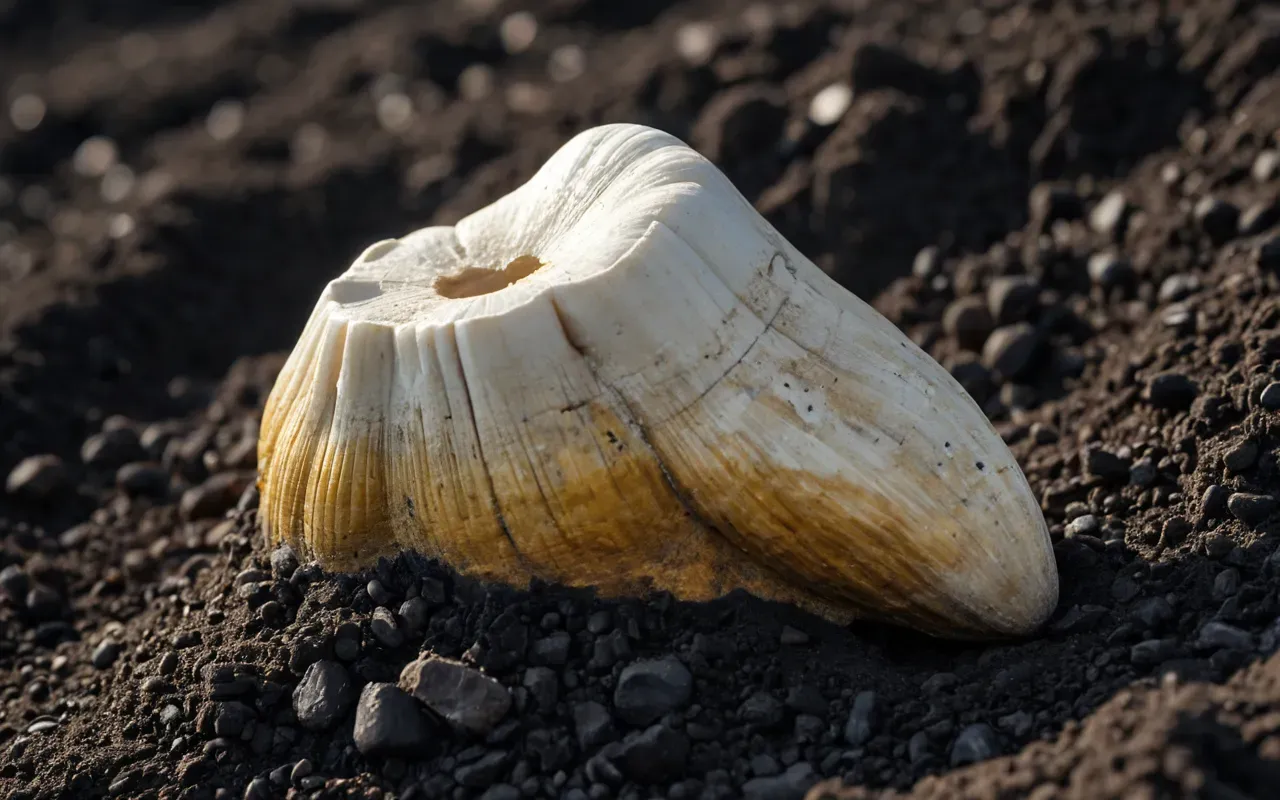
A remarkably preserved molar from a giant straight-tusked elephant just blew that story open. Researchers at Haifa University and Tel-Hai University analyzed the tooth alongside stone tools found in northern Israel.
What they found suggests a landscape far richer than anyone assumed. Not arid wasteland — instead, a lush network of wetlands, grasslands, and waterways that fed massive herds of animals.
Why this molar matters more than you think
The species is Palaeoloxodon antiquus. One of the largest land mammals ever to roam the Pleistocene. Imagine something with the bulk of a modern Asian elephant, but with tusks that curved straight upward.
Hannah Farrell and her team used CT scanning to look inside the tooth. They also studied microscopic wear patterns on the enamel. These techniques let scientists read an animal's lifetime diet almost like a book.
The data pointed to soft vegetation. So this elephant was browsing in woodlands, or grazing near marshes where plants stay green longer. Not scraping by on dry scrubland.
And here's where it gets critical for human history. If giant herbivores could thrive here, the environment had to be stable and resource-rich. That stability is exactly what would let early humans settle instead of just pass through.
The wetland corridor that changed everything
Pollen from the same sediment layers confirmed the picture. Abundant markers for wetland plants and trees that need consistent water. A long-lasting ecosystem of rivers and marshes.
This region formed part of the Levantine Corridor — a natural land bridge connecting Africa to Eurasia. For hundreds of thousands of years, it worked as a highway for migrating animals and hominin groups.
Think of it as a prehistoric superhighway. Reliable water and food meant fewer dead ends for traveling groups. If you were an early human moving north or south, this valley was your best bet.
Stone tools and the reality of daily life
The elephant remains turned up alongside cleavers and handaxes — classic Acheulian tools tied to early human populations. Their presence confirms hominins were active in this specific wetland environment.
Prof. Gonen Sharon from Tel-Hai University led the excavation at the GBY-NBA site. He stresses that understanding these ancient interactions helps us see how our species adapted to changing climates.
The tools suggest a community that knew how to process large animals. You didn't need to hunt alone out in the open when you had water sources and dense vegetation for cover.
This shifts how we view the Acheulian period. It wasn't just about making sharp rocks to survive a hostile world. It was about mastering complex ecosystems that offered predictable resources.
What this means for our understanding of history
We often talk about ancient sites like Göbeklitepe when discussing early human organization. If you are interested in how these early societies built their first structures, check out the workshop that erased our assumptions.
The elephant tooth adds a layer to that story. It shows the ecological base these early humans thrived on, long before they started building monumental architecture.
Rivers and wetlands weren't just backdrops. They were the engine of survival. Without them, no surplus food, no stable population growth, and eventually no complex society.
If you thought the story of early human life was simple, this discovery says otherwise. It's a tangled web of biology, geology, and behavior that we're only now starting to untangle.
The ripple effect on archaeological theory
It also challenges the idea that early humans were constant nomads. The stability of this wetland corridor suggests they could have set up semi-permanent camps for generations.
And it highlights inter-species relationships. Humans and elephants shared this space for thousands of years. That coexistence shaped how both species evolved in the region.
We're looking at a snapshot of the Pleistocene. Not just an era of ice ages and scarcity. There were pockets of incredible abundance that let life flourish in unexpected ways.
Why the Hula Valley is a key site
The Hula Valley region in northern Israel has long been a hotspot for paleoanthropology. The water sources there created oases that drew in both prey and predators.
This new study adds the dimension of long-term ecological stability. It wasn't a temporary wet spot that dried up after a few seasons. The pollen record points to a persistent landscape.
For researchers like Hannah Farrell, that makes the site a window into how early humans adapted to specific local environments. Not just global climate trends.

The bigger picture for modern science
Understanding how ancient populations responded to environmental change helps us today. We're facing our own climate shifts and resource pressures right now.
Study the past and you get context for the present. The choices early humans made in these wetlands offer clues about resilience and adaptation strategies.
It's a reminder that nature's resources dictate where we can thrive. That truth hasn't changed in seven hundred thousand years.
This discovery is one small piece of a much larger puzzle. But it fits into the frame in a way that challenges our old assumptions about what early human life really looked like.
What comes next for researchers in this field
The team plans to expand their analysis of the sediment layers. They want to track how the wetland environment changed over time in response to global climate cycles.
They're also hunting for more animal remains. Finding other species will help build a complete picture of the food web that existed in this corridor.
Collaboration with other institutions is key. Sharing data on isotopes and pollen helps create a global map of Pleistocene environments.
The goal is to understand not just where humans were, but why they chose those places. The answer often lies in the ecology around them.
Why this story deserves your attention today
We tend to treat the distant past as a foreign land. But it's part of our own story. Understanding how we survived then helps us understand who we are now.
This elephant tooth is more than a fossil. It's evidence of a world that supported life in ways we're only beginning to appreciate.
As climate change reshapes our modern world, the lessons from these ancient ecosystems matter more than ever. We must learn how to adapt before it is too late.
The story of the elephant and the early human in this wetland is a powerful one. It reminds us that our survival has always been tied to the health of the natural world.