The Japanese ambassador just admitted a massive gap in global tech history
A three-minute trip through twelve millennia
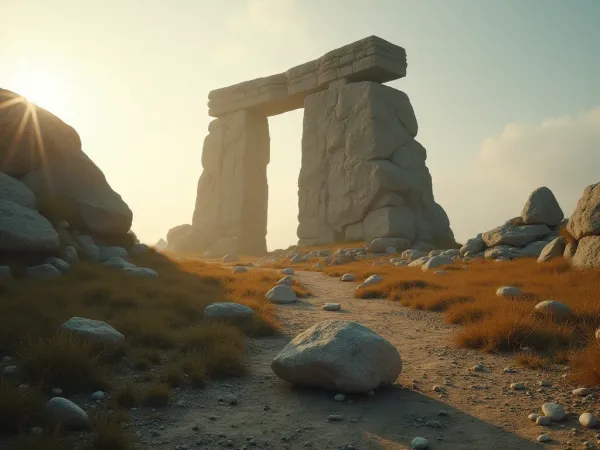
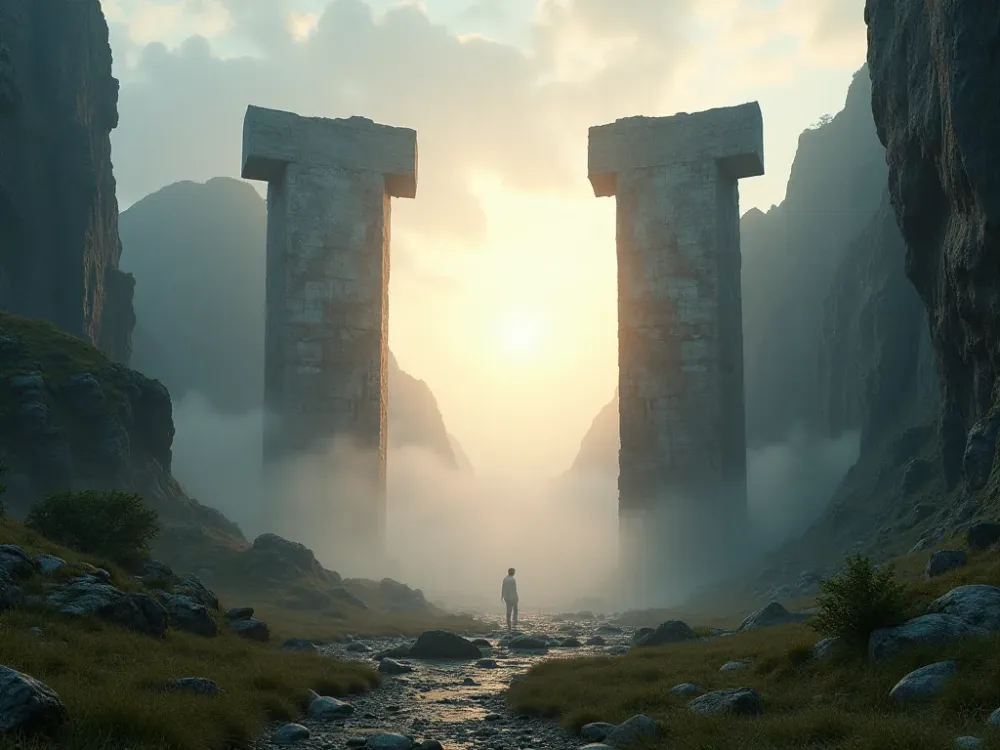
Picture walking into a room and getting thrown back , years. Right there in front of you: the massive T-shaped pillars of an ancient temple. Then a modern drone buzzes overhead, in the exact same space.
That's what happened at Teknofest Southeast. The event runs through October in Şanlıurfa, and it stuffs the past and future of technology into one physical place.
What struck me was how specific it all is. This isn't just a display of old stones. Those stones get wired straight into today's defense platforms.
The zero point of human invention
Göbeklitepe gets called the zero point of history. Usually that phrase just means "very old." Here, it carries more weight than that.
The organizers treat the site as one continuous story. Their argument: human invention didn't begin with farming or writing.
If you've read about why humans built before they farmed, this connection clicks. And it pokes a hole in the standard timeline we all got in school.

The Japanese ambassador’s surprising admission
Masami Tamura walked the festival grounds. He's Japan's ambassador to Türkiye, and his comments were blunt and honest.
He said the scale of the event surprised him. Japan doesn't host anything comparable at this level.
That kind of admission is rare. Countries usually brag about themselves. Here, a foreign official just named a gap out loud.
Why this matters for global cooperation
Tamura pointed to the educational value. Kids learn science through play and observation.
He predicted deeper cooperation between the two nations. Not just business deals, either.
It's about a shared understanding of how technology evolves. Both countries run strong aerospace sectors.
The aircraft that caught young eyes
Children swarmed the Kızılelma unmanned fighter jet. It's a domestically produced platform.
Amine Abdulvahab said it was her first time seeing a machine like that up close. Her excitement was impossible to miss.
She wants to work in this field when she grows up. Which is, of course, the whole point.

More than just a show and tell
The event runs scientific workshops too. You don't just stand around watching.
Visitors engage with the material through immersive displays. That builds a stronger memory.
It lines up with modern educational theory, honestly. Learning by doing beats a lecture every time.
The hidden engineering connection
Coordinator Alper Aslan explained the core concept. The screen starts in the past.
From there it traces defense technology up to today. One continuous timeline.
So much for the idea that technology is a recent invention. It's been evolving for millennia.
What we miss in standard history classes
Most curricula skip the early engineering period entirely. Straight to agriculture and cities.
But history class skipped the first 10,000 years of human engineering. That's a major oversight.
The festival patches that gap with visual, interactive evidence. Abstract ideas, made concrete.
Why this changes our view of civilization
We tend to think of innovation as linear. Farming leads to cities, cities lead to tech.
Göbeklitepe says otherwise. Complex social structures existed before agriculture. That flips the script completely.
The festival leans into this non-linear development. Humans were inventors from the very start.
The implications for future research
Maybe this sparks new academic interest. Students see the thread between past and present.
Researchers might go hunting for more examples of early engineering. The gap in what we know is enormous.
So the festival works as a bridge — public interest on one side, academic discovery on the other. That's powerful.
The takeaway for anyone interested in history
Don't take the standard timeline at face value. Go looking for the gaps.
Events like Teknofest force us to see technology as one continuous thread. It starts in the stone age.
The Japanese ambassador's comments are a reminder. We still have plenty to learn about our own past.
If you're curious about the stone age gear that rewrote the timeline, start there. The evidence is out there.