Your history teacher lied to you about why rivers created civilization
The Lie In Every History Book
We were taught that humans built cities because they wanted to be kings. Ambition drove the wheel of progress — that's the story. But a recent re-examination of world history by Japanese scholar Sei tells a very different story.
The reality is far less glamorous. People gathered by rivers not to rule, but to survive a specific logistical nightmare. It was about water distribution.
Why Water Became The Boss
Imagine a world without rain. You cannot just hope for weather to do your job for you. You need control.
In the Tigris and Euphrates valleys, soil was rich but unpredictable. Floods could destroy a season in hours. To stop this chaos, early groups dug irrigation channels.
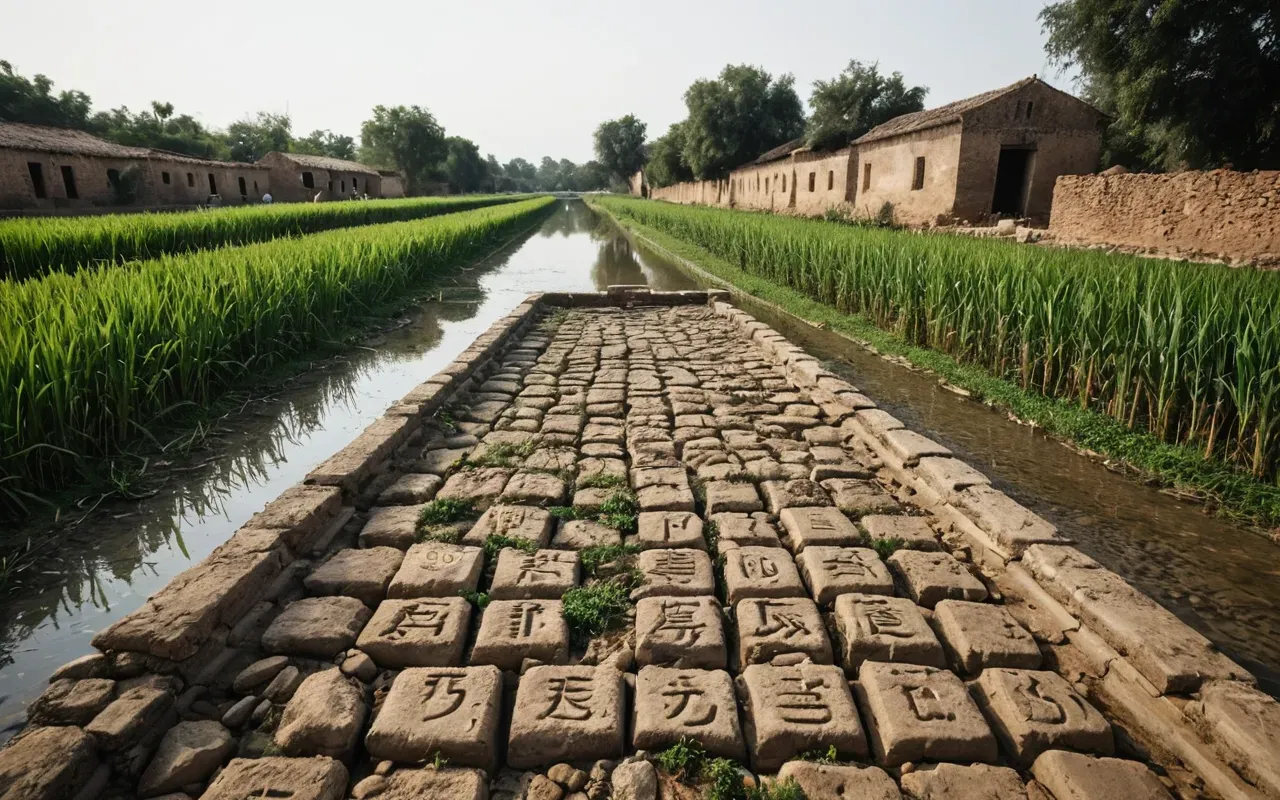
This is where the magic happened. Digging a ditch that carries water to ten fields requires more than one pair of hands.
Cooperation wasn't a moral choice. It was an engineering requirement. If you didn't help dig the canal, your crops died.
The Surprising Birth Of Bureaucracy
Here is the part that shocks most people. Writing didn't start with poetry or laws.
It started because someone needed to know how many sacks of grain were in the storehouse. Memory failed under pressure.
When you have a surplus of food, not everyone has to farm. Some people can focus on tools. Others can trade.
A Flow That Creates Cities
Sei describes this as a chain reaction. Agriculture spreads first. Then food is stored safely.
Work gets divided into specialized roles. People and goods gather at river ports.
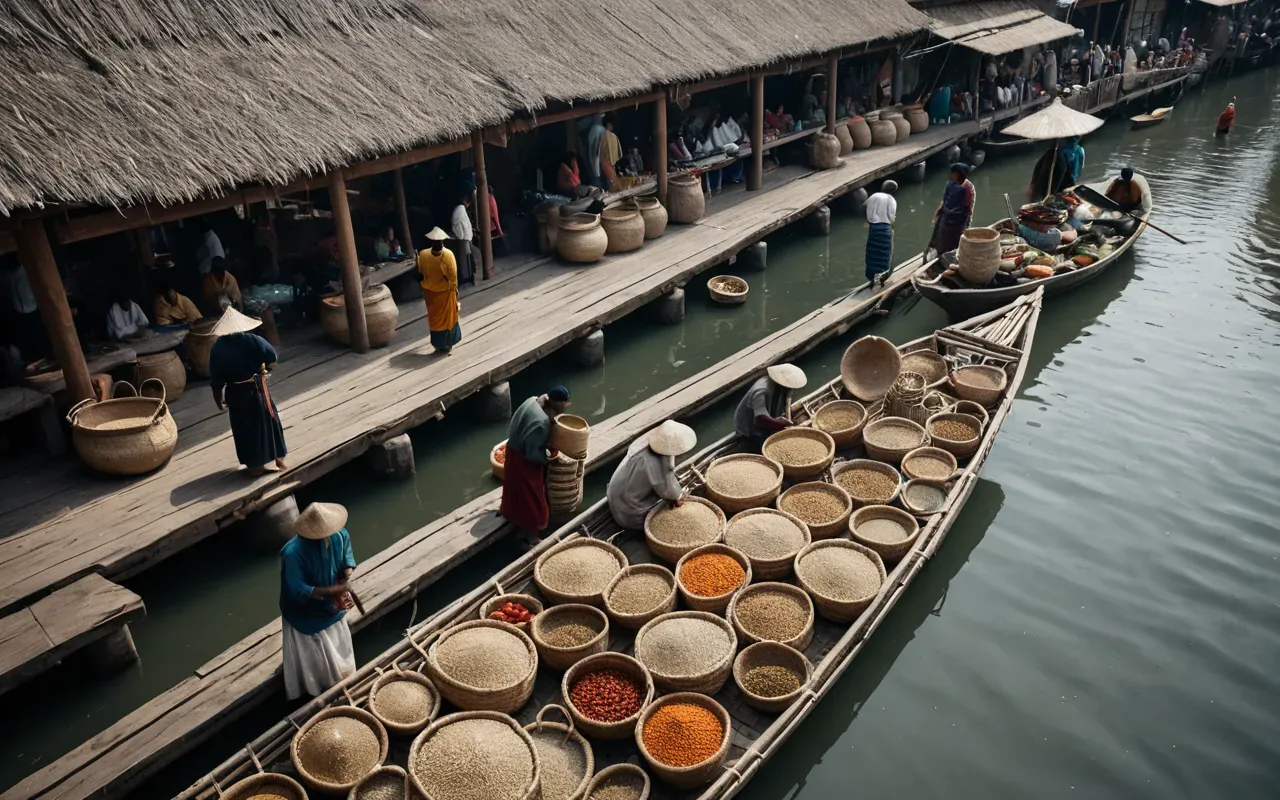
This flow created the first true cities. Not because leaders commanded it, but because the system demanded scale.
If you are interested in how these early structures compare to later sites like Göbeklitepe which challenged temple theories, the contrast is striking.
The Problem With Modern Memory
We often forget how fragile these systems were. A single dry winter could collapse a society.
The rules for distributing water became the first laws. The leaders who managed this distribution became the first rulers.
So when you look at a river today, see it not as scenery. See it as the original office manager.
What This Means For Us Today
We still rely on complex systems that look simple from the outside. Our water grids are just bigger canals.
Understanding this origin helps us appreciate the fragility of our own urban life. We are not so different from those first irrigators.
The next time you struggle with a history exam, remember the ditch. That is where it all started.