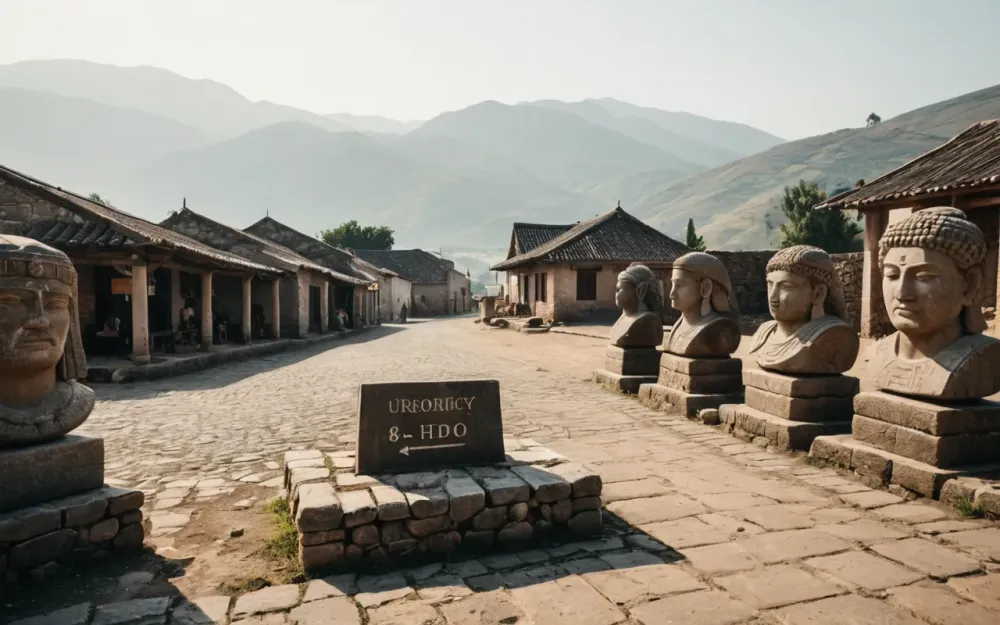
The Greek Hero Busts Staring Down At You From A Turkish Village
A Village That Refuses To Let The Past Sleep
Most tourists shuffle past ancient ruins, snap a photo, and move on. They want the postcard. Not the messiness of living history. Tevfikiye doesn't work that way — it doesn't just put artifacts behind glass.
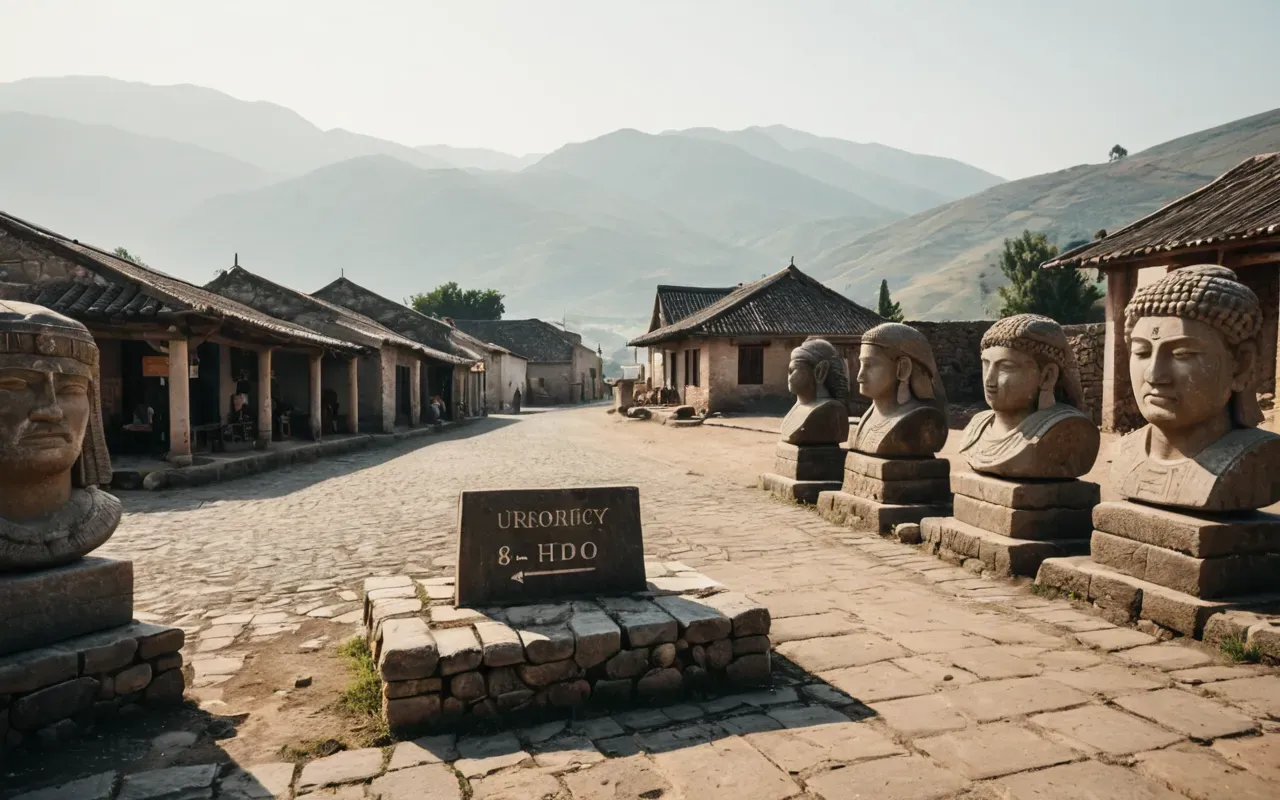
The whole village is basically a stage for the Trojan War. Stone busts of Achilles and Odysseus stand in the main square, staring out over the plain where Homer said battles raged thousands of years ago.
Honestly? I find that far more compelling than a standard museum. The mythology isn't locked away — it's woven into the coffee houses and health centers of everyday life.
The Strategic View Over The Scamander Plain
Tevfikiye sits just one kilometer from the archaeological site of Troy. From here you get a panoramic view of the Scamander River plain, which is central to the Iliad.
Three thousand years ago, this landscape looked different. The river mouth was further inland, and the bay that now holds modern ports didn't exist in the same form.
Locals call this spot the Troy Observation Terrace. It's not just a pretty view. It's a deliberate framing of history.
Stand here and you're looking at the exact terrain where Greek and Trojan forces clashed. The connection between the poem and the land becomes undeniable.
Why A Small Village Became An Archaeological Theme Park
None of this happened by accident. In , local authorities signed a protocol to turn Tevfikiye into an archaeology theme village.
The goal was simple: keep tourists in the area longer. Instead of rushing off to the next site, visitors stay, buy organic products, pick up souvenirs from locals.
The architecture reflects that shift. Buildings were renovated to mimic the style of Troy VI, a period dating back to around BC.
The Human Story Behind The Stones
To really understand the village, you have to look at its people. Bulgarian immigrants settled here in the late th century to escape war.
Many of them worked on the excavations led by Heinrich Schliemann. They built their homes using reeds and stones brought directly from the dig site.
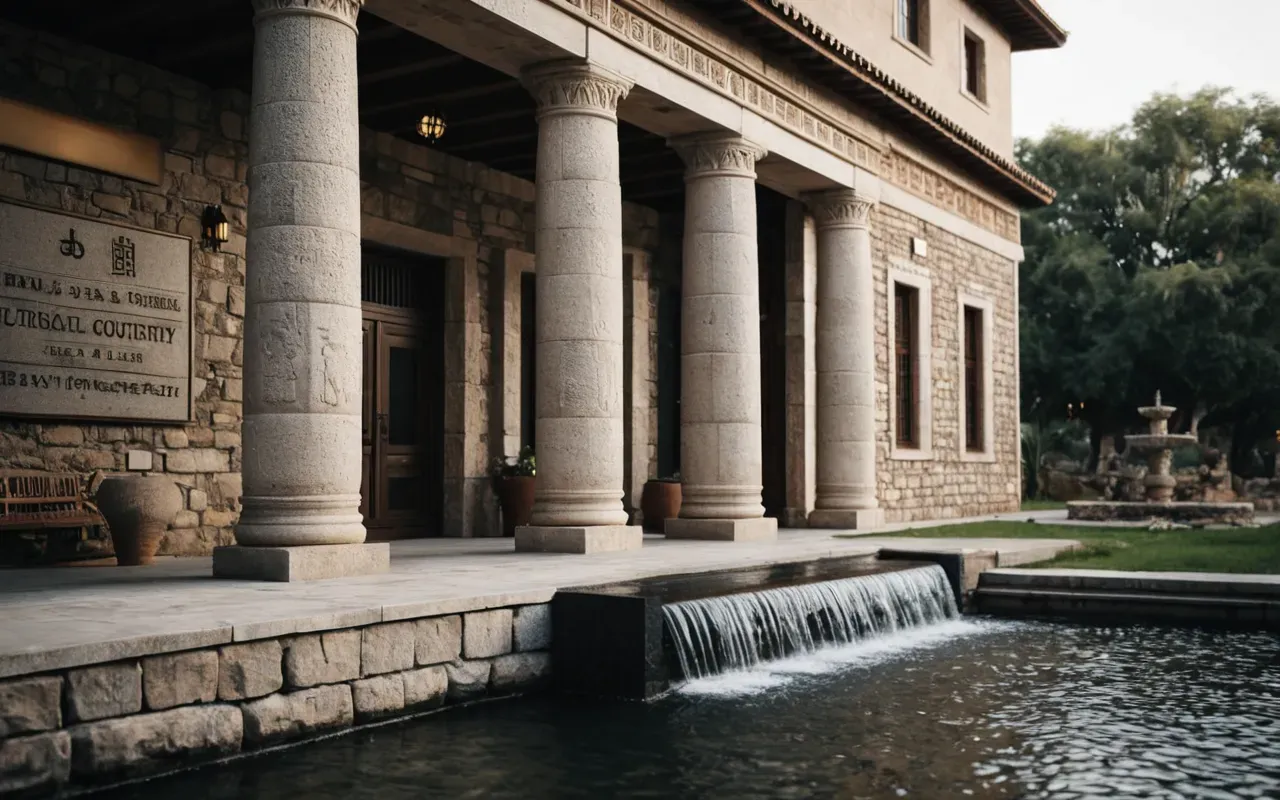
Even the local mosque was built in using natural stones from the ancient city. The past is literally embedded in their walls.
The Mythology That Shapes Daily Life
Walk through Tevfikiye and you'll see symbols of the Trojan War everywhere. Inscriptions and graffiti decorate corners that would otherwise be blank.
The wedding hall is now a museum. The health center looks like an ancient palace. That blending of sacred and secular creates a strange, unique atmosphere.
It's not just decoration, though. It's an identity. The residents see themselves as part of the story they're telling to visitors.
If you want a deeper look at how ancient myths shape modern perceptions, consider reading about the 12,000 year gap in our timeline that schools often skip.
The Busts As Cultural Anchors
The busts of Ajax, Patroclus, and Priam aren't just art. They serve as focal points for community gatherings and local tourism.
They remind people that this land has a voice. It isn't silent history — it's an active participant in the local culture.
Why This Matters More Than You Think
In a world obsessed with new technology and instant gratification, Tevfikiye offers something rare. Continuity.
It shows that history doesn't have to be dead. It can breathe, evolve, and shape the lives of those who live near it.
For researchers, this is a case study in how communities can own their heritage. It's not about preserving the past for museums; it's about using it.
If you're interested in how ancient sites influence modern engineering and belief systems, take a look at the 25 ancient finds that made modern engineers look like amateurs.
The Hidden Cost Of Turning Myth Into Reality
There's a fine line between preserving culture and commodifying it. Tevfikiye walks that line carefully.
Critics might argue the theme park aspect dilutes the seriousness of archaeology. Others say it keeps the site alive and funded.
I think the latter is true. Without local engagement and economic incentive, plenty of ancient sites would be neglected or lost to time.
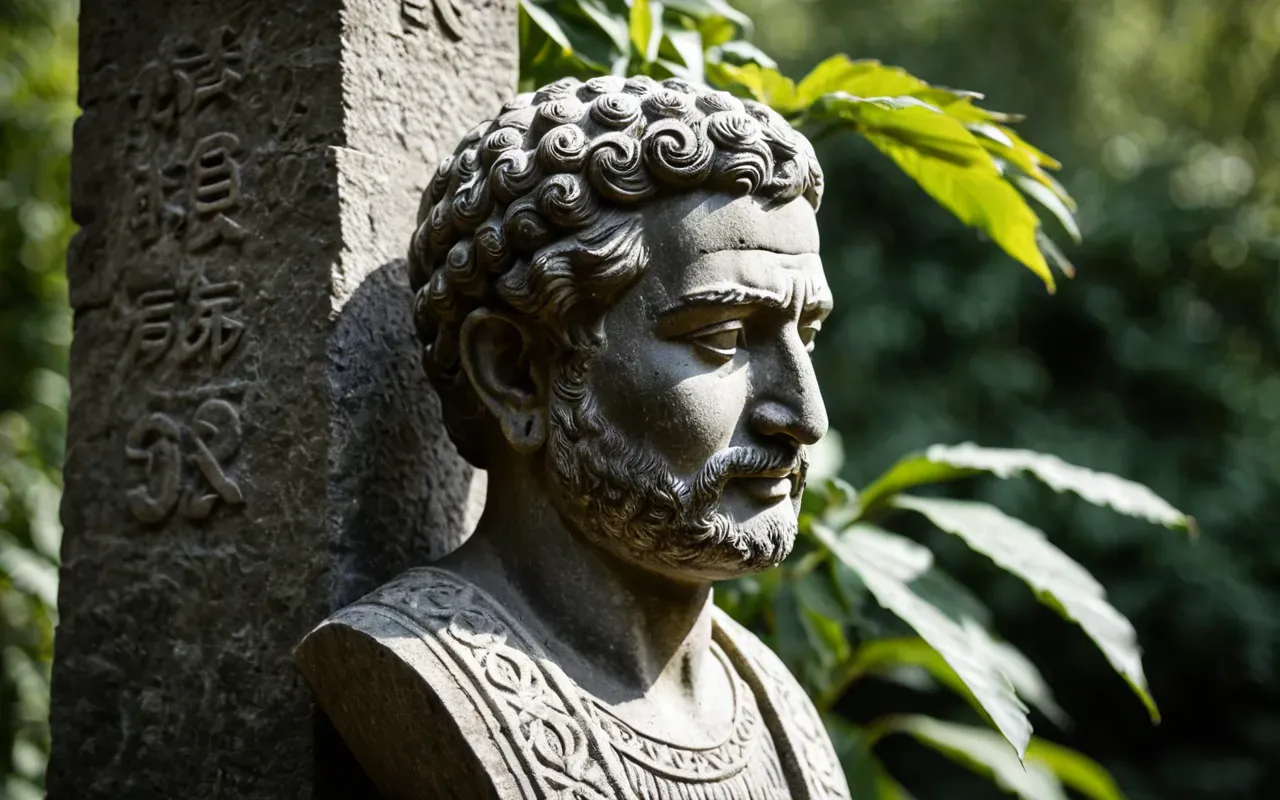
The busts aren't just stones. They're a statement that the past is still relevant to the people living in its shadow.
A Lesson For Other Ancient Sites
Plenty of archaeological sites struggle to connect with local communities. Tevfikiye shows a different path.
By integrating the myth into daily life, they built a sustainable model. It's not just about protecting ruins; it's about nurturing stories.
That approach could be a blueprint for other regions dealing with ancient histories. It turns potential conflict into collaboration.
What Visitors Actually Experience Here
Walking through Tevfikiye feels like stepping onto a film set that forgot to stop rolling. The immersion is complete.
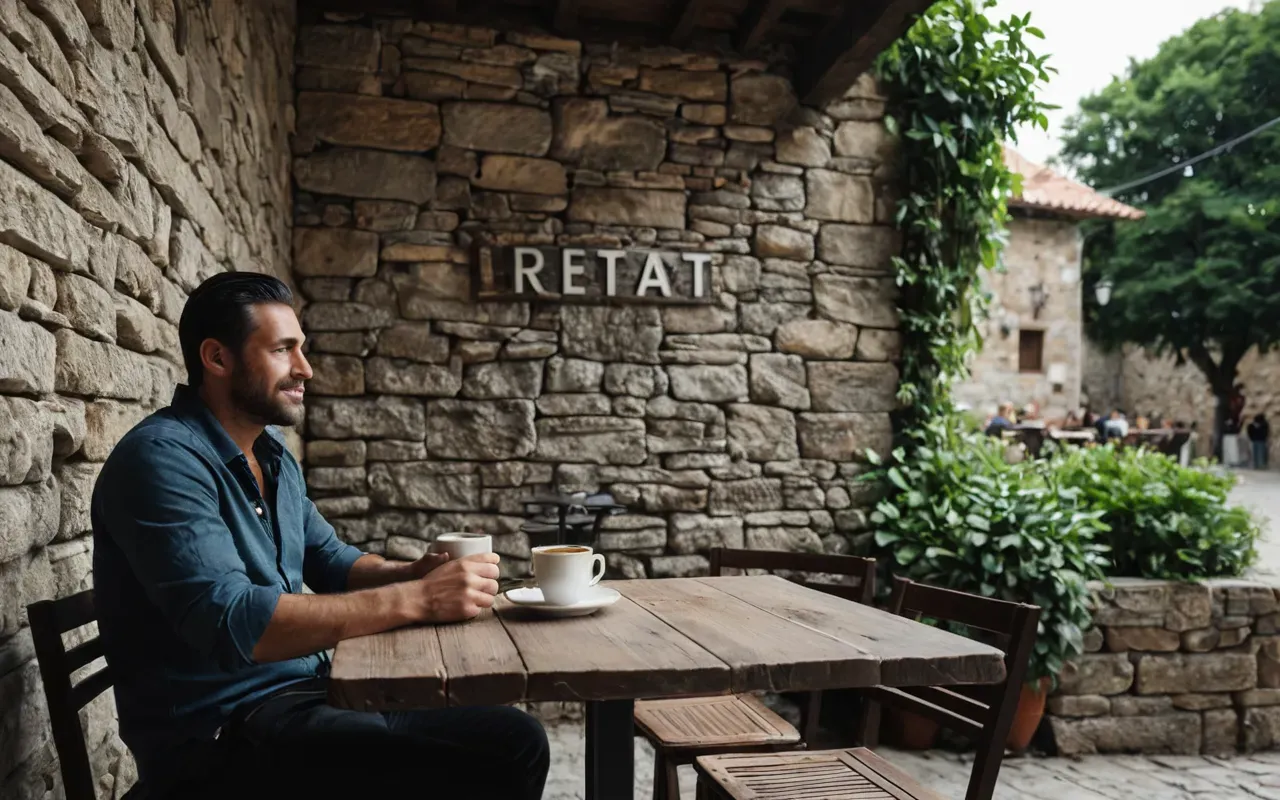
You can buy coffee in a cafe designed to look like an ancient palace. You can walk past a mosque built from Troy stones.
It's not perfect. Some elements feel staged. But the overall effect is powerful and memorable.
For history buffs, it's a treasure trove. For casual tourists, it's a fascinating detour.
The Role Of The Observation Terrace
This is the heart of the village's narrative. It provides a physical link between the viewer and the myth.
Standing there, you can imagine the ships of Achilles in the bay. You can see where Hector stood.
It makes the abstract concrete. The poem becomes a place you can stand in and feel.
The Bigger Picture Of Ancient Greek Legacy
Tevfikiye is just one example of how ancient Greece continues to shape our world. From philosophy to architecture.
The Trojan War isn't just a story; it's a cultural cornerstone that still resonates today.
If you want to explore more about how ancient beliefs shaped modern thought, check out why Egypt was just a practice run for something far older.
Lessons For Modern Historians
Historians often focus on documents and artifacts. Tevfikiye reminds us that oral tradition and local memory are vital.
The village's approach shows how community involvement can enrich academic research. It's not just data; it's life.
By listening to the locals, we gain a deeper understanding of how these myths were lived and felt.
Conclusion A Living Bridge To The Past
Tevfikiye is more than a tourist spot. It's a testament to the power of story and place.
It shows that history isn't just something we study; it's something we can inhabit.
Next time you visit an ancient site, ask yourself if the local community is part of the story. If not, maybe it should be.
Tevfikiye proves that when we do the past doesn't just sit there. It looks back at you.