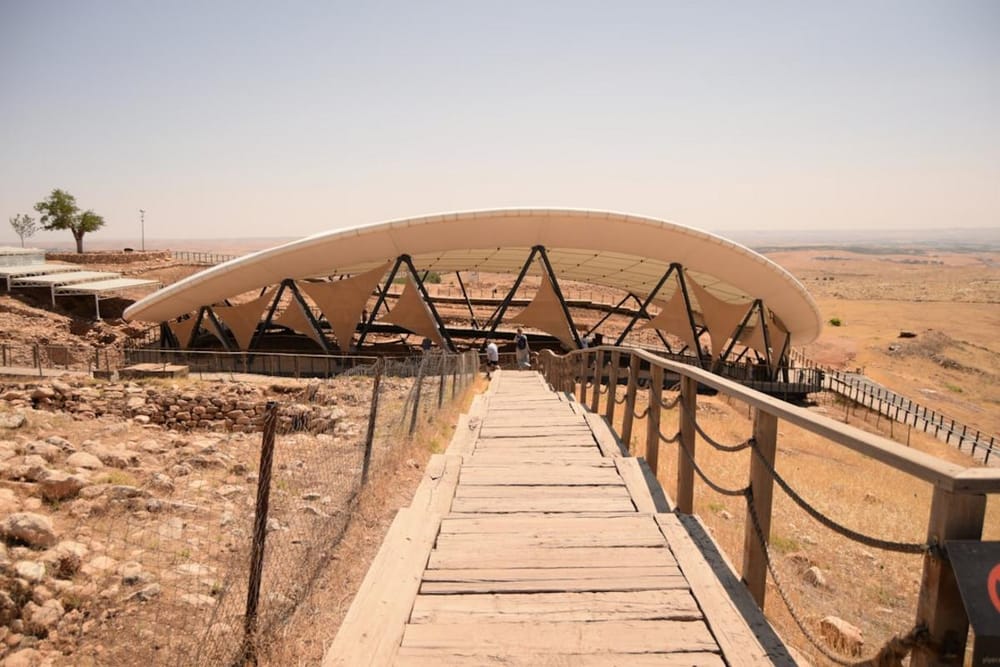
Göbeklitepe Unveiled The Ancient Site That Redefines Human History
Göbeklitepe The Earliest Known Temple and its Revolutionary Impact on Archaeology
Discovered in southeastern Turkey, Göbeklitepe stands as a groundbreaking archaeological site that challenges conventional narratives about the beginnings of human civilization. Dated to approximately 11,600 years ago, this site predates Stonehenge by several millennia and reshapes our understanding of early religion, societal organization, and cultural development. Unlike typical prehistoric dwellings, Göbeklitepe comprises massive T-shaped stone pillars arranged in circular patterns, many adorned with intricate carvings of animals, symbols, and abstract motifs. The scale and sophistication of these structures suggest that even in this distant epoch, humans possessed complex spiritual beliefs and organized social structures. Archaeologists have long debated whether it was a religious sanctuary, a gathering place, or perhaps an early form of communal ritual complex. Recent excavations and research indicate that Göbeklitepe was likely a focal point for spiritual and social activities, possibly serving as a sacred site that united dispersed groups of early humans. This discovery significantly alters the narrative of human progress, illustrating that spirituality and societal complexity emerged much earlier than previously thought, long before the advent of farming or permanent settlements. Today, Göbeklitepe continues to inspire scholars worldwide, captivating both academics and visitors alike with its enigmatic history and the profound questions it raises about our distant past.
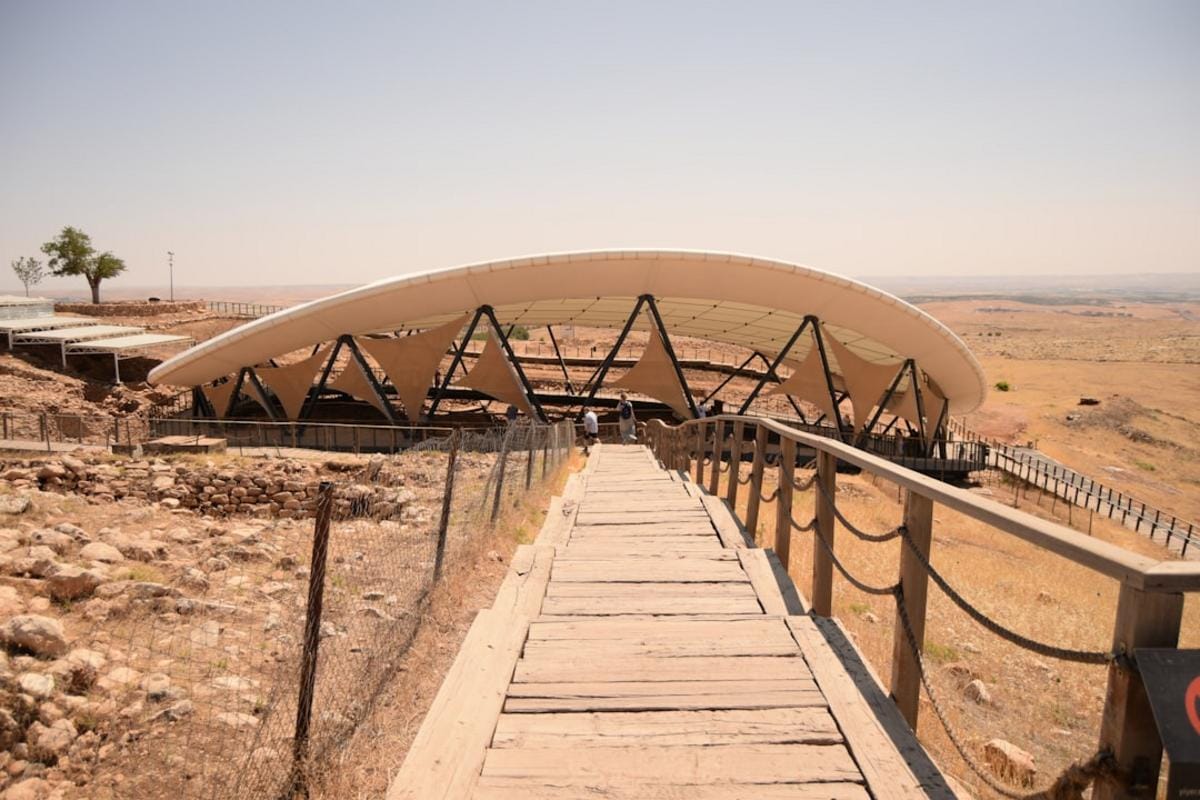
Unraveling the Mysteries Of Human Beliefs Through Carvings And Monuments
One of the most fascinating aspects of Göbeklitepe is its sophisticated carvings and massive carved stones that suggest complex symbolic and spiritual beliefs among its creators. The carved animals—such as foxes, boars, snakes, and birds—are depicted with remarkable detail and symbolism, suggesting that early humans may have attributed spiritual significance or shamanistic powers to these creatures. Notably, these carvings are among the earliest known representations of animal symbolism, hinting at the importance of nature and the supernatural in early spiritual life. Evidence from other prehistoric sites indicates that such carvings functioned as ritual symbols or talismans, and in Göbeklitepe’s case, they likely played a role in ceremonial practices that reinforced social cohesion and spiritual beliefs. Interestingly, the site lacks evidence of domestic life like kitchens or living quarters, reinforcing its role as a sacred space rather than a settlement. Similarly, the T-shaped pillars are thought to represent anthropomorphic figures or spirits, emphasizing the spiritual connection between humans and the divine. These ancient symbols provide unique insights into how early humans communicated their understanding of the world, their gods, and their place within the universe, marking a significant leap forward in the development of human consciousness. Such discoveries underscore the importance of spiritual life as an intrinsic part of early human society, an aspect often overshadowed by the focus on technological progress.

Cultural Significance And The Impact On Our Understanding of Prehistoric Society
Göbeklitepe's discovery has profound implications for understanding prehistoric society and culture. Its monumental stone pillars and enclosures suggest that early humans organized social events and religious rituals that likely required cooperation, shared knowledge, and leadership. The site’s sophisticated construction indicates a collective effort, hinting at emerging social hierarchies and a sense of communal identity. Furthermore, the absence of evidence for daily domestic activities, such as cooking or living spaces, points to Göbeklitepe’s primary role as a spiritual hub rather than a settlement. This has led researchers to re-evaluate the ways in which prehistoric communities viewed their world, emphasizing the importance of religion and ritual in forming social cohesion long before the advent of agriculture. Interestingly, the site’s layout resembles later complex religious sites built thousands of years afterward, implying that the spiritual concepts and practices established at Göbeklitepe persisted and evolved into more organized religious systems. This connection is especially relevant when looking at the wider landscape of early human cultural traces, revealing a longstanding tradition of sacred spaces that underpin our religious and societal development. The archaeological revelations from Göbeklitepe compel us to rethink assumptions about the origins of complex human society, suggesting that the roots of organized religion and social structure extend deep into our prehistoric past.