Türkiye Is Spending Millions On Ancient Ruins And It Might Actually Be A Trap For Modern Tourism
The Concrete Flood Threatening Ancient Silence
There is a distinct smell when you walk into an archaeological zone that has been recently 'restored'. It does not smell of earth. Or age. Or dust.
It smells of fresh paint. And wet cement. And that sterile plastic coating they put on stone to keep it looking shiny for the Instagram crowd.
Türkiye is currently pushing hard into this arena. They have reopened several major sites in the Antalya region. The Andriake Archaeological Site and the Museum of Lycian Civilisations are fresh out of the renovation oven.
On paper this looks like a win. Heritage tourism is projected to hit $937 billion by 2033. The money is real. The growth is undeniable.
But I have to ask a question that most travel guides ignore. When we pave over the past with new walkways and visitor centers are we preserving history? Or are we just packaging it for mass consumption until there is nothing left?
The Illusion of Preservation in Demre
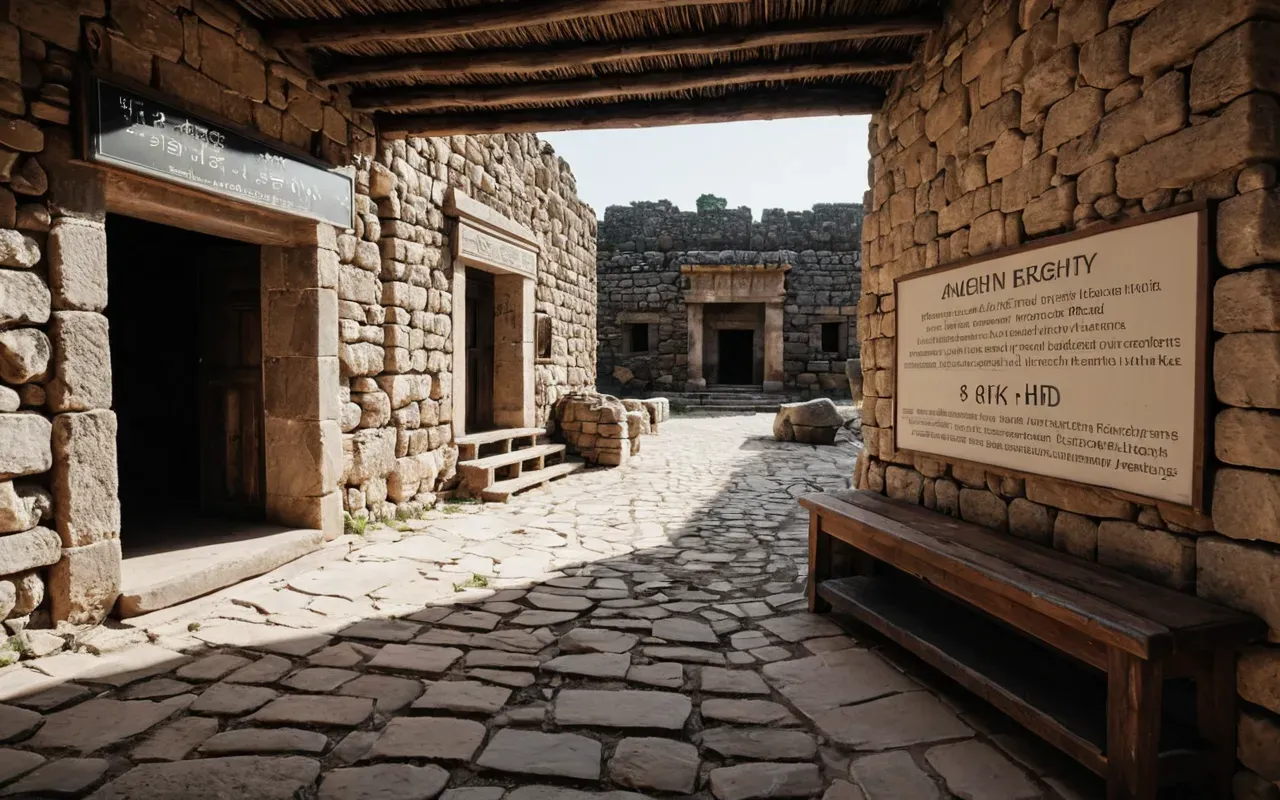
Let us look at Demre. The Museum of Lycian Civilisations is housed in a restored granary. This is a smart move architecturally.
Granaries are built to last. They were designed to store grain for years without rotting. Using one as a museum feels intuitive.
But the content inside is where things get tricky. They are showcasing millefiori glasswork discovered in 2024. These fragile pieces of ancient craftsmanship need climate control.
The restoration includes new gallery spaces. This means artificial lighting. And controlled humidity systems that consume massive amounts of energy.
Is the carbon footprint of keeping these glass shards cool worth it? I am not saying no. But we rarely talk about the environmental cost of heritage tourism.
The site features sculptures and coins from ancient Lycian cities. These objects have survived two thousand years of burial. Now they are exposed to the eyes of thousands.
Every time a tourist touches a glass case it creates micro-vibrations. Every flash of a camera adds light degradation. The restoration protects them from weather but exposes them to humanity.
Syedra And The Commercialization Of Mythology
Then there is Syedra. This site sits on a hill in Alanya dating back to the 9th century BCE. It has structures like the Great Bath and the Assembly Building.
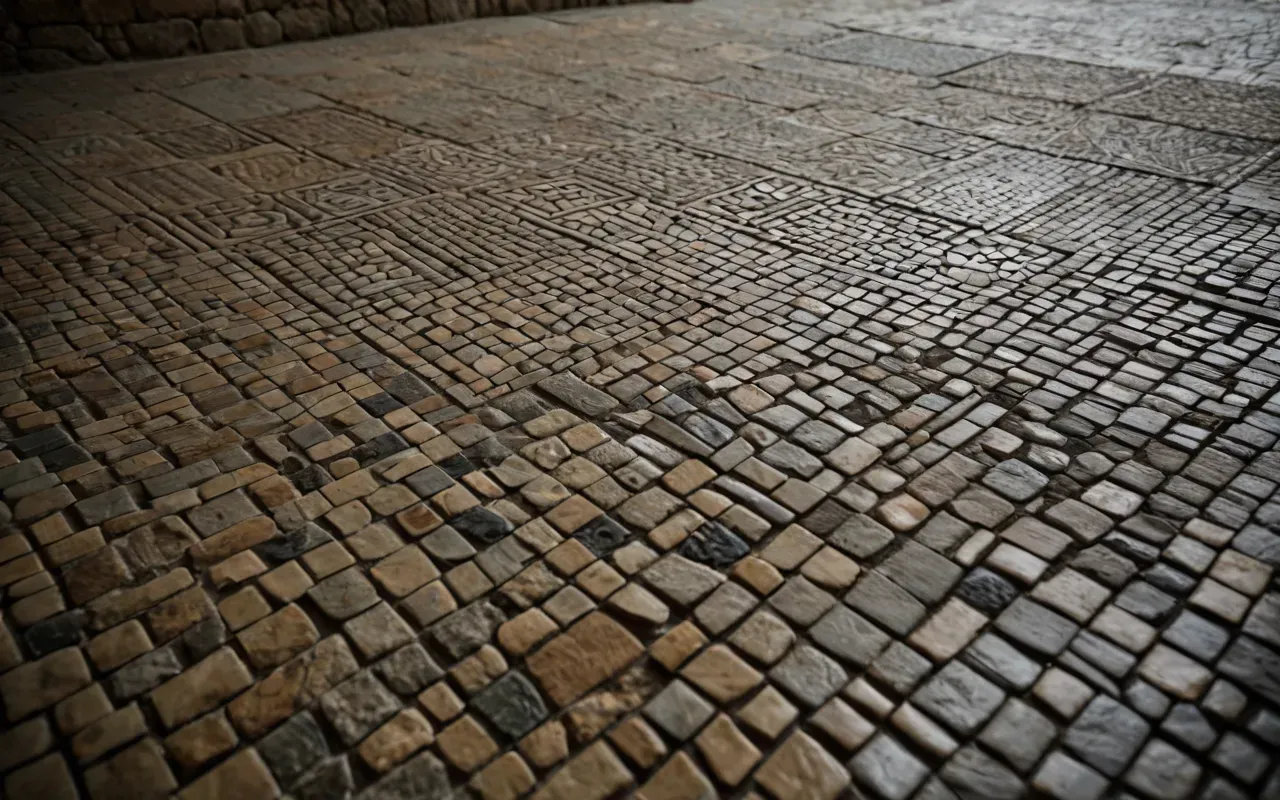
The standout feature is the Syedra Mosaic. It depicts the Labours of Heracles. This is classic iconography.
But notice how they frame it now. There is a new visitor center. This is not just information. It is commerce.
Visitor centers sell tickets. They sell souvenirs. They turn a sacred space into a transaction point.
The Heracles Narrative Problem
Heracles is a Greek hero. The mosaic shows his labors. But Syedra was part of the Lycian and broader Anatolian world.
By highlighting this specific narrative are we reinforcing a colonial lens? The restoration emphasizes the Greek influence while potentially sidelining local Lycian beliefs.
This is a subtle form of erasure. The new walkways guide you to see what the curators want you to see.
I visited a similar site last year. The guide spent twenty minutes on the Greek inscriptions but skipped three local shrines.
Restoration is never neutral. It always carries an ideological weight. In Syedra that weight seems to lean heavily toward familiar Western myths.
Who Really Benefits From The Syedra Revival?
The local economy in Alanya gets a boost. That is undeniable. Hotels fill up. Restaurants see traffic.
But who owns the revenue? The ticket sales go to the state or private concessions. The local artisans selling fake relics on the street are often fined.
The restoration creates jobs for construction workers. But does it create sustainable livelihoods? Or just seasonal gigs?
I spoke to a vendor near the entrance. He said visitors come for an hour then leave. They do not buy much.
The high-end tourism model benefits international tour operators more than the families living in the shadow of the ruins.
Andriake And The Loss Of Contextual Depth
Let us talk about Andriake. This was a major harbor city of the ancient Lycian civilization. It had an aqueduct and Roman fountains.
The site is located along the Lycian Way. This is a famous hiking trail. So it already had foot traffic.
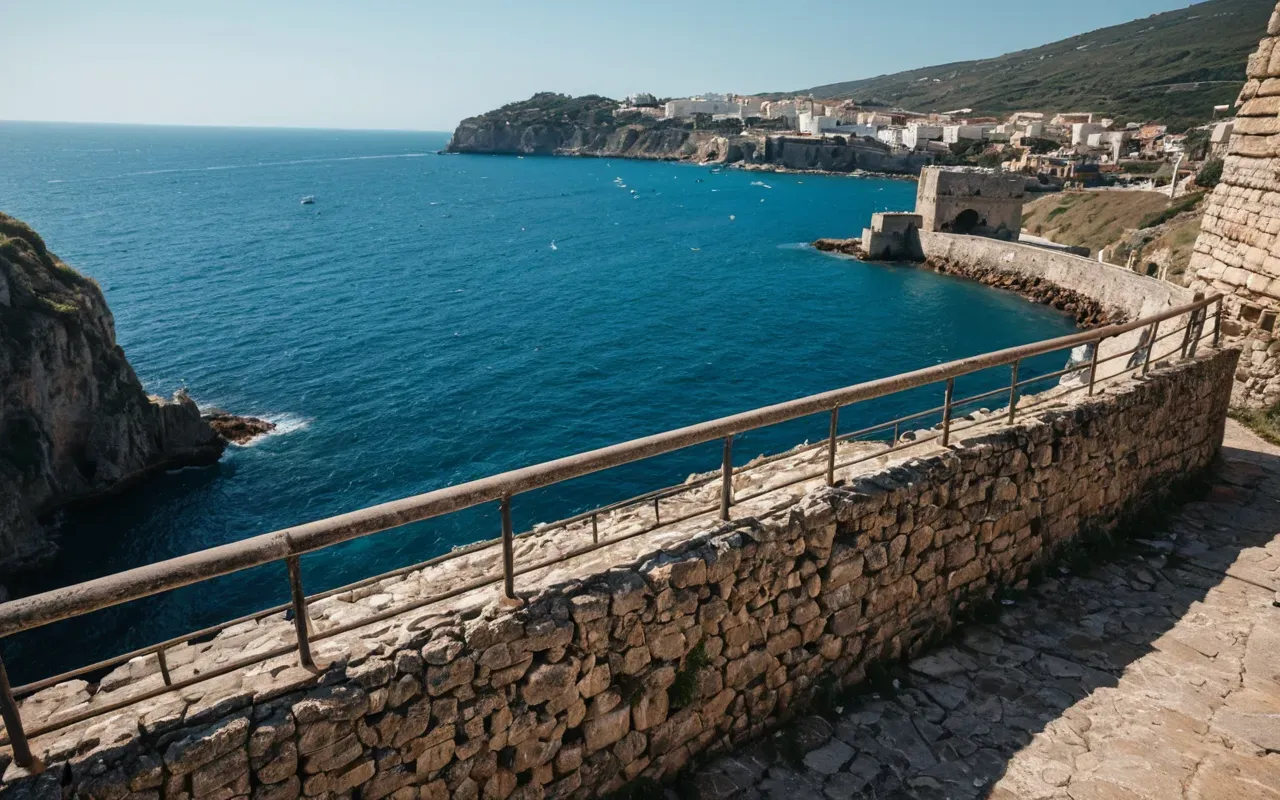
The restoration added new walkways and ship shelters displays. This makes it easier for non-hikers to visit.
But ease of access often comes at the cost of engagement. When you do not have to hike through rough terrain do you appreciate the history more?
The Roman Fountain Illusion
They highlight the aqueduct and the fountain. These are impressive feats of Roman engineering.
But Andriake existed before Rome. The Lycian layers are deeper and more complex. The restoration focuses on the visible Roman structures.
Why? Because they are photogenic. And because Western tourists understand 'Roman'. It is a brand.
The earlier Lycian phases are less recognizable. They require more explanation. And that requires time.
Tourists do not want to read long plaques. They want a picture opportunity next to a big stone thing that looks like Rome.
This simplifies history. It flattens the narrative arc of a civilization that spanned millennia into a single aesthetic moment.
The Göbeklitepe Paradox And Modern Heritage Management
You cannot talk about Turkish heritage without mentioning Göbeklitepe. It is the crown jewel of prehistoric sites.
Göbeklitepe reshapes our understanding of history. It shows that ritual preceded agriculture by thousands of years.
If you are curious about how civilization actually began the contrast between Göbeklitepe and these restored sites is stark.
Göbeklitepe is protected. It has strict limits on visitors. No new walkways everywhere. Just careful containment.
So why is Antalya getting a concrete facelift? Is it because the sites there are less fragile?
Or is it because they are closer to the beach resorts? The economic pressure in Antalya is higher.
The restoration of Syedra and Andriake feels like a response to overtourism fears. They are trying to channel the crowd.
The Risk Of Displacing Pressure
When you improve infrastructure at one site you make it more attractive. This draws more people.
It does not reduce the total number of tourists in Turkey. It just concentrates them in specific zones.
I worry about the long-term impact. The stones at Andriake have survived erosion for centuries.
Will they survive the micro-climate changes caused by modern visitor centers? The humidity traps in sealed structures can damage stone.
This is a known issue in conservation science. But tourism boards often prioritize visitor comfort over material preservation.
The Economic Reality Behind The Restoration Push
We need to be clear about the money. The sector is projected to grow from $647.5 billion in 2026 to $937 billion by 2033.
That is a huge amount of capital. Türkiye wants its share. The restoration is an investment.
But investments carry risk. If the narrative becomes too commercialized tourists may feel cheated.
Travelers are getting smarter. They want authenticity. Not polished replicas of history.
The Authenticity Trap In Modern Travel
Think about your last trip to a historic site. Did you feel connected? Or did you just take photos?
The new walkways at Andriake make it safe. But safety kills mystery.
There is a reason we are drawn to places like Göbeklitepe. It feels raw. Unfiltered.
The shocking truth about how Göbeklitepe was really built involves human hands and stone tools. No concrete.
The restoration of Lycian sites risks losing that visceral connection to the past.
Why The Timeline Matters More Than Ever
The gap between Göbeklitepe and these Roman-era sites is massive. One is pre-agricultural. The other is imperial.
Treating them with the same restoration strategy ignores this fundamental difference in human development.
What This Means For Future Archaeological Tourism
I believe we are at a tipping point. The model of heavy restoration for mass appeal is showing cracks.
Visitors are demanding more depth. They want to understand the beliefs and cultural traces behind the stones.
The unexpected revelation from Göbeklitepe regarding spirituality offers a deeper layer of meaning.
Türkiye needs to balance economic gains with genuine preservation. Not just surface-level cleaning.
The Verdict On The Antalya Restoration Wave
Is it bad? No. It preserves structures that might otherwise crumble.
But is it enough? I doubt it. The soul of a place cannot be restored with paint and cement.
The real work happens in education. In limiting access to fragile zones. In respecting the silence of the stones.
If we lose that respect for history becomes just another commodity. And once it is bought and sold its value drops.
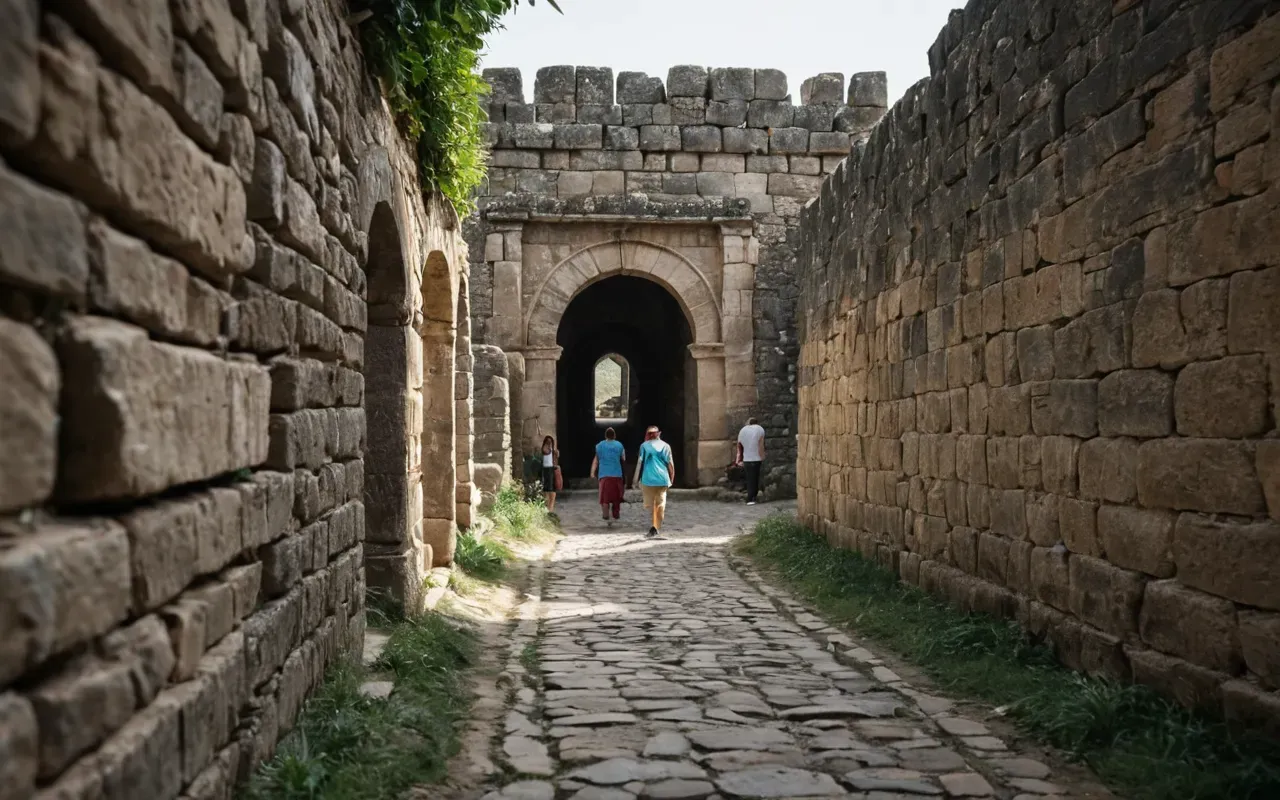
So next time you visit Andriake or Syedra look past the new visitor center. Look at the stones.
Ask yourself what was lost in the renovation. And ask who really won from this investment.