The Dead Face at Gobeklitepe That Rewrites Everything
The Face That Changed Everything
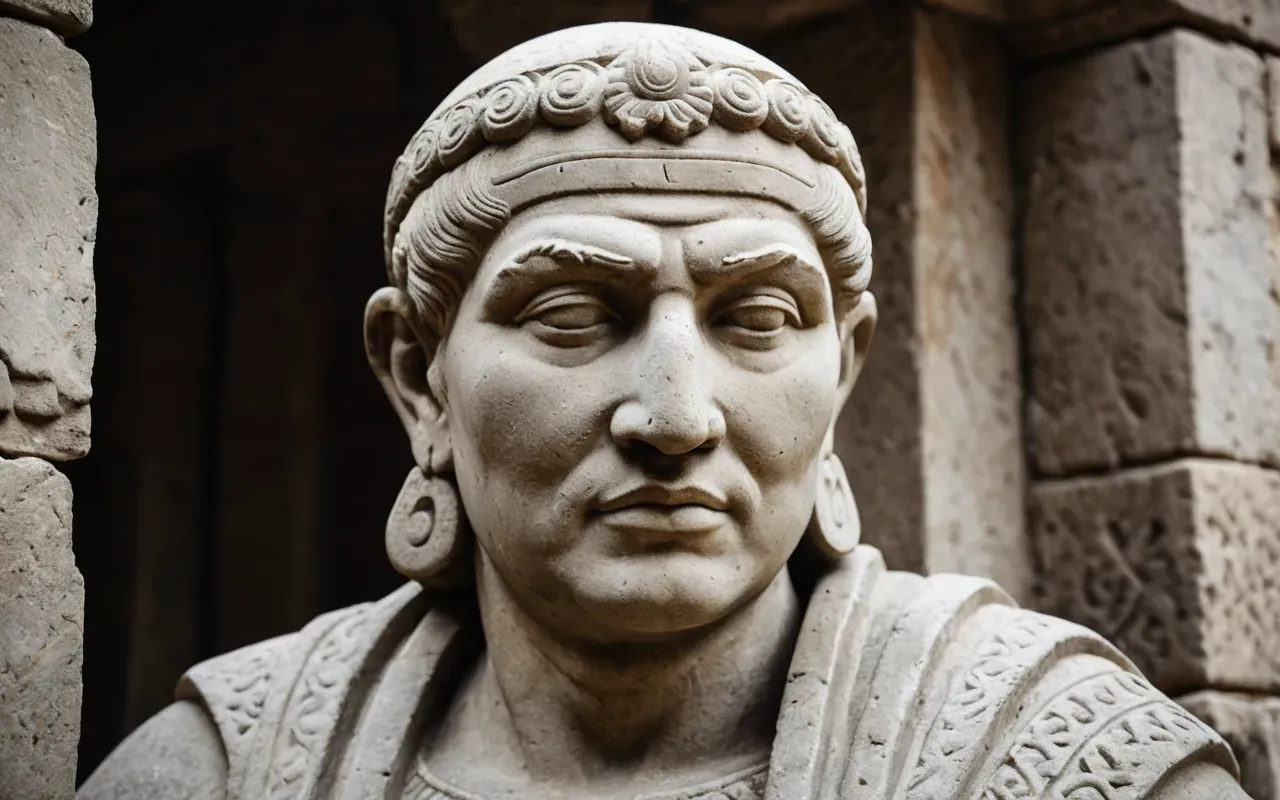
Look at the stone. It stares back with an expression that is unsettlingly familiar. The eyes are closed. The mouth hangs slightly open. It looks like someone who has just passed away. This specific statue was found during recent excavations near Sanliurfa in southeastern Turkey. And it completely upends what we think we know about early human rituals.
Archaeologists call it unique. I would say haunting. It is not just a random carving. It represents death itself carved into limestone more than eleven thousand years ago. This changes the timeline of symbolic expression dramatically.
Why We Get History Wrong Every Time
Here is the thing. Most of us were taught a very linear story in school. Humans hunted animals first. Then they figured out how to farm crops. Farming meant staying put. Staying put led to villages. Villages grew into cities with stone temples and organized religion.
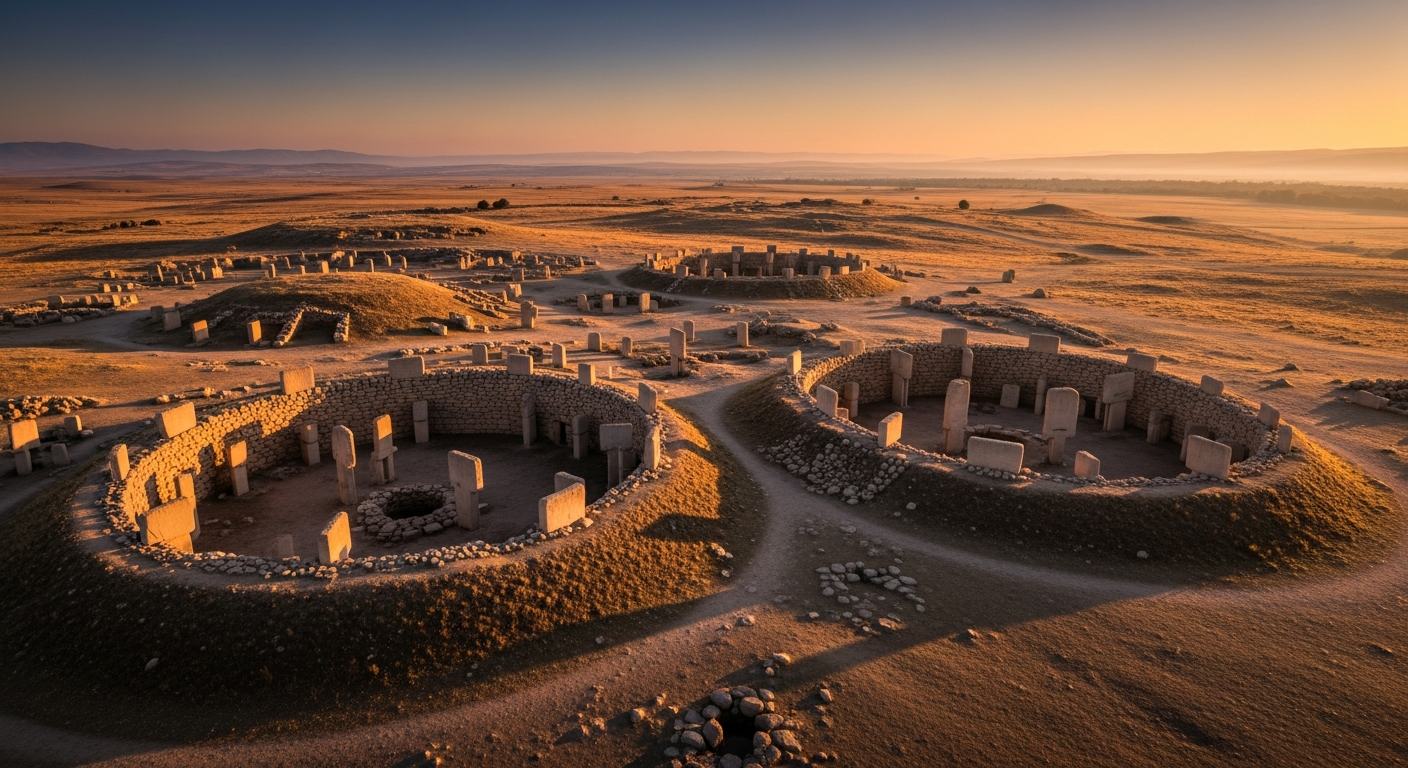
But this story is broken. The evidence at these sites shows the exact opposite happened. People built massive oval structures surrounded by towering T-shaped pillars before they ever settled down permanently.
They were still hunter-gatherers. They followed herds of gazelle and boar across the fertile plains below the plateau. Yet they gathered together to carve these monumental stones. It suggests belief came first. Survival came second.
The Pillars That Watch Over Us
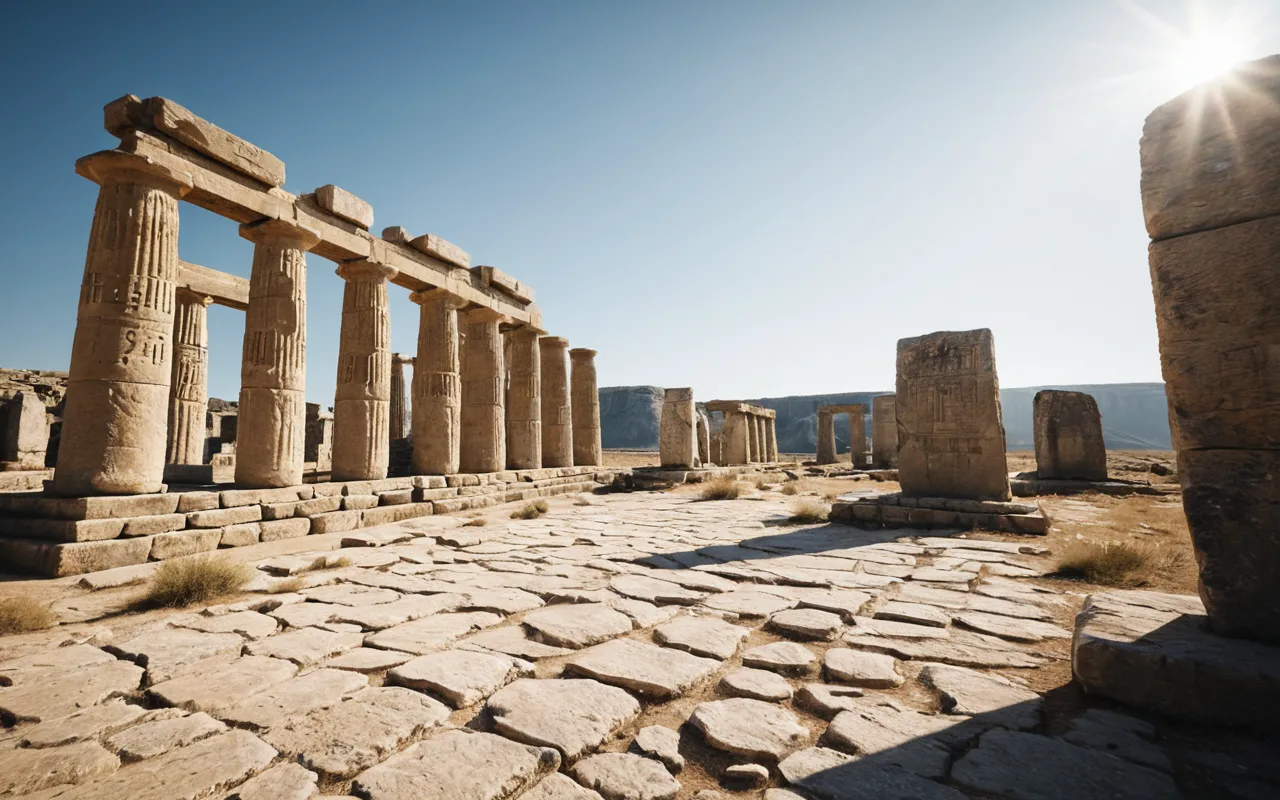
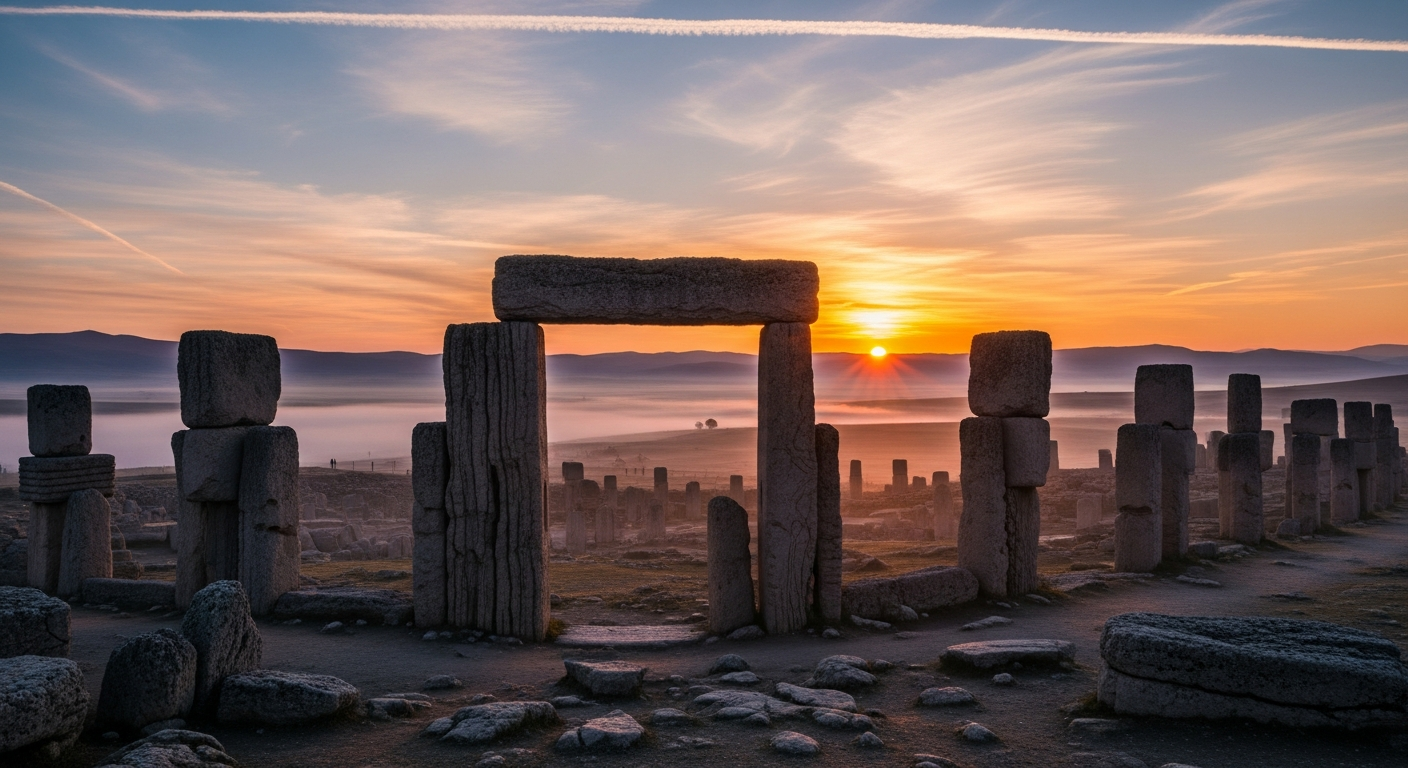
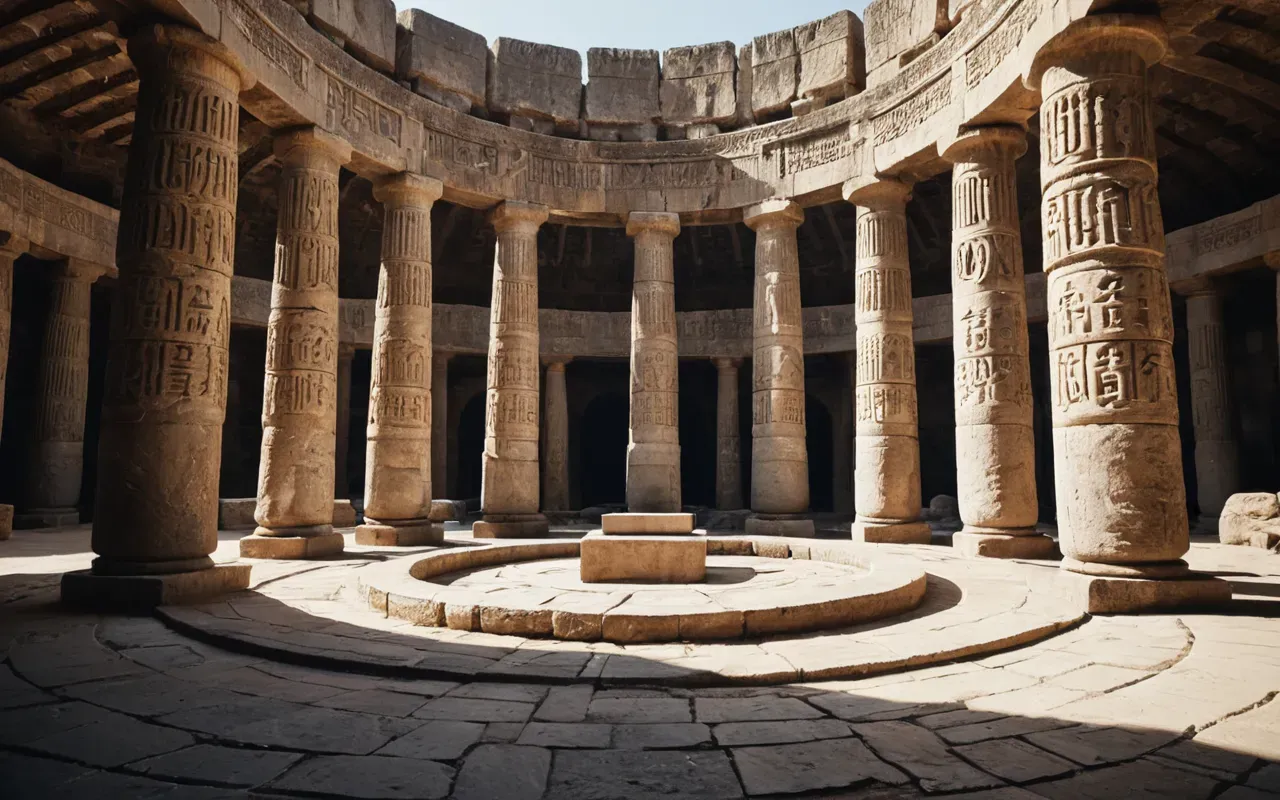
Imagine walking into an oval enclosure. The ground is packed dirt or stone paving. Around the edges stand huge limestone pillars up to twenty-eight meters across in diameter. Some of these stones weigh tons.
The pillars look vaguely human from the waist up. They have arms carved in relief holding each other around a central ring like dancers frozen in time. Animals are etched into their surfaces too. Vultures. Foxes. Boars.
Why carve animals on human-like shapes? It might represent a connection between the spiritual world and nature. Or perhaps it shows early humans trying to control or honor their prey through art.
The Secret Behind the Sacred Stones
I was struck by how many artifacts were revealed all at once last week. About thirty new items came to light during the latest dig. These include human statues. Animal figurines. Plates made of stone.
Necklaces with intricate beads were uncovered too. Even a human-shaped vessel meant for holding liquids or food. This proves daily life and ritual life blended together completely at these locations.
If you are curious about how previous artifact finds shifted our perspective, the pattern continues here. Each new object adds another layer of complexity to a society we previously thought was simple.
Who Really Built These Places?
Necmi Karul heads up the excavations right now. He describes these ancient builders as highly skilled craftsmen. They were not just scraping by on wild grains and hunted meat.
They had surplus energy. They had social organization capable of moving massive stones without wheels or metal tools. How do you coordinate hundreds of people across wide areas to build something like this?
It required leadership. It probably involved shared beliefs so strong that people traveled miles to participate in construction projects or rituals.
The Power of Shared Belief Systems
Think about it for a second. Religion or spirituality seems to be the glue that held these early groups together before food production existed. That is counterintuitive if you grew up with standard history books.
To be fair, we still do not know everything. But the trend is clear. If you want to see how spiritual expressions might have driven settlement patterns, look no further than these findings.
Karahantepe Holds More Secrets Still Buried
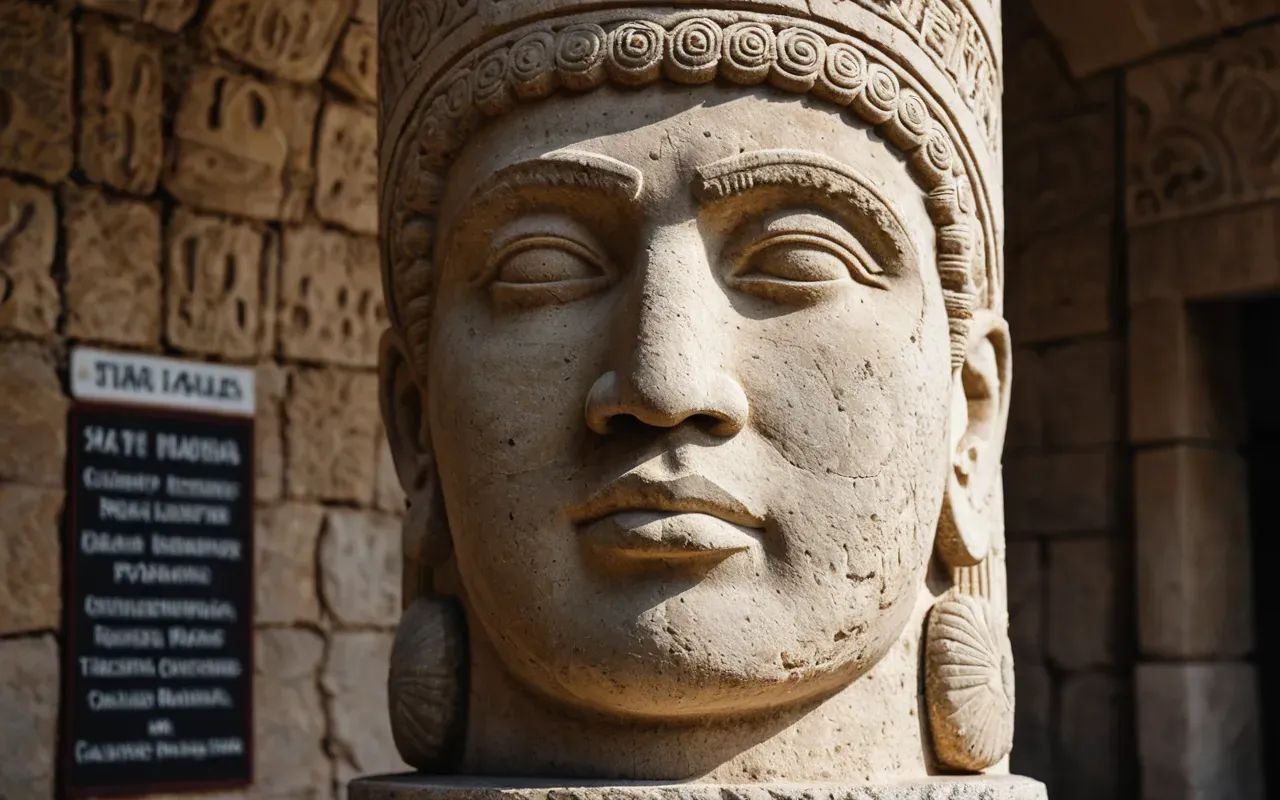
The site next door to the main area is called Karahantepe. It has its own set of monumental enclosures and artifacts. Recently they found a T-shaped pillar with an actual human face carved on it.
This is the first known example of a human portrait appearing on one of those massive pillars. It shows artistic evolution happening rapidly across generations.
These sites span a huge timeline going back to roughly nine thousand five hundred BC. That places them firmly in the pre-pottery Neolithic period.
What Does This Mean For You?
It forces us to reconsider what makes humans special. We tend to pride ourselves on our technological advancements today. But the ingenuity shown here rivals modern engineering in its own way.
Your mileage may vary depending on how much you trust current archaeological models. However the physical evidence speaks for itself regardless of theories.
If you are interested in the surprising technological genius embedded within these ancient stones, check out the broader implications.
The Future of Understanding Our Past
Tourists are flocking to see these discoveries firsthand. Expect around eight hundred thousand visitors this year alone based on official estimates.
The government ministry leading this project calls it the Stone Mounds initiative. It covers twelve distinct Neolithic sites within that region.
From nutrition patterns to architectural techniques. From symbolic meanings buried in carvings to complex ritual practices uncovered layer by layer.
It brings us incredibly close to understanding those prehistoric societies. They were not primitive savages struggling to survive day by day.
They were complex. They were organized. And they had a level of consciousness regarding death and the spirit world that rivals anything we see today.