The National Geographic List Of Ancient Sites Misses The Most Important Truth About Turkey
The Dangerous Illusion Of Equal Heritage
You pick up a glossy magazine. The pages are heavy and smell of expensive ink. You see beautiful photos of stone ruins in Türkiye. It looks like just another travel listicle. But there is a problem here that goes deeper than bad editing.
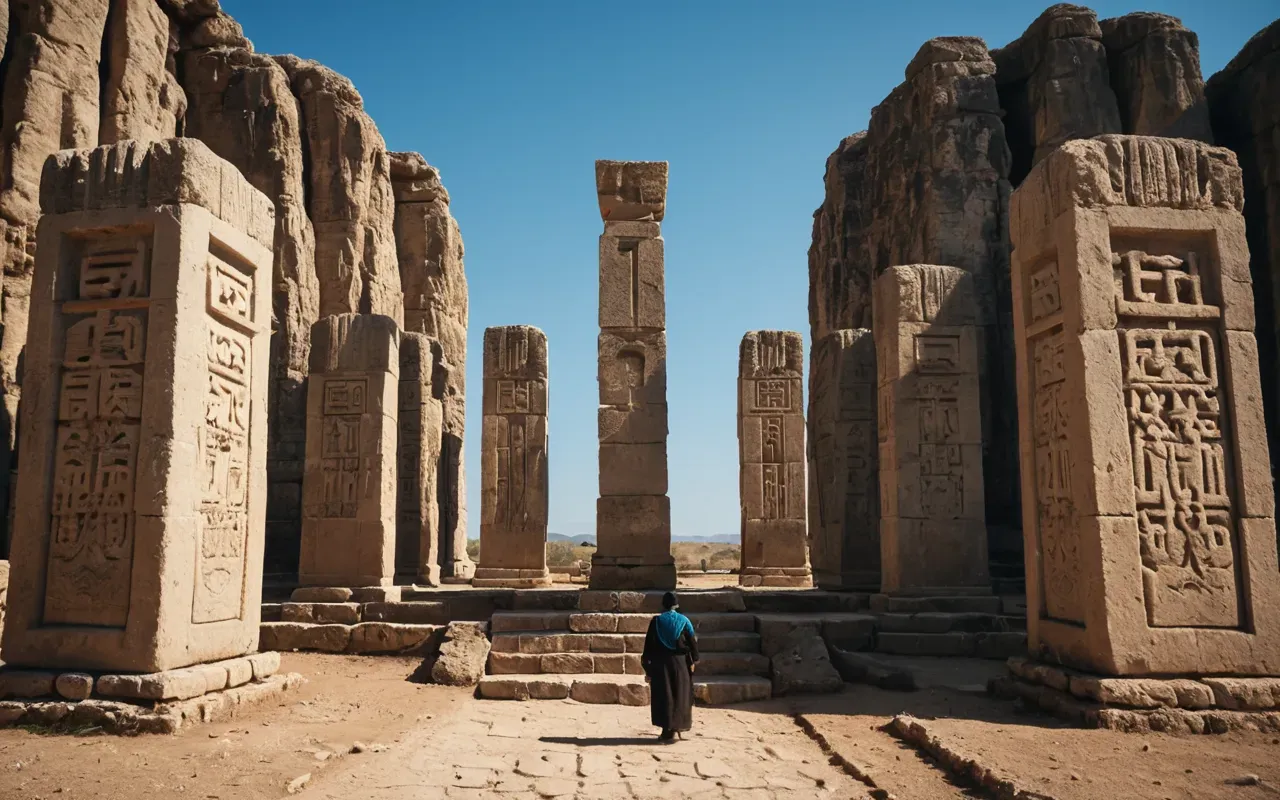
The article places Göbeklitepe in the same visual hierarchy as Ephesus and Istanbul’s Basilica Cistern. This is a massive historical error. It flattens ten thousand years of human evolution into a single weekend trip itinerary. We need to talk about why this matters.
Look at the dates. Göbeklitepe emerged around 9600 BCE. Ephesus is a shadow of that age by comparison. Mount Nemrut is barely a blip on this timeline. Treating them as equal tourist stops erases the profound significance of our earliest religious structures.
Why The Timeline Matters More Than You Think
Most people believe civilization started with farming. We think we learned to grow wheat so we could settle down and build temples. This is the standard textbook narrative taught in schools worldwide for decades.
Göbeklitepe shatters this assumption completely. These people were hunter-gatherers. They had no wheels. No metal tools. No permanent houses. Yet they moved tons of stone to build monumental temples. How do we explain that labor without agriculture?
When guides list it alongside Roman baths, they reinforce the old myth. They suggest a linear progression from simple huts to grand temples. The reality is far more complex and much stranger.
The Hunter Gatherer Paradox Explained Simply
Imagine building the Pyramids without slavery. Imagine doing it before you invented bread. That is what these Neolithic builders achieved. It suggests that belief systems drove social organization first.
Religion came before farming. That is the radical implication here. People gathered to worship first. Then they needed food for everyone in one place. So they started experimenting with grains.
This flips our understanding of progress on its head. We are not just farmers who got spiritual later. We were worshippers who became agriculturalists out of necessity.
Göbeklitepe Is Not Just Another Ruin To Check Off
The source article mentions Şanlıurfa as a picturesque old city. It treats Göbeklitepe as an add-on attraction nearby. This minimizes the site's global importance immensely.
This is not just a ruin. It is the oldest temple in the world by thousands of years. Stonehenge comes later. The Pyramids come much later. Everything else follows this foundation.
By grouping it with Ephesus and Pamukkale, the guide creates a false equivalence. These sites belong to different epochs entirely. One is Neolithic. The others are Classical or Imperial.
The Problem With Modern Travel Narratives
Travel guides love simplicity. They want easy routes and quick facts. Complex history does not fit neatly into a two-page spread about flight connections from Istanbul.
So they sanitize the narrative. They remove the controversy about how hunter-gatherers built such massive structures. They ignore the debate over organized religion's origins.
I find this frustrating because it robs visitors of context. You stand in the circle feeling awe but lack the framework to understand why that awe is justified historically.
Understanding The Scale Of Human Effort Required
Think about the logistics. No metal chisels existed then. They used stone tools on limestone. The pillars weigh up to fifty tons each. Moving them required immense coordination.
This level of cooperation implies a sophisticated social structure already in place. It was not just random bands of nomads gathering casually. There had to be leaders or priests directing work.
Why would people move so far from their homes? Only powerful beliefs could motivate such sacrifice. This supports the theory that ritual drove societal complexity initially.
Other Sites On The List Are Historically Distinct
Let us look at Mount Nemrut mentioned next. King Antiochus built it in the first century BCE. That is nearly ten thousand years after Göbeklitepe was active.
Ephesus represents the height of Roman engineering. It features marble columns and concrete foundations. Göbeklitepe has neither. The technological gap is staggering.
Cappadocia churches were carved during the Byzantine era. Christians fled persecution to hide in caves there. The motivations and methods differ completely from Neolithic builders.
Why Grouping Them Together Confuses Readers Significantly
When you present all these sites equally, you imply continuity where none exists. There is no direct line from Göbeklitepe to the Basilica Cistern in Istanbul.
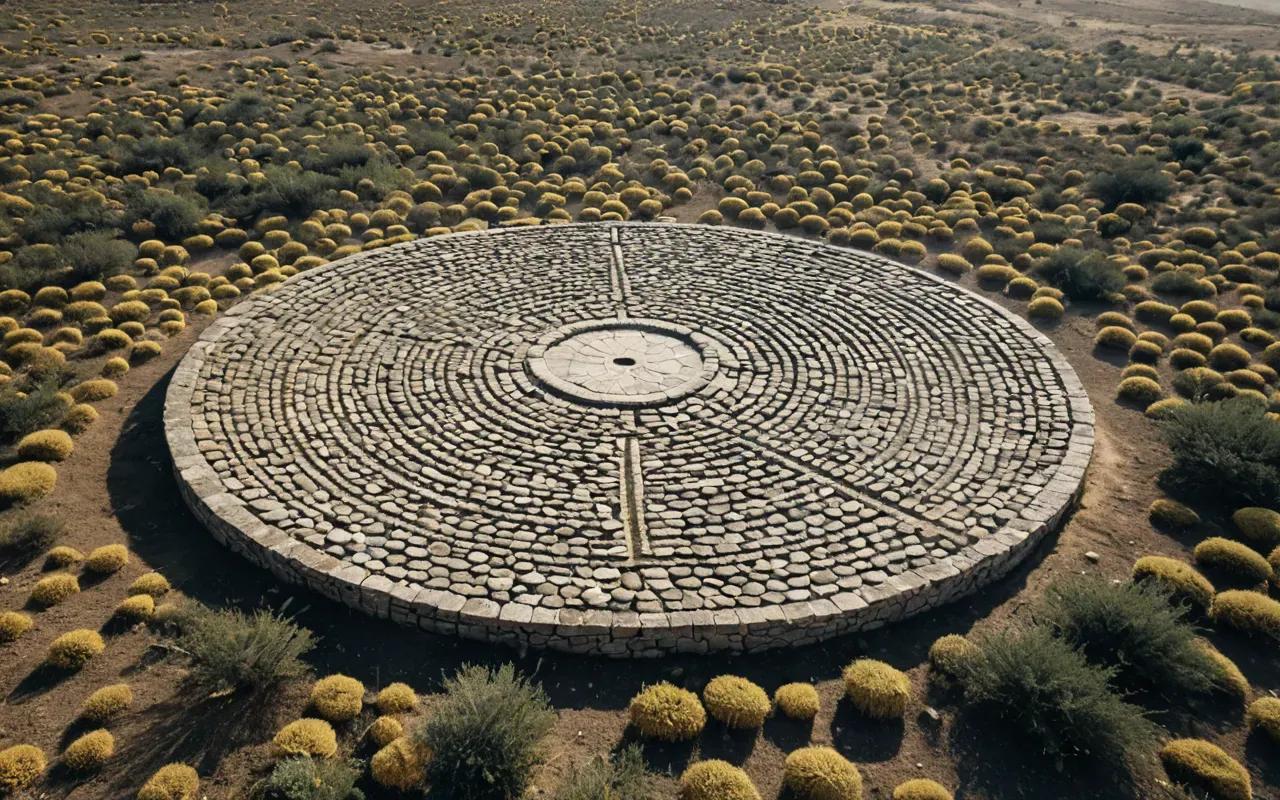
Civilizations rose and fell repeatedly between them. The Bronze Age collapse wiped out many cultures. Göbeklitepe itself was intentionally buried by its builders.
That burial act is fascinating in itself. They did not abandon it due to disaster. They filled the pits deliberately with tons of earth. Why would they do that?
The Mystery Of Intentional Burial Practices Revealed
Archaeologists debate this endlessly. Some think it was a sacred closure ritual. Others suggest political shifts led to suppression of the old cult.
Either way it shows agency and planning. They controlled their own legacy by hiding it from view for millennia until modern excavators found it.
This contrasts sharply with Roman sites left exposed to weather and looters for centuries. The preservation of Göbeklitepe is unique precisely because it was hidden.
How We Should Understand Early Religious Structures Instead
We need to stop viewing Göbeklitepe through a modern lens. It is not a church or mosque equivalent. Its function was likely ceremonial and communal.
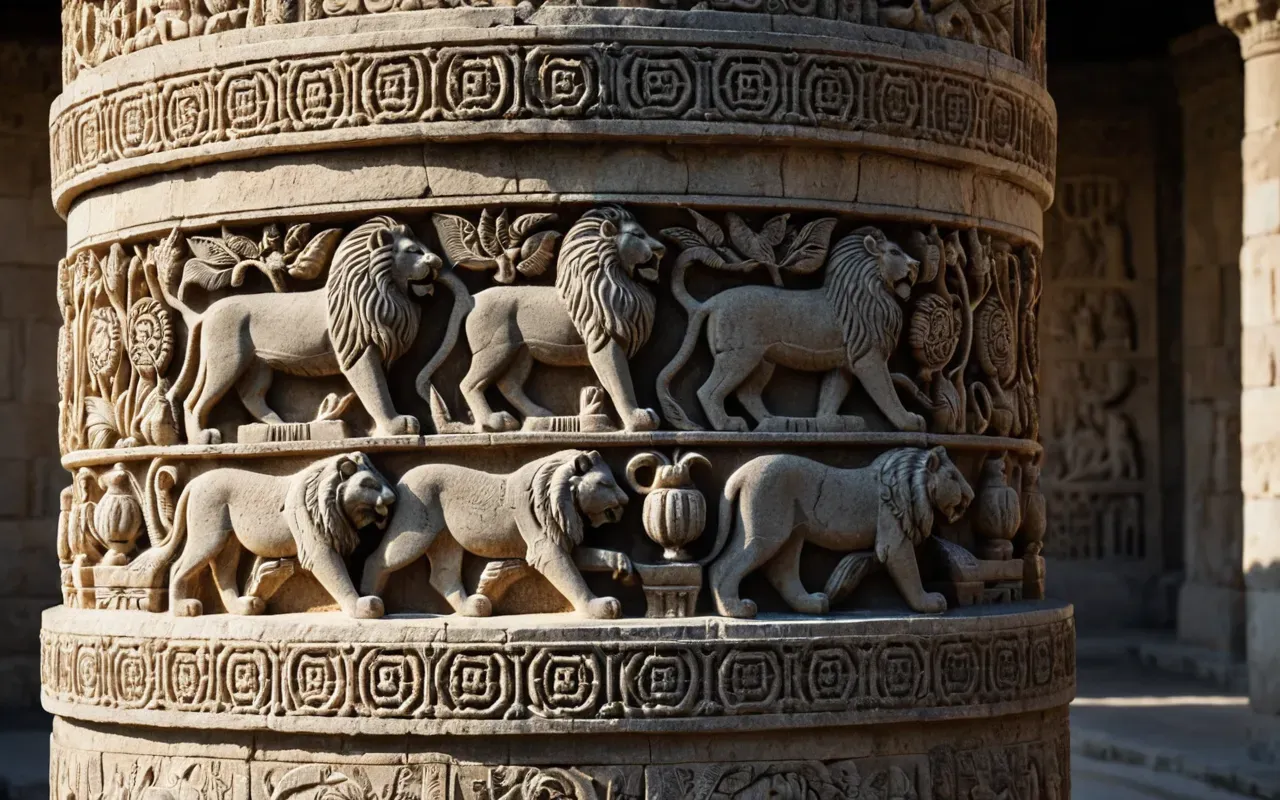
The T-shaped pillars may represent abstract humans or deities. The animal reliefs suggest interaction with nature spirits. This worldview predates monotheism entirely.
Understanding this requires dropping our assumptions about progress. Complexity did not come from technology alone. It came from shared belief systems binding groups together.
Revisiting The Narrative Of Social Evolution Models
Traditional anthropology assumed simplicity led to complexity gradually. Hunting bands became farmers who built villages which grew into cities with temples.
Göbeklitepe proves this sequence wrong. The temple came first. Settlements followed later elsewhere in the region. Cause and effect are reversed here.
This challenges everything we thought about state formation. If belief drives organization then ideology is the foundation of civilization not agriculture.
Ideology As The True Driver Of Civilization Progress
Consider the implications for modern society. Do we still organize around shared myths? Money nations and laws are all forms of collective belief systems.
Nothing has changed fundamentally. We still gather in large groups bound by abstract ideas rather than immediate survival needs alone.
The builders of Göbeklitepe understood this instinctively. They knew that shared meaning could mobilize thousands without force or technology.
Correcting The Record For Future Visitors And Scholars
Travel guides have immense influence. They shape how millions perceive history around the globe. Accuracy matters more than convenience here.
We should demand better context from publishers like National Geographic. They have the resources to explain these nuances clearly without oversimplifying.
Göbeklitepe deserves its own section separate from classical antiquity. It belongs in a category all on its own as the dawn of monumental architecture.
The Role Of Media In Shaping Historical Understanding Today
Magazines prioritize aesthetics often over substance. Beautiful photos sell copies faster than dense historical analysis ever could.
But this creates a superficial understanding among readers. People think all ancient sites are similar because they look alike in pictures.
We must push back against this trend. Education is part of tourism too. Visitors should leave knowing why each site matters uniquely in human history.
Educational Tourism Needs Deeper Contextual Frameworks Now
Museums and guides can do better. They should highlight the chronological gaps clearly on maps and signage.
Imagine walking through Şanlıurfa knowing you stand near the oldest sacred space ever discovered. That changes how you view every other ruin nearby.
It gives perspective on human ambition and spiritual need across millennia. We have always sought connection with something greater than ourselves.
Rethinking Our Connection To These Ancient Places Now
When I visited Göbeklitepe recently the silence struck me deeply. No crowds pushing past like at Ephesus or Istanbul sites.
Just the stones standing alone under vast skies. It felt like stepping back into a time before words shaped our world significantly.
That experience cannot be captured fully in any magazine article. You have to witness it yourself to grasp the magnitude of what happened there.
Personal Reflections On Visiting Neolithic Sacred Ground Today
I stood near Pillar A which was never finished. It still shows tool marks clearly after ten thousand years.
Seeing those imperfections humanized the builders for me instantly. They were not gods or aliens as some claim online.
They were people just like us who wanted to create something lasting. Their drive echoes through time clearly despite the silence.
Human Continuity Across Ten Thousand Years Of Change Shown Clearly
We still build monuments to honor beliefs we hold dear. Skyscrapers churches and stadiums serve similar purposes today.
The materials change but the impulse remains constant within our species. That is what makes Göbeklitepe truly universal.
It connects us directly to our ancestors in a way few other places can achieve effectively across such distance.
Conclusion Why Context Shapes Our Perception Of Antiquity Deeply
Travel guides simplify history for consumption ease. But simplification often leads to distortion over time when repeated frequently.
Göbeklitepe is not merely another stop on a tour. It represents the beginning of organized human spirituality globally.
We owe it to ourselves and future generations to tell its story accurately. No more blending epochs together carelessly.
Final Thoughts On Preserving Historical Truth In Popular Media Formats
Readers deserve better than shallow overviews. They want to understand why places matter fundamentally not just where they are located geographically.
Göbeklitepe challenges our deepest assumptions about progress and development. It forces us to reconsider what makes civilizations possible initially.
Let us honor that challenge by treating the site with respect and accuracy in all future publications widely distributed.
Call To Action For Responsible Historical Storytelling Standards Established Now
Share this perspective with others who love history and travel. Help spread accurate information about Neolithic achievements worldwide.
Encourage publishers to invest more in factual depth rather than superficial beauty shots alone consistently going forward.
Our collective memory depends on getting these stories right from the very start of recorded human activity effectively.
If you want to explore deeper how history textbooks get this wrong, check out further analysis on shifting paradigms in archaeology recently published.
Also consider reading about the man who argued religion came first to understand the academic debates behind this topic thoroughly.
Finally look into how the stones were actually moved to appreciate the engineering feats achieved without modern machinery assistance.