Why This Sunken Turkish City Proves We Got Human History Completely Backwards
The Water Is Not Hiding The Truth It Is Revealing A New Timeline
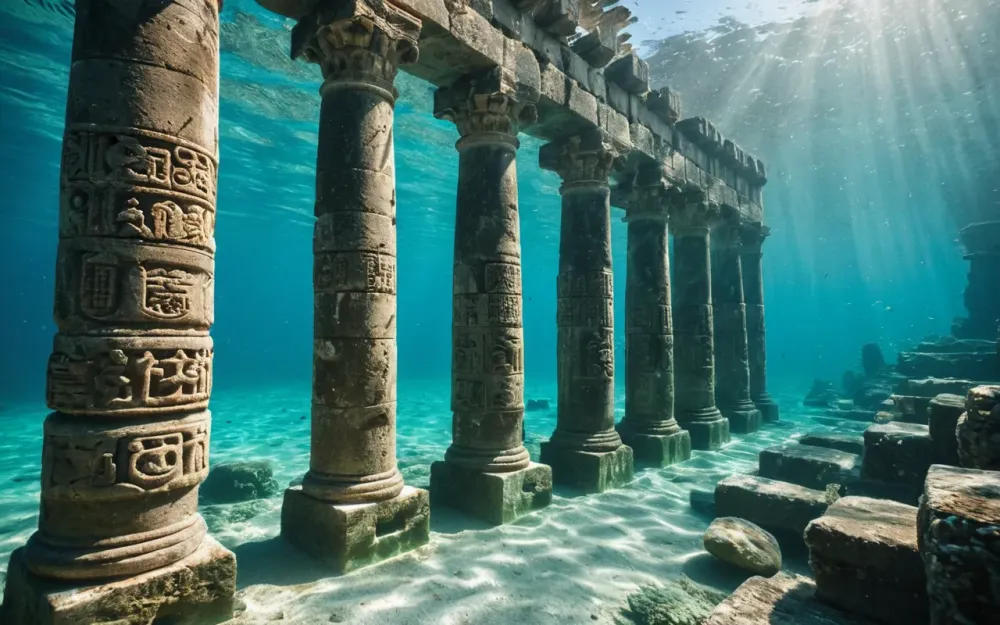
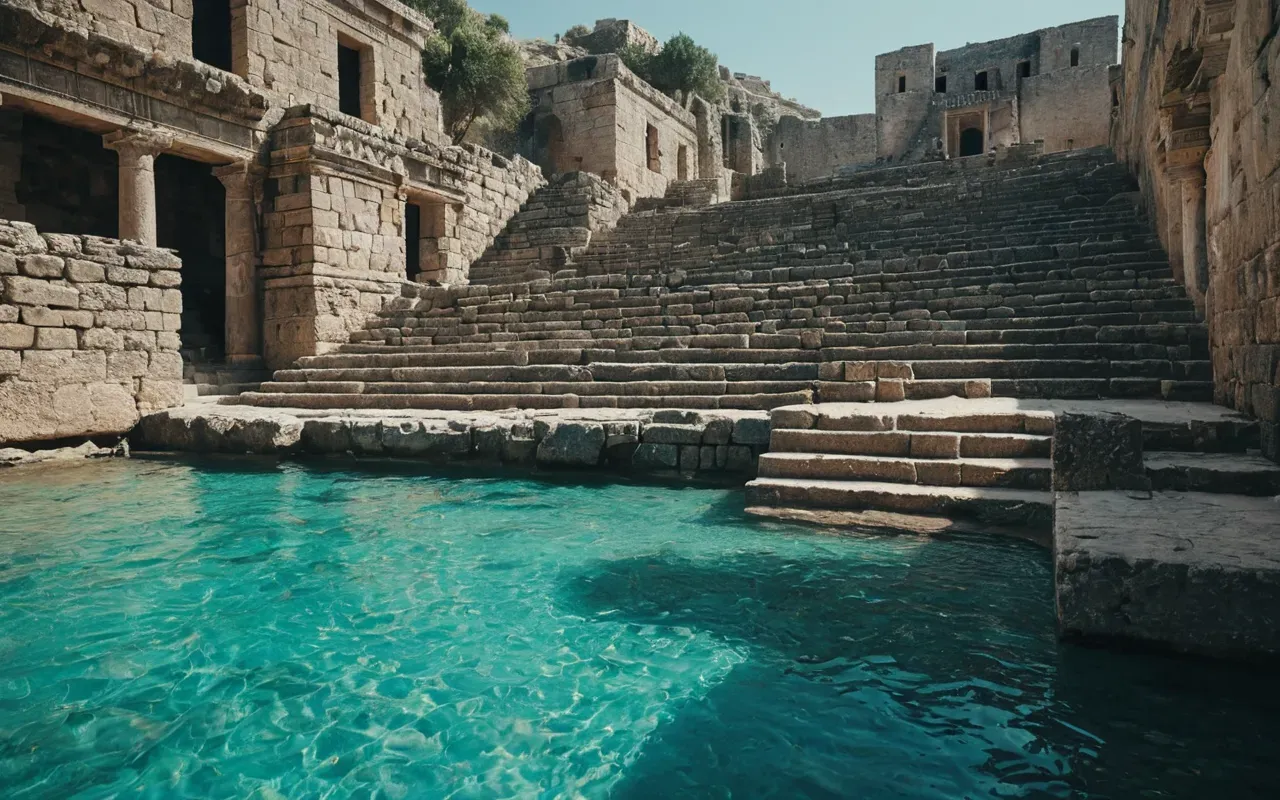
Look at the water off the coast of Kekova. It is crystal clear. Beneath those turquoise waves lie the streets and homes of Simena. This ancient city did not just fade away slowly over millennia. It sank suddenly due to powerful earthquakes in antiquity. The shockwave was so intense that it reshaped the entire landscape.
Most people think of history as a steady climb. They believe civilization started with farming tools and simple villages. Then came cities. But the submerged ruins here tell a different story. The structures are monumental. They suggest a society that was already complex before disaster struck.
I have seen many archaeological sites. Most feel dead and dusty. Simena feels alive under the sea. The stone staircases still descend into the depths. You can trace the foundations of former homes with your eyes from a boat above. It is haunting.
Why The Lycians Built Here Matters More Than You Think
The Lycians were not just random tribes. They left a lasting mark on Turkey's southern coast. Their rock-cut tombs are monumental. Stone sarcophagi dot the landscape. These structures required immense planning and labor. And this raises a critical question for us today.
How did they organize such large-scale projects? We often assume early humans were too scattered to build anything grand. But Simena proves otherwise. The harbor towns suggest a sophisticated understanding of trade and geography. They knew how to use the sea.
And here is where it gets interesting. The UNESCO Tentative List added this site in 2000. Protection measures are strict now. Swimming directly above the ruins is prohibited. This shows we finally recognize their fragility.
The Myth Of Primitive Beginnings Is Crumbling Fast
We keep hearing that religion came after farming. That belief systems were a luxury for settled societies with surplus food. But look at the evidence from Simena and nearby sites like Göbeklitepe. The timeline is flipped.
If you want to understand this better check out the discussion on the man who dared to say religion came before farming. It challenges every textbook narrative we were taught in school.
Simena was not a primitive camp. It was an organized community with distinct social roles. The presence of ancient coins and pottery on the seabed confirms this. These are signs of trade networks that spanned vast distances.
Kalekoy Offers A Living Window Into The Past Without The Crowds
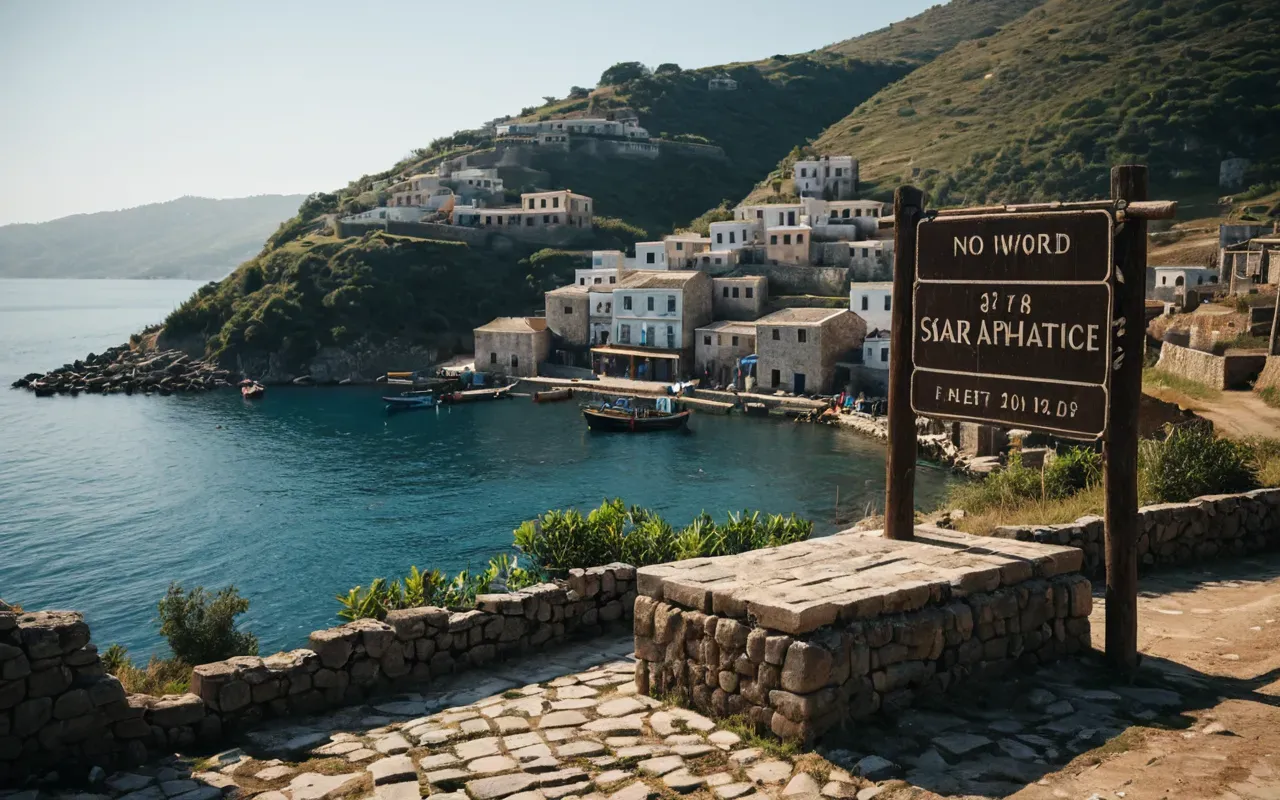
On the shore sits Kaleköy. It is the modern successor to ancient Simena. The village retains its authentic character. There are no massive resorts here. Just a peaceful fishing community crowned by a medieval fortress.
You can only reach it on foot or by boat. This isolation preserves its charm. The view across the bay is breathtaking. It makes you wonder how life has changed little in spirit even if the geography shifted.
One sarcophagus rises directly from the water. It has become an iconic image of the region. It seems to defy time itself. Standing next to it feels surreal. The stone is worn but intact.
This continuity is rare in archaeology. Usually sites are abandoned completely. Here the land remains inhabited. The connection between past and present is tangible. You can feel it walking through the narrow streets.
Why Your Guidebook Might Be Missing The Point Entirely
Most travel guides focus on the visuals. They tell you where to take photos. But they miss the deeper implications of sites like Simena and Göbeklitepe. These places force us to rethink human progress.
Consider the construction techniques. The builders had no iron tools. No wheeled vehicles. Yet they moved massive stones with precision. How? We still do not have a complete answer.
For more on this mystery read about the shocking truth about how Göbeklitepe was really built. It suggests we underestimated Neolithic engineering capabilities significantly.
Simena adds another layer to this puzzle. The harbor structures are intricate. They required sophisticated hydrological knowledge. This was not trial and error. It was applied science.
Visiting The Ruins Requires Respect And A Change In Perspective
Boat excursions depart from Üçağız. This is the most popular way to see Simena. You cruise along the coastline and spot landmarks. It feels like a treasure hunt.
Kayaking offers an even closer look. You can paddle near the ancient harbor. Parts of its structures are just meters below the surface. The silence underwater is profound.
Hikers can follow the trail linking Üçağız and Kaleköy. The route passes through spectacular landscapes. It connects nature with history seamlessly.
But remember the rules. Do not swim over the ruins. This protection is vital for preservation. We are guests in their house.
The Bigger Picture Of Human Origins Is Shifting Rapidly
New discoveries keep emerging. Recent finds suggest our timeline is much older than we thought. The drought in other regions uncovered hidden roads that hint at vast ancient networks.
If you are curious about this read the article on how a drought uncovered a King's Road. It implies our history is far more connected than previously believed.
Simena fits into this emerging narrative. It is not an isolated event. It is part of a broader pattern of sophisticated early societies.
The earthquakes that sank Simena were tragic. But they also preserved it. Without them we might never have seen these structures so clearly.
What This Means For Modern Understanding Of Progress
We define progress by technology. By steel and concrete. But these ancient people achieved something else. They built community on a massive scale without industrial tools.
Their legacy is not just stone. It is the idea that belief can drive action. That shared purpose can move mountains literally.
Simena reminds us that we are not so different. We still seek connection. We still build monuments to outlast ourselves.
Next time you see a photo of those underwater stairs pause. Think about the hands that built them. And think about why they chose to build there in the first place.
The answer might shock you. It was not just survival. It was expression.