
Göbeklitepe's Latest Discoveries Challenge Humanity's Long-Held Beliefs about Our Origins
The Unearthed Artifacts That Defy Conventional Human History
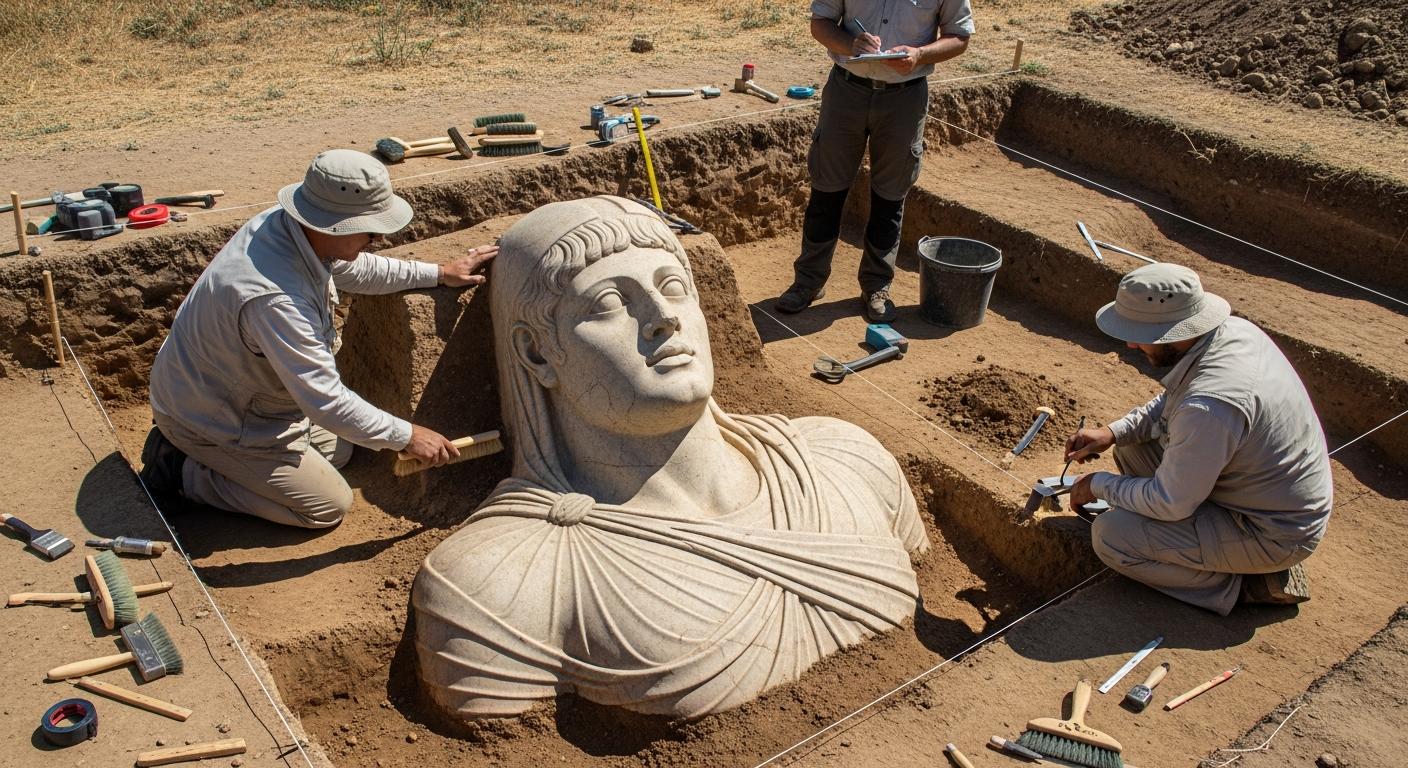
In the latest excavation season at Göbeklitepe, what has truly captivated archaeologists worldwide is a series of artifacts that seem to suggest a level of technological and spiritual sophistication previously thought impossible for the Neolithic period. Among these findings, a human-like statue featuring anatomically detailed features has raised eyebrows. Not only does it point to a complex understanding of human form, but its craftsmanship hints at skills that rival or even surpass those of later civilizations. This challenges the long-held view that early humans relied solely on simple tools and believing in basic spiritual concepts. Instead, these artifacts imply an ancient knowledge base that could potentially reset our understanding of early human capabilities and beliefs.
Reimagining Ancient Spirituality and Technological Knowledge
These discoveries compel us to reconsider the narrative that early humans were simply hunters and gatherers with rudimentary spiritual beliefs. The precision and symbolic carvings on newly uncovered relics point to a sophisticated spiritual foundation—one that might have included complex rituals or even early forms of astronomical understanding. This aligns with emerging theories found in works like Göbeklitepe and the Dawn of Human Civilizations, which suggest that the site served as a spiritual hub for civilizations far more advanced than previously believed. It appears that early humans may have possessed a knowledge of their universe that was lost over millennia, buried beneath layers of myth and our own forgetfulness. Such insights could radically alter our view of the human journey, revealing a shared past rich with technological ingenuity and spiritual depth.
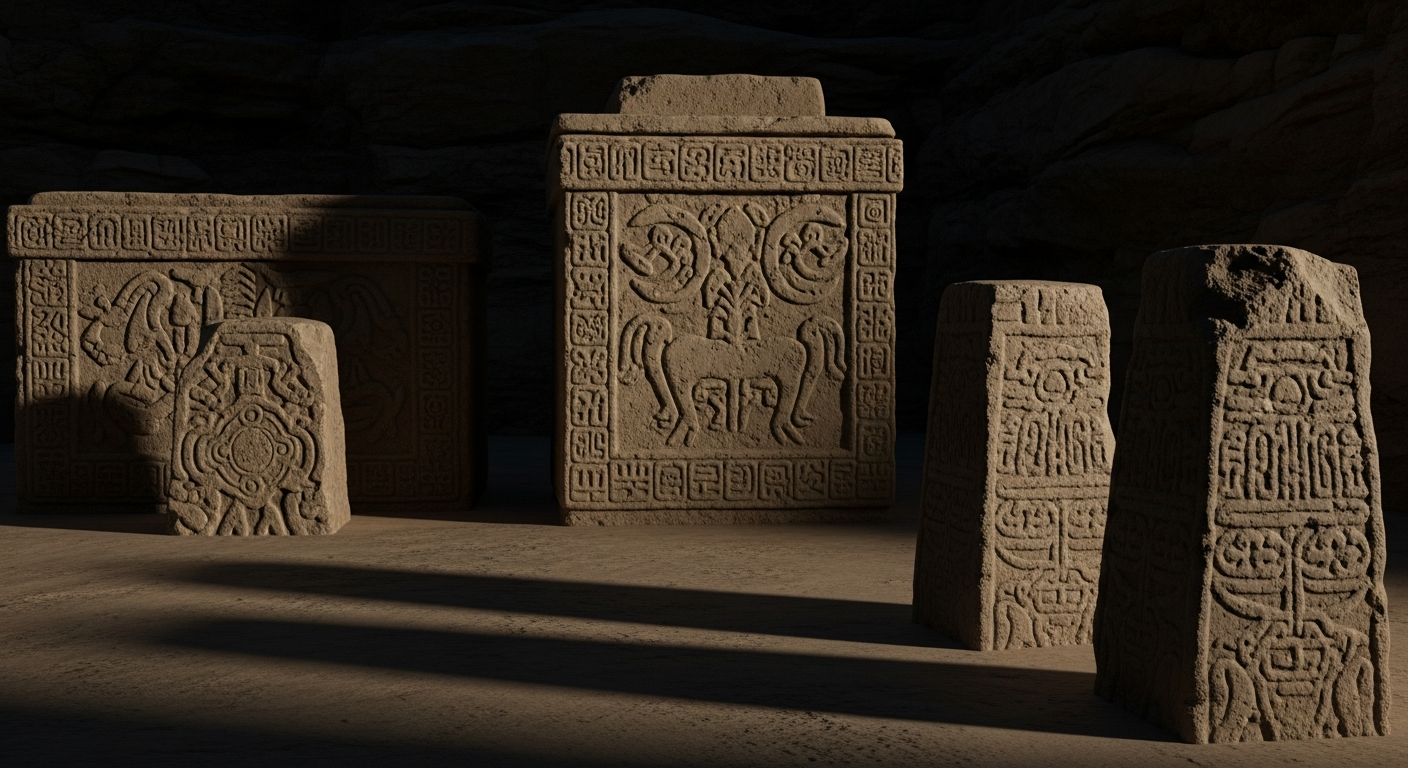
The implications of these recent discoveries are profound. If Göbeklitepe indeed housed advanced knowledge—contrary to the assumption of primitive early societies—then the history we have long accepted may be only a fragment of the truth. The notion that early humans could conceive of complex spiritual systems, technology, and architecture calls for a reassessment of our entire historical timeline. Such findings resonate with the ongoing debates about the origins of civilization, possibly indicating that the roots of human ingenuity extend deeper and are more interconnected than we once thought. These revelations could pave the way for a new understanding that recognizes early humans as creators of an advanced, perhaps even global, spiritual and technological wave that was early and lost, only to be rediscovered centuries later.