Your history books lied about who invented farming first
The Big Lie About Human Progress
We have been told a very specific story about how civilization began. It starts with survival. People huddled in caves and fought for food. Then someone figured out how to plant seeds. That single act changed everything. We became farmers first. And because we farmed, we stayed put.
It is a clean narrative. It makes sense to modern minds that value production and efficiency. But look closer at the dust of Şanlıurfa. The evidence is staring us in the face. We built massive structures before we learned how to grow wheat.
This is the plot twist that keeps archaeologists up at night. It breaks our fundamental assumption about human development. We assumed complexity required a stable food source first. Göbeklitepe proves we were wrong.
What The Stones Actually Say About Us
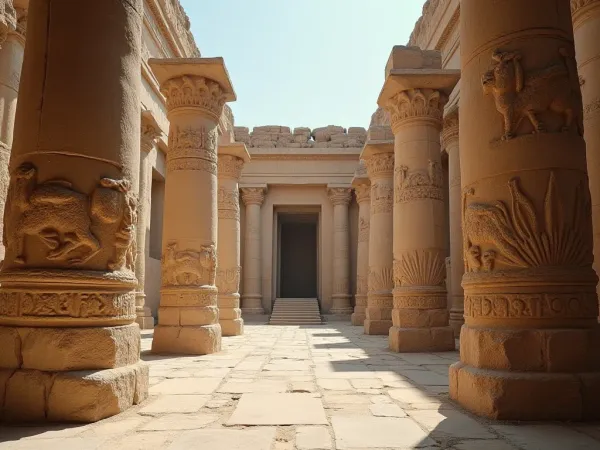
I spent hours reading the excavation reports from Prof. Dr. Necmi Karul’s team. The details are startlingly modern for a prehistoric context. These people had architects. They had artists. They had engineers who understood load-bearing structures.
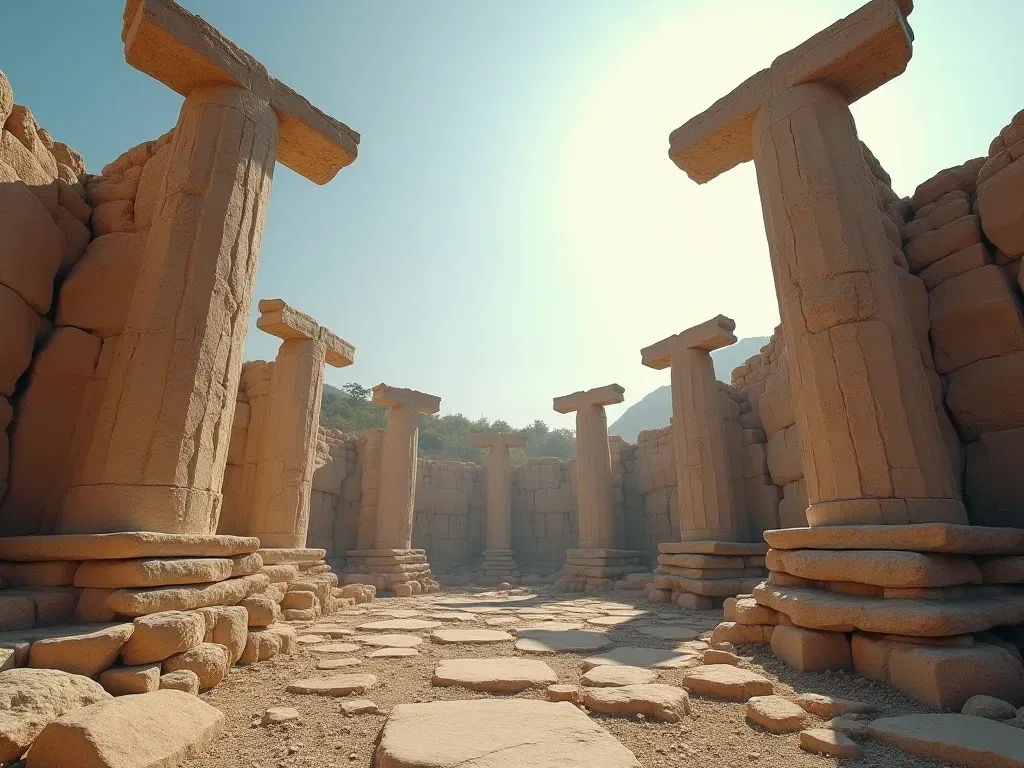
Think about the scale of this. We are talking about the late tenth millennium BCE. No metal tools existed yet. Only stone and wood were available to these builders. Yet they erected structures that still stand today.
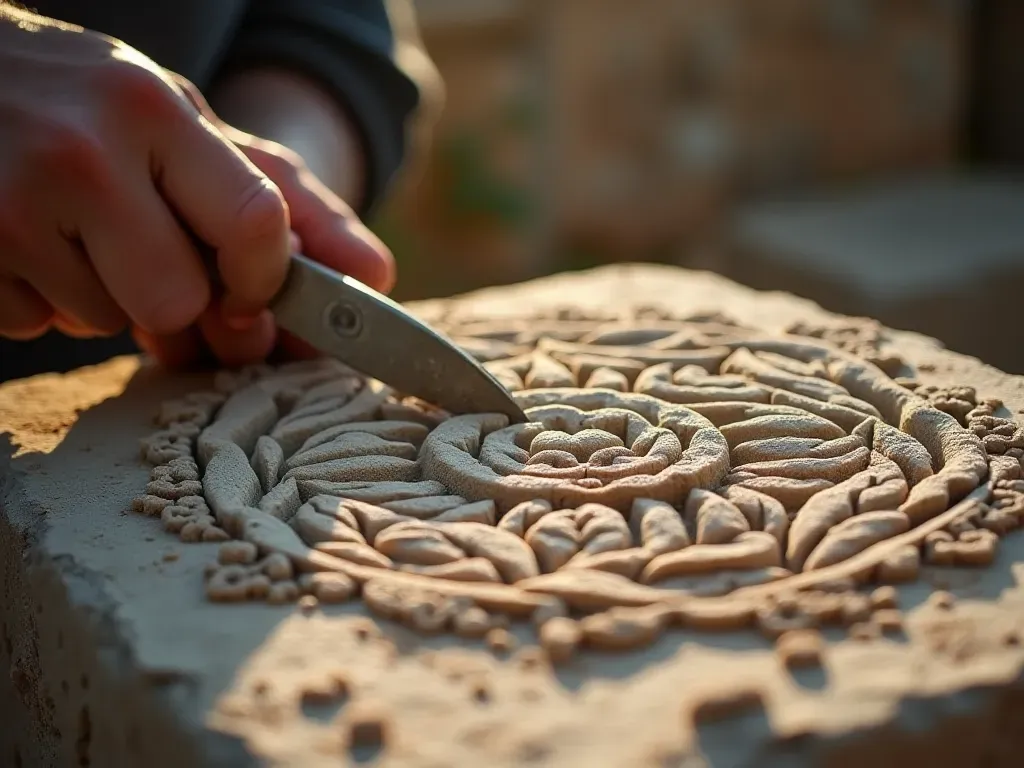
The carvings are not random scratches. They depict vultures and ducks with anatomical precision. This is high-level artistic expression. It requires a society that values creativity as much as survival.
If you are interested in how we misinterpret ancient intent, check out how Göbeklitepe was never a temple. The evidence suggests these were social hubs rather than religious sites.
The Architecture Of Social Cohesion
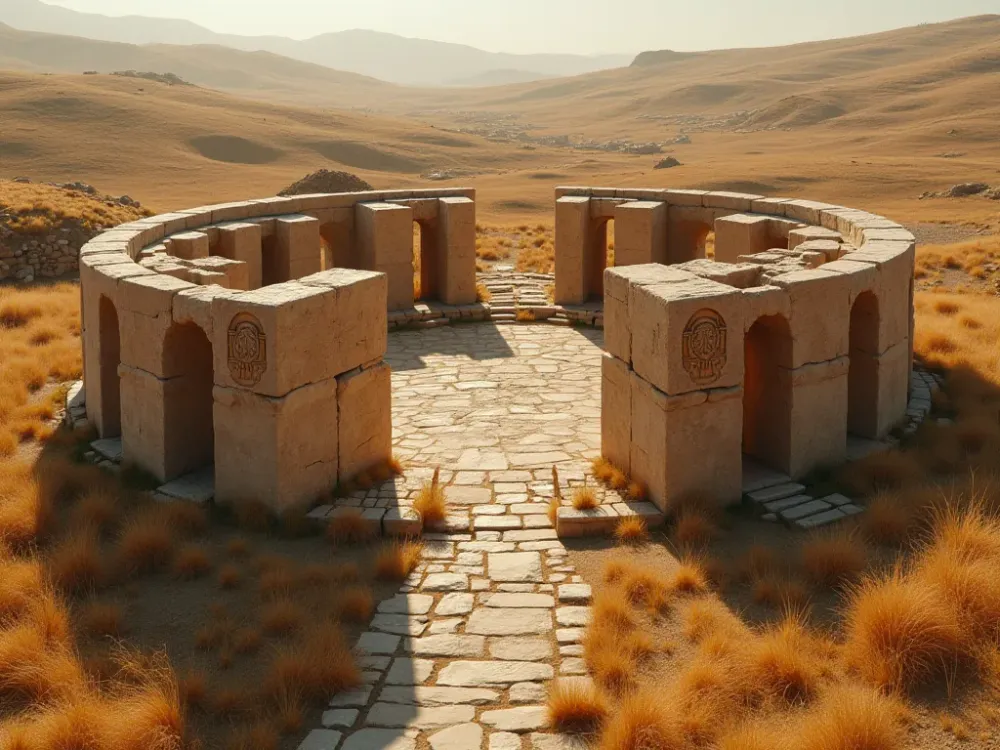
Why did they build these circles? The old answer was religion. But the new data points to something more practical and human. Community building.
Imagine a group of hunter-gatherers deciding to build a permanent meeting place. They do not have surplus food yet. But they want to stay together. The structure becomes the anchor for their society.
The buildings held them together. The need to maintain the site forced them to stay local. And staying local gave them time to experiment with plants.
Why This Changes More Than You Think
Most people think of agriculture as a sudden breakthrough. A lightbulb moment in history. But it was likely a slow process driven by necessity.
Once they settled near the T-shaped pillars, they observed wild cereals more closely. They noticed which seeds grew best. Over generations this observation turned into cultivation.
This flips the causal arrow completely. We do not farm because we settled. We settled first and then learned to farm.
This has huge implications for how we view modern urbanization. We often claim cities create culture. But Göbeklitepe suggests that human connection drives the creation of infrastructure.
The Myth Of The Primitive Cave Dweller
Our pop culture is obsessed with the idea of primitive humans. They are depicted as rough and unrefined. But these people designed complex social spaces.
They had story tellers. They had designers who understood aesthetics. This is not a primitive society. It is a sophisticated one that simply lacked metal tools.
The gap between their capabilities and our assumptions is massive. We underestimate them because they did not leave behind written records.

The Real Reason We Got It Wrong For So Long
We view history through a modern lens. We assume that production efficiency is the driver of social complexity.
But for early humans, identity and belonging were likely more important than food production. The pillar circles served as social magnets.
This is a radical idea in archaeological circles. It suggests that culture drives economy rather than the other way around.
If this holds true for Göbeklitepe it likely applies to other early settlements across the world. We need to re-evaluate our entire timeline of human development.
What This Means For How We See Ourselves Now
There is a humbling lesson here. We often feel superior to our ancestors because we have technology.
But these people solved problems with nothing but stone and ingenuity. They built structures that have lasted twelve thousand years.
Our modern buildings often crumble within a century. Their stone circles remain standing. That is not just history. It is an insult to our current engineering standards.
It forces us to ask what we value. Do we prioritize speed and convenience or durability and meaning?
The Ongoing Debate Among Archaeologists Today
Not everyone agrees with this new interpretation. Some scholars still cling to the traditional view that agriculture came first.
The dating methods are constantly being refined. Carbon dating has its limits and sometimes yields conflicting results.
However the physical evidence of construction before cultivation is hard to argue with. The pillars stand as proof.
As more sites around the world are excavated we may find similar patterns. This could rewrite textbooks globally.
Why You Should Care About Twelve Thousand Years Ago
Understanding our past helps us understand who we are. It challenges the narratives that define our self-image.
It reminds us that human potential is not limited by our tools. It is driven by our connections.
Göbeklitepe is not just a pile of old rocks. It is a mirror reflecting our own assumptions about progress.
So the next time you think of history as a simple march forward remember these stone builders. They were ahead of us in many ways.