Why The History Channel Gets Göbeklitepe Wrong
The Screen Versus The Dig Site
Turn on the television, and there it is: the orchestral swell, the slow pan across weathered limestone, the narrator dropping his voice to a whisper about lost civilizations and impossible engineering. I've watched enough of these segments to memorize the pacing by heart. They present the site as a puzzle left behind by someone else — as if the people who built it were strangers to their own creation. That framing misses the real point entirely. The actual story is far more interesting than any manufactured mystery.
Archaeologists have been scraping dirt off these stones for decades now. And the data they've collected tells a completely different story. What we're looking at is a group of early foragers who organized massive cooperative projects — moving multi-ton monoliths without wheels or metal tools. That took coordination, shared belief systems, and sustained labor across generations. None of it requires supernatural explanations to make sense. The evidence is already sitting right in front of us.
I keep seeing the same recycled clips pop up on streaming platforms. They emphasize the sheer age of the complex. Then, without missing a beat, they pivot to speculative theories about advanced knowledge and forgotten technologies. That leap ignores the actual excavation records. It skips over the stratigraphy, the tool marks, the settlement debris. The stones were quarried nearby. The transport routes are still visible in the landscape. The labor force was local.
What Television Leaves Out
Documentaries love a dramatic hook. They need to capture viewers within the first thirty seconds. That means emphasizing mystery over methodology. But the real work happens slowly, in muddy trenches, under harsh sun. Researchers catalog every shard of pottery and every animal bone. They map soil layers with millimeter precision. That process rarely makes it past the editing room. It's simply too quiet for prime time broadcasting.
Klaus Schmidt arrived at the mound in 1994. He spent years carefully uncovering the circular enclosures. His team documented the layout, the pillar orientations, and the deposition patterns in meticulous detail. The findings were published in peer-reviewed journals. They showed a clear progression of construction phases. Television producers rarely cite those papers. They'd rather quote sensationalized interviews instead — it's easier, and it fits the format.
The omission isn't accidental. It's a structural choice. Broadcast networks prioritize retention metrics above all else. Suspense keeps people watching until the commercial break. Factual nuance doesn't trigger the same dopamine response. So the narrative shifts toward the unknown. We get whispered theories instead of measured conclusions. The actual builders get pushed into the background of their own story.
The Real Builders Were Just Us
Human ingenuity often gets dismissed when it challenges our comfort zone. We expect monumental architecture to arrive alongside writing systems. We assume complex society requires surplus grain storage and centralized bureaucracy. That timeline simply doesn't match the physical record. These people organized themselves around shared ritual spaces. Feasting residues show massive meat consumption. The social glue was belief, not administration.
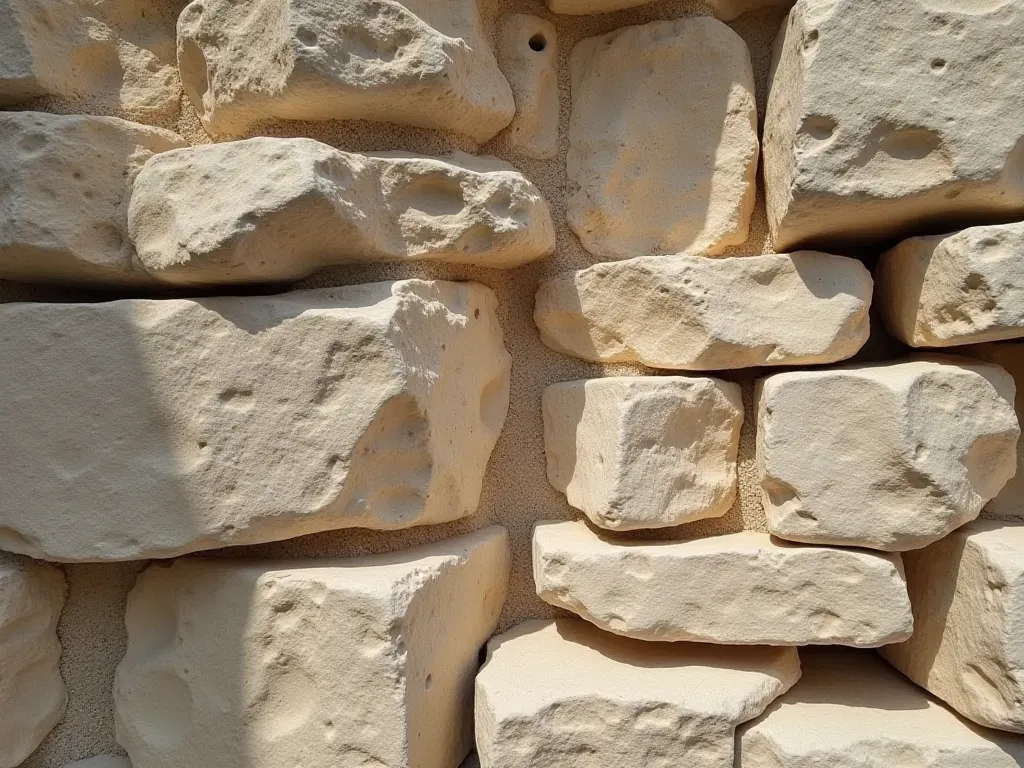
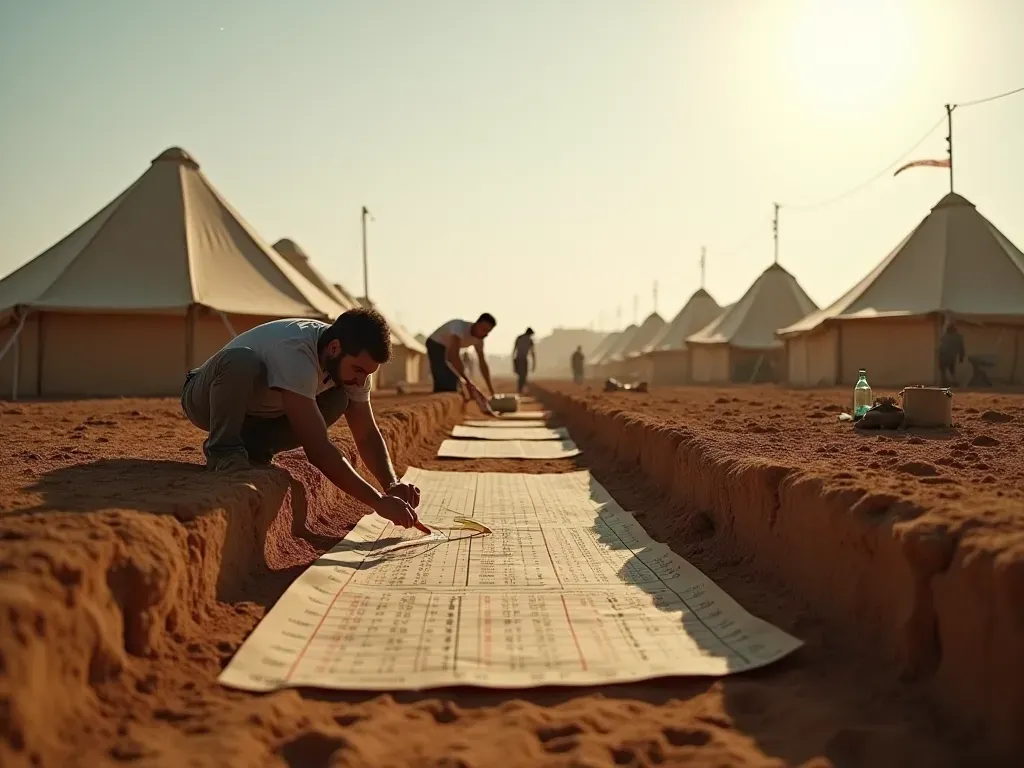
I've stood near the quarries myself. The bedrock fractures cleanly along natural seams. Ancient workers exploited those weaknesses with wooden levers and stone pounders. The tool marks match those techniques perfectly. You can trace the removal process step by step. It was exhausting work. It required hundreds of participants over many seasons. But it was entirely within human capability.
Modern viewers struggle to picture foragers moving tons of rock. We associate hunter-gatherers with small, mobile camps. That stereotype collapses under direct observation. Ethnographic studies show nomadic groups undertaking massive cooperative projects all over the world. Seasonal gatherings naturally concentrate labor. The stones were likely raised during peak population windows. The logistics were difficult, sure. Not impossible.
Chasing Drama Over Data
The most frustrating part is the repeated misrepresentation of scale. Broadcasters treat the complex like a single unified temple. The reality involves multiple enclosures built across centuries. Each circle has distinct architectural features. Some pillars were decorated before placement. Others were carved after erection. The construction phases overlap in complex ways. Simplifying that timeline creates false impressions that persist in public memory.
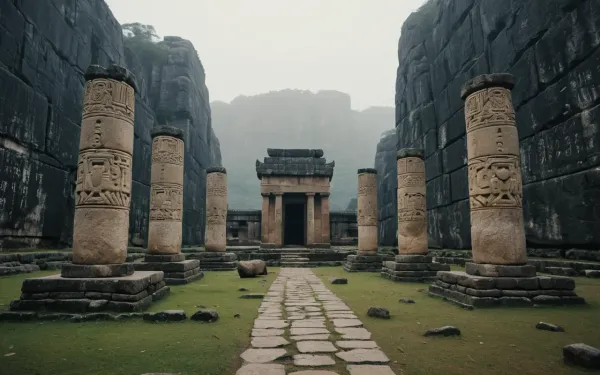
I keep noticing the same visual shortcuts in every new episode. They pan over Pillar 43 and immediately claim it represents a supreme deity. The relief actually shows a stylized human figure holding snakes. That iconography likely tied to seasonal cycles or clan identity. Interpreting it as a god king ignores the broader context. The carvings functioned as a visual language. They communicated shared values to local groups.
The narrative also ignores the intentional burial. Around eight thousand years ago, workers deliberately backfilled the enclosures. They packed the pits with sterile soil and debris. That action preserved the structures for modern discovery. It proves the site had a planned lifecycle. Ritual spaces weren't abandoned. They were carefully closed. Television rarely explains why that matters.
Carbon Dates Do Not Lie
Radiocarbon measurements anchor the entire site. Multiple samples from different trenches converge around 9,500 years ago. That places construction firmly in the Pre-Pottery Neolithic. The timeline aligns with broader climatic shifts. The Younger Dryas period ended. Warmer temperatures allowed plant resources to flourish. Those environmental changes supported larger gatherings.
Documentaries often gloss over the dating process itself. They mention the age as a shocking fact. Then they move straight to speculation about hidden knowledge. Skipping the methodology weakens the entire argument. Accelerator mass spectrometry provides precise ranges. Cross-referencing multiple samples removes outliers. The chronological framework is solid. It doesn't need fictional padding to hold up.
I find it strange that networks avoid discussing calibration curves. Atmospheric carbon ratios fluctuate over millennia. Researchers adjust raw measurements using dendrochronology data. That correction step is standard practice. It ensures accuracy across different regions. The final dates reflect rigorous scientific consensus. Ignoring that process makes the results look like guesses instead of verified measurements.
Reading The Animal Reliefs
Foxes, vultures, cranes, and boars cover the limestone surfaces. Each species carried symbolic weight in the local ecology. The carvings aren't random decorations. They reflect observed behavior and seasonal patterns. Predators likely represented protection or territorial claims. Grazing animals tied to sustenance and migration routes. The imagery maps directly onto the surrounding landscape.
Broadcasters love to claim the carvings show advanced astronomical knowledge. That theory relies on projecting modern concepts onto ancient art. The alignments match horizon points, yes. But tracking solstices was practical for seasonal planning. It didn't require celestial mechanics. Early communities needed predictable calendars for resource management. The stones served that exact purpose.
The vulture imagery deserves special attention. Scavengers appear repeatedly across multiple pillars. Many researchers link this to excarnation practices. Bodies were likely exposed to birds before final burial. That ritual cycle tied death to renewal. The carvings document a coherent belief system. They don't point toward extraterrestrial influence or lost technology.

Why We Still Fall For The Hype
Audiences crave explanation gaps. The human brain dislikes unresolved tension. When television highlights what we don't know, viewers fill the void with imagination. That psychological response is completely normal. It drives engagement and social sharing. But it also distorts public understanding. The site becomes a blank canvas for conspiracy theories instead of a documented archaeological record.
I've noticed how quickly comment sections derail. Scholars post measured interpretations. Then the thread floods with claims about hidden chambers and secret tunnels. The actual research gets buried under speculation. Social algorithms reward controversy. Nuanced academic writing doesn't trigger notifications. That feedback loop shapes what gets produced. Networks follow the engagement metrics, not the peer reviews.
The political dimension also plays a role. National pride fuels interest in ancient heritage. Governments invest heavily in site preservation and tourism infrastructure. That funding creates visibility. It also incentivizes promotional narratives. The line between cultural heritage and media spectacle blurs. Visitors expect wonder. Broadcasters deliver spectacle. The actual science gets squeezed out of the frame.
The Human Need For Mystery
Uncertainty feels thrilling. We enjoy piecing together fragmented clues. That curiosity drives legitimate research forward. It pushes scientists to test new hypotheses. But curiosity also fuels sensationalism. When evidence remains incomplete, speculation rushes in to fill the space. Television producers know exactly how to exploit that gap. They frame absence as proof of something hidden.
I keep returning to the excavation reports. They show clear patterns of human behavior. Feasting areas contain broken vessels and animal bones. Domestic spaces reveal grinding stones and hearth remains. The settlement expanded over generations. Each layer documents adaptation and change. The narrative is already complete. It just does not fit a dramatic script.
The stones themselves tell the truth best. They were quarried, shaped, transported, and erected. They were decorated with meaningful imagery. They were used for centuries. Then they were deliberately buried. Every phase leaves physical evidence. That evidence contradicts the floating mystery narrative. The builders were real people. Their achievements deserve proper recognition.
Frequently Asked Questions
What does the History Channel actually say about Göbeklitepe?
Network documentaries typically frame the site as an enigmatic monument that predates known civilization. They emphasize the age of the limestone pillars and speculate about advanced engineering or hidden knowledge. The broadcasts rarely detail excavation methods, stratigraphy, or peer-reviewed findings. Instead, they prioritize suspenseful narration and dramatic visuals to maintain viewer engagement.
Did aliens really build Göbeklitepe?
No credible archaeological evidence supports extraterrestrial involvement. The site was constructed by Neolithic foragers using stone pounders, wooden levers, and coordinated labor. Tool marks on the monoliths match known prehistoric techniques. Quarries and transport routes are clearly visible in the surrounding landscape. The engineering was difficult but entirely within human capability.
How old are the stone circles really?
Radiocarbon dating places the earliest construction phases around nine thousand five hundred years ago. Multiple calibrated samples from different trenches consistently converge on this timeframe. The site belongs to the Pre-Pottery Neolithic period. Construction continued for centuries before the enclosures were intentionally backfilled around eight thousand years ago.
Who first discovered the site?
Local herders and farmers had known about the mound for generations. Systematic archaeological investigation began when Klaus Schmidt arrived in nineteen ninety four. His team initiated careful excavations that revealed the circular enclosures and T-shaped pillars. Schmidt directed the project until his death in twenty seventeen, establishing the site as a major Neolithic center.