Göbeklitepe Was Never A Temple And The Evidence Finally Proves It
The Myth That Refuses To Die
Picture this. A group of travelers stands in a sun-baked circle. They point at towering stone pillars and whisper about gods. Then they walk away convinced that magic built the walls. I watched exactly this happen while filming a documentary at Göbeklitepe.
The air felt heavy with expectation. One woman insisted aliens designed the layout. Another saw Islamic prayer movements in the stone shapes. A retired pharmacist claimed kings used the site for star divination. It was a parade of modern beliefs projected onto ancient rock.
But here's the thing that stopped me cold. No one was actually looking at the data. The material evidence sat right there in the dirt and stone, waiting to be read. Instead, visitors grabbed for mystical explanations because they were easier than history.
This disconnect isn't new. For decades, the narrative has been locked in place by a single powerful claim. It suggests religion came first and drove humans into settled life. That story sells well in magazines and museums alike.
Yet the ground tells a different story. Recent surveys have shattered the idea of an isolated monument in empty space. We now know these structures were embedded within lived-in settlements. This changes everything we think we understand about early society.
Why The Temple Narrative Took Hold
The story started with a magazine cover in 2006. It linked the site to biblical accounts of Eden and Adam and Eve. This was not just archaeology; it was storytelling designed for mass consumption.
Before that burst of fame, reports focused on subsistence. They talked about storing gazelle meat and hunting traps. The structures were seen as practical depots first and sacred spaces second.
Then the script flipped. The temple became the driver of settlement rather than a feature within it. This shift aligned perfectly with political climates that favored religious origin stories over secular explanations.
Even science communication platforms have joined in. A popular evolution channel recently argued the site lacked domestic evidence. They dismissed grinding stones and water features as irrelevant to the main story.
This is where skepticism becomes essential. We need to ask why the temple story persists when evidence keeps piling up against it. The answer usually lies in who benefits from keeping the mystery alive.
What The Stones Actually Show
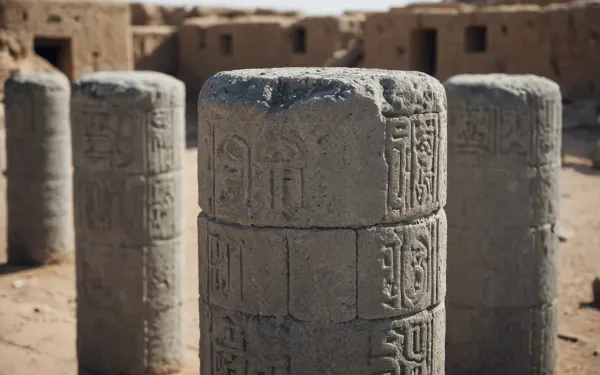
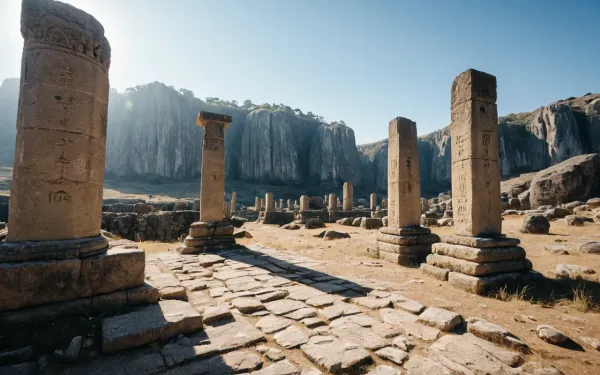
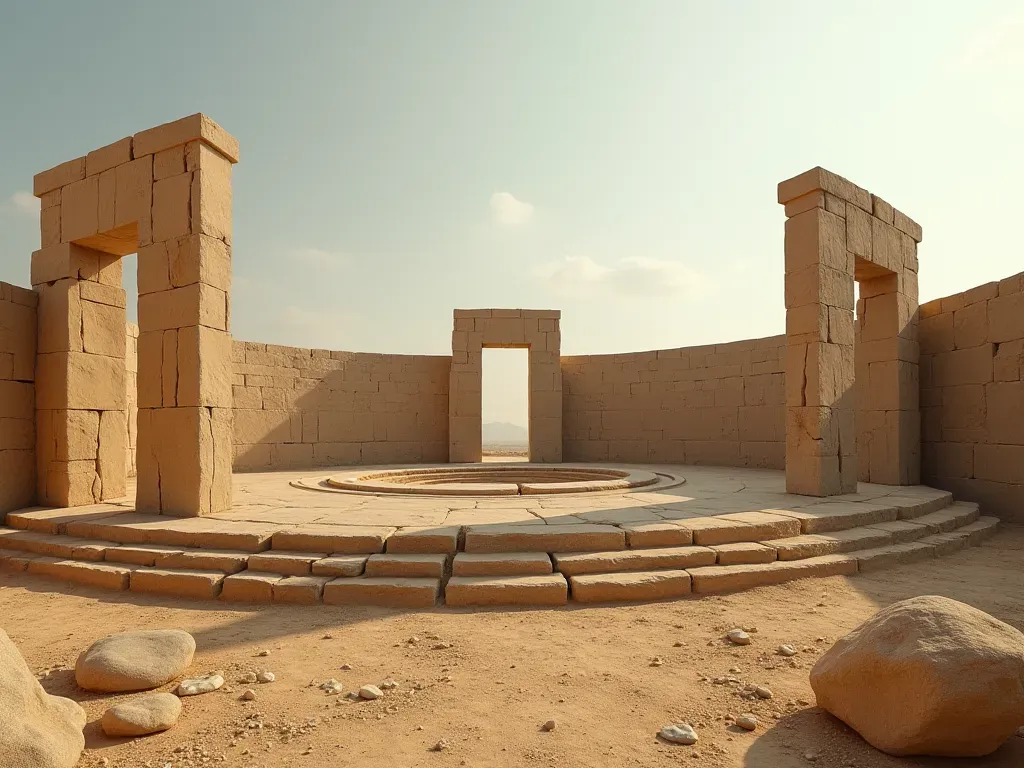
Let's look at the architecture. T-shaped pillars are not unique to Göbeklitepe. Sites like Karahantepe and Sayburç show similar designs embedded in daily life spaces.
These pillars served practical purposes. They supported roofs and defined space within homes. The larger circles simply expanded this functional vocabulary into communal scales.
Consider the backfilling process. Structures were buried and replaced over time. This practice happened at dwellings too. It was not a sacred taboo but a cycle of renewal.
Food remains tell the strongest story. Grinding stones and mortars indicate regular meal preparation. These were not empty temples waiting for worshipers; they were kitchens of a sort.
The Labor Myth That Needs Breaking
Many assume huge structures require forced labor. They imagine slaves or priests commanding workers with threats of divine punishment.
But cooperation is a human baseline. Paleolithic groups hunted in teams and shared resources for thousands of years before any state existed.
Desert kites prove this point. These massive hunting traps required thousands of people to build and operate. No single village could have managed them alone.
Göbeklitepe likely functioned as a hub for this kind of cooperation. It was a place to meet, trade, and resolve disputes without needing a king or a priest.
Ritual Is Not Religion
We often conflate ritual with organized faith. But in deep prehistory, rituals marked life events like birth and death.
They accompanied hunting seasons and community gatherings. These were practical acts that reinforced group identity without invoking supernatural deities.
The imagery on the walls reflects this complexity. Figures blend human and animal traits in ways that defy simple categorization.
Some scholars see patriarchal themes. But the evidence shows androgynous forms that challenge modern gender binaries.
These symbols likely expressed a relational worldview. Humans and nature were seen as part of one interconnected system rather than separate realms.
A New Understanding Of Early Life
Göbeklitepe was not a sudden invention of faith. It was an adaptation of older social practices into permanent architecture.
These communities were sophisticated. They managed water sources and processed wild cereals with precision.
The site reshapes our view of history. It shows that complex society did not wait for agriculture or religion to emerge.
If you want to see how other myths fall apart under scrutiny, check out this analysis on how popular media misrepresents Göbeklitepe.
The real story is about cooperation. It is a testament to human ingenuity and social complexity that existed long before written records.
We do not need gods to explain the past. We just need to look closely at what people actually did with their hands and minds.
The next time you hear about the world's first temple, ask for the evidence. The stones are speaking. We just need to listen without bias.