The History Channel Missed The Real Story Of These Ancient Stones
The Myth That TV Shows Keep Selling You
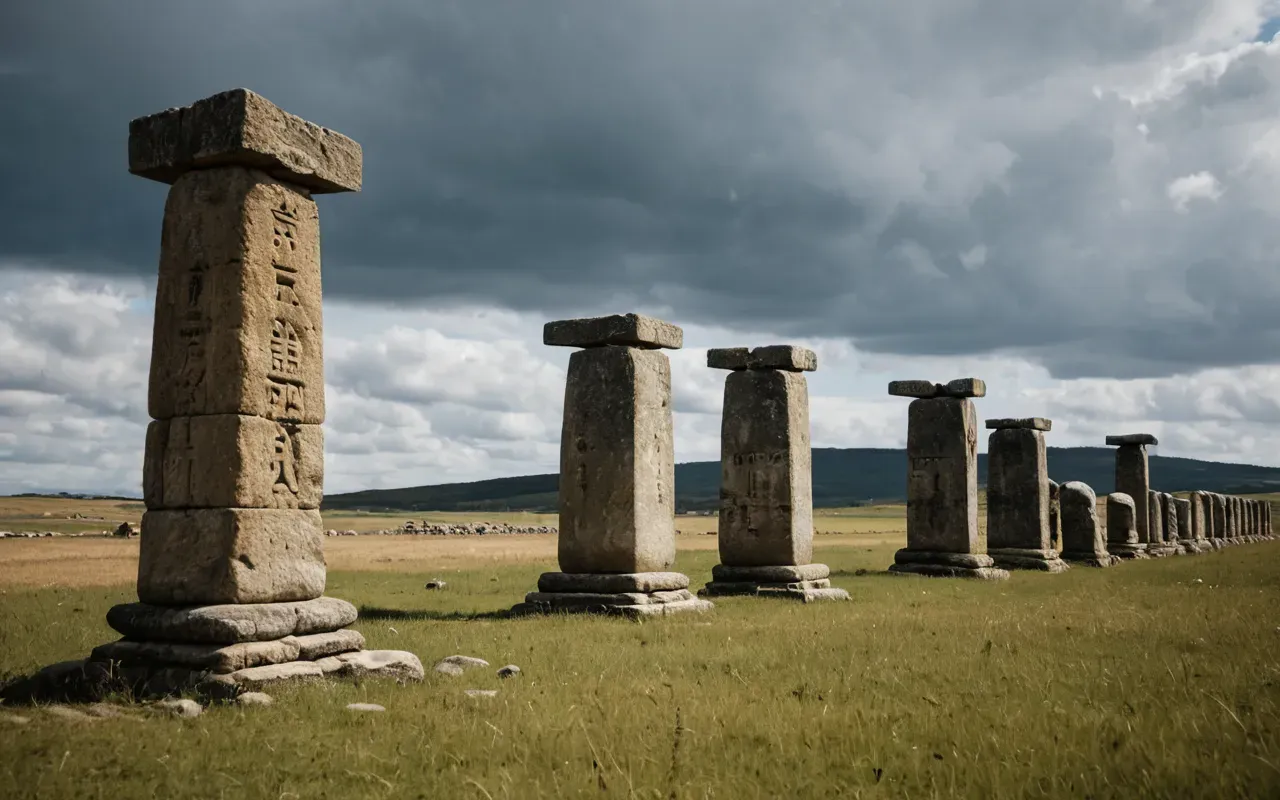
You have likely seen the clip. A dramatic voiceover hums in the background while sweeping camera shots pan across massive T-shaped pillars. The narrator calls it a temple. They say religion came first, then farming followed. It sounds epic, but it is wrong.
I have watched enough history programming to know the pattern. They want a simple story with a clear hero and villain. But human prehistory is messy, complex, and often defies neat narratives. The reality of Göbeklitepe is far more interesting than the scriptwriters imagined.
This post cuts through the noise. We will look at what excavations actually show versus what pop culture suggests. You might be surprised by how much we are getting backwards about early human life.
Why The Temple Label Is A Marketing Lie
Archaeologists are tired of the word temple. It implies a priestly class and organized worship rituals that we cannot prove existed yet. The site was likely a gathering place for hunter-gatherer groups, not a house of gods.
Think about it. If this were a temple for one religion, why are there so many distinct architectural circles? Why do the carvings change from circle to circle? It looks more like different communities meeting to trade ideas and goods rather than praying to the same deity.
If you want a deeper look at this specific debate, check out the temple label on Göbeklitepe is a modern marketing lie that archaeologists are finally dismantling. The evidence there is compelling and changes how we view social structures.
Evidence From The Excavation Trenches
Dig teams found animal bones and stone tools in layers that suggest feasting. Large quantities of aurochs remains point to communal meals. This was social bonding through food, not religious sacrifice in the traditional sense.
The layout encourages movement and interaction. People walked between the central pillars to see each other from different angles. It was designed for sightlines and conversation.
The Mechanical Secret Behind The Pillars
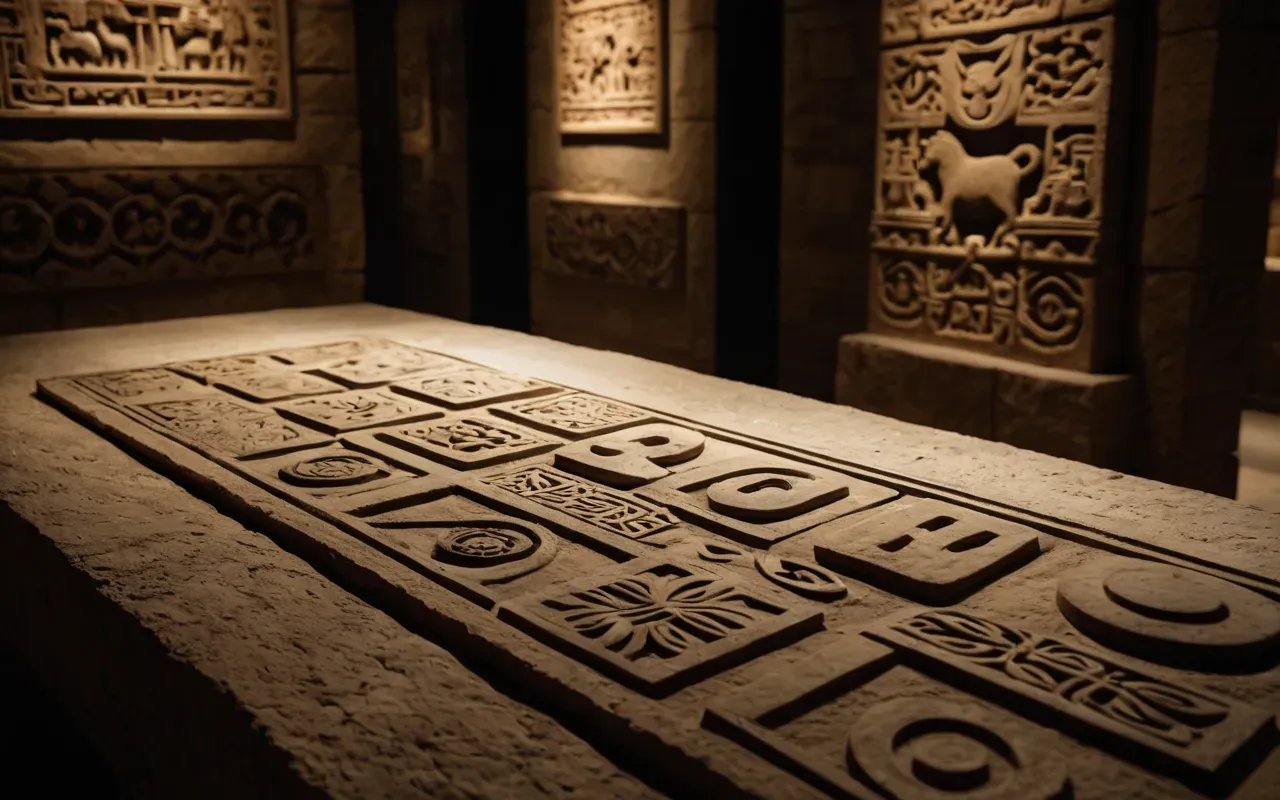
Here is the part TV shows completely miss. Those T-shaped heads are not just decorative sculptures of gods or ancestors. They were precision instruments for tracking celestial movements.
Researchers measured the angles of the pillars against known star positions from twelve thousand years ago. The alignment is too consistent to be random. These structures served as a calendar and an observatory.
This changes everything about early intelligence. We assumed astronomy came after writing and math. Göbeklitepe suggests it was there from the start. These people tracked seasons to predict hunting migrations.
For a deeper technical breakdown of this discovery, read the T-shaped pillars were actually precision instruments for tracking celestial movements. The data is fascinating and challenges standard archaeological timelines.
Why Astronomers Are Intrigued By This
Modern astronomers look at prehistoric sites with new respect. If these groups could map the sky without written numbers, what else did they know? The cognitive leap required is staggering for hunter-gatherers.
It implies a shared knowledge base passed down through generations. Oral traditions carried complex data about stars and seasons. This was a sophisticated society operating without cities or kings.
What We Get Wrong About Early Human Life
We project modern values onto the past. We think they were primitive because they lacked metal tools or written language. That is a biased view rooted in our own ego.
Look at the engineering required to move those stones. Each pillar weighs several tons. Without wheels or draft animals, they used levers and ropes with massive labor coordination. That is project management in action.
They were not just surviving. They were creating art and architecture that has stood for millennia. Their legacy is in the stones themselves.
If you are interested in how this challenges our view of human progress, see the ancient fact about your own body that proves we are not just farmers but something far older. It connects biology to history in a surprising way.
The Social Structure Behind The Stones
There was no obvious hierarchy. No palaces or tombs for elites were found in the main circles. This suggests a egalitarian society where leadership was situational rather than hereditary.
Decisions likely came from consensus. Building such a site required cooperation across different family groups. It was the ultimate team project of the Neolithic era.
Why Pop Culture Gets It Wrong So Often
Documentaries need a narrative arc. They love the idea of lost civilizations and hidden knowledge. It sells tickets and gets clicks.
But real archaeology is boring in comparison. It is about sediment layers and carbon dating. Yet this boring data tells a much truer story than any dramatic voiceover.
I have noticed that viewers often confuse speculation with fact. When a show says they might be aliens or gods, people believe it instantly. Critical thinking is rare in this space.
We need to be better consumers of historical media. Ask for the source data before you buy into the mystery.
The Role Of Media In Shaping Perception
Social media amplifies these myths further. Memes about Göbeklitepe often use the temple narrative because it is catchy.
But scholars are fighting back with open data and digital reconstructions. The truth is becoming harder to ignore even if it lacks the drama of a TV special.
The Real Story Of Human Progress
Göbeklitepe shows us that civilization started with connection. People built together to share knowledge and survive harsh seasons.
It was not about power or wealth. It was about community and cooperation against nature.
That is a lesson we still need today. We are not just consumers or workers. We are builders of meaning and society.
If you want to explore how this fits into the broader narrative of lost populations, check out a million people just vanished from our history books and nobody noticed. It provides a crucial context for understanding demographic shifts.
Lessons For The Modern World
We often look back with disdain. But these early groups solved complex problems without technology.
They managed resources and coordinated large labor forces. Their success was built on trust and shared goals.
Maybe we can learn something from their approach to collective action in our divided world.
Frequently Asked Questions
Why do TV shows call Göbeklitepe a temple?
Producers use the term because it is familiar to audiences and creates a dramatic narrative. Archaeologically, the site lacks evidence of priestly classes or exclusive worship spaces typical of temples.
How old are the structures at Göbeklitepe?
The main buildings date back approximately twelve thousand years. This places them in the Pre-Pottery Neolithic period, predating known agricultural settlements by several centuries.
Who built the T-shaped pillars?
Hunter-gatherer groups likely constructed them. These were not nomadic tribes but semi-sedentary communities who developed the engineering skills necessary to move and erect massive stone blocks.
Can you visit the site today?
Yes, parts of the excavated area are open to the public. Visitors can walk among the restored pillars and view interpretive exhibits that explain the site's historical significance.
Final Thoughts On The Real History
The next time you see a documentary claiming Göbeklitepe is alien or purely religious, pause. Think about the evidence.
The truth is more profound. Early humans were brilliant engineers and astronomers who built their legacy through cooperation.
That is the story worth telling. Not a myth of gods and priests, but a testament to human potential.
Keep questioning the sources. The real history is always more interesting than the fake one.