Göbeklitepe Life
A Home Renovation in Turkey Exposed 10,000-Year-Old Stone Carvings Beneath the Floorboards
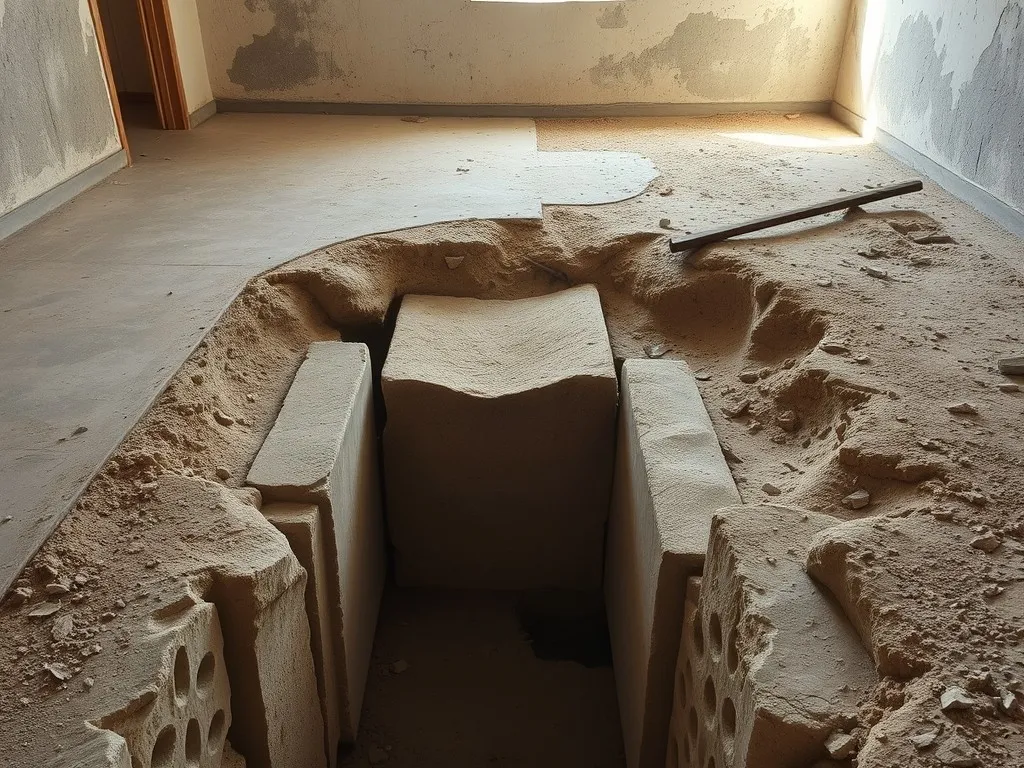
A man decides to fix up his house. He pulls up the floor, or digs out the foundations, and finds carvings that are roughly 10,000 years old. Not a coin, not a coin hoard, not a buried jar of gold. Carved stone, made by hands that predate almost everything we call civilization.
That detail comes from Johanna James's reporting on Göbeklitepe and the sites around it, where she visits a nearby village and sees ancient sculptures found beneath a residential house. The same trip turns up a possible prehistoric pillar doing quiet duty as a gatepost.
Here's the thing nobody says out loud. This is not a freak accident. It is what happens when people build homes on top of a landscape that was already sacred, already carved, already crowded.
The Neolithic World Was Not Empty
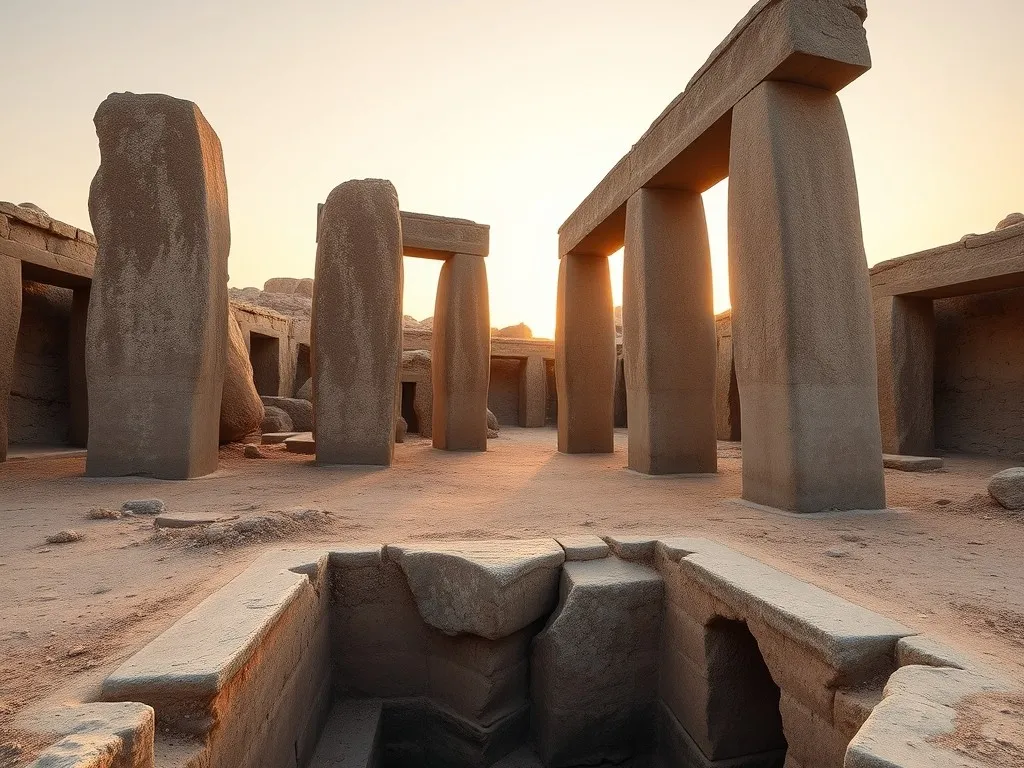
We tend to picture the people who carved Göbeklitepe's T-shaped pillars as a small, isolated band doing something extraordinary in an empty place. The evidence from the surrounding villages argues the opposite. Carvings under a house, a pillar reused as a gatepost, sculptures turning up where people live now.
Look at what that implies. If a farmer's wall rests on a carved Neolithic block, the site was not a lonely monument in a wilderness. It sat inside a working landscape where people quarried, moved, carved, and reused stone for generations.
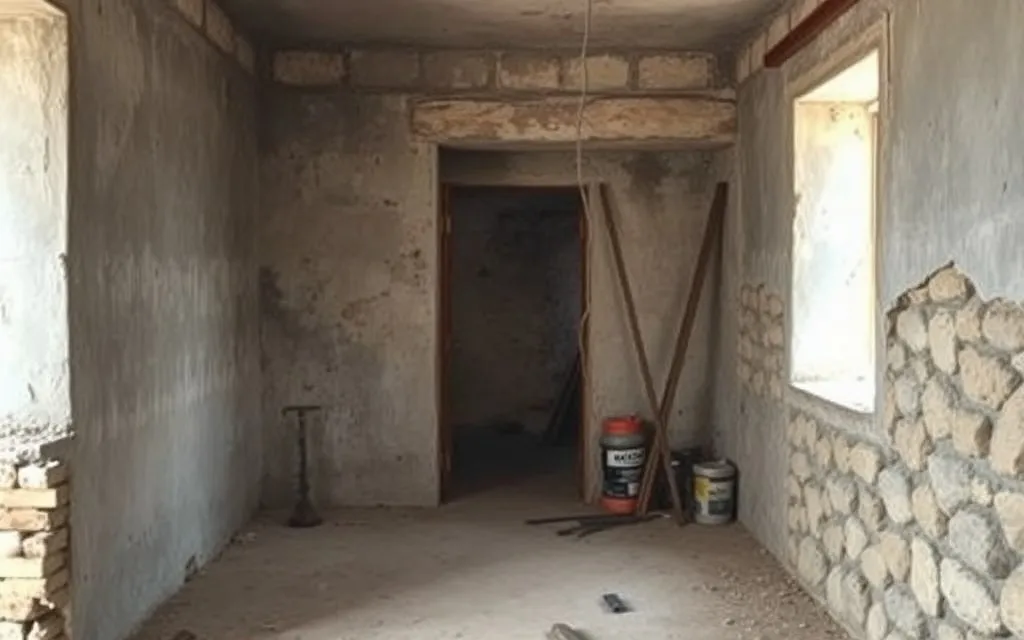
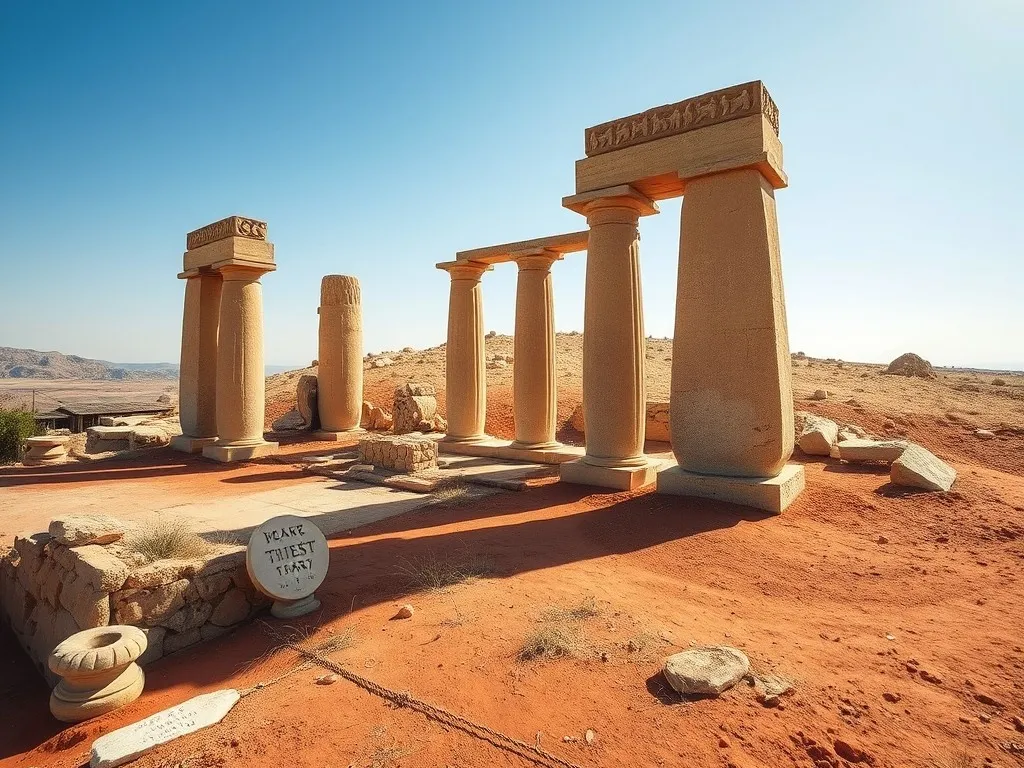
The pillar-as-gatepost detail is the one that should stop you. Someone, at some point, needed a sturdy post and had an ancient monolith within walking distance. They did not call a museum. They used it. That is not vandalism so much as ordinary life pressing old sacred objects into new jobs.
Why the Buried Enclosures Matter Here
James's investigation also examines the intentional burial theory — the idea that the enclosures at Göbeklitepe were deliberately filled in rather than simply abandoned. If you want the full argument, our breakdown of why Göbeklitepe was buried walks through the competing explanations.
The village carvings give that debate a fresh edge. Deliberate burial means people cared enough to close a place properly. Reuse means later generations had a different relationship with the same stones — practical, unceremonious, almost casual.
And that is where the story gets uncomfortable for the tidy version of prehistory. Sacred and mundane were not separate worlds. They overlapped, sometimes in the same doorway.
The Woman Who Kept the Photographs
The reporting includes a meeting with the widow of archaeologist Klaus Schmidt, who shares historical photographs and insights from the original excavations. That matters more than it sounds. Photographs from early digs are often the only record of soil layers and stone positions before a site was consolidated or reburied.
For anyone following how the site was first read, our piece on Klaus Schmidt's archaeological breakthrough fills in the background. The carvings in that village are part of the same story, just told from the ground up rather than the top down.
What Homeowners and Heritage Officials Now Face
Think about the practical side. A family wants a working house. Beneath it sits material that could rewrite a chapter of human history. Who pays for the pause, the survey, the excavation? Not the carvings. Costs come from time, permits, and the slow machinery of heritage protection, and those pressures land hardest on the people living above the finds.
The wider question is how many other houses in the region are sitting on the same thing. Nobody has a number. That is the underreported part — not the drama of a single discovery, but the likelihood that it is one of many.
If you want to see how authorities handle this kind of pressure at the main site, the debate over Göbeklitepe preservation and modern protection efforts is a useful parallel.
The Takeaway
The carvings under the floorboards are not a curiosity. They are evidence that the Neolithic culture behind Göbeklitepe spread through villages, farms, and family homes, not just ceremonial centres. The monument gets the headlines. The houses may hold the proof.
So the next time a renovation story sounds like a lucky break, remember the pillar holding up a gate. The past is not buried far away. It is under the concrete, holding things up.
Source: msn.com