Göbeklitepe Life
Why Was Göbeklitepe Buried? Theories on Its Abandonment
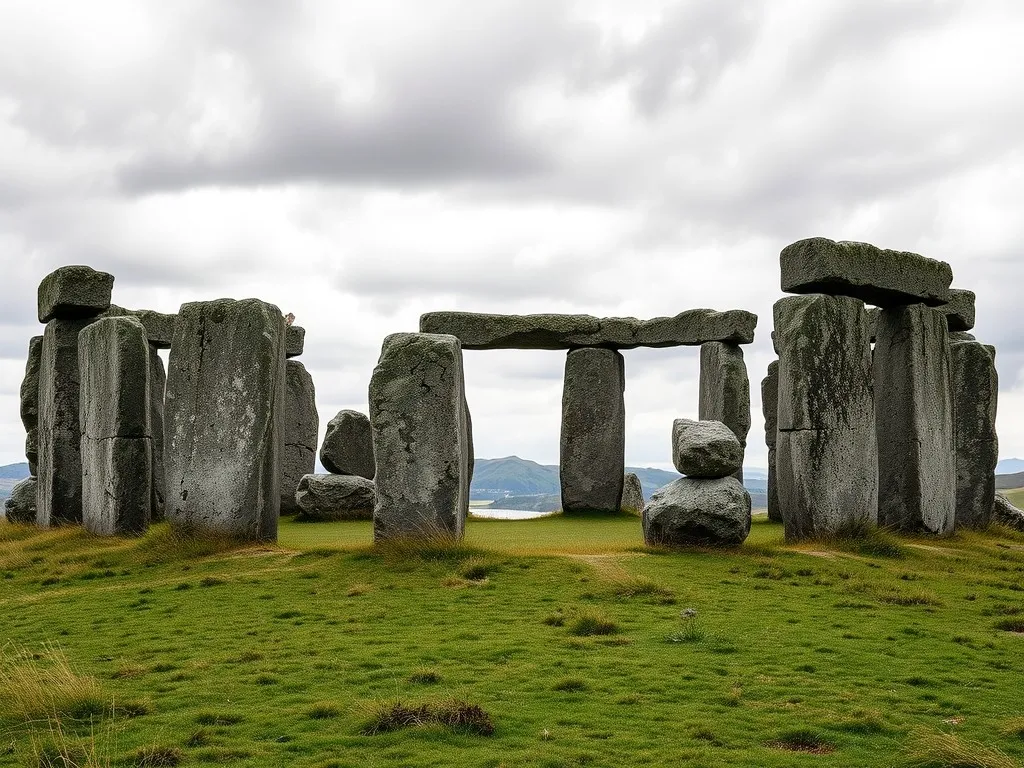
The burial of Göbeklitepe most likely happened on purpose: the stone enclosures were backfilled with rubble, animal bone and debris, probably as a ritual decommissioning once each circle had served its purpose, with natural slope wash adding material over time. The scattered human bones are a separate story — ordinary graves elsewhere on the mound, not sacrifices inside the temples. Keeping those two apart is the key to reading any claim about the site.
The fill inside the enclosures is the "burial" that most abandonment theories actually address. It is cultural debris packed against and between the standing pillars, and its composition is what tells archaeologists whether people acted deliberately or simply let the hillside do the work.
Human remains answer a different question. Archaeologists have excavated bones at the site since 1995, and over three decades researchers have recovered 928 bone fragments from men, women and children of all ages. Those fragments speak to who lived and died near the mound, not to why the circles were closed.
The fill and the graves are therefore two separate archives, and the next sections read each in turn.
What the Fill Actually Contains
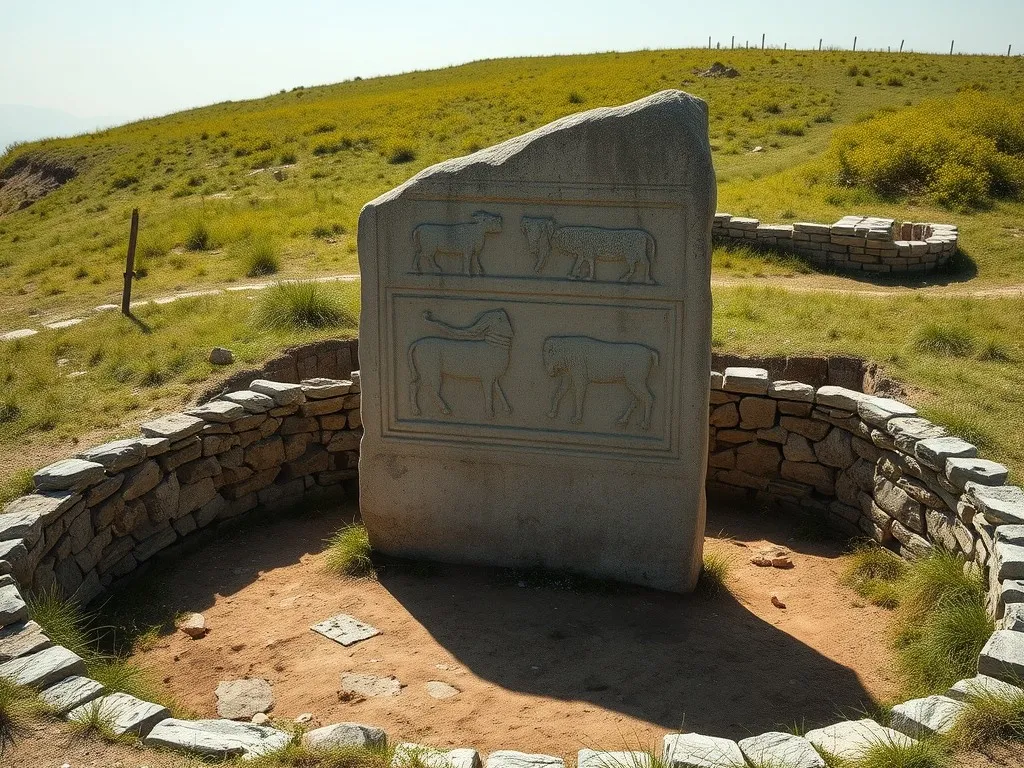
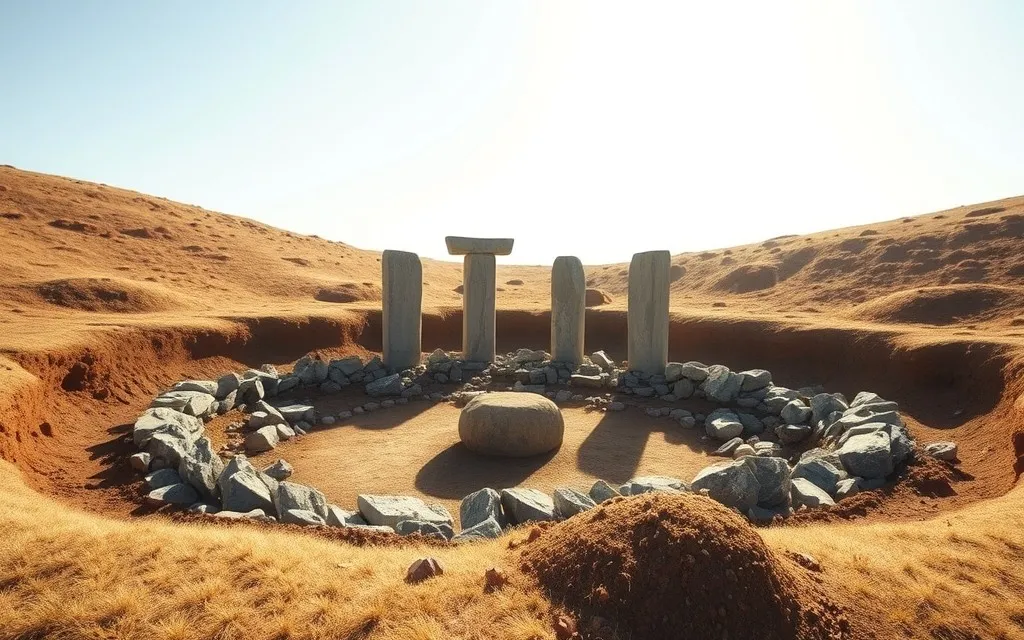
Open any photograph of an excavated Layer III enclosure and the first thing to notice is what sits between the pillars. The space is packed with limestone rubble, animal bones, flint tool fragments and assorted debris — a deliberate mixture, not a clean floor left open to the sky. This is the material every theory of abandonment has to account for.
The fill is not sterile backdirt. It carries flint tools, broken sculptures and enormous quantities of animal bone, which means people were putting culturally charged material into the circles rather than simply shovelling in the nearest soil. Whatever the motive, the closing of these structures involved choice.
Equally telling is what the fill does not contain: damage. The pillars were not toppled, defaced or broken, so the circles were sealed intact rather than destroyed. That distinguishes Göbeklitepe from sites where monuments were smashed before abandonment, a contrast worth keeping in mind when comparing ancient megaliths across regions.
Finally, the enclosures were filled to their rims and then covered with additional material, effectively turning each circular structure into a buried mound. Any explanation of the site's abandonment must fit this sequence: intact pillars, rich cultural debris, and a circle deliberately converted into a hill.
Theory One: Ritual Decommissioning
The leading explanation comes from Klaus Schmidt, who excavated the site for years. He argued that around 8000 BCE each monument was deliberately and ceremonially backfilled by the very people who had used it. The fill, in this reading, was an act of closure performed by the community, not the work of strangers or the slow work of weather.
The condition of the pillars argues against conflict or sudden collapse. They stand upright and largely unbroken, with their carved animals facing inward as they always had. If the enclosures had been destroyed or abandoned in a crisis, the pillars would show toppling, breakage or haphazard dumping, and they do not.
Intact pillars and culturally rich fill point to closure rather than collapse.
That is why ritual decommissioning remains the most widely accepted interpretation of the burial. It treats the fill as the last stage of a structure's life rather than its interruption. The circles were finished, closed and covered, which is exactly what the sequence of intact pillars, cultural debris and deliberate mounding describes.
Theory Two: Slope Wash and Natural Accumulation
A natural reading of the same fill starts with the terrain. The site sits on a slope, and erosion and slope wash over long spans of time would carry soil and stone downhill to accumulate against and within the standing structures. No ceremony is required for that. Rain, gravity and centuries of sediment movement can press material into open enclosures and bury pillar bases without anyone deciding to close them.
This mechanism also handles the human remains. Bones from graves higher up the slope can travel downhill with the same sediment and end up mixed into lower deposits, which is why scattered fragments sit in fill that has nothing to do with a funeral. That matters for dating, since the oldest layers at the site were laid down long before the slope had stabilised.
The two explanations are not rivals for a single verdict. Deliberate backfill and later wash can stack in the same enclosure: people close a circle, then centuries of downhill movement add more material on top and around it. Reading a deposit therefore means asking which layer you are looking at, not choosing one theory for the whole site.
Theory Three: Social Change in the Şanlıurfa Uplands
A third interpretation widens the lens. It ties the burial of the enclosures to social and economic transformation across the Şanlıurfa uplands during the ninth and eighth millennia BCE. On this reading, the circles were not closed because of a single ritual decision or a slump in one spot, but because the communities that built and used them were themselves changing.
As people reorganized — settling differently, farming differently, gathering on a different scale — monumental meeting places may have lost their role. A structure built to draw scattered groups together makes less sense once those groups live and work in new arrangements. Sealing the circles could mark the end of a shared ritual system, closed by many hands over time rather than by one authority at one moment.
The important move is causal. This view treats the burial as a symptom of change, not its cause. The fill did not end the gatherings; the gatherings ended, and the fill followed. That keeps the backfill as evidence about people, not just about sediment.
What the First Intact Graves Add
The human remains at Göbeklitepe are around 10,000 years old, roughly contemporary with the people who raised the pillars. Excavators found a young woman laid on a layer of stones in one grave — a deliberate placement, not a body dropped into rubble. That rules out reading every bone at the site as debris from some violent episode.
The decisive step was comparative. Researchers examined these intact burials alongside the loose fragments from the fill and found the same wear patterns, the same kinds of fractures and the same mineral crusts on both. The scattered pieces match the ordinary graves, not the enclosures. Many of the loose fragments, then, most likely eroded out of graves elsewhere on the mound and worked their way into the fill later.
This sharpens rather than settles the backfill question. Human bone in the fill is no longer good evidence for rites staged inside the circles, so theories about the burial have to rest on the sediment itself and on the wider shift in how hunter-gatherers lived. The graves answer a different question: who was buried here, and how.
Where the Debate Stands and What Would Settle It
Ritual decommissioning remains the most widely accepted interpretation of the enclosure fill. Klaus Schmidt, who directed excavations from 1995 until his death in 2014, read the backfill as a deliberate closing of the circles, and his framing still shapes how the evidence is argued over. Later work has tested and refined that reading rather than overturned it.
Current research is led by Necmi Karul and Lee Clare with the German Archaeological Institute and the Şanlıurfa Museum. Their work continues on the same limestone plateau, but the sample remains thin: only around a tenth of the site has been excavated. Any verdict on the burial therefore rests on a small window into a large complex, and a single new enclosure could shift the balance.
What would settle it is more fill. Sediment from untouched enclosures, examined layer by layer, could show whether the material was tipped in quickly and deliberately or crept in over centuries. Until that happens, the deliberate-closing reading holds, but as the best fit for limited evidence rather than a closed case.
Frequently Asked Questions
Were the people buried at Göbeklitepe sacrificed?
No, the excavated human remains do not point to sacrifice. The bones recovered over three decades come from men, women and children of all ages, and one grave held a young woman laid on a layer of stones, which reads as formal burial rather than killing. The article treats these intact graves as evidence about the site's users, not as victims of ritual slaughter.
How long did it take to fill each stone circle? No secure duration has been established: Schmidt's reading implies a short deliberate episode around 8000 BCE, while the slope-wash model spreads filling over centuries.
Nobody knows, and the article does not give a duration. Schmidt argued each monument was deliberately and ceremonially backfilled around 8000 BCE, which implies a purposeful episode, while the slope-wash theory spreads the filling over long spans of time as soil and stone crept downhill. Only about a tenth of the site has been excavated, so the timing remains open.
Did the builders bury Göbeklitepe themselves or did later people do it?
The most widely accepted view is that the builders, or at least the people still using the monuments, did it themselves. Schmidt argued each enclosure was deliberately and ceremonially backfilled, and the pillars show no signs of destruction, so the fill looks like a controlled closing rather than later dumping. A rival theory credits natural slope wash instead.
Is there any evidence the enclosures were abandoned after a disaster?
No disaster signature is described in the article. The pillars were not toppled, defaced or broken, and the fill holds limestone rubble, animal bones, flint fragments, broken sculptures and cultural debris rather than destruction layers. The leading explanations are ritual decommissioning, natural slope wash, and social change in the Şanlıurfa uplands during the ninth and eighth millennia BCE.
For the full overview, see full history of göbekli tepe.
Related in this series: gobeklitepe artifacts, gobeklitepe age dating.