The Real Reason Archaeologists Think the Trojan War Never Actually Happened
The Illusion of Historical Truth in Ancient Epics
We all know the story. Greek heroes, a beautiful princess, a massive wooden horse, and ten years of brutal warfare. It sounds like history carved in stone. But here's the thing that keeps archaeologists up at night. The story is almost certainly fiction dressed up as fact. I was struck by how confidently we treat Homer's Iliad as a historical record. It's not. It's a poem. A glorious, terrifying, deeply human poem. But it is not a transcript of events that actually happened on the dusty plains of ancient Anatolia.
The problem isn't that Troy didn't exist. We know it did. The problem is that the war described in the epic bears almost no resemblance to the archaeological reality. When you look closely at the evidence, the whole narrative starts to crumble. And this is exactly where we have to get comfortable with a hard truth. The past is not a straight line of clear events. It's a messy, tangled web of memory, exaggeration, and myth. Just like the revolutionary discoveries at Göbeklitepe that are flipping our history books, the story of Troy forces us to rethink how we process ancient narratives.
Hisarlik Reveals a Real City But Not the Epic War
Let's go back to the late nineteenth century. Heinrich Schliemann was a German businessman with a massive ego and a deep obsession with the Iliad. He marched to Hisarlik, a mound on the west coast of modern Turkey, and started digging. He found layers upon layers of ancient settlements. It was a massive deal. Finally, we had proof that the city of Troy wasn't just a literary device. It was a real place with real walls and real streets.
But Schliemann made a critical mistake. He assumed the deepest layer was the Homer's Troy. He was wrong. Later research showed that Hisarlik contained multiple cities built on top of each other over thousands of years. The Troy that fits the timeline of the Late Bronze Age is not the one Schliemann famously claimed. This distinction matters more than people realize. Finding the city proves the setting was real. It does not prove the plot was real. And this is the crucial gap that most pop-history articles completely ignore.
Think about it. Just because a building exists doesn't mean the movie filmed inside it actually happened. The walls were there. The gates were there. The strategic location was there. But the ten-year siege? The clash of divine beings? The specific personalities of Achilles and Hector? There is zero physical evidence for any of that. We are left with a city that survived, burned, was rebuilt, and survived again. The archaeological record is silent on the epic details. It only speaks of occupation and destruction.
The Scale Problem in Homer's Narrative
Here is the most frustrating part for historians. Homer describes a massive city. He talks about vast armies camped outside the walls. He describes a conflict that drained the resources of an entire region for a decade. But the archaeological footprint of Late Bronze Age Troy is relatively small. It could not have supported the logistics of a ten-year siege. The math just doesn't work. You cannot feed tens of thousands of soldiers for ten years without leaving a massive archaeological trail of refuse, weaponry, and infrastructure.
And yet, the story persists. Why? Because the scale wasn't the point. Homer wasn't writing a military report. He was exploring human themes. Courage. Loss. The brutality of war. The interference of gods. The epic size of the conflict was a narrative tool. It allowed the story to become universal. When you strip away the impossible numbers, you are left with a much smaller, much more realistic event. Maybe a raid. Maybe a brief skirmish. Maybe a trade dispute that went violently wrong. The reality is far less exciting than the myth. But it is far more interesting to archaeologists.
Fire Damage and Arrowheads Do Not Prove an Epic Siege
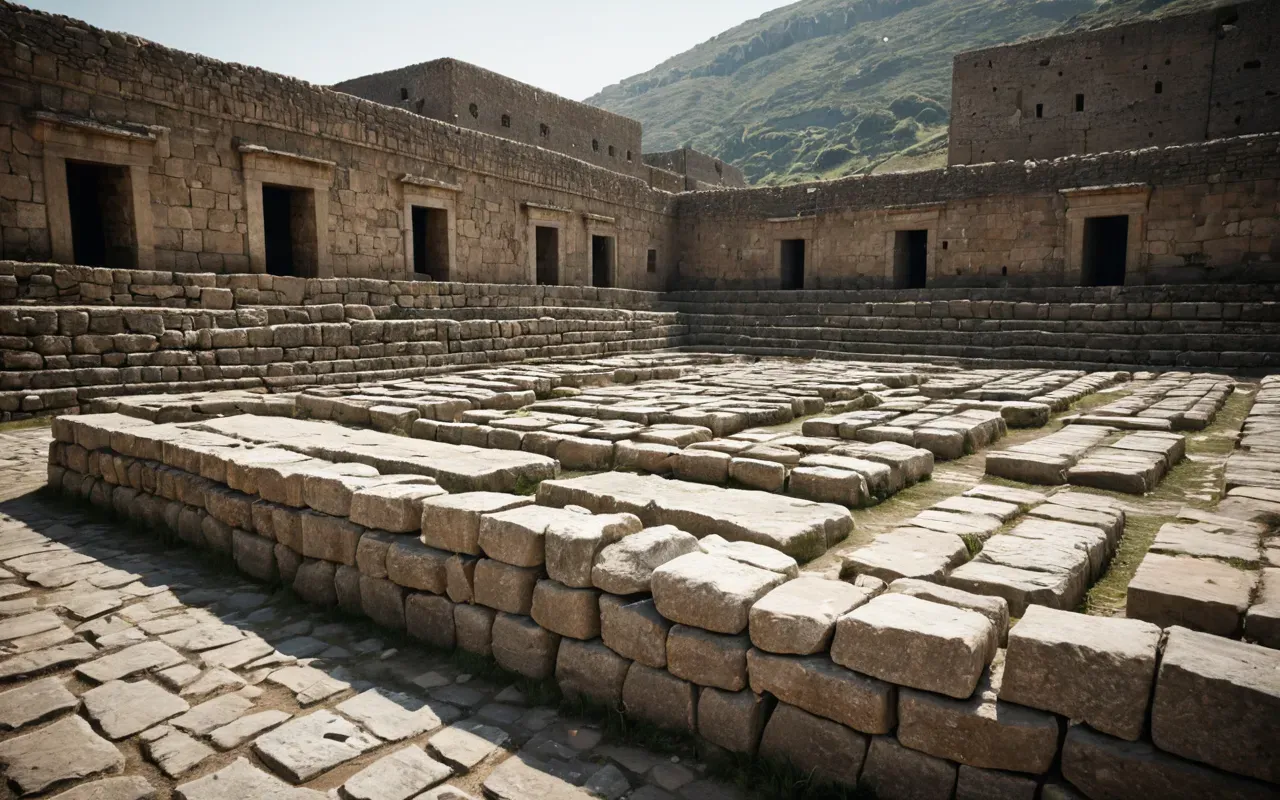
Proponents of the historical war point to specific findings at Hisarlik. They highlight traces of fire in certain layers. They point to a small number of arrowheads found in the debris. This is often presented as smoking gun evidence. But look at the context. Fire was a common occurrence in the ancient world. Roofs burned. Hearths collapsed. Lightning struck. A fire layer proves a fire happened. It does not prove who caused it or why. It certainly doesn't prove a coordinated Greek invasion.
The arrowheads are even less convincing. Archaeologists found a handful. Not thousands. Not the massive stockpile you would expect from a decade of intense combat. To be fair, preservation is always an issue. Organic materials rot. Metal corrodes. But the scarcity of weaponry is telling. If a massive war happened, where are the weapons? Where are the broken shields? Where are the mass graves of soldiers? The absence of this evidence is deafening. It suggests that if violence occurred, it was brief. Limited. Nothing like the Iliad describes.
This is a classic case of confirmation bias. People want to believe the war happened. So they interpret ambiguous evidence as proof. A fire layer becomes a siege fire. A few arrowheads become evidence of a massive battle. But good archaeology demands skepticism. It requires looking at the whole picture. And the whole picture at Hisarlik shows a city that experienced a disruptive event. Maybe a raid. Maybe an earthquake followed by fire. The specific details of a ten-year war are completely unsupported by the physical record. It's a reminder that we must let the evidence speak, even when it contradicts our favorite stories.
The Hittite Records Offer a Glimpse of Political Reality
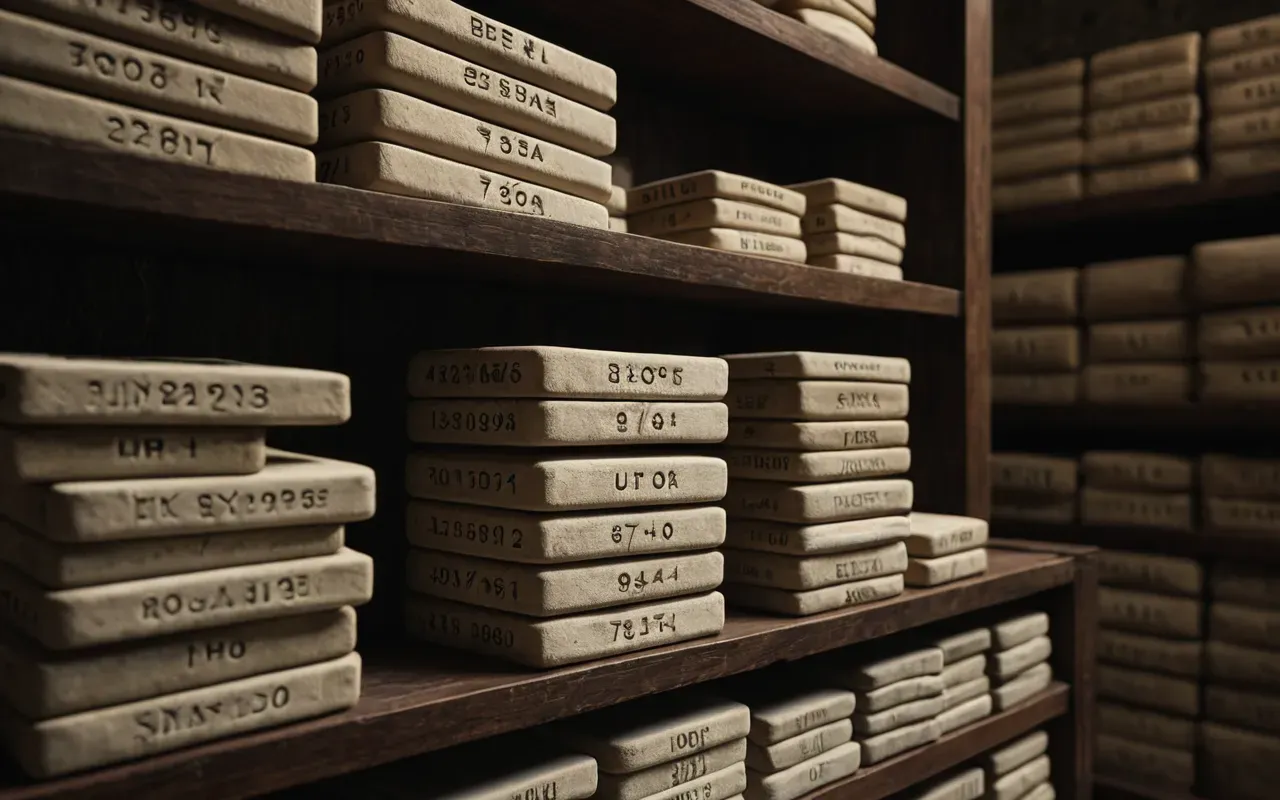
If the physical evidence at Troy is ambiguous, what about the written records? This is where the Hittite kingdom comes in. The Hittites were a powerful civilization based in central Anatolia. They left behind extensive archives of clay tablets. These tablets mention a place called Wilusa. Most scholars agree that Wilusa is the Hittite name for Troy. This is a massive breakthrough. It proves independent contemporary knowledge of the city.
The Hittite texts describe political disputes involving Wilusa. They talk about rivalries with neighboring powers. They mention conflicts over territory and influence. This is fascinating. It shows that the region was politically active. It was a place of tension. But here is the kicker. The Hittite records do not mention Helen. They do not mention a ten-year siege. They do not mention a giant wooden horse. They describe the mundane, gritty reality of Bronze Age politics. Alliances shift. Borders are contested. Minor wars break out. This is the real world that likely inspired the myth.
Think about how stories evolve. A real political dispute over a strategic city gets exaggerated over generations. Local rivalries become epic clashes between civilizations. Real leaders become larger-than-life heroes. The core memory of a conflict survives, but the details are completely transformed. This is how oral tradition works. It preserves the emotional truth of an event while distorting the factual details. The Hittite records give us the factual skeleton. Homer gave us the emotional flesh. Neither is the whole story. Together, they give us a richer, more complex understanding of the past.
Why Göbeklitepe Demands the Same Skeptical Eye
This brings me to a fascinating parallel. We are seeing a similar narrative struggle with another ancient site. Göbeklitepe. Discovered in the 1990s, this 12,000-year-old site in Turkey is rewriting our understanding of early human history. It features massive stone pillars carved with intricate animal reliefs. It predates Stonehenge by thousands of years. And it challenges the long-held belief that agriculture and settled life came before monumental architecture. The implications are staggering.
Just like Troy, Göbeklitepe is surrounded by hype and speculation. Some claim it proves the existence of a lost advanced civilization. Others argue it was built by aliens. These narratives are seductive. They promise simple answers to complex questions. But archaeologists are careful. They look at the stone tools. They analyze the animal bones. They study the stratigraphy. They are building a nuanced picture of early hunter-gatherers who organized massive communal projects. It's not about lost civilizations. It's about the surprising capabilities of early humans. If you are curious about who actually built Göbeklitepe and the myths surrounding it, the evidence is far more compelling than the conspiracy theories.
The lesson is the same. We must resist the urge to fit the past into our modern narratives. Whether it's the Trojan War or the builders of Göbeklitepe, the reality is always more complex than the myth. The myth simplifies. It creates heroes and villains. It provides clear moral lessons. The reality is messy. It is ambiguous. It is full of contradictions. But that ambiguity is where the real history lives. It's in the gaps between the stones. It's in the fire layers that could mean many things. It's in the clay tablets that describe boring political disputes.
The Spiritual Dimension of Early Monumental Building
What is particularly striking about Göbeklitepe is its apparent lack of domestic features. There are no signs of permanent habitation in the main enclosures. No kitchens. No sleeping quarters. This suggests it was a place of ritual. A gathering point for dispersed groups. The scale of the construction implies a deep spiritual motivation. People were willing to invest immense labor to move and carve these massive T-shaped pillars. Why? The unexpected revelation from Göbeklitepe about human spirituality suggests that religious belief may have driven social organization, not the other way around.
This flips the traditional historical model on its head. We used to think that agriculture created surpluses. The surpluses allowed for specialization. Specialization allowed for priests and builders. Göbeklitepe suggests that belief came first. The shared spiritual experience motivated the cooperation. The cooperation allowed for the monument. The monument may have even catalyzed the shift toward settled life. It's a profound idea. It shows how deeply intertwined belief and material culture were in the deep past. And it reminds us that the motivations of our ancestors were often invisible to us.
The Enduring Power of the Trojan Narrative
So why do we still care about the Trojan War? Why does it captivate us thousands of years later? It's not because it's a true story. It's because it's a great story. It touches on universal human experiences. The pain of loss. The glory of heroism. The tragedy of fate. Homer understood human psychology better than any archaeologist understands stratigraphy. He created characters that feel real. He crafted a narrative that resonates across time and culture. The historical accuracy is irrelevant to its power.
The same is true for the mysteries of Göbeklitepe. We may never know exactly why the pillars were buried. We may never fully understand the specific rituals performed there. But the questions themselves are valuable. They force us to confront our own assumptions about history. They challenge our linear view of progress. They remind us that the past is not dead. It is a living, breathing entity that we are constantly interpreting. And each new generation brings new questions. New tools. New perspectives.
I find this intersection of myth and archaeology incredibly exciting. It's not a battle between fact and fiction. It's a dialogue. The myth provides the questions. The archaeology provides the data. The data reshapes the myth. The myth inspires new archaeological searches. It's a continuous cycle of discovery. And it keeps the past alive. It prevents history from becoming a dry list of dates and names. It turns it into a human story. A story about who we were. And who we are.
The Future of Historical Inquiry in Turkey
Turkey is sitting on a goldmine of ancient history. From Hisarlik to Göbeklitepe, the landscape is dense with stories waiting to be told. New technologies are emerging. Ground-penetrating radar. DNA analysis. Isotope studies. These tools allow archaeologists to see deeper into the past without disturbing the soil. We are entering a new era of non-invasive archaeology. It promises to reveal more without destroying the context. The hidden architectural genius of Göbeklitepe is just one example of how new perspectives can challenge old assumptions.
I hope we continue to approach these sites with humility. The past is not ours to claim. It is not ours to simplify. It is a complex, rich tapestry of human experience. We are just guests in the landscape of history. Our job is to listen. To observe. To ask good questions. And to resist the urge to force the evidence into neat narratives. Whether we are looking at the fire layers of Troy or the stone circles of Göbeklitepe, the truth is always stranger, and more beautiful, than the stories we tell about it.
Concluding Thoughts on Fact, Myth, and Human Memory
The story of Troy teaches us a vital lesson. The existence of a place does not validate the events that happened there. The presence of fire does not prove the cause of the fire. The scarcity of weapons does not disprove a brief skirmish. Archaeology is a science of probabilities. It deals in traces. In fragments. In silences. It is not a magic wand that reveals the past in high definition. It is a slow, painstaking process of reconstruction. And it requires patience.
I think we should celebrate the ambiguity. It keeps us curious. It drives us to dig deeper. To read more carefully. To question our assumptions. The Trojan War may not have happened exactly as Homer described. But the human desire to make sense of conflict is timeless. The desire to create meaning out of chaos is universal. That is the real historical truth. That is the thread that connects us to the people of Hisarlik. And to the builders of Göbeklitepe. We are all still telling stories. We are all still trying to understand who we are. And that is a journey worth taking.
So the next time you hear someone claim that the Trojan War was a perfect historical record, smile. Ask them about the arrowheads. Ask them about the scale of the siege. Ask them about the Hittite records. And remind them that the best history is not the history that confirms our favorite myths. It is the history that challenges them. It is the history that forces us to grow. To think deeper. To see the world with fresh eyes. That is the true gift of the past. And it is a gift that keeps on giving.