Why the 2026 Berlin Gobeklitepe Exhibit Will Shock Archaeologists
The Hidden Narrative Behind the Berlin Stones
Most people assume ancient temples appeared after agriculture. They think farming led to cities, which then led to grand religious sites. Göbeklitepe flips this timeline entirely. The 2026 Berlin exhibition proves this point with undeniable physical evidence. We are looking at structures built by hunter-gatherers who had not yet domesticated crops. This changes everything we know about human motivation.
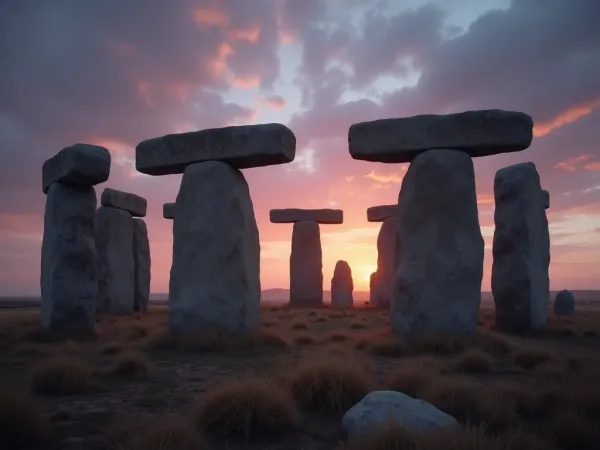
I remember reading the initial excavation reports years ago. The sheer weight of the T-shaped pillars was baffling. These stones weigh up to 16 tons. Moving them without wheels or draft animals requires massive social organization. The Berlin show focuses heavily on this social aspect. It isn't just about the stones themselves. It is about the people who moved them.
Why Berlin Chose This Specific Angle
Curators in Berlin wanted to avoid the typical tourist trap vibe. Many museums just pile artifacts behind glass without context. This exhibit uses immersive storytelling to show daily life. They highlight the butchering marks on animal bones found at the site. These marks reveal a sophisticated understanding of anatomy. Visitors see how food preparation was tied to ritual.
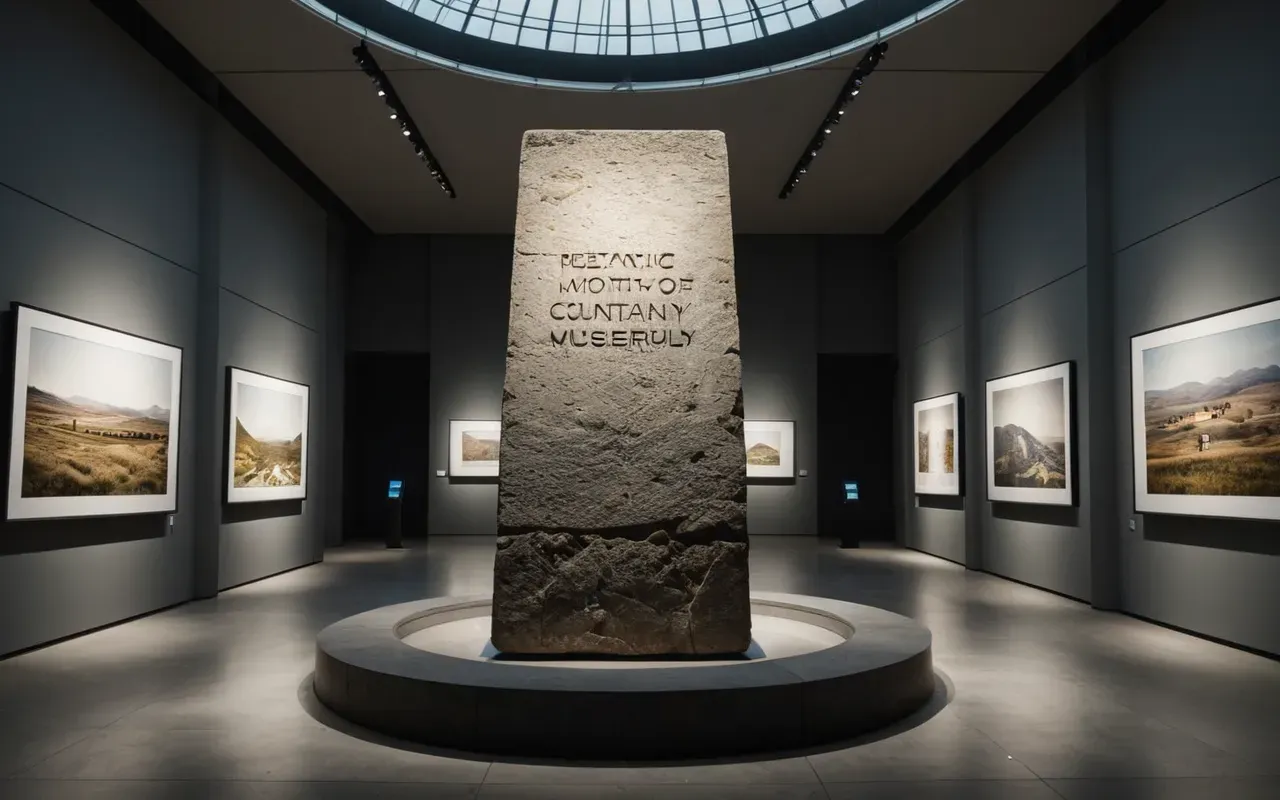
Look at the sheer scale of what they are presenting. The new wing includes replicas of the circular enclosures. You can walk through them and feel the acoustic resonance. It creates an eerie atmosphere that mirrors the original site. The design choices reflect a deep respect for the sacred nature of the location. This is not a dry academic display. It is an emotional experience.
Decoding the Symbols on the Pillars
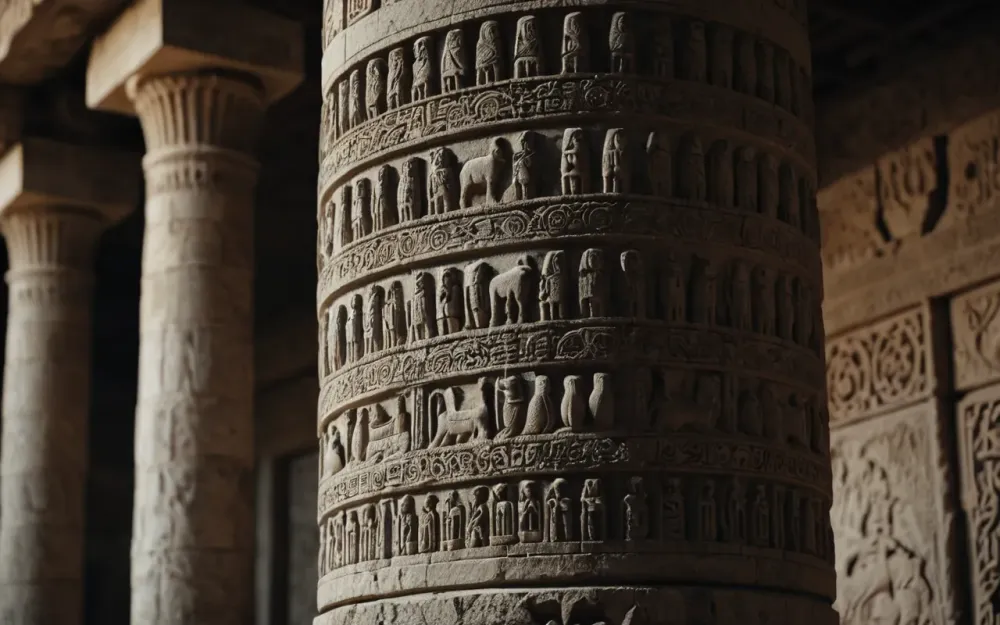
The carvings at Göbeklitepe are incredibly detailed. You see foxes, cranes, vultures, and scorpions. Most people just glance and move on. The Berlin exhibit zooms in on these details with high-resolution imaging. You can see the individual strokes of the chisel. These images were not random decorations. They likely held specific symbolic meaning for the builders.
One particular carving of a headless human figure has fascinated researchers. This image appears on several pillars. It suggests a belief in the afterlife or perhaps a ritual sacrifice. The Berlin team argues this shows early complex theology. We are seeing the roots of spiritual belief systems. These stones are the first physical evidence of organized religion.
The Vulture Cult Theory
Vultures appear frequently in the artwork. Some scholars believe these birds were central to the site's purpose. The Berlin exhibit presents artifacts that support this idea. There are carvings showing vultures with human heads. It implies a connection between death and these scavengers. This theory suggests Göbeklitepe might have been an early mortuary complex.
I find this theory particularly compelling. It challenges the idea that early humans buried their dead in simple pits. Instead, they might have built massive stone temples to honor the dead. The Berlin curators display fragments of skulls and bones found near the pillars. The arrangement of these remains looks intentional. This points to complex burial rituals.
New Discoveries Changing Our Perspective
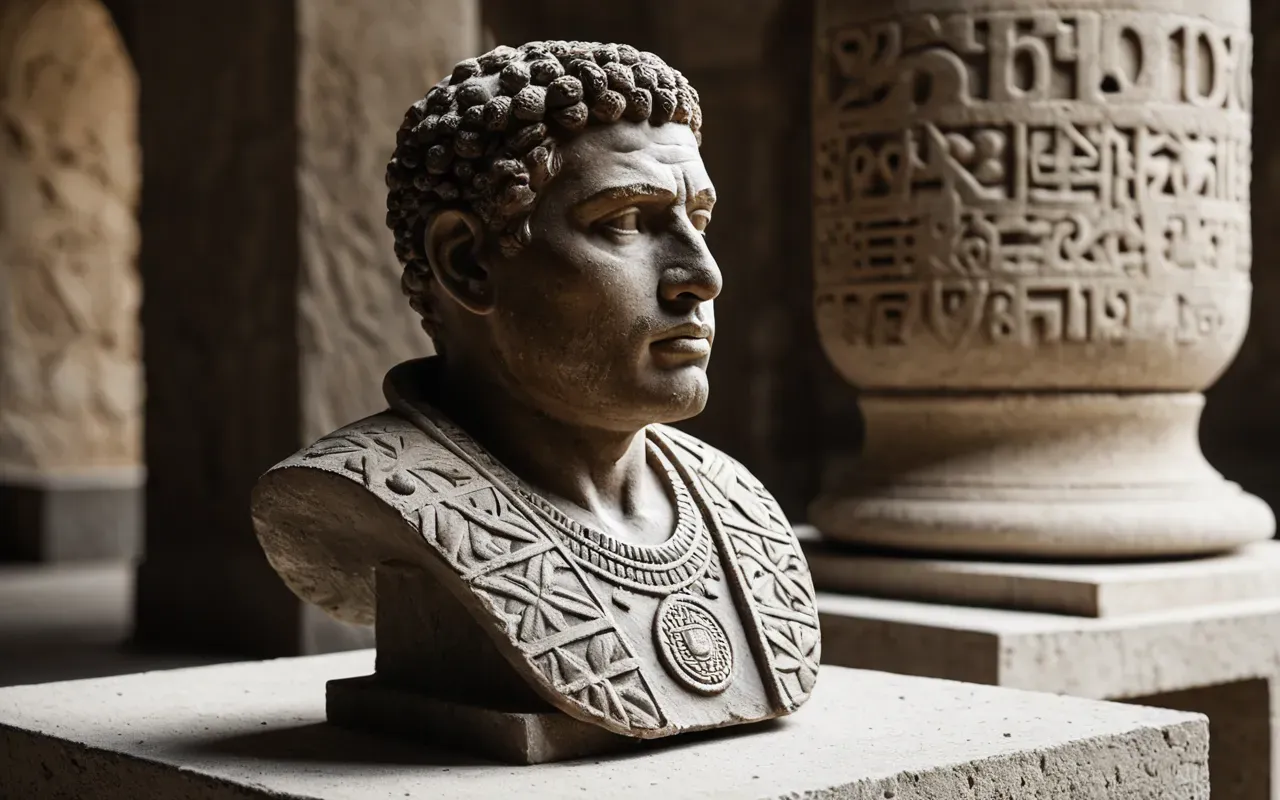
Excavations have never truly stopped. Even before the Berlin show opened, new data came in. A massive statue was found buried in a wall. It is 3.3 meters tall and shows a realistic human face. This discovery proves the builders had advanced artistic skills. The Berlin exhibit features a stunning 3D print of this statue. It allows visitors to see the facial details clearly.
This statue changes the artistic timeline for the region. We used to think naturalistic human art came much later. Now we see it happening 12,000 years ago. The craftsmanship is undeniable. The ears are pierced. The eyes are painted. It shows a deep understanding of human anatomy. The Berlin team uses this to argue for a highly sophisticated society.
The Role of Grain and Fermentation
Chemical analysis of pottery shards revealed something shocking. Traces of beer were found inside the vessels. This means these hunter-gatherers were brewing alcohol. Fermentation requires processing wild grains. It implies a level of food technology we did not expect. The Berlin exhibit displays the actual pottery pieces. You can see the residue patterns under the glass.
Why does beer matter? It likely played a role in social bonding. Large gatherings require shared experiences. Alcohol lowers inhibitions and builds group cohesion. This supports the idea that the site was a pilgrimage center. People traveled from far away to feast and drink. The Berlin show highlights these social dynamics effectively.
Comparing Göbeklitepe to Global Sites
It is helpful to compare this site to others. Stonehenge comes to mind immediately. But Stonehenge is thousands of years younger. Göbeklitepe predates the pyramids of Egypt by 7,000 years. The Berlin exhibit places these timelines side by side. It shows how early this engineering feat actually was. Visitors are often stunned by the chronological gap.
Another comparison is Caral in Peru. That site also challenges the food-first narrative. But Göbeklitepe is older and more monumental in scale. The pillars are massive monoliths. Caral uses stone walls and sunken plazas. The Berlin curators use this contrast to show different paths to complexity. It highlights the uniqueness of the Anatolian approach.
The Acoustic Design of the Enclosures
Sound played a big role in these rituals. The circular layout creates natural echo effects. When you stand in the center, your voice amplifies. The Berlin exhibit includes a sound simulation zone. You can hear how drums and chants would have resonated. This acoustic engineering suggests deliberate planning. It was designed for auditory impact.
I have visited sites where acoustics are an afterthought. Here it is clearly central to the design. The spacing of the pillars affects sound waves. It creates a disorienting atmosphere. This likely helped induce trance states during ceremonies. The Berlin team emphasizes this sensory experience. It makes the history feel alive rather than static.
Practical Details for the 2026 Visit
Planning your trip requires some advance work. The exhibit is expected to draw huge crowds. Berlin is a major cultural hub. Tickets will likely sell out quickly. The museum website suggests booking months ahead. They offer evening openings which provide a quieter atmosphere. The lighting is specially designed for nighttime viewing.
Transportation to the venue is straightforward. The main station is just a short walk away. The museum itself is located in a historic building. The architecture blends well with the ancient theme. You can spend half a day there comfortably. There are guided tours available in multiple languages. The guides are trained in the latest archaeological findings.
Educational Programs and Workshops
Families will find plenty to do here. The museum offers workshops on stone carving. Children can try chiseling soft limestone blocks. It gives them a feel for the tools used 12,000 years ago. The staff provides safety supervision. These activities are highly rated by previous visitors. It makes the history tangible for younger audiences.
Adults can join lectures by leading archaeologists. These talks cover the latest excavation updates. They discuss controversial theories openly. It is a great chance to ask questions. The Berlin institution is known for its academic rigor. They welcome debate and discussion. This adds depth to the visitor experience.
The Controversy of Preservation
Preserving these artifacts is a huge challenge. The limestone is fragile. Weathering and pollution take a toll. The Berlin exhibit uses climate-controlled environments. It minimizes exposure to harmful light. This ensures the stones remain stable for future generations. The conservation efforts are transparently discussed in the gallery. It educates visitors on the difficulties.
Some critics argue that moving artifacts is wrong. They believe the stones belong in their original soil. This is a valid ethical concern. The Berlin team addresses this by focusing on replicas. Only a small number of original fragments are shown. The rest are high-fidelity casts. This balances access with preservation needs.
Digital Archives and Future Research
The exhibit includes a digital library corner. Researchers can access 3D scans of the entire site. This data is freely available online. It promotes global collaboration. Scholars can study the pillars without traveling to Turkey. The Berlin museum is becoming a hub for this digital work. It sets a new standard for transparency.
This open data approach is refreshing. Historically, archaeological data was locked away. Now anyone can examine the details. It allows independent verification of theories. The Berlin initiative encourages public participation. Citizen scientists can analyze the scans. This democratizes the study of ancient history.
Why This Exhibit Matters for Modern Society
We often view progress as a straight line. Technology improves, society gets better. Göbeklitepe shows a different path. Complexity emerged from social cooperation. It did not require industrial technology. The Berlin exhibit highlights this social ingenuity. It reminds us of our capacity for collaboration. This message resonates deeply today.
Environmental lessons are also present. These people lived sustainably for centuries. They managed resources without destroying the landscape. The Berlin show includes displays on ancient ecology. It contrasts with our modern consumption habits. It prompts reflection on our own impact. The history serves as a mirror for current issues.
The Spiritual Connection Today
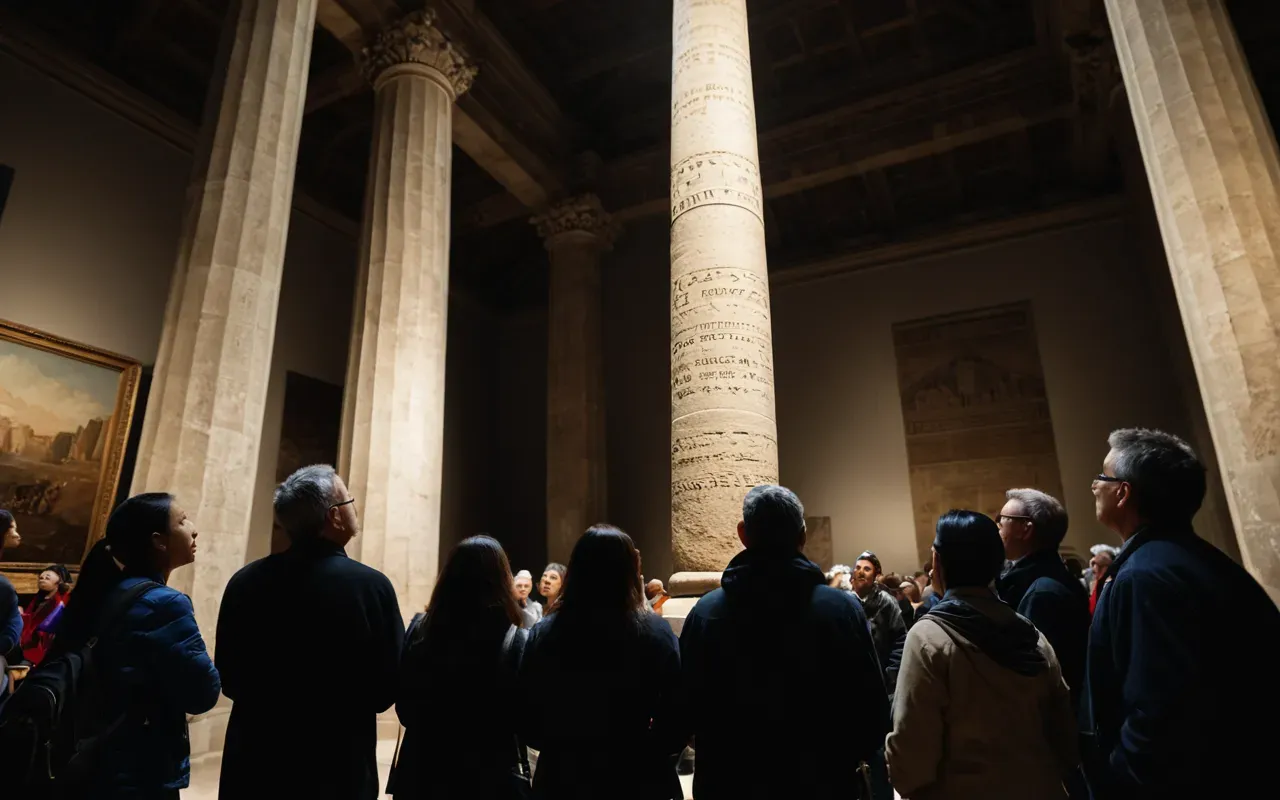
Many visitors report a spiritual feeling. The sheer age of the stones is humbling. You realize how long humans have sought meaning. The Berlin exhibit creates a quiet contemplative space. It allows for personal reflection. This emotional impact is one of its greatest strengths. It transcends academic interest.
I felt a deep sense of connection standing there. The barriers of time seemed to dissolve. We share the same human drive to create and believe. The Berlin curators understand this power. They have designed the space to enhance it. It is more than a museum visit. It is a journey into our shared past.
Frequently Asked Questions
When does the Göbeklitepe Berlin exhibit open?
The exhibit is scheduled to open in early 2026. Specific dates will be announced closer to the time. Pre-sale tickets are expected to go on sale several months in advance. It is best to monitor the official museum website for updates. Early booking is highly recommended due to high anticipated demand.
Are original artifacts displayed in Berlin?
Yes, a select number of original fragments are on display. These include small stone tools and pottery shards. Most of the large pillars are high-quality replicas. This approach protects the fragile originals from environmental damage. It ensures their preservation while still offering an immersive experience for visitors.
How long does the average visit take?
Most visitors spend between two and three hours. The exhibition is quite extensive and includes multiple zones. You can move at your own pace. Guided tours typically last about two hours. If you enjoy the interactive workshops, you might stay longer. Plan your day accordingly to maximize your experience.
Is the exhibit suitable for children?
Absolutely, the exhibit is designed for all ages. There are specific interactive areas for children. They can participate in stone carving workshops. The storytelling approach makes complex history accessible. Parents appreciate the educational value. It provides a fun and engaging learning environment for families.
Can I book a private guided tour?
Private tours are available for groups and individuals. These sessions offer deeper insights into the archaeology. You can ask specific questions to the experts. Booking a private tour requires advance reservation. It is an excellent option for students or serious enthusiasts. Contact the museum directly for pricing details.