New cave find proves humans planned like engineers before they had farms
The Blade That Broke the Timeline
We always assumed it went like this. Humans first learned to farm. They built villages. Then they got smart enough to design complex tools and rituals. But a fresh cave site in northern Israel just flipped that script on its head. The evidence points to something far more unsettling.
Archaeologists found dense layers of Acheulo-Yabrudian stone tools. These aren't random flakes. They are standardized blades made with deliberate planning. This technology is hundreds of thousands of years old. It predates agriculture by a massive margin.
I was struck by the implication. If these early groups could plan blade production with such consistency, they likely had social structures we haven't imagined yet. They weren't just surviving in caves. They were organizing labor and sharing knowledge across generations.

Why Mount Carmel Keeps Rewriting History
Look at the geography. This new cave sits right next to sites like Qesem and Tabun. We already know those places hold secrets about seasonal hunting and tool maintenance. The new site fills a critical gap in that local timeline.
Here is the thing. Researchers used to think blade-making was a late-stage innovation. The new find suggests it was much earlier and more widespread. It implies that advanced cognitive skills were common across the region, not just rare accidents.
This isn't just about rocks. It is about the mind behind them. When you can predict the shape of a tool before striking it, your brain has crossed a threshold. That specific cognitive leap explains why we eventually built cities instead of staying in caves.
The Connection to Ritual Behavior
Manot Cave nearby shows early religious behavior from , years ago. The new site is much older. But the landscape links them. It suggests a continuous thread of symbolic thought running through these limestone hills for tens of thousands of years.
If the new cave shows similar patterns to Manot, it pushes back the start date for complex social life. We might be looking at a direct ancestor of modern human culture. The timeline just got significantly longer and more sophisticated.
Reading Cognition From Stone and Bone
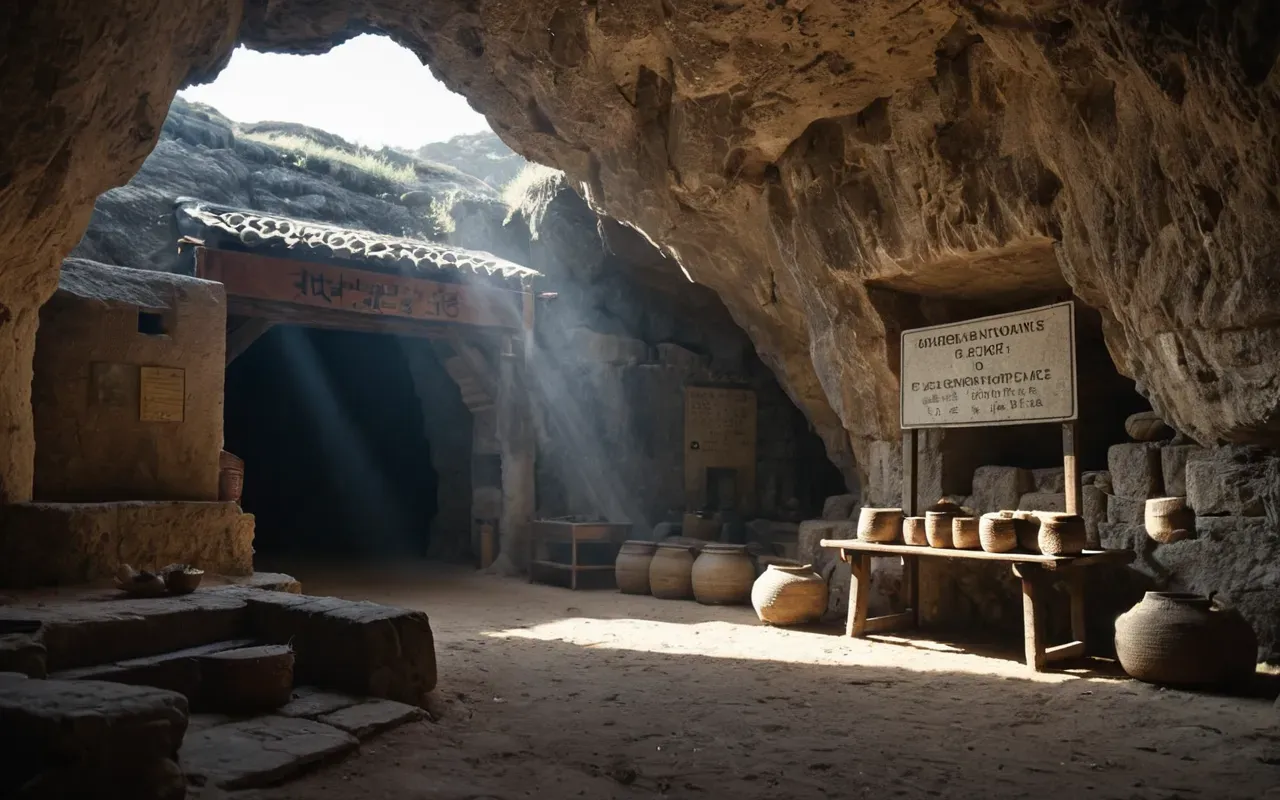
How do we know they were planning? Use-wear analysis. Researchers looked at the microscopic scratches on these ancient blades. They found traces of cutting meat and processing hides repeatedly. This means the tools were maintained, not just used once.
That maintenance implies a workshop. It implies people returning to the same spot over months or years. They were managing resources like managers in an office today. This level of organization was thought to be impossible this far back.
We keep seeing this pattern. Early humans were not just reacting to their environment. They were shaping it. The new cave adds another data point to the argument that our ancestors were far more complex than we previously believed.
The Bigger Picture for Human Origins
This discovery challenges the standard narrative. We often talk about how stone tools prove we built before farming in other regions. This site confirms that trend locally. It solidifies the idea that cognitive complexity drove tool development, not vice versa.
It also connects to broader debates. If early groups had this much social structure, how did they organize? Did they have leaders? Did they share food? The answers are buried in the sediment layers waiting for careful excavation and patience.
The stakes are high. If we get this timeline wrong, our entire understanding of human history shifts. We might be looking at a much older origin for complex society than most textbooks currently suggest to students today.
Preserving These Fragile Sites
These caves are under pressure. Tourism and climate change threaten their stability. Every layer disturbed is a page torn from the book of human origins. We have to protect these spaces with the same urgency we apply to modern infrastructure.
Local communities are key. They understand the value of these sites. But they also need support to manage access and funding for research. It is a shared responsibility that goes beyond just archaeologists in lab coats.
If we lose these sites now, the data is gone forever. We cannot unbreak a stone tool or restore a lost ritual context. The window to understand our deep past is closing if we do not act with immediate precision and respect.
What This Means for Your Understanding of History
You have been watching the wrong story about human development for decades. The new evidence suggests our ancestors were smarter and more organized much earlier than we thought. This changes how you should view every other ancient site.
It also reframes famous sites. When you look at the real reason humans built Göbeklitepe before they learned to farm, the context of this new cave makes even more sense. It was part of a broader cultural shift in cognitive capability across the region.
So next time you hear that humans were simple hunters for most of history, think about these blades. They were designed with intent. They were maintained with care. They were part of a system. That is not simplicity. That is engineering.
The future of this research depends on continued funding and public interest. If you want to see more findings like this, support local museums and archaeological projects. They are the gatekeepers of our shared past and need your attention right now.
The story is still unfolding. Every new layer dug up could change the conclusion we reach today. Stay curious. Keep asking questions about where we came from and how we got here. The answers are hidden in the stone, waiting to be read by those who look closely enough.