Pedaling past myths to uncover the real Klaus Schmidt legacy at Gobeklitepe
The Road Less Traveled Literally Speaks To History Here
Picture this: you're on a bike, sweating through the streets of Şanlıurfa, and you roll right past the house where an archaeologist spent decades decoding the world's oldest temple. That's exactly what happened the other day.
This wasn't just some casual Sunday ride. It was a tribute to Professor Dr Klaus Schmidt.
Schmidt was the man behind the excavations that put Göbekli Tepe on the global map. His work turned everything we thought we knew about human civilization on its head.
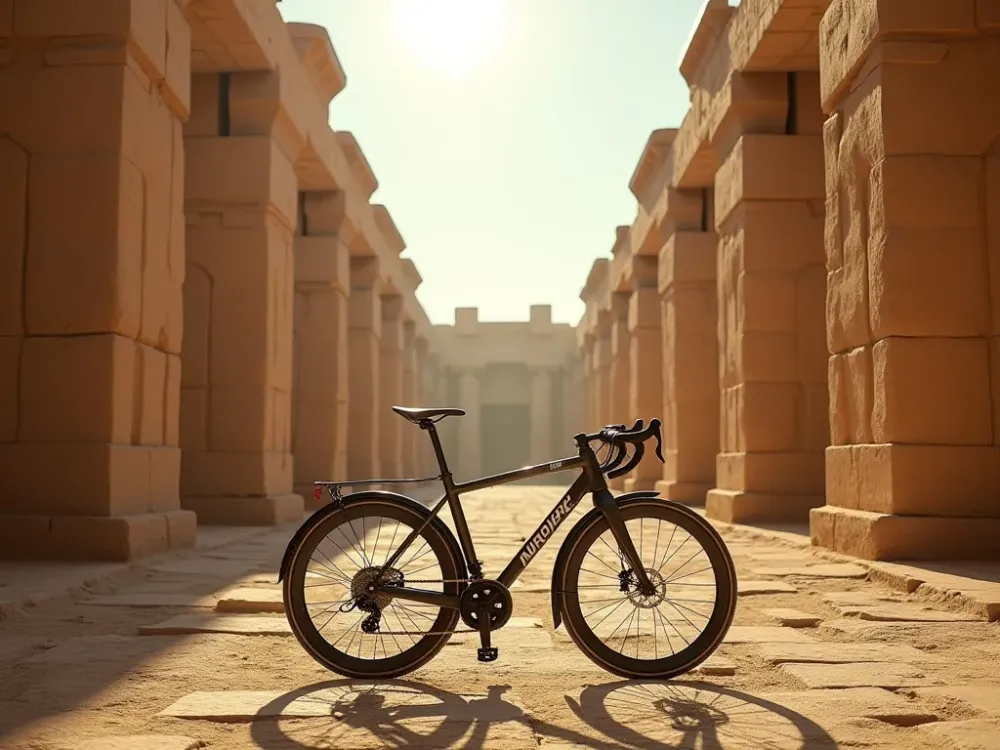
Honestly, that connection between physical endurance and intellectual breakthrough gets me. These cyclists literally retraced his daily commute to the dig site.
They kicked off from his old excavation house in the city center. Then they pedaled all the way out to the ancient site itself.
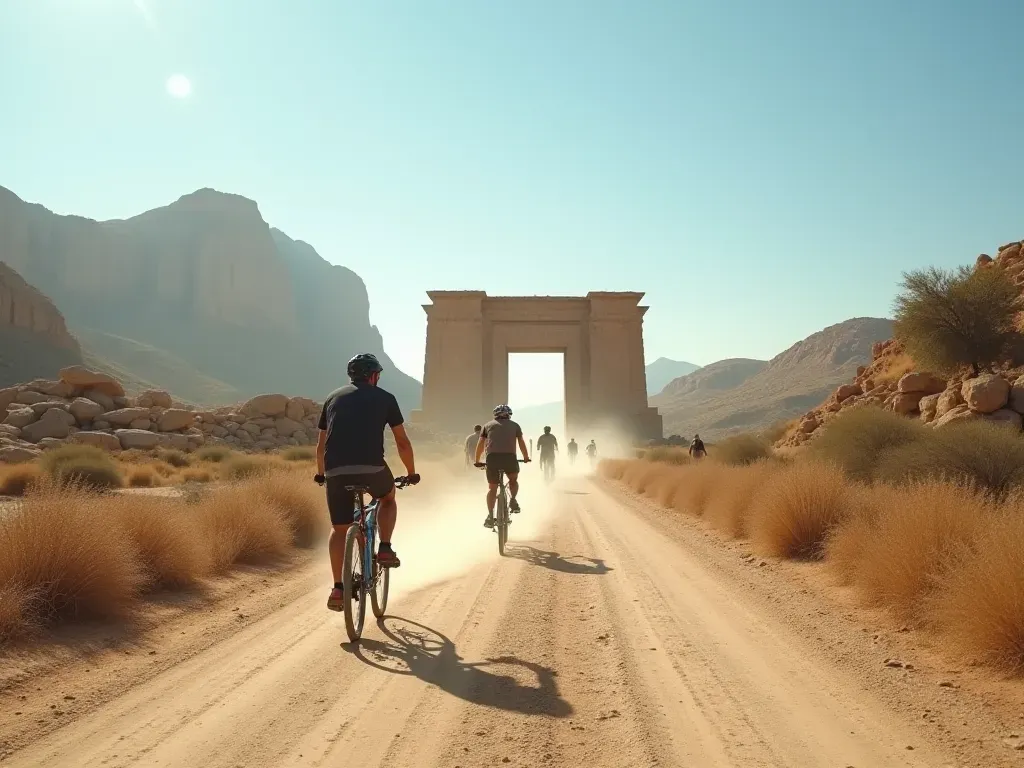
There's something deeper hiding in this symbolic journey. The physical grind mirrors the mental earthquake Schmidt sent through academia.
Why This Route Matters More Than You Think Right Now
Most people treat history like it's frozen solid. Locked behind glass in museums, or buried in the pages of dusty books nobody opens.
But Göbekli Tepe says otherwise. This site is buzzing with ongoing debates and fresh discoveries.
Schmidt got that better than anyone. He knew you couldn't truly understand the past unless you stood right in its presence.
The cyclists felt it too. They endured the same heat, the same distance he faced every single day.
It puts a human face on his scientific achievements. We gloss over how physically brutal fieldwork can be.
Rewriting The Timeline Of Human Civilization Completely Today
Before Schmidt showed up, the accepted story was neat and tidy. Farming came first.
Then came settlement. Then complex societies, temples, cities — all in that order.
Göbekli Tepe blew that sequence apart. The temple predates farming by thousands of years.
Think about that for a second. It's mind-bending. It hints that belief systems, not agriculture, drove societal complexity.
Schmidt famously argued that religion came before farming. It's still a controversial idea, but it's hard to ignore.
The bike tour is a living reminder of that intellectual revolution. We're riding through history that got rewritten.
If you want to see why this matters so much, look at how traditional textbooks fail to capture this nuance. They're still clinging to the old models.
The Physical Evidence Still Defies Easy Explanation Here
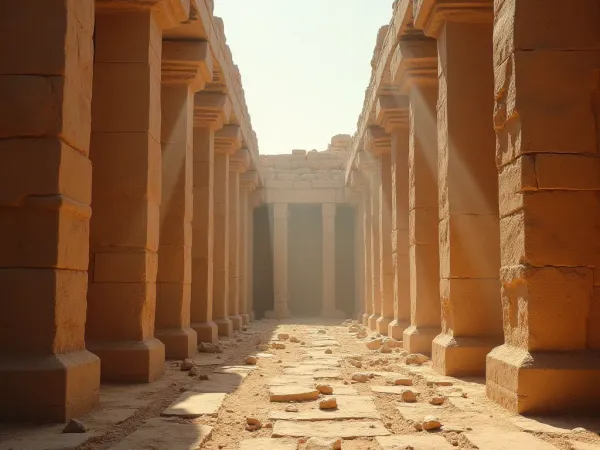
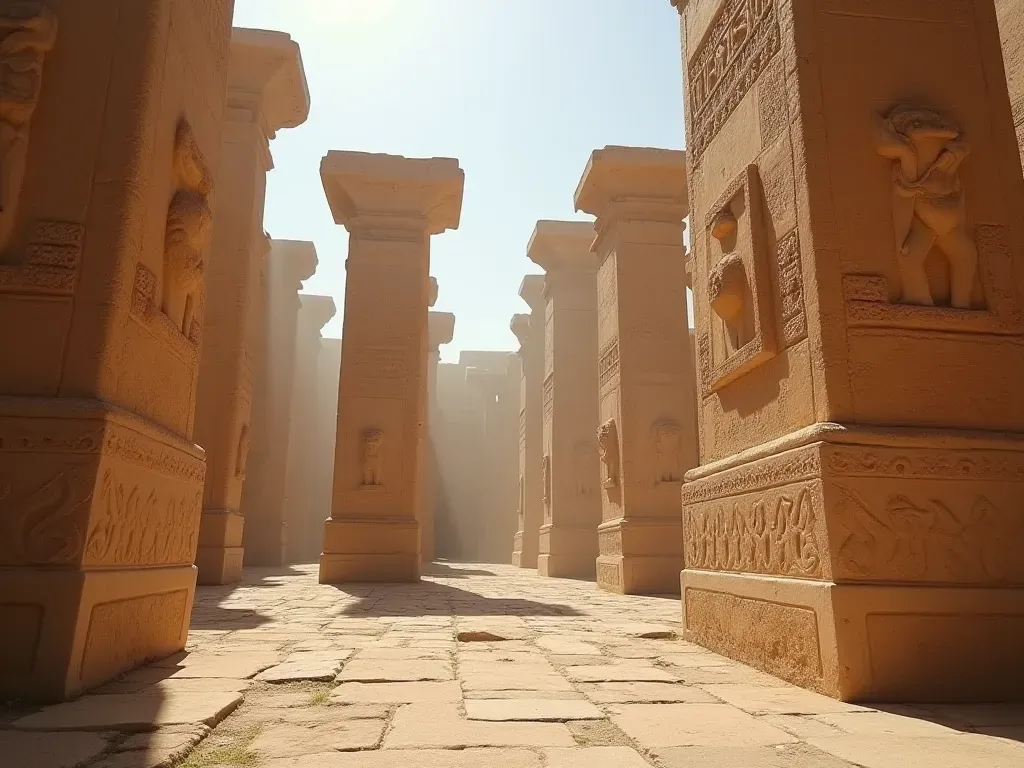
Now consider the sheer scale of Göbekli Tepe. It sprawls across more than thirty acres.
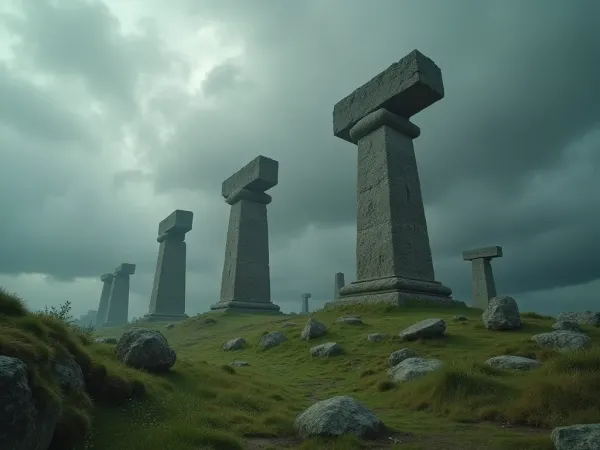
The stones weigh tons. Some are carved with intricate foxes and birds.
Who pulled this off? Nomadic hunter-gatherers supposedly lacked the organizational muscle for feats like this.
Yet here it stands. Well, what's left of it does.
Schmidt worked himself ragged to uncover these secrets. He passed away before the full picture came into view.
His successors are carrying the mission forward. The bike tour honors that continuity.
Safety And Symbolism On The Ancient Road Today Now
Beyond archaeology, the event carried a vital modern message. Traffic safety matters — everywhere.
Participants held banners reading One Rule A Lifetime in Turkish. The slogan is all about caution.
It bridges past and present in a surprisingly natural way. Both eras demand respect for rules.
Ancient builders respected structural integrity. Modern drivers have to respect traffic laws.
Why Local Support Makes This Event Unique Overall Still
Local organizations backed the tour fully. The Şanlıurfa Metropolitan Municipality played a major role.
Culture tourism and sports departments worked together without a hitch. That unity speaks to regional pride.
Cycling clubs jumped on board too. The Göbeklitepe Bicycle Club and Urfa Cycling Community both showed up.
Mustafa Şeker attended as a representative. His presence underlined the event's official weight.
This broad support helps the story travel further. It's no longer just a niche academic curiosity.
Visiting The Site Offers More Than Just Photos Clearly
After the ride, participants toured the site. They walked among the pillars themselves.
That direct contact hits different. Reading about it is one thing.
Seeing the scale in person changes your perspective instantly. The sheer mass of stone is overwhelming.
If you're planning a visit yourself, check out practical guides for travelers heading there. A little preparation goes a long way.
The Lasting Impact Of Klaus Schmidt On Global Knowledge Now
Schmidt's work forced us to rethink human origins. We're not as simple as we once believed.
His findings suggest sophisticated social structures existed much earlier. That challenges deep-seated assumptions about evolution.
The bike tour keeps his memory alive in a tangible way. It moves beyond statues and plaques into action.
It also nudges people toward healthier living. Cycling is fantastic for cardiovascular health.
How Future Generations Will View This Monumental Achievement Next
Young people need engaging ways to connect with history. Interactive events like this actually work.
They ride where scholars walked. They breathe the same air as ancient builders.
That visceral link turns abstract concepts into something real. It sparks genuine curiosity about the past.
Schmidt would likely approve of this modern homage. He cared deeply about public engagement.
His vision extends past academic papers. It reaches into the heart of communities.
The Ongoing Mystery Keeps Scholars Busy For Decades Ahead Still
So much remains buried. Only a fraction of Göbekli Tepe has been excavated.
New techniques may unlock even more secrets soon. Archaeology is advancing fast.
Schmidt laid the groundwork. Others will build on it.
The bike tour captures that forward momentum. We're moving toward greater understanding.
It's a reminder that history is never finished. It evolves with every new discovery.
Why You Should Care About This Story Right Now Today Really
In an age of digital distractions, physical stories resonate. They ground us in something real.
Göbekli Tepe forces us to confront our assumptions. It humbles modern arrogance.
Schmidt showed us that complexity can emerge from simplicity. That lesson reaches far beyond archaeology.
The bike tour is a small but meaningful gesture. It keeps the flame of curiosity burning.
So next time you pass an old ruin, pause for a moment. Think about the people who stood there before you.
Schmidt's legacy lives on in every stone revealed. It also lives on in us when we choose to learn.
The ride ends, but the journey of understanding continues. We're all students of history now.
Let's pedal forward together into the mysteries of our shared past. The road awaits.