The Real Reason This Prehistoric Cave Art Changes Everything
A Shocking Cluster of Ancient Paintings
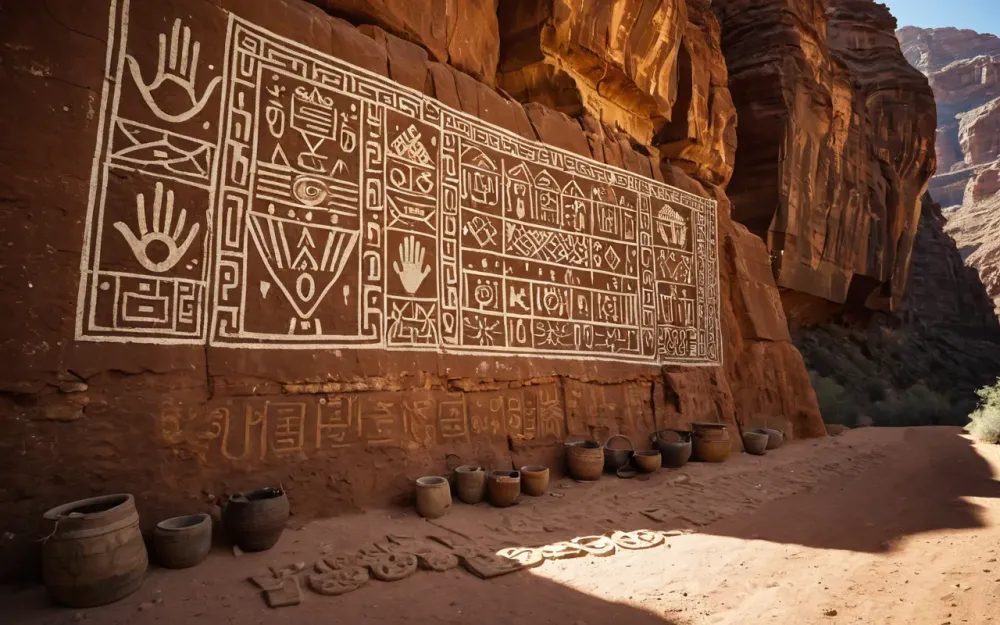
You think you know how early humans moved across the landscape. You're wrong. Deep inside a narrow limestone gorge in eastern Turkey, researchers have just cataloged a dense concentration of nearly one hundred painted figures. It's not a scattered panel here and a faint mark there. This is a deliberate, crowded gallery of red ochre drawings covering the walls of a single rock shelter.
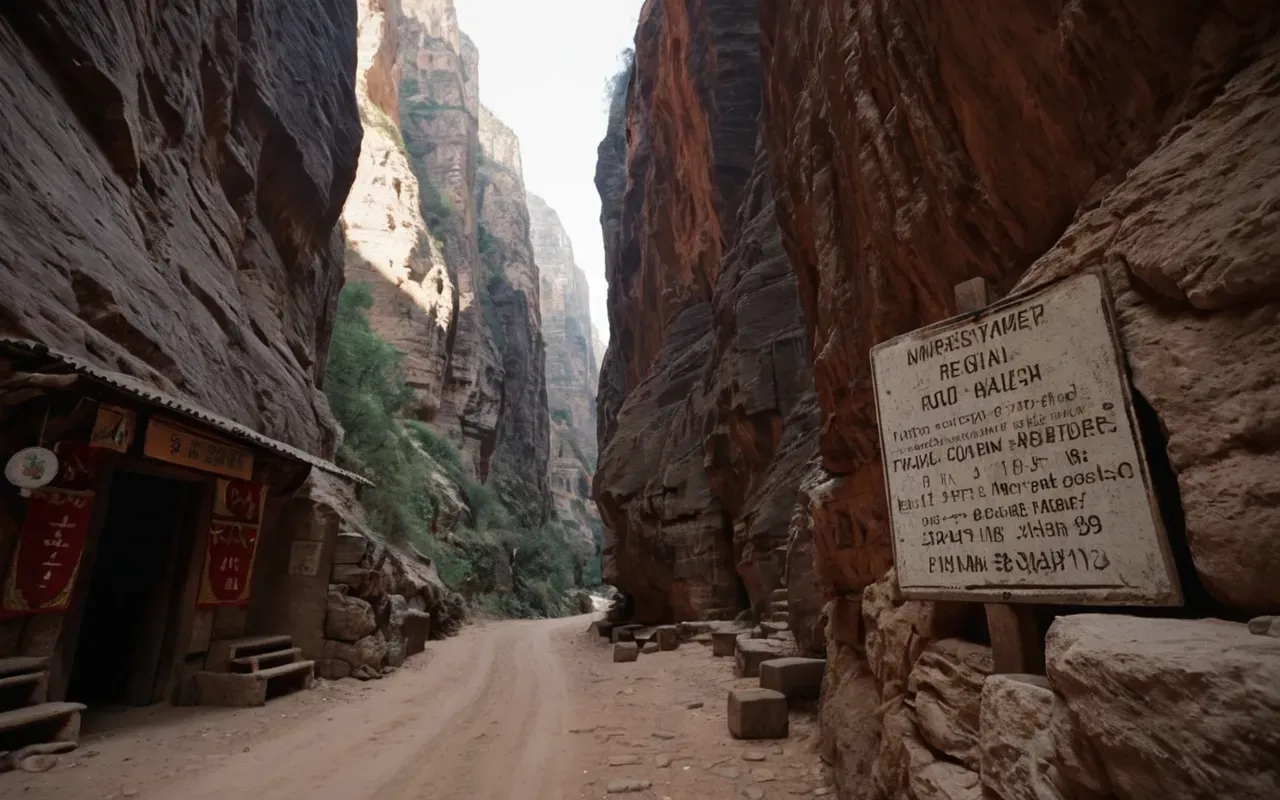
The location is the Tohma Canyon system in the Darende district of Malatya province. The canyon has been officially recognized by Turkish cultural authorities for its striking natural rock cavities. But until now, nobody knew it held such a dense assembly of prehistoric art. The discovery forces us to rethink how early communities navigated the Anatolian plateau.
Look at the numbers. Nearly a hundred figures. Humans, animals, and abstract geometric shapes all packed into one protected overhang. Most rock art sites in the region show scattered, isolated panels. A single shelter with this many images suggests repeated, intentional use. Maybe a seasonal gathering spot. Maybe a ritual hub. Or maybe a functional marker for travelers moving between the highlands and the Euphrates lowlands.
Why This Changes More Than People Think
Here's the thing nobody is discussing. If this shelter functioned as a waystation, then rock art wasn't just decoration. It was infrastructure. Think of it like ancient GPS coordinates or highway signs. People moving through the canyon would see these images and know they were on the right path. The Tohma River carves a natural corridor through otherwise brutal mountain terrain. The paintings might have served as visual landmarks for seasonal migration routes.
We keep seeing this pattern elsewhere. In the Sahara. In the Iberian Peninsula. Painted shelters cluster along travel corridors, not at permanent settlement sites. The Tohma Canyon discovery fits that exact model. If early groups moved between the central Anatolian highlands and the southern river basins, they would need reliable markers. These red figures could be those markers.
But the implications go deeper. This challenges the old assumption that symbolic expression emerged only after settled farming communities took root. We already know sites like Göbeklitepe prove that ritual and complex belief systems predated agriculture. Why We Were Wrong About Civilization Starting With Farms explores that exact reversal. The Tohma paintings strengthen that argument. People were organizing, moving, and marking territory long before permanent villages existed.
The Pigment Mystery Nobody Can Solve Yet
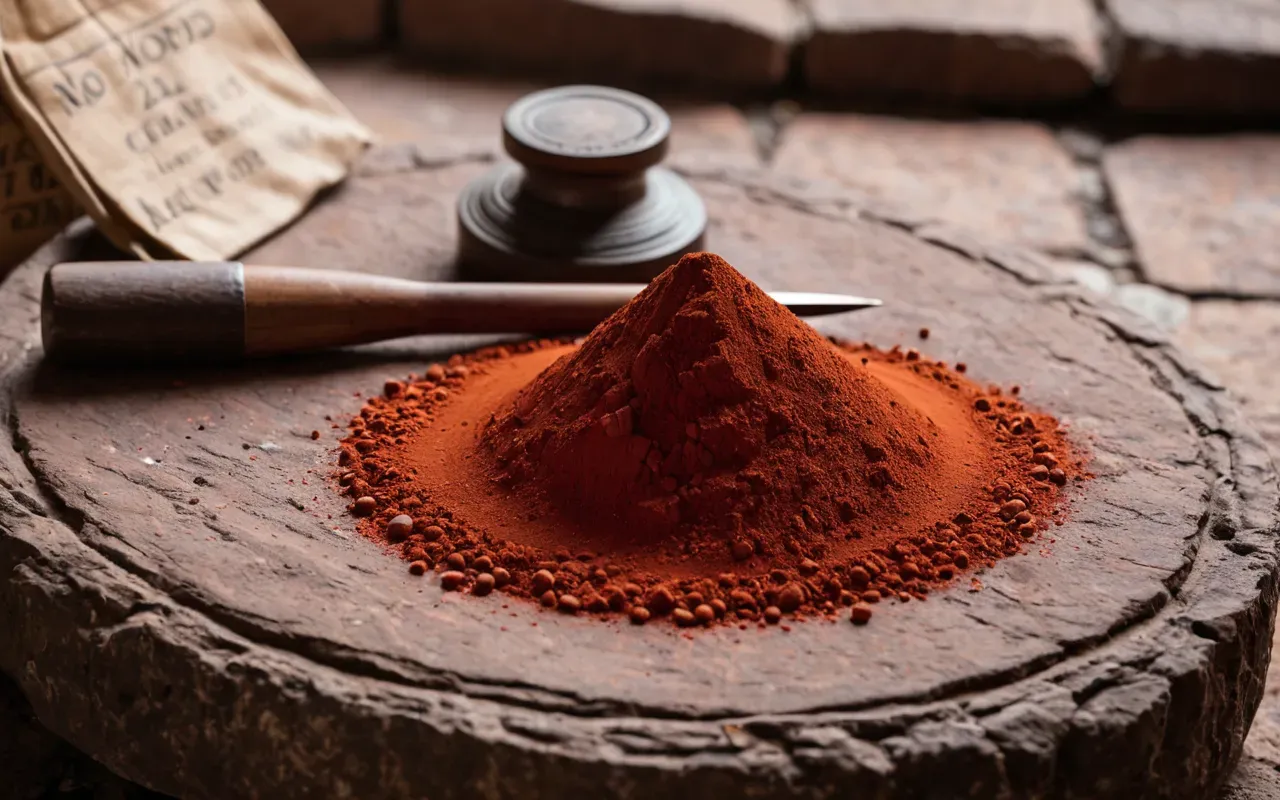
I was struck by how little we actually know about the materials. The figures are painted in red ochre. That's standard iron oxide pigment. Durable. Ancient. But where did it come from? If researchers can trace the mineral source, we'll learn whether these artists carried pigment over long distances or sourced it locally. Long-distance transport would prove these were mobile groups moving across the landscape. Local sourcing would suggest settled communities using the shelter as a recurring ritual space.
And dating remains completely open. No accelerator mass spectrometry results have been published. No peer-reviewed stylistic analysis has appeared. The paintings could date to the Neolithic, aligning with early farming experiments in the region. Or they could be younger. Protohistoric. Even historic period. Without organic binders to radiocarbon date, we're guessing. That uncertainty is both frustrating and thrilling.
Conservation Threats That Keep Researchers Awake
The canyon is already a protected scenic area. That's good news and bad news. It means the government acknowledges the landscape's value. It also means visitors are already hiking through the gorge. Rock art sites in accessible terrain face constant threats. Graffiti. Campfire smoke. Accidental touching. The red ochre has survived thousands of years in that sheltered overhang. It won't survive careless tourism.
Turkey has established reporting systems. Citizens can call Alo 176 to alert heritage authorities about threats to cultural sites. Integrating the Tohma shelter into that framework is essential. Controlled access. Protective signage. Monitoring protocols. None of this prevents study. It just ensures the paintings survive long enough for comprehensive analysis. High-resolution digital photography and 3D laser scanning can document everything without touching the walls.
What This Means for Our Understanding of Prehistory
So where does this leave us? The Tohma Canyon paintings don't just add another data point to Turkey's archaeological record. They force a structural rethink. If dense rock art clusters along migration corridors, then the entire Anatolian plateau becomes a connected system of movement, ritual, and communication. Early humans weren't isolated in small groups. They were navigating a symbolic landscape we've barely begun to read.
The human figures appear in active poses. Some seem to carry implements. The animal depictions feature deer and other ungulates. Abstract geometric forms appear alongside everything else. This isn't random decoration. It's a visual language. And we're still learning how to speak it. The same questions that haunt Göbeklitepe's origins apply here. Göbeklitepe Builders Had No Tools No Farms And No Cities highlights how early humans achieved complexity without the resources we assume were necessary.
Future research will depend on collaboration. Local authorities. National heritage institutions. Academic teams experienced in non-invasive documentation. The canyon remains a living landscape. People still hike there. Local economies depend on it. Any study must respect that reality while protecting the art. The paintings aren't relics trapped in glass. They're part of a continuous human story stretching from the Taurus foothills to the Euphrates basin.
The Tohma Canyon discovery proves that prehistory is still being written. Every new pigment analysis. Every GIS mapping project. Every protected zone established. We're not just uncovering old images. We're reconstructing how early humans understood space, movement, and meaning. And honestly, that's far more exciting than any single date or artifact count could ever be.