The Real Reason 4.4 Million People Are Rushing to This 12000-Year-Old Stone Circle
The Numbers That Rewrite the Rulebook
Four point four million. That is the exact headcount for the last eight years at Göbeklitepe. It sounds like a normal tourism stat. But wait a minute. This place is a 12,000-year-old temple complex. Nobody was living there. Nobody was farming there. And yet, the crowds are pouring in faster than ever before.
I was struck by the sheer scale of this. We keep seeing headlines about ancient sites, but they rarely move the needle like this. This isn't just a museum visit. It is a pilgrimage to the very beginning of organized human belief. To be fair, the numbers are staggering. More than 320,000 people showed up in just the first half of 2026. That puts the site on track to hit one million this year alone.
Why the Sudden Global Obsession?
Look, the UNESCO stamp matters. It always does. When a site gets that official nod in 2018, it stops being a local curiosity and starts being a global must-see. Mehmet Kamil Turkmen from the local tourism board knows this better than anyone. He says the designation was the key that unlocked the international market. And honestly, he is right.
But here is the thing. It is not just the plaque on the wall. It is the mystery. The site is near the village of Orencik, about 18 kilometers from Sanliurfa. It has been sitting there for millennia, hidden under a mound of earth. A farmer uncovered a carved statue in 1986 while plowing. That chance moment changed everything. Now, millions are walking those same paths.
The Stones Themselves Are Not Just Rocks
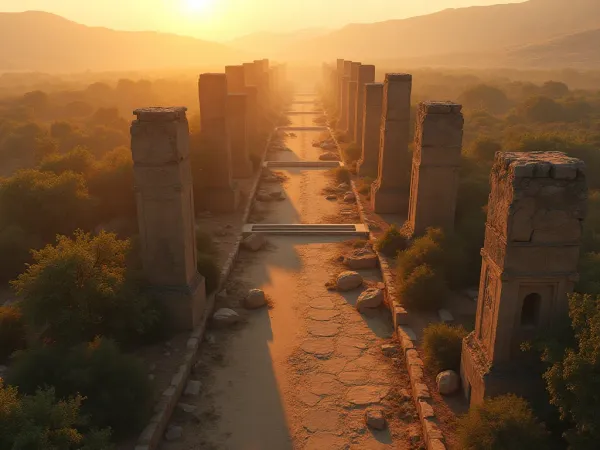
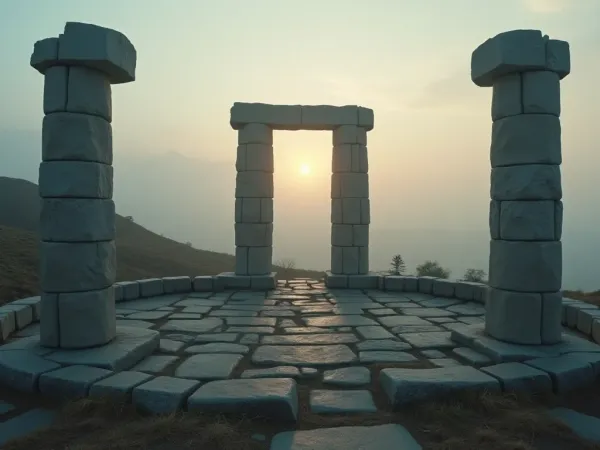
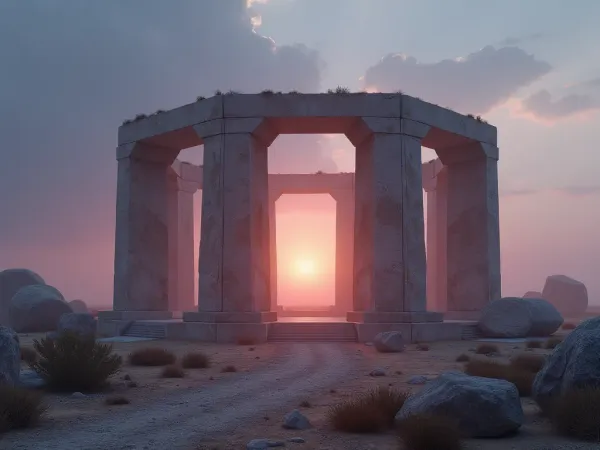
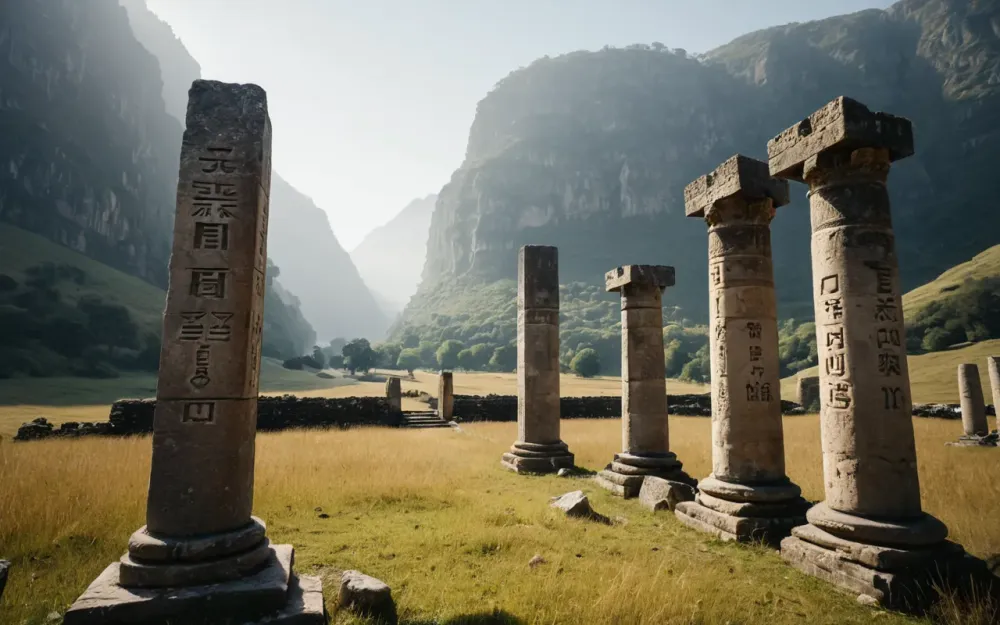
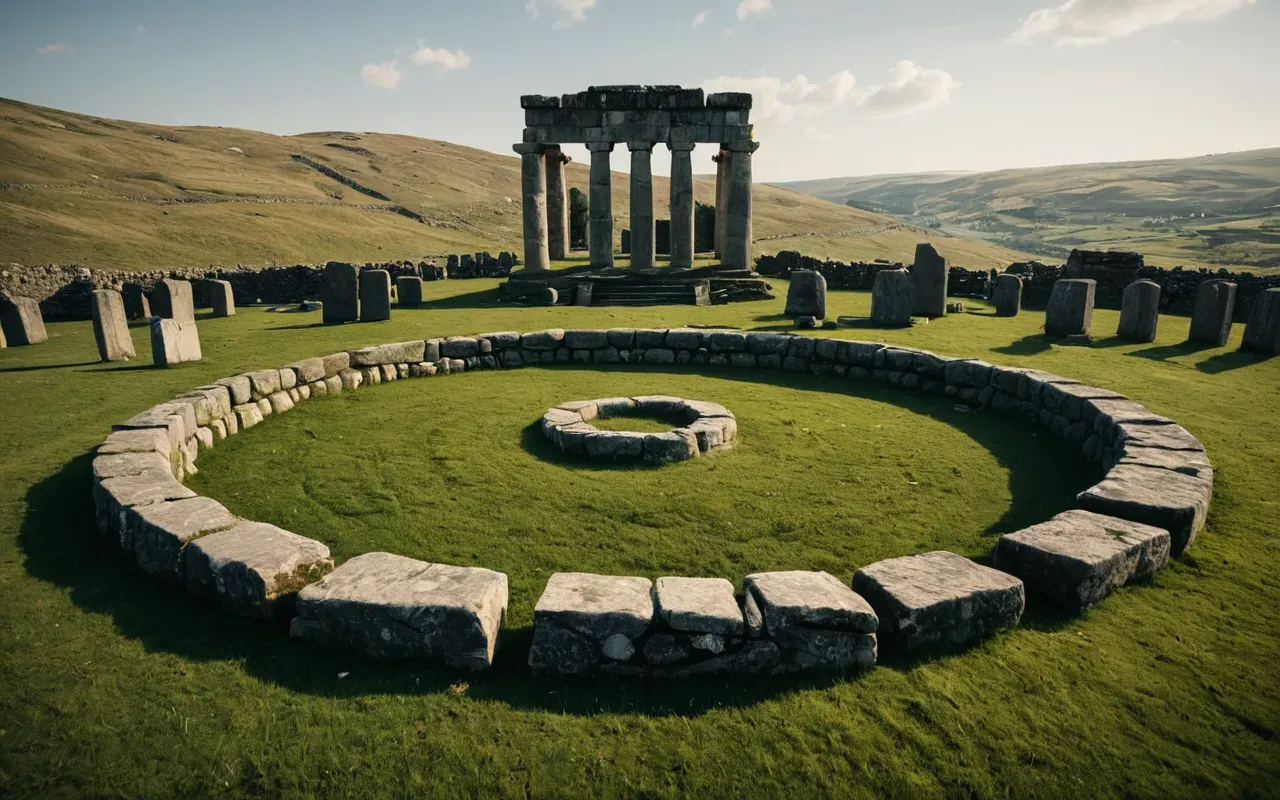
Let's talk about the pillars. They are massive. Some reach 6 meters tall. Others weigh as much as 60 tons. How did people move these things 12,000 years ago? We do not have all the answers yet. And that is exactly why people are coming. It challenges everything we think we know about early human capabilities.
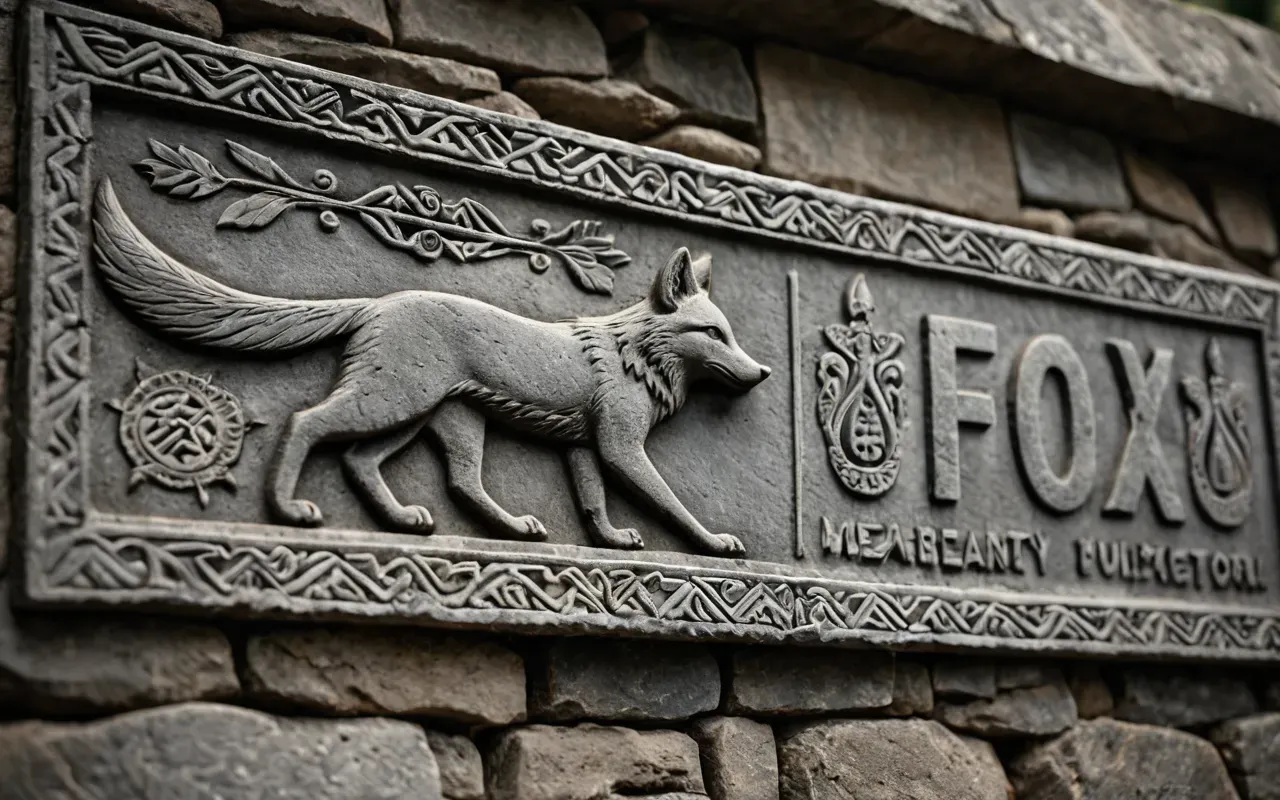
I have always found the animal reliefs to be the most haunting part. Foxes, cranes, vultures. They are carved with a precision that feels almost modern. It is not just art. It is a language. And if you are curious about
The sheer effort required to carve and erect these stones suggests a society with a high degree of organization. But wait. There were no cities yet. No agriculture. No domesticated animals. So what brought these people together? Was it food? Or was it faith? The debate is still heating up among experts.
A Shift in Our Historical Timeline
Here is the controversial part. Göbeklitepe flips the script. We used to think farming came first, then cities, then temples. This place proves the opposite. The temple came first. The gathering came first. And the farming? That came later. It is a profound shift. And it is one of the reasons why this site is so compelling to modern visitors.
I was reading a recent analysis on this, and it really stuck with me. The idea that belief systems drove human progress, rather than the other way around, is mind-blowing. It suggests that our spiritual needs are just as fundamental as our physical ones. And that is a powerful message for anyone walking through those stone circles today.
The Hidden Power of the Place
You can feel the energy when you read about it. Even with the pandemic and regional disasters, the numbers kept climbing. That resilience is not an accident. People are drawn to the mystery. They want to touch the past. They want to understand where we came from. And Göbeklitepe offers a rare, direct link to our earliest ancestors.
And let us not forget the nearby sites. Karahantepe is expected to join the UNESCO list soon. It is part of the same ancient network. This is not just one temple. It is a region of profound historical significance. The surge in visitors is a sign of a broader awakening to our shared heritage. Your mileage may vary on the spiritual side, but the historical impact is undeniable.
What This Means for Future Generations
We are standing at a crossroads. With 4.4 million visitors already, the pressure to preserve the site is immense. But the interest is also funding more research. More excavations. More answers. It is a delicate balance. And honestly, it is the most exciting time to be studying this part of history.
The story of Göbeklitepe is far from over. In fact, it is just beginning. As we uncover more secrets, we might just find that our understanding of human origins is only the tip of the iceberg. And that is a thought that keeps me up at night. What else is buried under those hills?
The Verdict on the Visitor Surge
So, is this just a tourism boom? No. It is a cultural phenomenon. The 4.4 million visitors are not just checking a box. They are seeking connection. They are looking for meaning in a world that often feels disconnected. And in those 12,000-year-old stones, they are finding exactly that.
I believe this trend will only grow. As more people realize the significance of this site, the numbers will climb. But we must tread carefully. Preservation is key. We owe it to the past to protect it for the future. And with the right balance, Göbeklitepe will continue to captivate the world for generations to come.