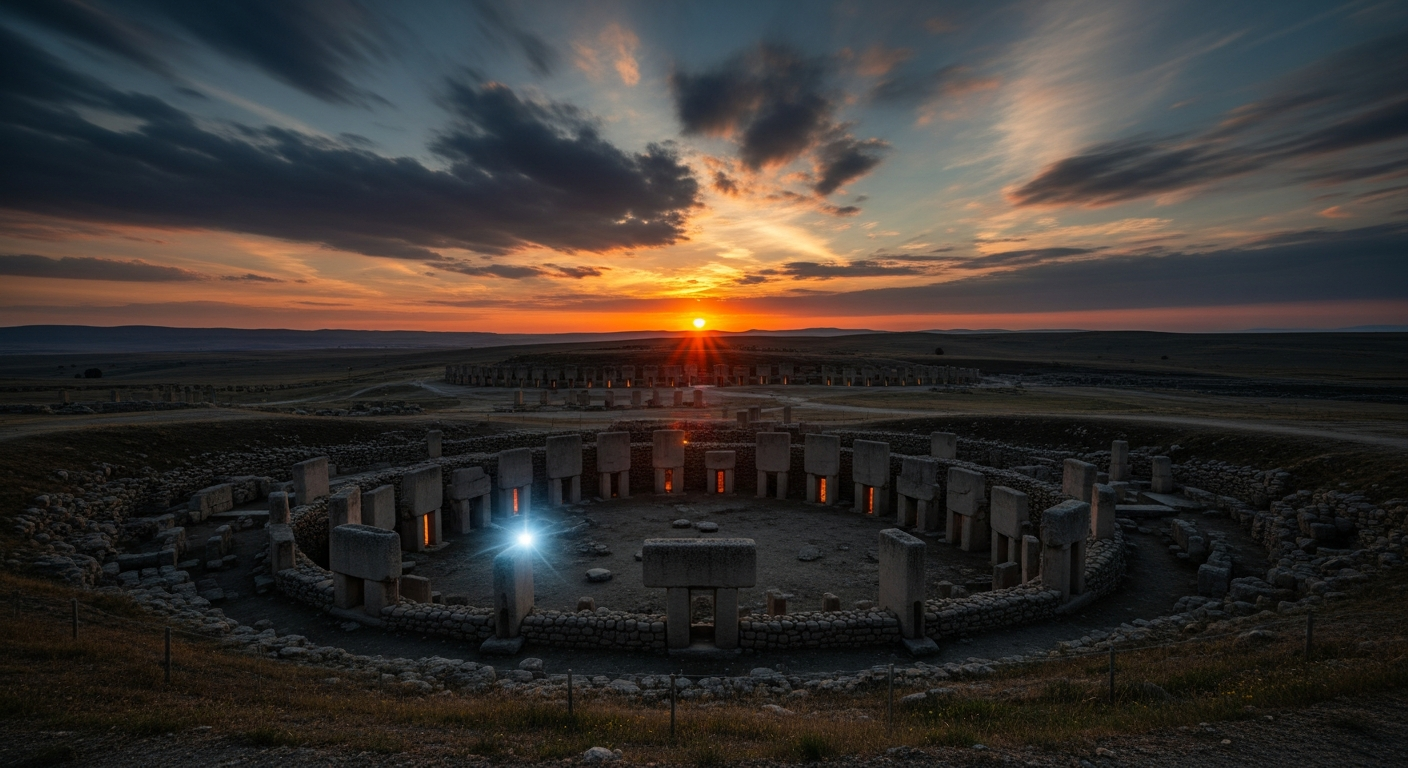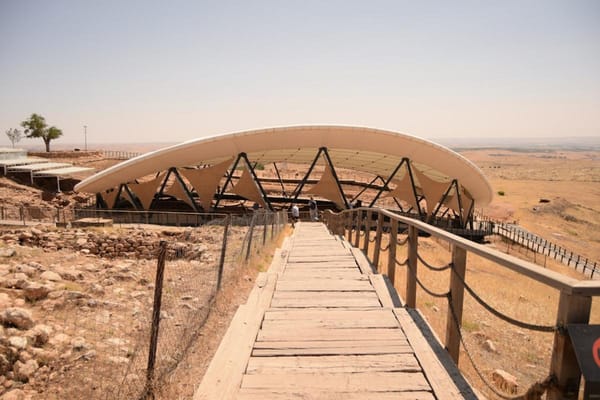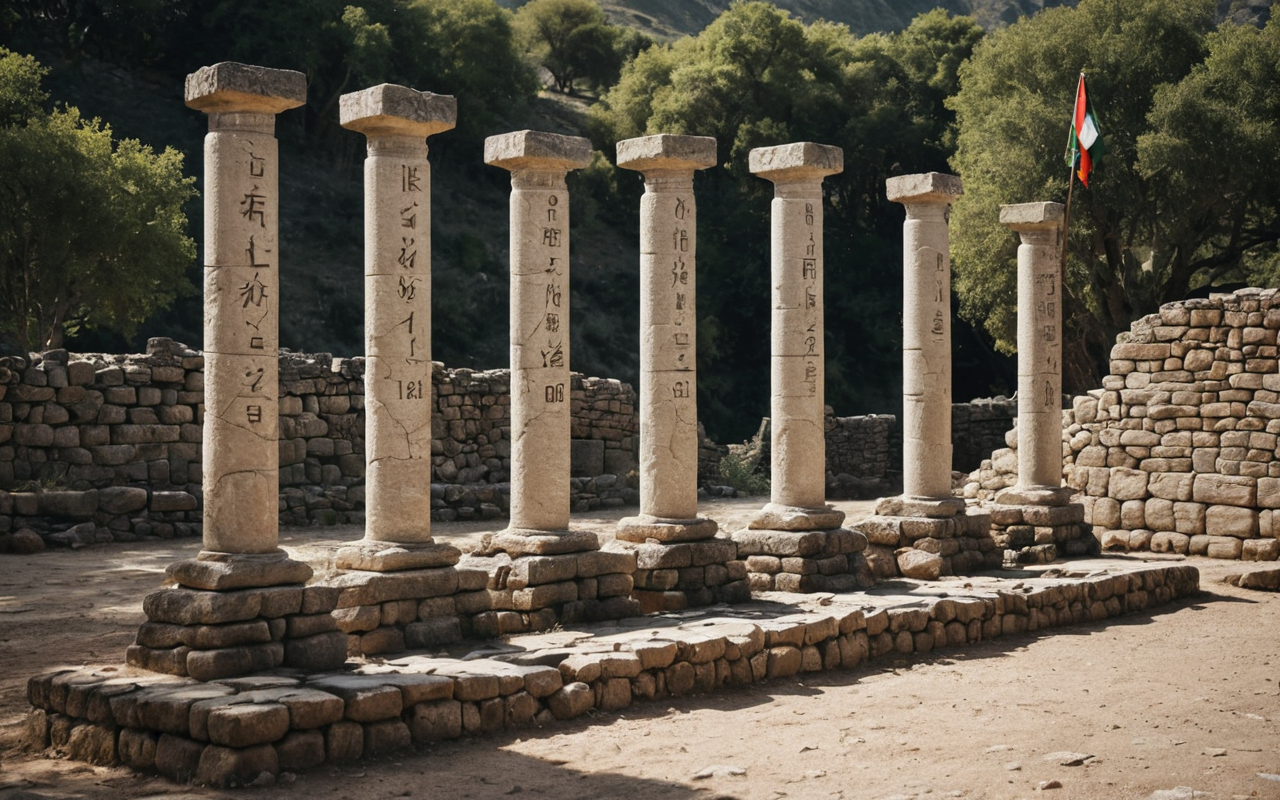
Why Archaeologists Think Göbeklitepe Was Actually a Home
The Stone That Changed Everything
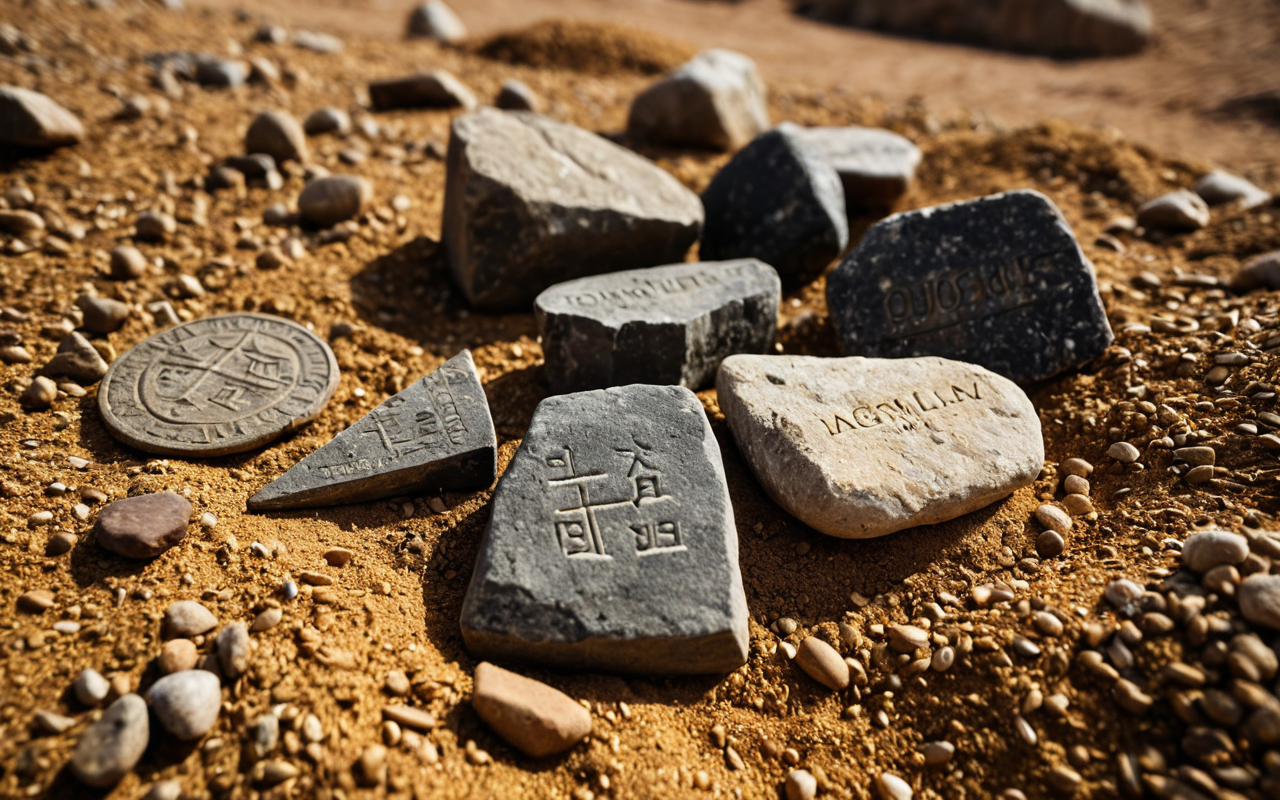
For years, the prevailing theory about Göbeklitepe was that it was a monumental temple, a sacred gathering place where nomadic groups came together to worship and share beliefs. However, the recent discovery of grinding stones and hammerstones at the site is shifting this narrative in a profound way. These tools are not ceremonial; they are everyday objects used for crushing plants and preparing food. Their presence suggests that people were not just visiting the site for religious purposes but were actually living there. This challenges the long-held assumption that Göbeklitepe was exclusively a public building. As archaeologist Necmi Karul noted, these findings indicate daily use and point to a more complex social structure than previously thought. The idea that early humans constructed massive stone monuments before they even settled down is already mind-blowing, but the possibility that they also built homes alongside these temples is even more revolutionary. It means that the site was not just a place of worship but a hub of daily life, where communities gathered, worked, and lived together. This changes how we understand the transition from nomadic life to settled agriculture. If people were already living in structures at Göbeklitepe, it suggests that the development of settled life and monumental architecture happened simultaneously, not sequentially. This new perspective forces us to reconsider the timeline of human civilization and the factors that drove our ancestors to build and stay in one place. The implications of this discovery are vast, touching on everything from early social organization to the origins of agriculture and the development of complex societies. It is a reminder that history is not static and that each new finding has the potential to rewrite our understanding of the past.
Rethinking the Temple Narrative
The traditional view of Göbeklitepe as a temple has been deeply ingrained in archaeological literature and popular culture. It was seen as a place where people came together for rituals and ceremonies, but not necessarily to live. The discovery of dwellings and shelters challenges this narrative directly. It suggests that the site was a settlement, a place where people lived and worked, not just a sacred space for occasional gatherings. This is a significant shift in perspective because it implies that the builders of Göbeklitepe were not just nomads who came together for religious purposes but were part of a more settled community. The presence of residential structures alongside monumental architecture indicates a level of social organization that was previously underestimated. It also raises questions about the nature of these early communities. Were they hunter-gatherers who had not yet adopted agriculture, or were they early farmers who had begun to cultivate the land? The findings suggest that the transition from hunting and gathering to agriculture was a gradual process that happened alongside the development of settled life. This is a more nuanced view of human history that recognizes the complexity of early societies and the diverse ways in which people adapted to their environment. It also highlights the importance of continuing archaeological work at Göbeklitepe and other similar sites to uncover more details about this pivotal period in human history. As we learn more about the daily lives of these early communities, we gain a deeper appreciation for their ingenuity and resilience. The story of Göbeklitepe is not just about monumental architecture but about the people who built it and the lives they lived.
Imagine the scene at Göbeklitepe thousands of years ago. People are not just gathering for rituals but are also going about their daily routines. They are grinding grains, preparing food, and caring for their families. The grinding stones found at the site are evidence of this daily activity. They show that people were processing wild grains, which is a crucial step in the development of agriculture. This suggests that the site was not just a place of worship but a center for innovation and experimentation. The people who lived there were not just passive observers of their environment but active participants in shaping it. They were learning how to cultivate plants, manage resources, and build sustainable communities. This is a remarkable achievement that highlights the intelligence and adaptability of early humans. It also challenges the notion that agriculture was a sudden development that happened in isolation. Instead, it was a gradual process that unfolded over time as people learned from their experiences and shared their knowledge. The discovery of dwellings at Göbeklitepe provides a more complete picture of this process. It shows that the development of agriculture and settled life were intertwined, with each influencing the other. This is a more holistic view of human history that recognizes the interconnectedness of different aspects of early societies. It also underscores the importance of preserving sites like Göbeklitepe for future generations to study and learn from. As we continue to uncover more details about the daily lives of these early communities, we gain a deeper understanding of our own origins and the factors that have shaped human civilization.
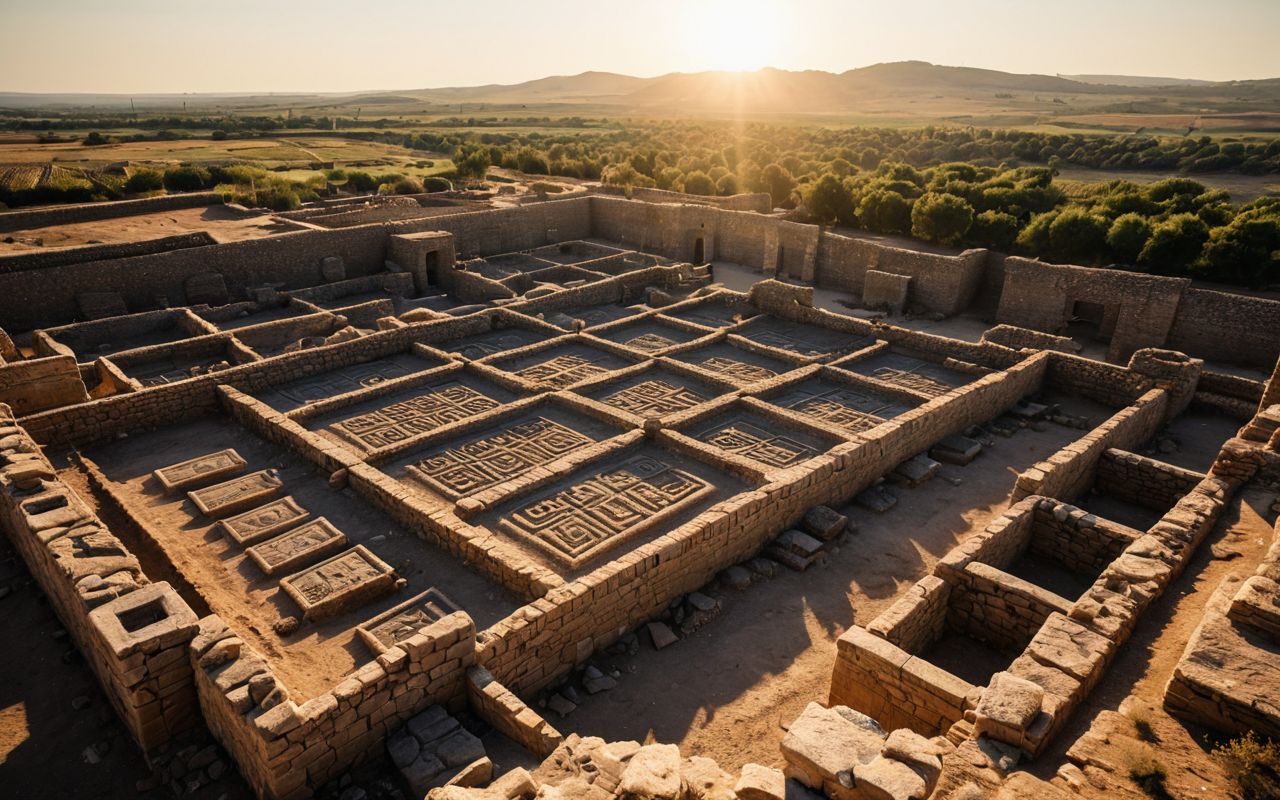
The Bigger Picture of Human Origins
The implications of these new findings extend far beyond Göbeklitepe itself. They have the potential to reshape our understanding of human origins and the development of early civilizations. If Göbeklitepe was a settlement, it suggests that the transition from nomadic life to settled agriculture was more complex than previously thought. It implies that people were already living in communities and building structures before they fully adopted agriculture. This challenges the traditional narrative that agriculture was the driving force behind the development of settled life. Instead, it suggests that social and cultural factors played a significant role in this transition. The discovery of dwellings at Göbeklitepe also raises questions about the nature of these early communities. Were they egalitarian societies where everyone shared resources and responsibilities, or were there hierarchies and divisions of labor? The presence of monumental architecture suggests that there was a level of social organization that required coordination and cooperation. This could indicate the emergence of leadership roles or specialized tasks. As we continue to study sites like Göbeklitepe, we are gaining a more nuanced understanding of the factors that drove the development of early civilizations. It is clear that human history is not a simple linear progression but a complex web of interconnected events and processes. The new findings at Göbeklitepe are a reminder that there is still much to learn about our past and that each discovery has the potential to challenge our assumptions and expand our knowledge. This is an exciting time for archaeology, and the story of Göbeklitepe is far from over.
As the site of Göbeklitepe becomes more popular, conservation efforts are becoming increasingly important. The influx of visitors is putting a strain on the ancient structures, and there is a risk of damage if proper precautions are not taken. The excavation team is working with the German Archaeological Institute to ensure that the site is preserved for future generations. This is a crucial task that requires careful planning and execution. It also highlights the importance of balancing accessibility with preservation. While it is important for people to visit and learn about Göbeklitepe, it is equally important to protect the site from the effects of tourism. This is a challenge that many archaeological sites face, and it requires a multi-faceted approach that involves education, regulation, and technology. As we continue to uncover more details about Göbeklitepe, it is essential that we also prioritize its preservation. The story of this ancient site is a treasure that belongs to all of humanity, and it is our responsibility to ensure that it is protected for future generations to discover and learn from. The ongoing work at Göbeklitepe is a testament to the dedication and expertise of the archaeologists and conservationists who are working to uncover and preserve this important piece of our shared history.
What Lies Beneath
The excavations at Göbeklitepe are ongoing, and there is still much more to discover. The site is just one part of a larger network of stone hills in the region, each with its own unique history and significance. As archaeologists continue to dig, they are uncovering more details about the daily lives of these early communities and the factors that drove their development. The discovery of dwellings at Göbeklitepe is just the beginning, and it is likely that more findings will emerge in the coming years. This is an exciting time for archaeology, and the story of Göbeklitepe is far from over. Each new discovery has the potential to challenge our assumptions and expand our knowledge of human history. It is a reminder that the past is not static and that there is always more to learn. As we continue to explore the mysteries of Göbeklitepe, we are gaining a deeper understanding of our own origins and the factors that have shaped human civilization. This is a journey that is just beginning, and the destination is still unknown. But one thing is clear: the story of Göbeklitepe is a remarkable one that deserves to be told and preserved for future generations.