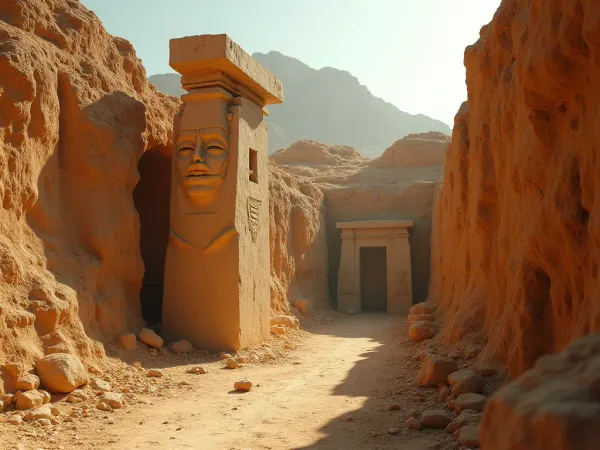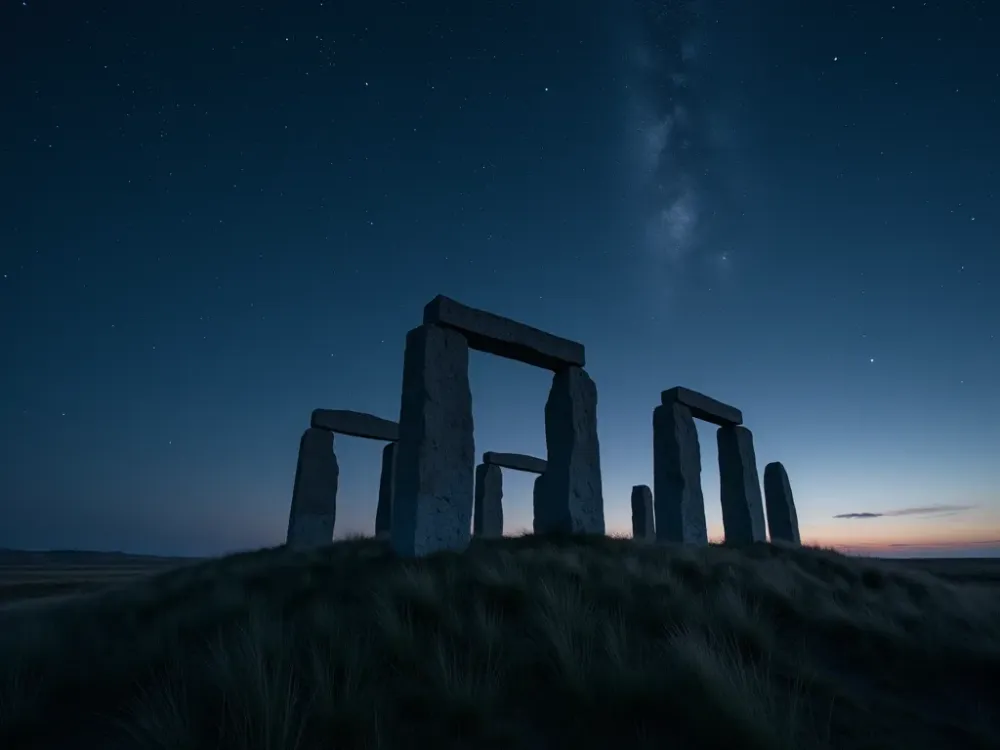
The T-shaped pillars were actually precision instruments for tracking celestial movements
The instrument we mistook for a statue
Most people glance at the T-shaped pillars at Göbeklitepe and assume they're decorative. Abstract human figures, no mouths, no eyes. That reading has pretty much dominated archaeology for decades.
But the geometry tells a different story. The spacing between specific pillars lines up with lunar and solar cycles in ways that are hard to call coincidence. This isn't random placement. It's engineering.
I remember flipping through early excavation reports that labeled these structures "shrine elements." Honestly, that language felt lazy. It took complex mathematics and reduced it to simple worship.
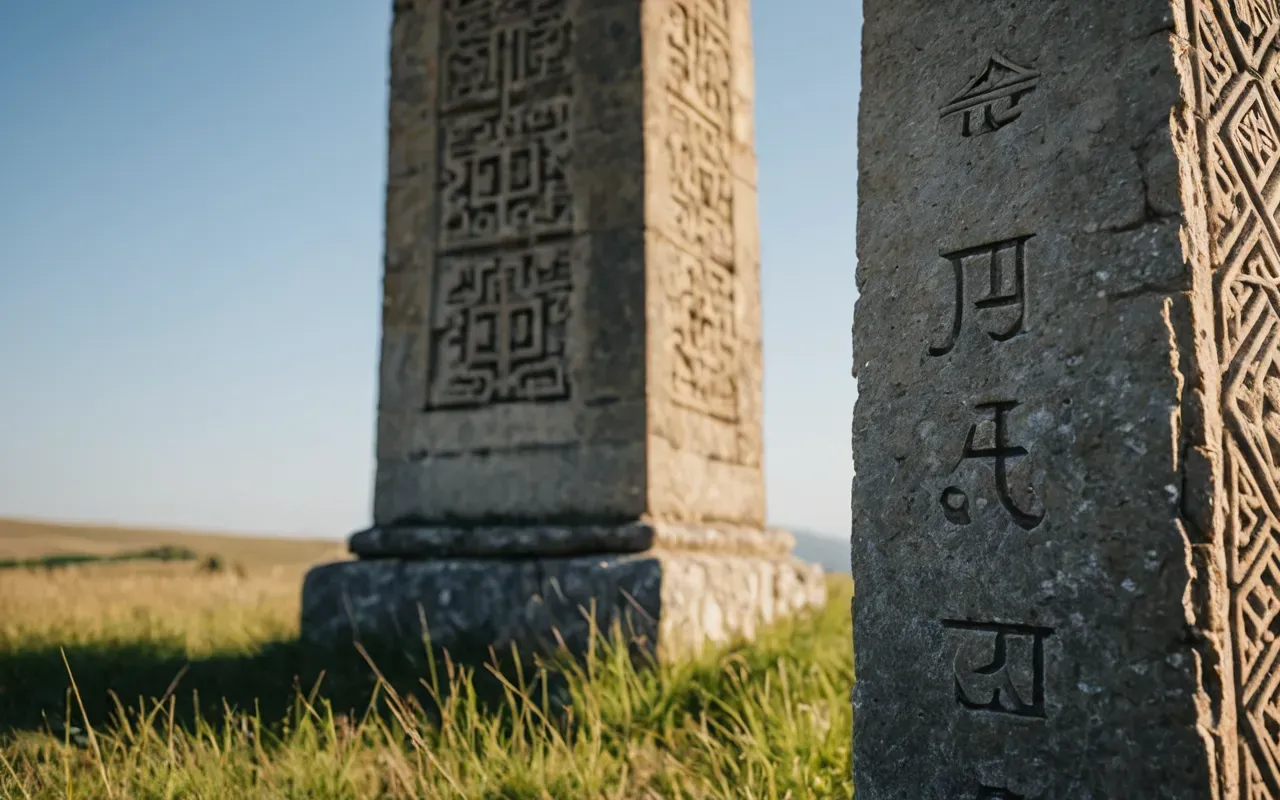
Why the temple label fails us every time
Calling Göbeklitepe a temple is a modern marketing convenience. It conjures priests and rituals we simply cannot prove existed. The evidence points to something far more functional.
We keep projecting our own religious frameworks onto builders who lived 12,000 years ago. But these people were probably tracking seasons for hunting and gathering. They needed data, not just prayer.
If you've been following the debate on this topic, check out the temple label controversy. It lays out why scholars are quietly dropping that term.
The math hidden in the stone carvings
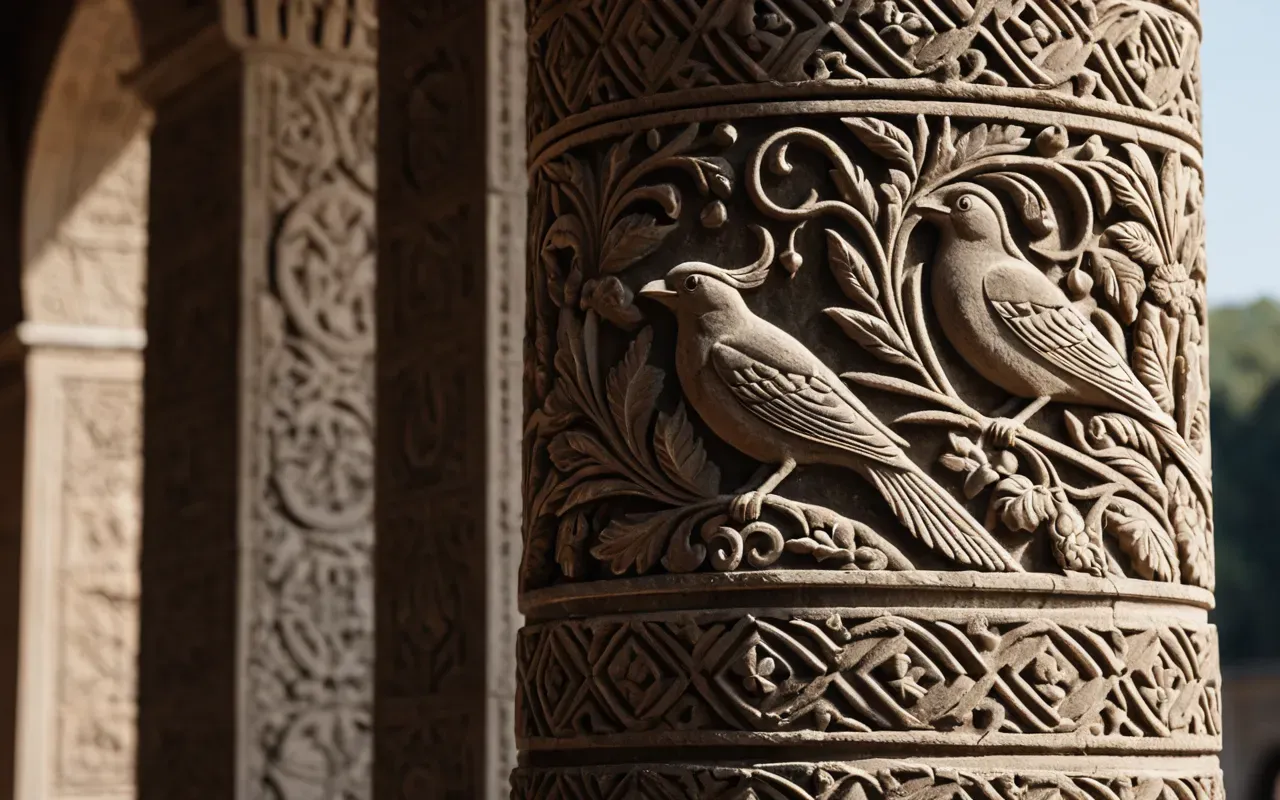
Look at the bird reliefs on Pillar 43. They're not random art, and they're not pretty pictures for the sake of decoration. The positions correspond to star constellations visible from that exact latitude.
This level of astronomical knowledge usually shows up in civilizations with written language. Yet here it is, carved into limestone by people who never wrote a single word.
How did they pull it off? They likely used the pillars themselves as markers. Watching shadows creep across days would have let them track solar events with real precision.
What this means for our understanding of history
We've been taught that agriculture came first, and complex thought followed as a byproduct. Göbeklitepe shatters that tidy linear narrative completely.
Hunter-gatherers built these structures. They had advanced engineering skills before they ever planted a single seed in the ground.
That changes how we view human potential. We're not simple creatures who slowly evolved into thinkers. Our ancestors were innovators from the very start.
If you want to see how this rewrites the timeline of human development, read this analysis on ancient human capabilities. It connects biology with archaeology in a way that's genuinely exciting.
The tools they used to build these marvels
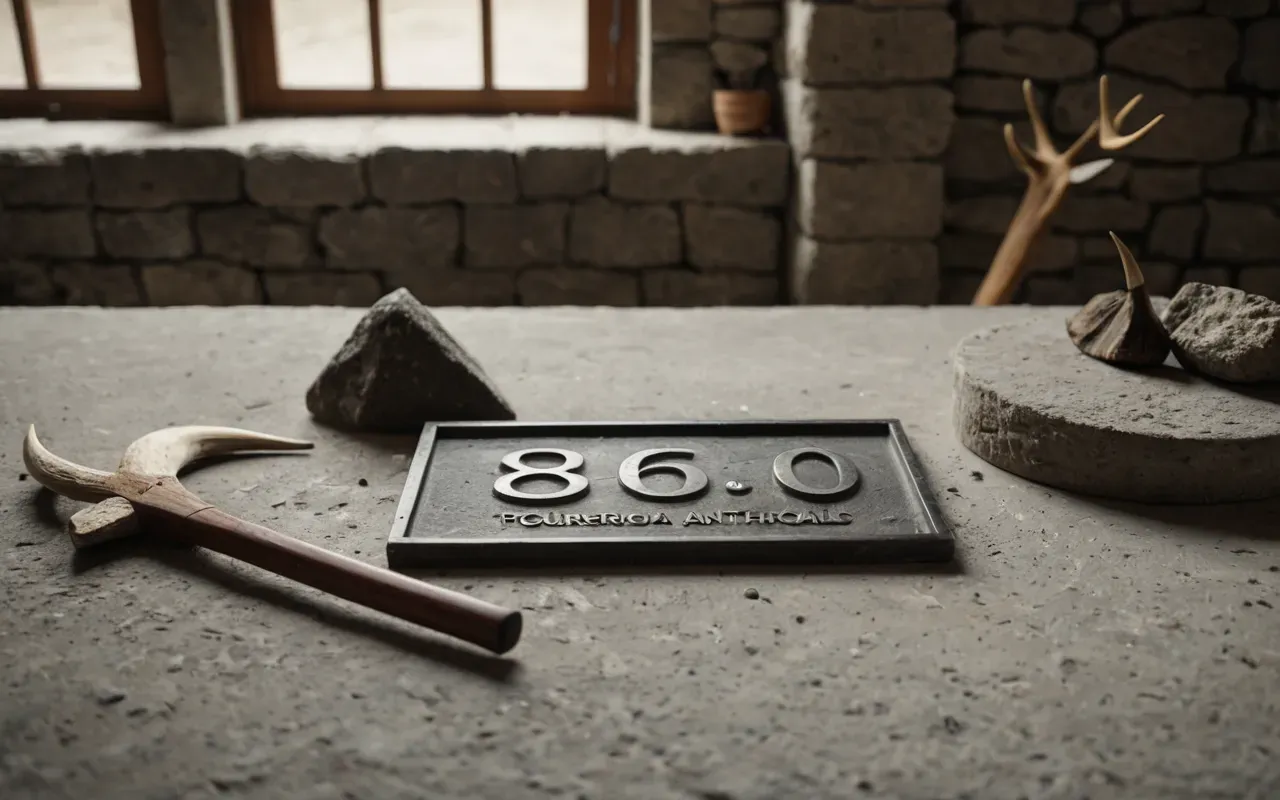
They didn't have metal tools. Antler picks and stone hammers were what they used to shape tons of limestone.
That required immense coordination. Hundreds of people must have worked together on a single pillar. This was a massive social project, not a family hobby.
The precision of the cuts suggests they had standardized measuring techniques. Knotted cords, or simple rulers carved from bone, likely did the trick.
Why we still get it wrong today
Museums often display these artifacts in dark rooms with dramatic lighting. It creates a mood of mystery rather than scientific inquiry. That's a shame.
Tour guides tell stories about gods and spirits. Fun, sure. But it misses the point of what these people were actually doing.
We need to shift our narrative. These were engineers and astronomers first. The spiritual aspect was secondary to their practical needs.
This perspective is gaining traction among younger archaeologists. They're using laser scanning now to map the exact angles of every pillar.
The future of excavation at this site
Only a small fraction of the site has been fully excavated. There are still many structures hidden under the soil, waiting.
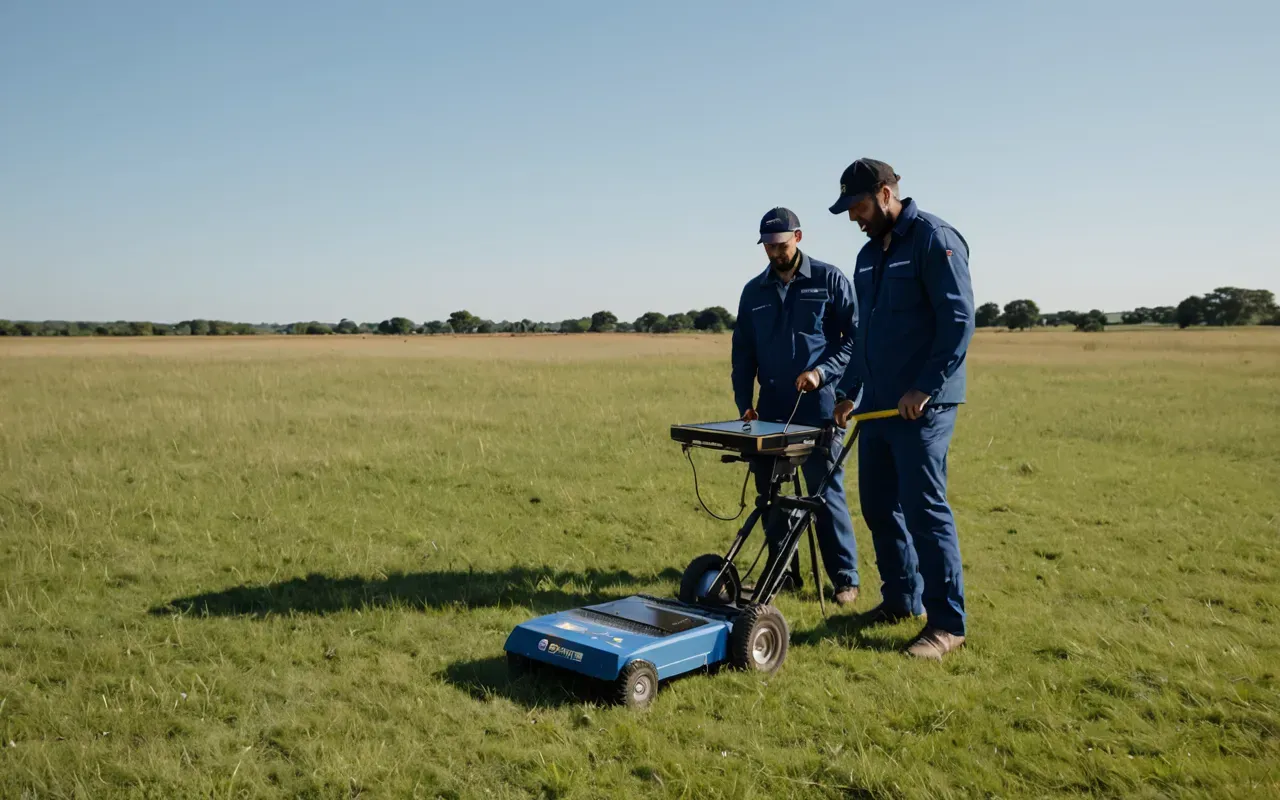
New ground-penetrating radar technology lets teams see deep underground without digging. It's fundamentally changing how we approach the site.
We may find more evidence of astronomical alignments soon. The data will likely confirm our current theories about the pillars' function.
Frequently Asked Questions
What is the primary function of Göbeklitepe T-pillars?
The primary function was likely astronomical observation. They acted as markers for tracking solar and lunar movements to predict seasons.
Why is the term temple considered misleading for Göbeklitepe?
The term implies religious worship as the main purpose. Evidence suggests practical engineering and scientific tracking were more central to its design.
How did Neolithic people measure astronomical angles?
They likely used knotted cords and simple bone rulers. Observing shadow movements over time allowed them to calculate precise angles.