The stone face you can finally see at Gobeklitepe changes everything we think we know
The Face in the Stone That Broke the Silence
For decades, we assumed art and religion needed cities. Roads, markets, kings — you needed the whole apparatus to carve a face into rock. That assumption is dead now. A new section of Göbeklıtepe, in southeastern Turkey, opens to visitors soon.
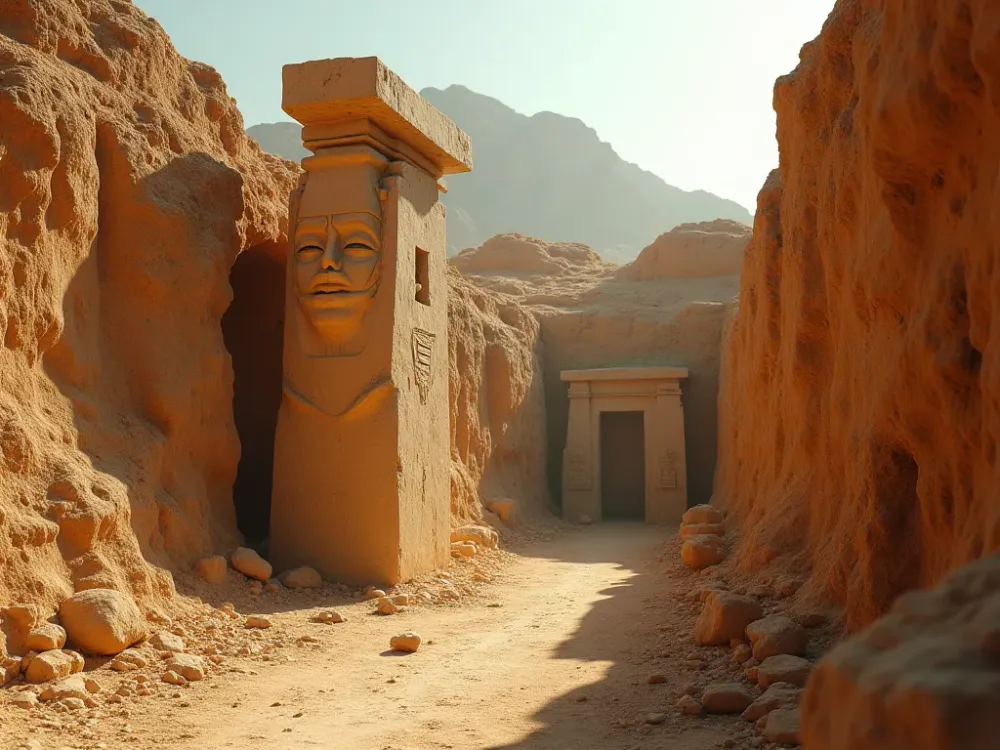
This isn't just another excavation pit. Area holds T-shaped pillars carved with animals, and they predate the pyramids by thousands of years. The most striking find? A pillar with a human face carved into it. One detail, and the story of when humans started seeing themselves as distinct — maybe even divine — has to be rewritten.
Why This Specific Opening Matters More Than You Think
Until now, visitors only got Area , under its white roof. Impressive, sure. But it feels like reading a single page of a book. The new green-roofed area is different. It shows belief carrying across generations.
Prof. Dr. Necmi Karul, who directs the excavation, says the team is building a wooden platform so the public can move through safely while research continues. That dual approach is rare. Most sites slam shut the moment tourists show up.
Here's the twist nobody talks about. The new area isn't just old rocks to look at. It's evidence of a social network. These structures point to organized labor on a massive scale — long before agriculture took hold.
The Human Face That Challenges Our Timeline of Consciousness
We like to think self-awareness crept along slowly. But a recent find at nearby Karahantepe shows a similar T-shaped pillar with a human face. Not an isolated incident. A pattern.
Think about that. Twelve thousand years ago, people were carving faces into massive stones. Why? To honor ancestors? To stand in for deities? Or to mark territory for a group identity we don't even have names for yet?
The implication is stark. Our ancestors had complex spiritual lives before writing, before metal tools. That flips the traditional narrative of progress on its head.
What We Are Missing in the Global Conversation About History
Most history books open with Sumer or Egypt. The Neolithic gets treated as blank space before civilization kicked in. Göbeklıtepe and sites like it prove that was wrong.
If you've ever wondered why the ancient civilizations map everyone gets wrong leaves these sites out, this is your answer. The gap isn't a mystery. It's an oversight.
The real story is cooperation. Hundreds of people had to work together on these structures with no written orders and no centralized authority. It's a blueprint for human potential we're only now starting to grasp.
The Practical Reality of Visiting a Living Archaeological Site
Walking through Göbeklıtepe doesn't feel like a museum. The stones are warm under the sun. You can smell the earth. It's visceral in a way photos never capture.
The new wooden platforms will open the site to people with mobility challenges. A quiet victory for inclusivity in heritage tourism.
And the excavation keeps going. You might watch researchers brushing dust off a stone from behind a glass barrier. Education and preservation, blended.
A Contrarian View on the Meaning of These Ancient Symbols
We tend to project modern religious concepts onto these sites. We assume temples for gods we can't name. But what if they were community centers? Meeting halls?
The animal carvings suggest a deep tie to the natural world. Not worship the way we understand it today. Identity and belonging.
Honestly, that's a more human story than the mystical one. People who wanted to be remembered. Who wanted their group to matter. Twelve thousand years later, that motivation hasn't changed.
The Bigger Picture of How We Teach Ancient History Now
Schools are starting to adjust. They can't ignore the pre-pottery Neolithic era anymore. It's too significant to leave out.
If you are interested in how ancient flood myths are likely just memories of your history teacher skipping the first ten thousand years, this site offers a tangible counter-narrative.
The stones don't lie. They stand in the open air for anyone to see. That power is why this opening matters so much right now.
Who Wins and Who Loses in This New Era of Access
Local communities near Örencik benefit from tourism revenue. A real economic boost for villages the global travel industry overlooked for years.
But there's a risk. Over-tourism can damage fragile sites. Access and preservation — the balance is delicate.
Keeping the excavation running while the public walks through is a bold gamble. If it works, it sets a new standard for archaeological sites worldwide.
Final Thoughts on the Face in the Stone and Our Shared Past
When you look at that carved face, you are looking into the eyes of someone who lived twelve thousand years ago. They were thinking. Feeling. Worrying.
The new area at Göbeklıtepe is more than a tourist attraction. It's a mirror. It shows us that our capacity for meaning-making is ancient.
So when the doors open next month, don't just take a photo. Stand still for a moment. Listen to the silence of the stones.
They have been waiting for you. For a very long time.