The temple story is a modern invention and new evidence proves it
The Myth That Built A City On Sand
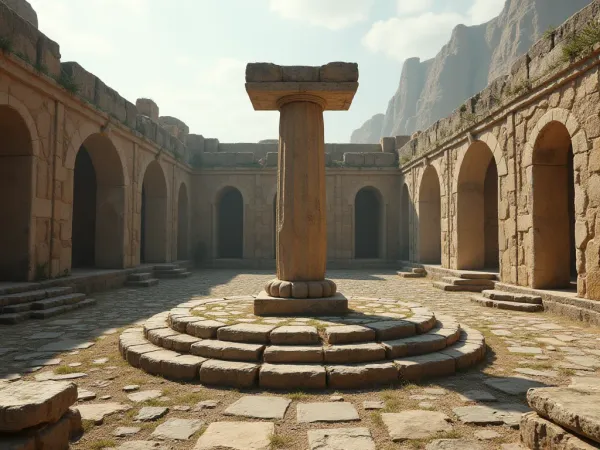
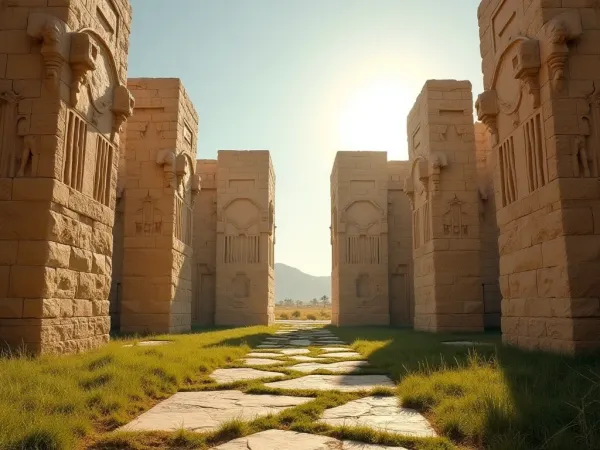
I watched a group of tourists kneel before the T-shaped pillars at Göbeklitepe. One man whispered about alien architects. Another spoke of biblical prophecy. The air was thick with mysticism, yet none looked down at their feet. They missed the grinding stones. They ignored the hearths.
Here's the core problem with how we talk about this site. We treat it as a temple because a famous magazine said so in 2006. But temples require priests, economies, and hierarchies. We have found none of these things here.
The narrative is seductive, I'll admit. It feeds our modern craving for grand origins and divine purpose. But the material evidence tells a different story. A far more human one.
It Was Not Standing Alone In Nowhere
For decades, the dominant view was that these massive circles stood in a void. No water nearby. No houses around them. Just sacred stones rising from an empty landscape to draw pilgrims from hundreds of kilometers away.
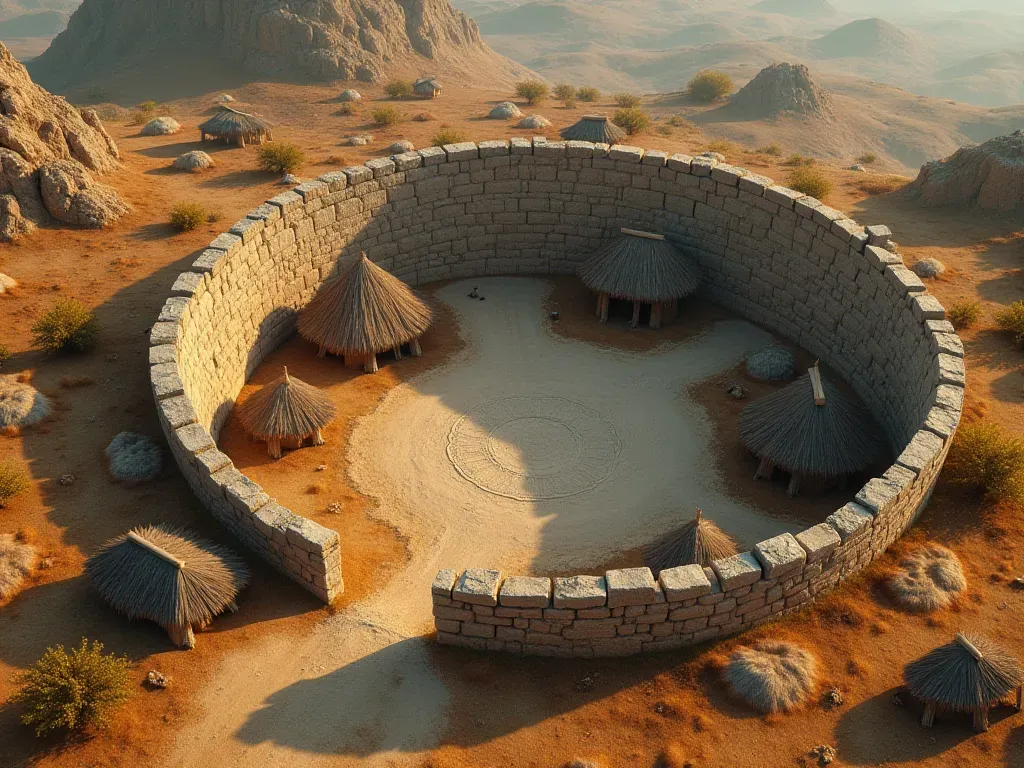
Then the ground started talking back. In October 2025, georadar and lidar surveys swept across unexplored parts of the mound. They found houses. Dozens of them. Structures interpreted as dwellings were lying right there beneath the surface.
This changes everything. If people were living there, the circles were not isolated shrines. They were part of a neighborhood. The monumental architecture was embedded within an inhabited settlement landscape.
Domestic Life In The Sacred Space
Excavations at neighboring sites like Karahantepe and Sayburç show the same pattern. Large circular structures sit inside villages. They share walls with homes. The boundary between the 'sacred' and the 'domestic' is blurry, if it exists at all.
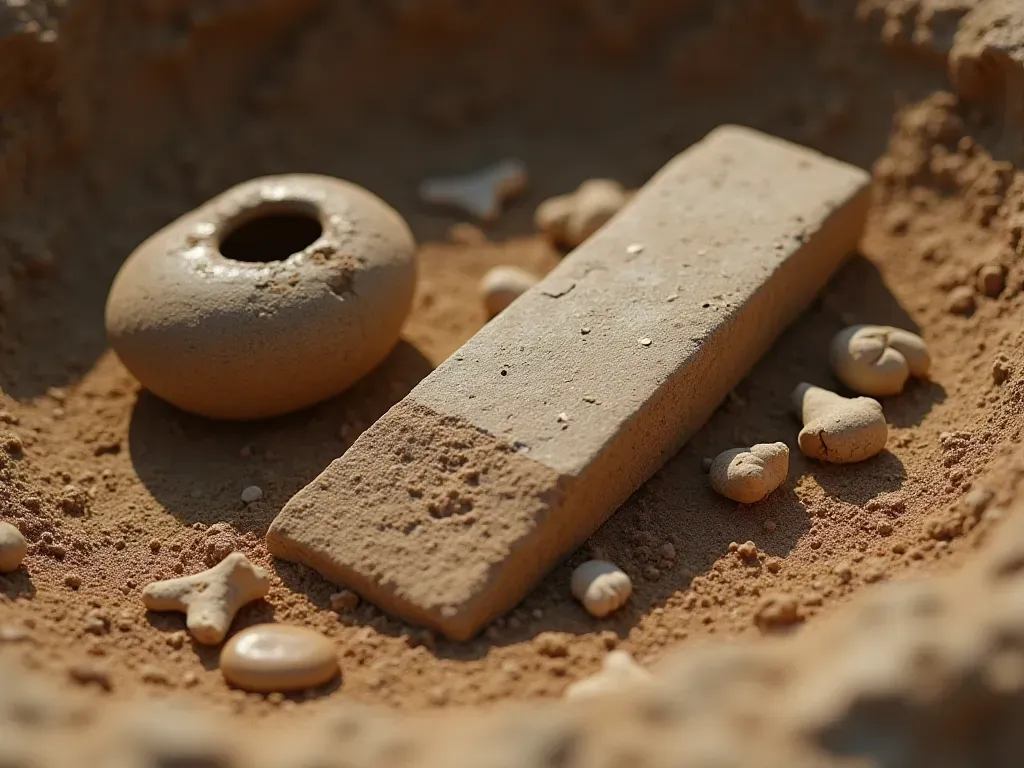
We found food remains. Grinding stones. Mortars and pestles. These are tools of survival, not worship. They suggest that the people who built these circles were also cooking dinner right outside their front doors.
Why The Temple Label Is A Modern Projection
The 'temple' idea gained traction in Germany. A magazine cover story linked the site to the Garden of Eden. That narrative was powerful because it offered a simple answer to complex questions. It fit the zeitgeist.
But projecting modern religious structures onto prehistoric societies is flawed. We assume that because we have temples with priests and economies, they must have had them too. That's circular reasoning.
The Burial Mystery And Social Renewal
Critics argue that the deliberate backfilling of these structures proves they were sacred. The logic goes: you do not bury holy things unless you are protecting them from profane eyes or honoring a taboo.
However, this practice is not unique to Göbeklitepe. At Çatalhöyük and Aşıklı Höyük, people filled in their dwellings too. This suggests a broader cultural habit of renewal rather than specific religious ritual.
Filling a structure might simply mark the end of its social life. It allows new generations to start fresh without inheriting the spatial order of their ancestors. It is about social memory, not necessarily divine mandate.
Cooperation Was The Real Engine Of Construction
How did they build these massive structures? The traditional answer is coercion. Either physical force or religious compulsion. But neither fits the evidence.
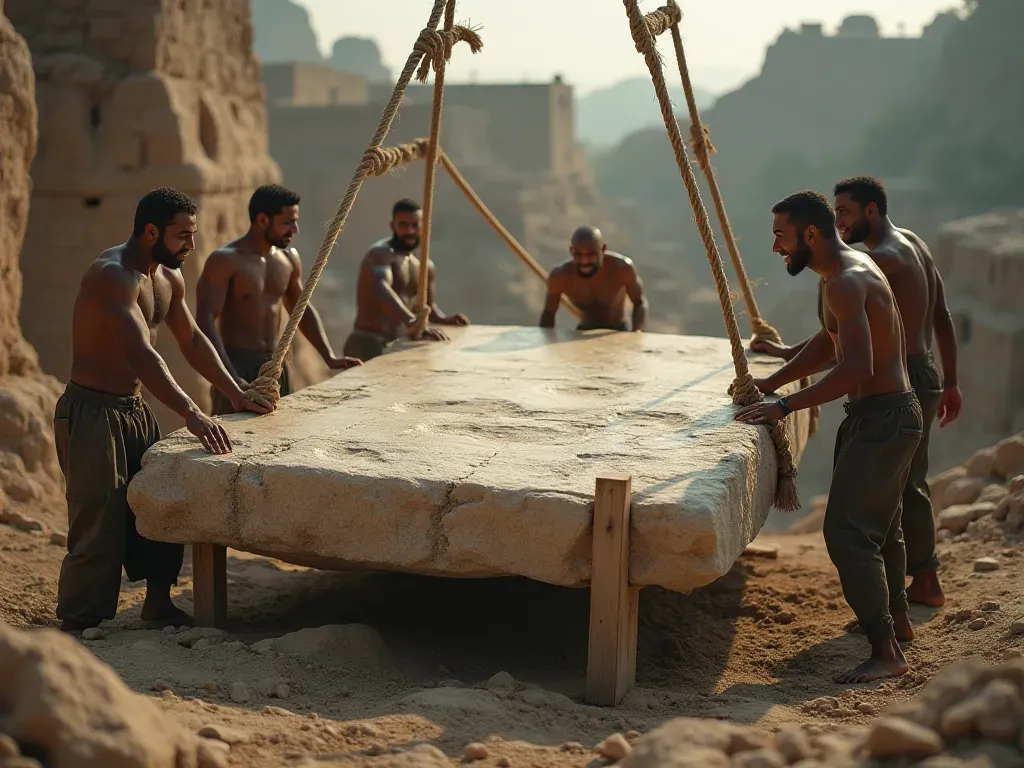
There was no army to conscript workers. There was no priestly class demanding tithes for temple construction. So what drove the labor? The answer is simpler and more profound: cooperation.
The Imece Tradition And Ancient Roots
In Turkey, there is a concept called 'imece'. It refers to communal labor where neighbors help each other. Harvesting fields, building houses, bringing water from distant sources.
This is not a modern invention. Paleolithic communities already relied on collective hunting and resource distribution. The large circular structures were likely expansions of these older cooperative capacities.
Desert kites in the region required massive coordination between settlements. These traps for gazelle could not be built or operated by a single village. They demanded supra-local cooperation.
The Danger Of Myth Over Material Reality
Why does the temple story persist? Because it is marketable. It connects to biblical narratives and modern spiritual seekers. It offers a clear cause-and-effect explanation for human history.
But this narrative obscures the reality. It turns a complex society of cooperative hunter-gatherers into a primitive cult led by priests. That's a distortion that serves modern egos more than historical truth.
What The Evidence Actually Says About Society
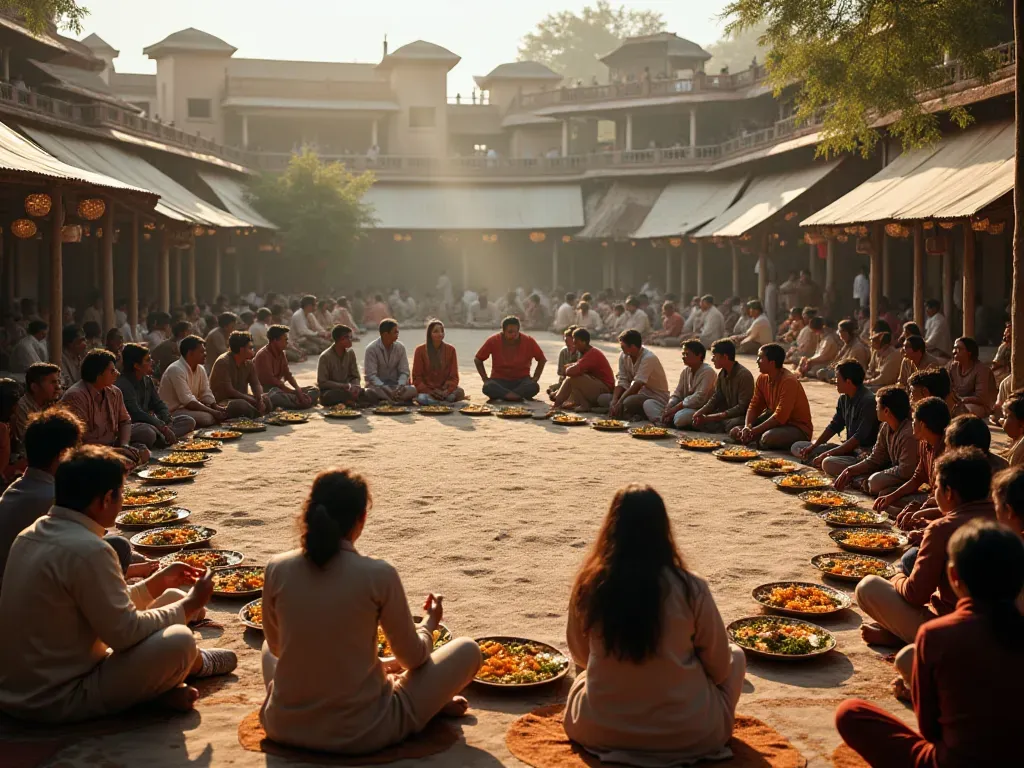
The people at Göbeklitepe were not worshiping a distant god. They were managing their community. The structures served as multifunctional hubs for assembly, exchange, and dispute resolution.
They were likely egalitarian. No clear evidence of permanent hierarchy or specialized religious authority has been found. The power lay in the collective ability to work together.
A Better Story For Human History
We do not need to invent gods or aliens to explain these structures. The evidence points to a society that mastered cooperation long before the invention of writing or states.
This is a more inspiring story, honestly. It shows that human beings have always been capable of large-scale collaboration without coercion or fear.
As we continue to excavate and analyze the data from Taş Tepeler, we must resist the urge to project our modern religious frameworks onto their lives.
What This Means For How We Understand The Past
The 'first temple' label is a misnomer. It implies a separation between the sacred and the secular that did not exist for these people.
Instead, we should see Göbeklitepe as a monument to social organization. It shows how early humans solved complex problems through shared effort and mutual support.
This perspective challenges us to rethink our assumptions about the origins of civilization. It was not born from fear or worship, but from the practical need to live together.
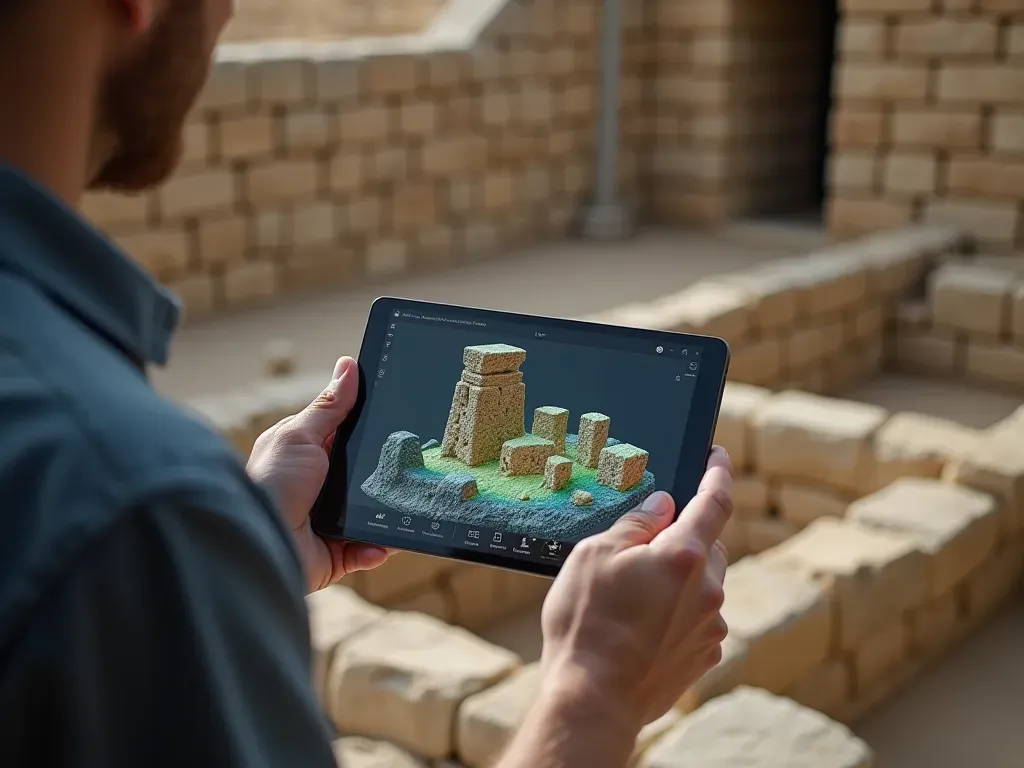
The Evidence Continues To Challenge Old Narratives
Every new survey brings us closer to the truth. The picture that emerges is not of mystics and priests, but of people working together to survive and thrive.
The T-shaped pillars are not just religious icons. They were structural supports for roofs that protected families from the rain.
The reliefs are not just depictions of deities. They may represent the animals that provided their food and the social bonds that held their community together.
Moving Beyond The Temple Myth
We must be careful with our words. Calling it a temple sets expectations that the evidence cannot meet.
It is a settlement. A complex, cooperative, and innovative settlement.
And that is a far more interesting story than any temple.