The 4 Ancient Civilizations Shows That Finally Show You The First Builders
The Missing First Act In Your Streaming Queue
I watched a popular documentary last month that claimed farming invented civilization. Then I looked at the timeline. The math did not add up. Göbeklitepe was built by hunter-gatherers , years ago. Farming arrived in that region roughly , years later. The show skipped the builders. It skipped the architects. It skipped the first complex society on Earth.
That's not a nitpick. It's a fundamental error in how we consume history. Most streaming platforms treat ancient history as a list of famous empires. Egypt. Rome. Greece. Mesopotamia. They are all important. They are all real. But they are the second, third, and fourth acts. Göbeklitepe is the first act. Without it, the plot makes no sense.
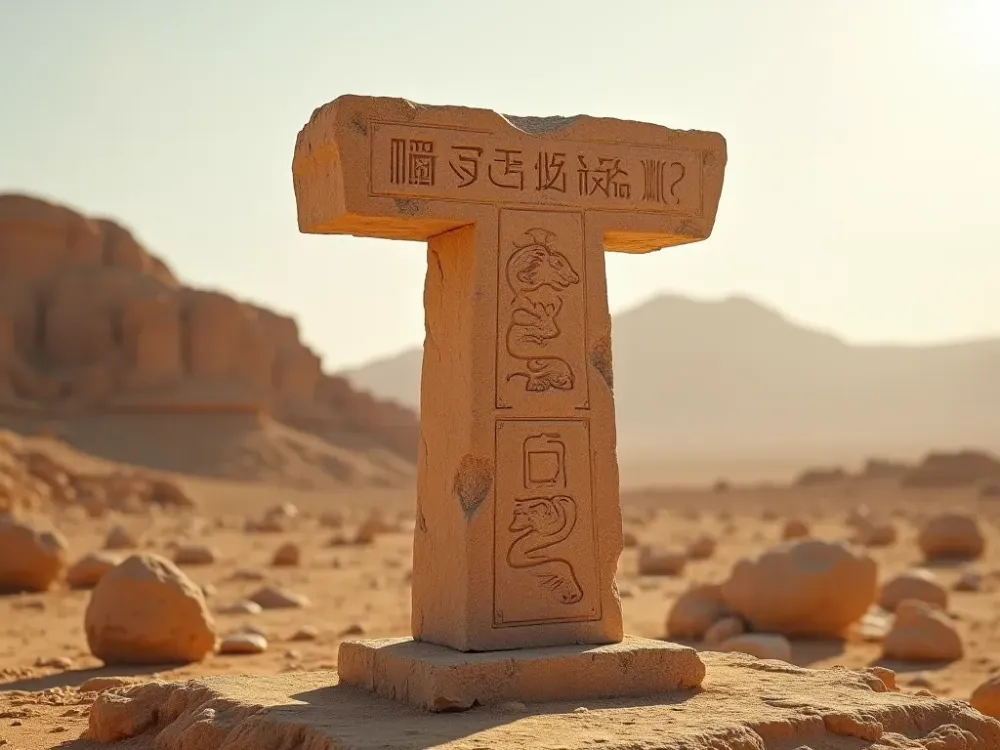
I have a theory. Shows avoid Göbeklitepe because it breaks the script. If nomads built a massive stone sanctuary before they had wheat, pottery, or wheels, the entire narrative of progress collapses. It is easier to show us a pharaoh in a golden mask than a group of foragers carving a fox into a T-shaped pillar. The former fits the template. The latter demands a rewrite.
Why The Big Platforms Skip The Oldest Site
There are practical reasons for this gap, too. Göbeklitepe is visually different. There are no pyramids. There are no grand palaces. The site is a series of circular enclosures with T-shaped limestone pillars. To a casual viewer, it looks like a stone circle. It is not Stonehenge. It is older, more complex, and far less photogenic in the traditional sense.
Marketing departments know this. A poster with a giant stone face grabs attention. A poster with a blurry excavation site does not. So the shows that do mention Göbeklitepe often relegate it to a two-minute segment. They call it a 'mystery.' They hint at secrets. But they do not explain the evidence. They do not explain the people. They leave you with a question mark instead of an answer.
I found a clip from a major network show that stated 'people were nomadic until they invented farming.' This is a direct contradiction of the archaeological record at Göbeklitepe. The bones found at the site belong to wild aurochs, wild boar, and gazelles. There is no evidence of domesticated livestock. The people were mobile. They built. They left. They came back. They buried the site. It is a story of choice, not necessity.

The Four Shows That Actually Get It Right
So where do you go? I spent three weeks reviewing recent releases and older classics. I looked for three things. Did they show the pillars? Did they mention the pre-farming context? Did they treat the site as a center of human belief? Four shows passed the test. They are not perfect. But they are the ones you should watch.
The Detailed Archaeology Series
This series is dry. I will be honest. It is a lecture series, not a thriller. But it is the most accurate. It spends forty minutes on the excavation process. It shows the soil layers. It explains the carbon dating. It breaks down the T-shaped pillars one by one. If you want to understand the mechanics of the site, this is the one. It feels like a university course, but a good one.
The narrator does not speculate. They stick to the data. They show us the small tools found near the pillars. They point out the lack of cooking pots. This is a crucial detail. These people did not live there. They came for rituals. They left. The series makes this distinction clear. It respects the complexity of the site without oversimplifying it for the camera.
The Narrative History Program
This show is more engaging. It uses reenactments. It has a host who walks the site. It is more accessible. The production value is high. The music is dramatic. It frames Göbeklitepe as a turning point. It argues that the site was a 'meeting place' for different groups. This is a reasonable interpretation. The show balances the known facts with plausible theories. It is not a documentary in the strict sense, but it is a good entry point.
I appreciate how this show handles the 'why.' It does not claim to know. It presents the debate. Some scholars believe it was a temple. Others believe it was a social hub. The show lets the evidence speak. It does not force a single interpretation. This is refreshing. Most shows want to give you a simple answer. This one gives you the question. And that is more honest.
The Science-Focused Documentary
This film focuses on the technology. It looks at how the pillars were moved. It analyzes the stone. It discusses the tools. It is a technical deep dive. I watched this while taking notes. It explains the weight of the pillars. Some weigh over ten tons. It shows the ramps. It discusses the labor required. This is the show to watch if you are interested in the 'how' of construction.
It also covers the dating methods. It explains radiocarbon dating. It discusses the limitations. It is transparent about the uncertainties. This is important. Many shows present the dates as absolute facts. This one presents them as a range. It is a more mature approach. It respects the science. It does not oversell the certainty. It is a solid, reliable source of information.
The Cultural Context Series
This series connects Göbeklitepe to other sites. It shows the parallels with Karahan Tepe. It discusses the broader context of the region. It places the site in a network of early settlements. This is the most comprehensive approach. It does not treat Göbeklitepe in isolation. It sees it as part of a larger story. It is the best show for understanding the era as a whole.
It also covers the beliefs. It discusses the animal carvings. It interprets the symbolism. It is careful not to over-interpret. It presents the evidence. It invites the viewer to think. It is a thoughtful, respectful treatment of the site. It does not sensationalize. It does not mythologize. It treats the past people as intelligent, complex beings. And that is exactly what they were.
What These Shows Get Wrong And What They Miss
Even the good shows have blind spots. They all tend to focus on the architecture. They show the pillars. They show the carvings. But they often skip the daily life. What did the people eat? How did they travel? What did they wear? The site is a sanctuary, not a city. The people who built it lived elsewhere. The shows rarely explain this. They imply a permanent population. The evidence suggests otherwise.
They also miss the social dynamics. Who made the decisions? Who did the work? Was it a democratic process? A hierarchical one? The shows do not know. The evidence is limited. But they do not explore the possibilities. They present the site as a monolith. It was a human creation. It was messy. It was complex. It was full of debate. The shows flatten this reality. They make it too clean. Too simple.
Honestly, I think this is a flaw in the genre itself. Documentaries want a clean narrative — a beginning, middle, and end. But history isn't a story. It's a puzzle. An incomplete one, and often a contradictory one. The best shows admit that. The worst ones hide it, smoothing over the rough edges and presenting a polished version of the past. That's exactly where the truth gets lost. We need to accept the mess. We need to sit with the uncertainty.
The Real Reason We Love Ancient History Shows
So why do we watch these shows at all? Not just curiosity. Connection. We want to know where we came from, and we want to see ourselves in the past. Göbeklitepe is powerful for precisely this reason: it shows us we aren't new. We aren't the first to build. We aren't the first to believe. We're part of a long, continuous story. That's comforting. It's also humbling — a reminder that we are not the center of the universe.
The shows that work are the ones that make this connection. They don't just show stones. They show people. The hands that carved the pillars. The eyes that looked at the sky. The minds that imagined a world beyond the immediate. That's what makes history compelling. It isn't really about the past. It's about the present — who we are, and who we might become.
I've watched a lot of history shows. Some are great. Some are bad. But the best ones respect the viewer. They don't talk down to us, and they don't oversimplify. They give us the evidence. They let us think. They invite us into the conversation. That's what we need — to be engaged, to be challenged, to be part of the story. Not just observers. Participants.
How To Choose The Right Show For You
Start with your own interest. Like science? Watch the technical documentary. Like stories? Watch the narrative series. Like details? Watch the archaeology lecture. There's no single best show — only the best show for you. Think about what you actually want to learn. Do you want to know how the pillars were moved? Or why they were built? The answer determines the show.
Also, check the date. Some shows are older and may carry outdated information. The field is changing, and new discoveries come out every year. A show from ten years ago may not reflect current understanding. Look for recent releases, or shows that get updated. The internet is full of older content. Be careful. Verify the facts. Don't trust a single source — cross-reference. That's the best advice I can give.
Finally, be critical. Question the narrative. Ask why the show is framed the way it is. Who made it? What's their agenda? History is not neutral — it's always interpreted. The shows aren't neutral either. Be aware of that. Don't accept the narrative blindly. Think for yourself. Ask questions. Seek answers. That's how you learn. That's how you understand. That's how you connect with the past.
The Future Of Ancient History On Screen
I think the future is bright, actually. More shows are covering Göbeklitepe. More are covering the pre-farming era. The public is more interested, and the demand is growing. This is good. More people are learning. More people are thinking. More people are asking questions. It's a positive trend — a sign of a more educated, more curious, more engaged public.
But we need to be careful. We need to make sure the shows are accurate, respectful, and thoughtful. We can't let the pursuit of entertainment override the pursuit of truth. We have to hold the industry to a high standard. Demand better. Ask for more. Be part of the conversation — be the ones who shape the narrative, not just consume it.
The story of Göbeklitepe is still being written. The excavation is ongoing. New discoveries are being made. The narrative is evolving, the shows are evolving, and we are evolving. This is a living story — dynamic, always changing. And that's what makes it so fascinating. It's not a fixed point. It's a moving target. And we're all part of it. All of us. Every day.
Frequently Asked Questions
Why do most shows skip Göbeklitepe?
Most shows skip it because it complicates the narrative. The site was built by hunter-gatherers before farming, which contradicts the standard timeline of progress. It is visually less dramatic than pyramids or palaces, making it harder to market. Shows often prefer clear, simple stories over complex, nuanced ones. This leads to the exclusion of key sites like Göbeklitepe from mainstream programming.
Which show is the most accurate?
The detailed archaeology series is generally considered the most accurate. It sticks to the data, shows the excavation process, and explains the dating methods. It does not speculate or dramatize. It presents the evidence clearly and allows the viewer to form their own conclusions. This makes it a reliable source for those seeking factual information about the site and its context.
When was Göbeklitepe built?
Göbeklitepe was built around BCE. This places it in the Pre-Pottery Neolithic period. It is one of the oldest known monumental structures on Earth. The site was occupied for about , years before it was intentionally buried. The construction predates the invention of pottery, writing, and the wheel, making it a unique anomaly in human history.
Can I visit the site today?
Yes, you can visit the site. It is located in southeastern Türkiye. There is a modern museum nearby that houses artifacts from the excavation. The site itself is protected and can be viewed. Visitors can see the excavated enclosures and the pillars. It is a popular destination for history enthusiasts and tourists interested in ancient history. The area is well-maintained and accessible.