The Roman trick that accidentally solved the biggest mistake in modern construction
The Cracks That Should Not Exist
Walk into the Pantheon in Rome. Look up. That concrete dome is nearly , years old. Earthquakes, wars, centuries of pollution — it has shrugged all of it off. Most modern bridges don't last a fraction of that time. They crack, crumble, and rust into expensive liabilities. We built a global economy on a material that is actively failing us.
I spent weeks digging through engineering reports and archaeological findings. The gap between what we know and what we build is staggering. We are pouring billions of dollars into infrastructure that is designed to decay. Meanwhile, the Romans poured a material that gets stronger as it ages. It is not magic. It is chemistry we forgot how to do.
The story starts with a simple observation. Roman harbors in the Mediterranean are still standing after two millennia. Modern concrete piers in the same waters collapse within decades. The difference is not in the sand or the water. It is in the ash. Specifically, the volcanic ash mixed into the mortar. That single ingredient changed the entire fate of the structure.
What MIT Found in the Roman Ash
Researchers at MIT and the University of Utah took samples from Roman harbor structures. They analyzed the microscopic structure of the mortar. What they found defies standard chemical expectations. The concrete was not just hard. It was chemically active. It continued to react with seawater for centuries after the initial pour.
The key is a mineral called aluminous tobermorite. This compound forms when volcanic ash mixes with lime and water. It creates a dense, interlocking crystal structure. Modern concrete lacks this specific crystal formation. It relies on Portland cement, which is stable but static. It does not grow. It does not adapt. It just sits there waiting for water to break it down.
Here is the part that changes everything. When a crack forms in Roman concrete, the seawater flows into the fissure. The water reacts with the unreacted lime and ash particles. New crystals grow. They fill the crack. The structure literally heals itself. Modern concrete cracks stay open. They let more water in. The cycle accelerates until the structure fails.
The Science of Self Healing
This is not a new idea, but the mechanism is specific. The Roman mortar had a high content of volcanic ash. This ash is rich in silica and alumina. When it hydrates, it forms a matrix that is porous but chemically reactive. Modern cement is much less porous but also much less reactive. It is a trade-off we have accepted for two centuries. We are now trying to reverse that trade-off.
In , MIT researchers reported commercializing this technology. They are not just studying it. They are building with it. The new formulations mimic the Roman recipe. They use specific types of volcanic ash and lime. The goal is to create a concrete that lasts years with minimal maintenance. That is a massive shift from the -year lifespan of current infrastructure.
Why We Lost This Knowledge
It feels paradoxical. We have satellites and smartphones, but we lost the recipe for durable concrete. The answer lies in the Industrial Revolution. We needed concrete that could be poured quickly. We needed it to be cheap. We needed it to be made from locally available materials. Volcanic ash was not always available. Portland cement was. We chose speed and cost over longevity.
The result is a world of disposable infrastructure. Bridges are replaced every few decades. Highways are repaved constantly. The cost is astronomical. In the United States alone, the National Highway Performance Network is in poor or fair condition. We are spending trillions to maintain structures that should not need maintenance. It is an economic failure driven by a chemical one.
I find it frustrating that this knowledge was sitting in plain sight. The Romans did not write down their recipes in a way we could easily read. But the structures were right there. The Pantheon. The harbor walls. The aqueducts. They were the proof of concept. We just ignored them. We decided that faster was better. We were wrong. Faster is only better if it lasts.
The Cost of Short Term Thinking
Consider the economic impact. A bridge that lasts years costs more upfront to build. It also costs more to maintain in the first decade. A bridge that lasts years is cheaper to build. It is also cheaper to maintain initially. Over years, the second bridge is four times more expensive. It is a simple math problem that we have been failing for a century.
The environmental cost is even higher. Concrete production accounts for about % of global carbon emissions. It is one of the largest sources of CO on the planet. If we build structures that last longer, we build fewer structures. That is a direct reduction in emissions. Durability is not just an engineering goal. It is an environmental imperative.
The Wider Pattern of Ancient Wisdom
This is not the only example of ancient knowledge beating modern practice. The Persians built qanats, underground tunnels that deliver water using gravity. They are still working today. They have no pumps. They have no electrical bills. They have no moving parts to fail. Modern water systems are complex, energy-intensive, and fragile. The Persians had a simpler, more robust solution.
The Indus Valley civilization had drainage systems that were cleaner and more effective than many modern cities. Their streets were laid out in a grid. Their waste was managed with a level of sophistication that was not matched for thousands of years. We talk about smart cities now. The Indus Valley had smart cities , years ago. We just forgot how to build them.
There is a pattern here. Ancient civilizations prioritized longevity. They built for the centuries ahead. They designed systems that worked with natural forces rather than against them. We do the opposite. We build for the next election cycle. We design systems that fight nature. The result is a world of constant repair. We are the ones who are backwards.
What This Means for the Future
The commercialization of Roman-inspired concrete is a game changer. It is not a minor improvement. It is a fundamental shift in how we think about building materials. If we can make concrete that heals itself, we can build structures that last for centuries. We can reduce the carbon footprint of construction. We can save trillions in maintenance costs. The technology is ready. The question is whether we will use it.
I am optimistic, but cautious. The transition will take time. Existing supply chains are built around Portland cement. Changing that is expensive and difficult. But the pressure is mounting. Climate change is making extreme weather more common. Our infrastructure is failing to cope. We need materials that can withstand the stress. Roman concrete can. Our current concrete cannot.
The choice is clear. We can keep building disposable structures and paying the price. Or we can learn from the Romans. We can build for the long term. We can use materials that work with nature. The knowledge is available. The technology is proven. All we have to do is choose to use it. The future is not about building faster. It is about building better.
The Lesson From Göbekli Tepe
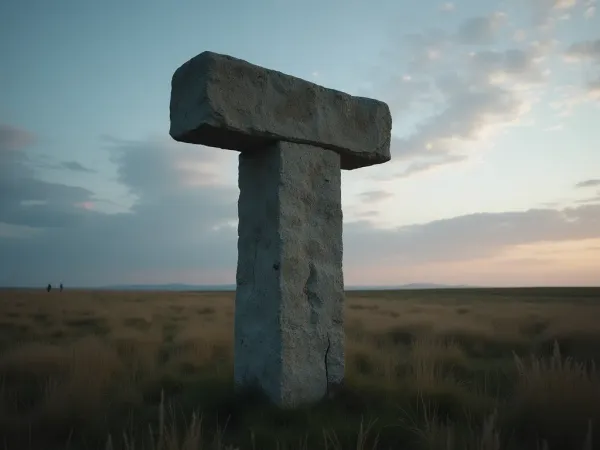
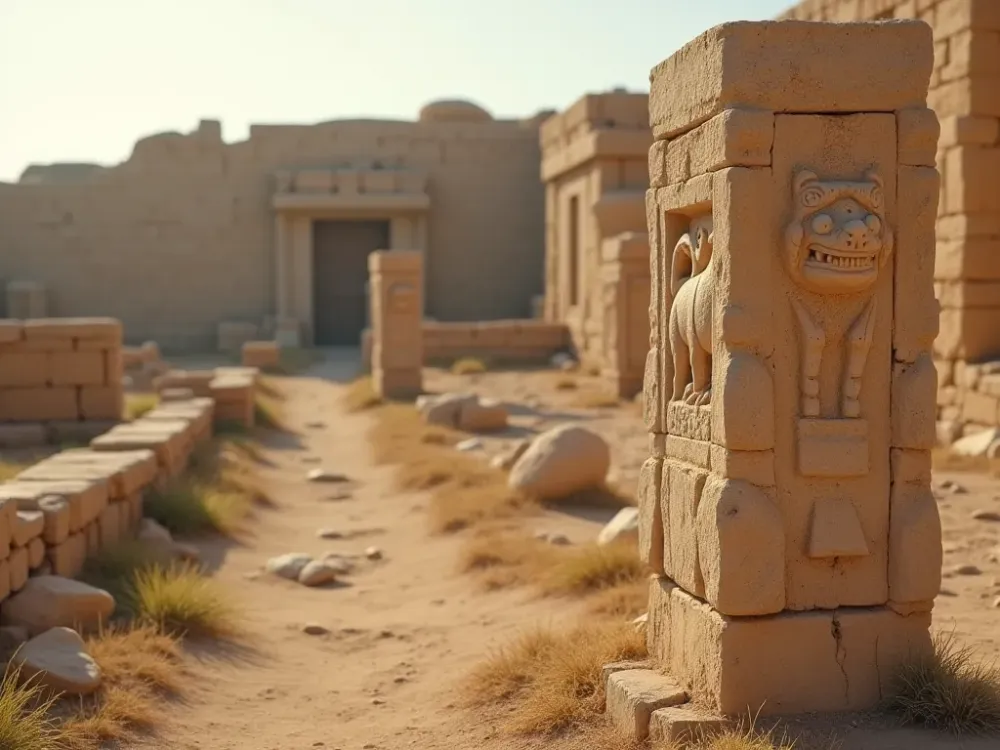
Now look at sites like Göbekli Tepe and the picture changes. Built ,Göbekli Tepe years ago — before agriculture, before anything we'd call civilization. Hunter-gatherers raised it. No metal tools. No wheels. No writing. And yet they moved and shaped massive stone pillars, and they built a complex social structure to support the work. The ambition was huge. The durability was absolute.
The builders of Göbekli Tepe didn't think in decades. They thought in generations. They raised a place for gathering, for ritual, for community, and it stood for centuries before being intentionally buried. Honestly, their standard for permanence was higher than ours. We have all the technology they lacked — we should be able to match it. The fact that we're struggling says something about our values, not our capabilities.
If you want to understand how early humans approached building, look at the 12,000-year-old workshop at Göbekli Tepe. It erased every assumption we had about early human life, showing that complex social structures and large-scale construction could exist before agriculture. It challenges the entire narrative of human progress. We are not just better than them. We are different. And in some ways, worse.
The Bottom Line
The secret to durable concrete isn't a mystery. It's a recipe: volcanic ash, lime, and water — a process that creates a self-healing material. We have the knowledge. We have the technology. What we lack is the will to use it. We're trapped in a cycle of short-term thinking that is destroying our infrastructure and our environment. The Romans knew better. We can learn from them. We just have to decide to.
Next time you walk across a bridge or drive on a highway, think about the concrete under your feet. It's likely to crack. Likely to crumble. Likely to be replaced within your lifetime. But it doesn't have to be. The Romans built structures that have stood for two millennia. We can do the same. The choice is ours. Let's make the right one.
The future of construction isn't about building faster. It's about building better. About learning from the past, using materials that last, respecting the work that came before us. We have the tools. We have the knowledge. We have the choice. Let's build a world that lasts.