The scattered bones at Göbeklitepe were likely just a natural slide
The Mystery of Scattered Bones
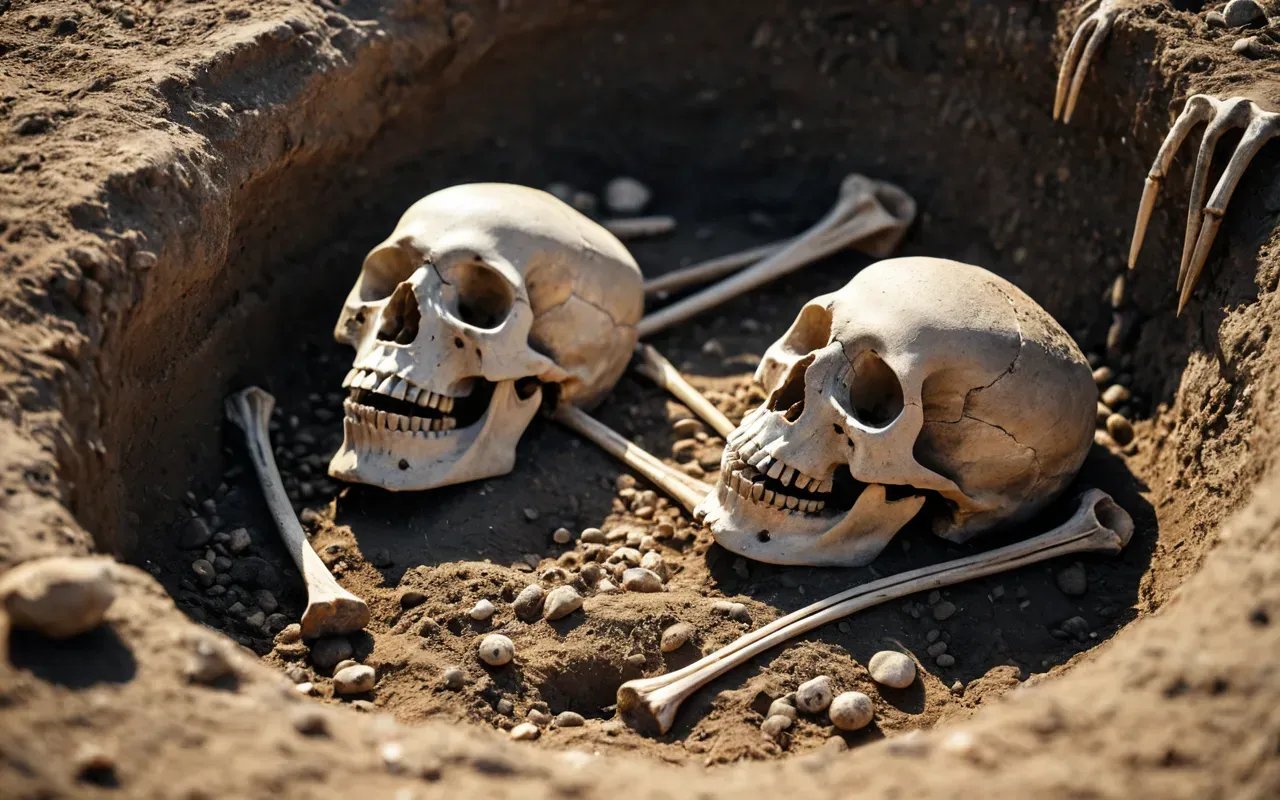
Archaeologists have spent thirty years puzzled by one detail at Göbeklitepe. They've catalogued fragments of human bone. Most sit mixed into the fill of the site's big pillared buildings. It looked deliberate. A skull cult, maybe?
A new study flips that story. Julia Gresky, a paleopathologist, argues these fragments aren't some strange treatment of the dead at all. She calls it a natural process. That's a massive shift in how we read the site.
The bones were probably carried downhill by the mound itself. Boring, compared to a mystical ritual? Sure. But it fits the evidence far better.
What The First Two Graves Reveal
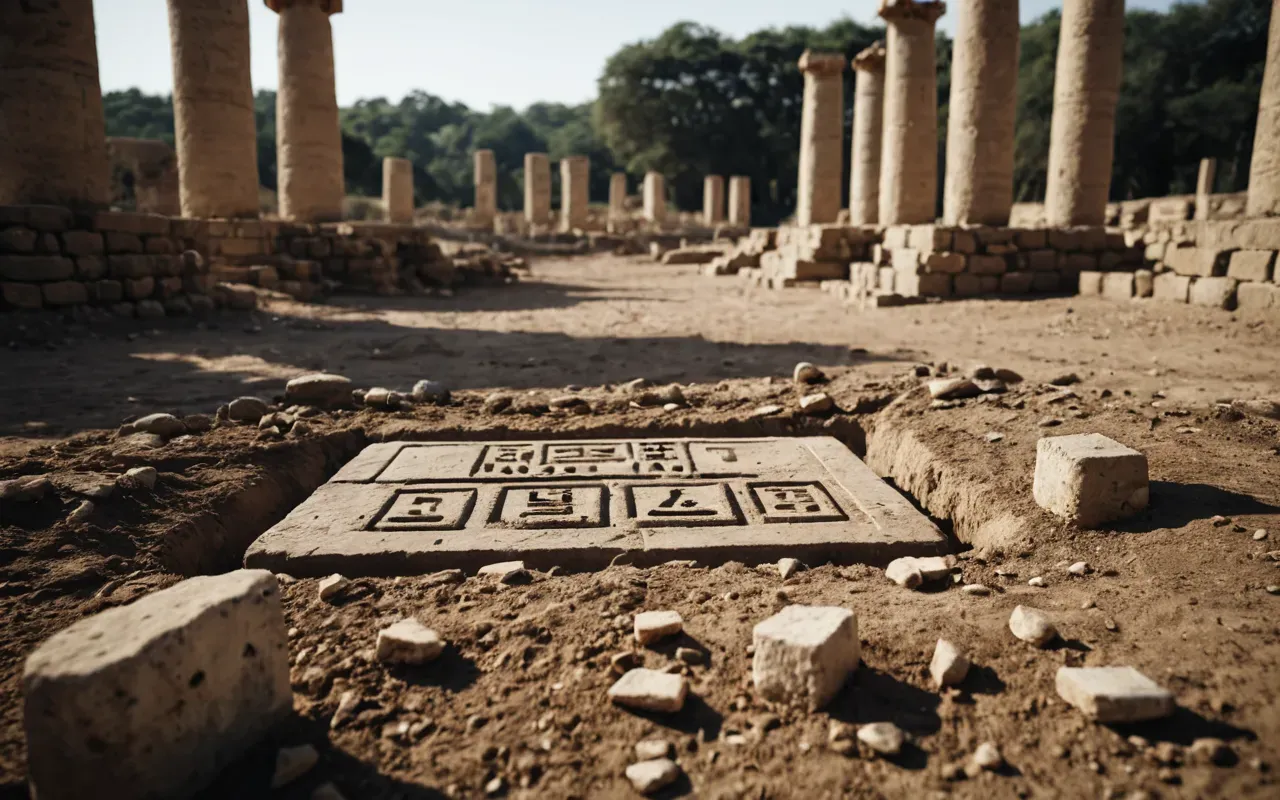
The key lies in the site's first two intact graves. One turned up in under a plaster floor, holding at least three people: a woman, a man, and a girl. Their skulls were gathered in one corner.
The other grave was excavated in . It held a young woman lying on a bed of stones. Her skeleton was largely undisturbed. Yet her bones were broken into pieces.
That primary burial shows the bone alterations happened inside the grave itself. Nobody shattered these bones on purpose. It was postmortem damage.
Why This Changes Our Understanding
Göbeklitepe was long painted as a ritual site — nomadic hunter-gatherers arriving once a year, then leaving. Recent evidence tells a different story: dwellings, domestic activities. A village, not just a temple.
The scattered bones likely came from graves under the floors of houses higher up the mound. As deposits slid down, they dragged broken bones into the buildings below. Plausible mechanism, honestly.
A deliberate ritual would concentrate bones in specific spots. These fragments, by contrast, are spread across , square meters. They turn up in every layer of the deposit. That points to natural processes.
The Skull Cult Is Not Ruled Out
The authors are careful not to close the case. Those incised skulls still need an explanation. Other sites in the region show striking skull rituals — a skull chamber at nearby Sefertepe holds at least skulls.
Across the Neolithic, there's a universal focus on skulls. But each site does it slightly differently. At Göbeklitepe, the scattered bones may be a mix of natural and ritual processes.
What This Means For The Broader Picture
This new picture fits the broader southwest Asian context better. It aligns with other studies showing genetics didn't define family in early farming villages. And it adds to the complexity of what we know.
The site is even more exciting now. It wasn't just a place where people gathered for special occasions. It was a home — where people lived, died, and were buried under their floors.
If you're interested in how ancient civilizations get misrepresented, you might enjoy reading about how ancient civilizations are often missed in popular media. Göbeklitepe is just one piece of a much larger puzzle.
The Future Of Research At Göbeklitepe
More bone analysis and absolute dating are needed. The team says several aspects will require further investigation. Ongoing process, not a final answer.
The full study was published in PLOS ONE. It offers a strong, plausible scenario. But it doesn't rule out additional mortuary practices happening at the same time.
Our understanding of the past is always evolving. What we thought was a mysterious ritual might just be natural forces at work. And that's a far more human story.