Three Tiny Stones Just Broke The Timeline Of Human Storytelling
The Box That Changed Everything
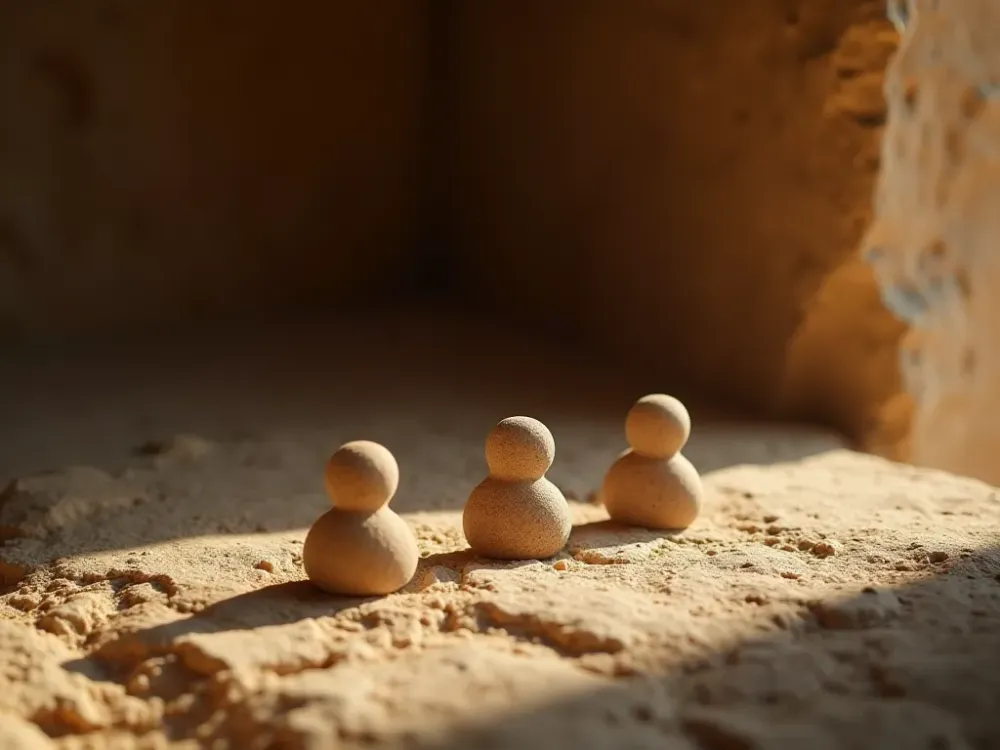
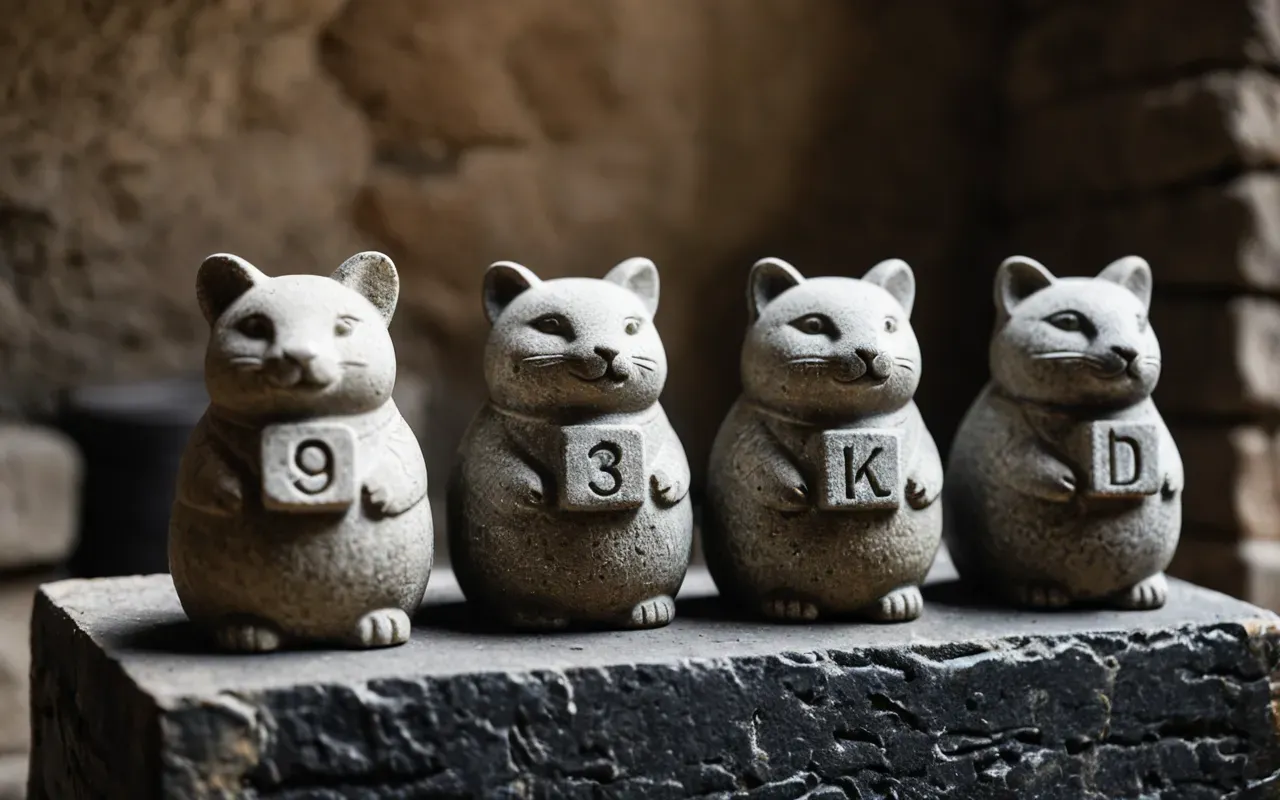
A matchbox, buried in the dirt. Inside: three tiny animals. A fox. A vulture. A boar. Each one just . inches tall. And this little cluster of carved stone just broke a timeline — it suggests humans were telling myths , years ago. We always assumed stories came after cities. Turns out stories came first.
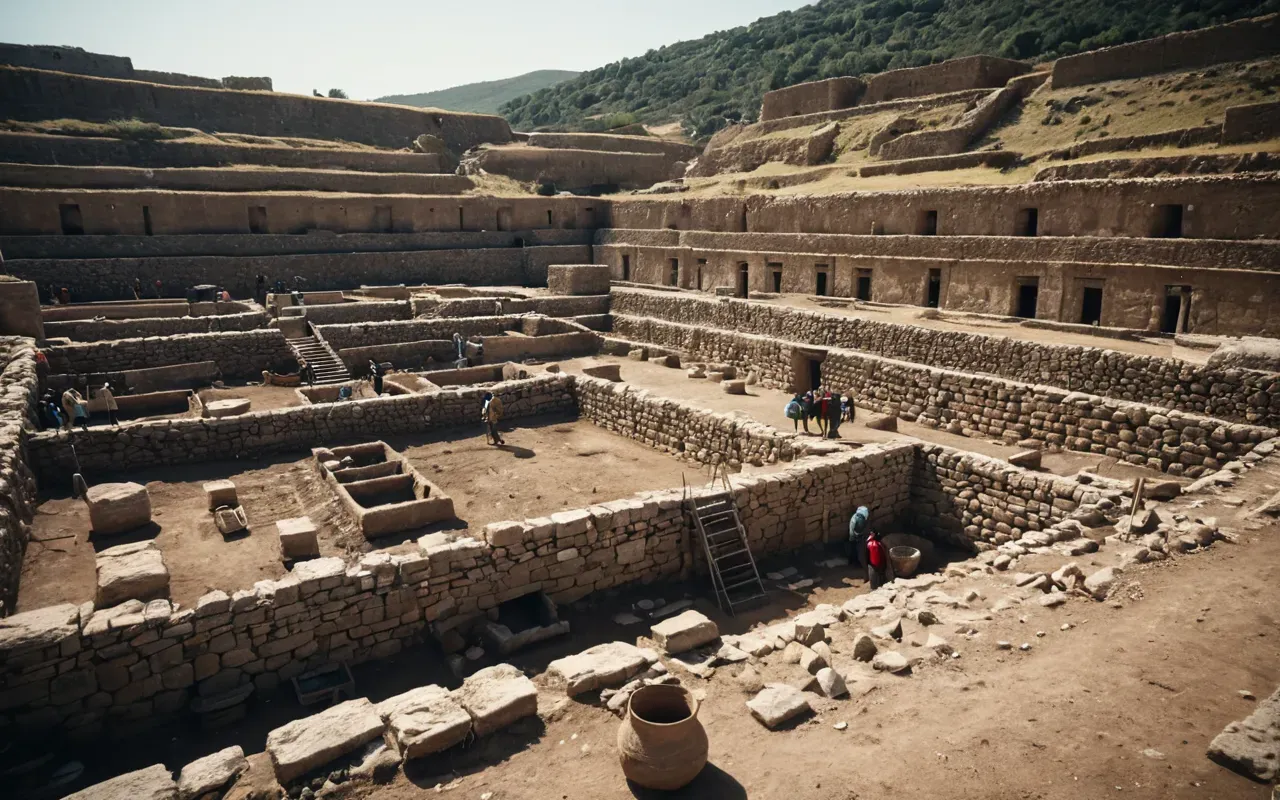
This isn't just a cool find. It's a massive shift in how we see early life. The objects came out of Karahantepe, a site in southeastern Turkey dating back to , BC. Nearby you've got Göbeklitepe — that's the famous one. But Karahantepe is telling a different story. A story about memory and belief.
Why Three Little Stones Matter So Much
Here's the thing. We usually treat prehistoric art as random. A carved hand here. A bison there. Decoration. A status symbol. But these three figures are different. They were placed together. Put in a box. The box had a lid. That's intentional. That's composition. That's a scene.
Necmi Karul leads the excavation team. He says this is the first known example of objects arranged to tell a story. Before this, we found pictures on walls. Those are static. One-dimensional. These figurines are three-dimensional. They can be moved. Held. Shared. That changes the social dynamic completely. It turns art into a tool for memory.
The Art of Sedentary Life
So why now? Why , years ago? Sedentism. Humans stopped moving. Stayed in one place. Built circular buildings. Carved pillars. And when you stop moving, you need new ways to bond. You need shared rules. Shared stories. These figurines were likely the social glue — they held the community together.
Think about it. If you're a nomad, your memory lives in your head. If you're a farmer, your memory lives in your community. You need to remember the rules. The myths. Who you are. These tiny stones are physical anchors for that memory. The first libraries. The first books. Just made of stone.
What We Missed For A Thousand Years
We have a bad habit. We think the past was simple. We think ancient people were basic — just surviving. But Karahantepe shows us they were creating. Thinking. Feeling. Making art that required skill. Building narratives that required imagination. That's not basic. That's advanced. And it happened before writing.
I was struck by how specific the arrangement was. The heads were placed into limestone rings. Not random. A design choice. It implies a hierarchy. A sequence. A plot. Who's the hero? Who's the villain? Who's the witness? We don't know yet. But the fact that we can even ask these questions is huge. It means the story was there. It just waited for us to find it.
The Broader Neolithic Context
Karahantepe is part of a bigger project called Tas Tepeler. That means Stone Hills. There are many sites in this region, all from the same era, all linked. This is not an isolated incident. This is a culture — a complex, interconnected culture that existed before we understood it. It challenges the idea that civilization started in one place and spread out. Maybe it was a network instead. A web of ideas.
If you're interested in how we usually get these timelines wrong, you should check out your ancient civilizations map is missing the oldest chapter. It's a great read. It shows how much we still have to learn. And how much we still get wrong. The more we dig, the more the map changes. The more the timeline bends. Exciting and frustrating at the same time.
The Implications For Modern Understanding
So what does this mean for us? It means we're not so special. It means our ancestors weren't just primitive. They were creative. Complex. They had beliefs. Art. Society. And they did it all without writing. Without metal tools. With stone and skill. That's impressive. That's humbling. It forces us to rethink what we think we know about human progress.
Karul wants UNESCO recognition for the site. He wants the world to see it, to understand the scale of it. The site is hectares, and we've only dug a tiny fraction. There is so much more there. So many more stories. So many more secrets. This is just the beginning. We're standing on the surface. The real treasure is deep below. And it's waiting to be found.
A New Definition Of Success
We usually measure success by buildings. By cities. By empires. But what if success is about connection? What if it's about sharing? About remembering? These tiny animals suggest that was the goal. To create a shared world. A shared memory. A shared identity. That's a different kind of success. And it's just as valid. Maybe more so. It's the foundation of everything we are today.
I think about the people who made these. They had hands. Eyes. Minds. They looked at a stone and saw a fox. Looked at a stone and saw a vulture. They carved it. Placed it. Told a story. A simple act. But a profound one. The act of creation. The act of meaning. And it happened , years ago, in a place we're only just beginning to understand.
The Future Of Prehistoric Research
What comes next? More digging. More finding. More understanding. We'll likely find more figurines. More boxes. More stories. More connections. More links. More networks. This is a field moving fast, and changing fast. The more we learn, the more we realize we don't know. That's a good thing. It means there's still room for discovery. Still room for surprise. Still room for wonder.
If you want to see more of this kind of thing, look at the 12,000-year-old workshop that erased every assumption we had about Göbeklitepe. It's a fascinating piece. It shows how one find can change everything. And how much we still have to learn. The past is not dead. It's not gone. It's right there. In the dirt. In the stone. In the story. And it's waiting for us to listen.
Why This Story Deserves Your Attention
Because it's true. Because it's real. Because it's right here. We're living through a moment when the history books are being rewritten — and I mean that literally. Our ancestors were smarter than we gave them credit for. More creative. More complex. And they pulled it off with nothing but stone and time. That's a powerful message, isn't it? A message about what we're capable of. What people have always been capable of.
So the next time you think about the past, think about those three tiny animals. Think about the hands that carved them. The minds that imagined them. The stories they told. They weren't just stones. Symbols. Memories. Myths. And the first of their kind. The start of a long, complicated, beautiful story — and we're only on page one.
The Last Word On Ancient Myths
We tend to look for grandeur. Palaces. Kings. But the truth is usually smaller than that. It hides in the details, in the tiny things, in the stories we tell ourselves and the ones we tell each other. These figurines are a reminder. We are storytellers — we have always been storytellers — and that's what makes us human. That's what makes us us.
The discovery at Karahantepe isn't just an archaeological find. It's a human one. It connects us to our past, to our ancestors, to a shared history. And it reminds us that we belong to a long, continuous thread — one that stretches back , years, one that's still being woven, still being told. A beautiful thing. A powerful thing. A real thing.