Ancient people saw a giant creature in the Milky Way and it explains their weird stone circles
The Sky Was Not Empty
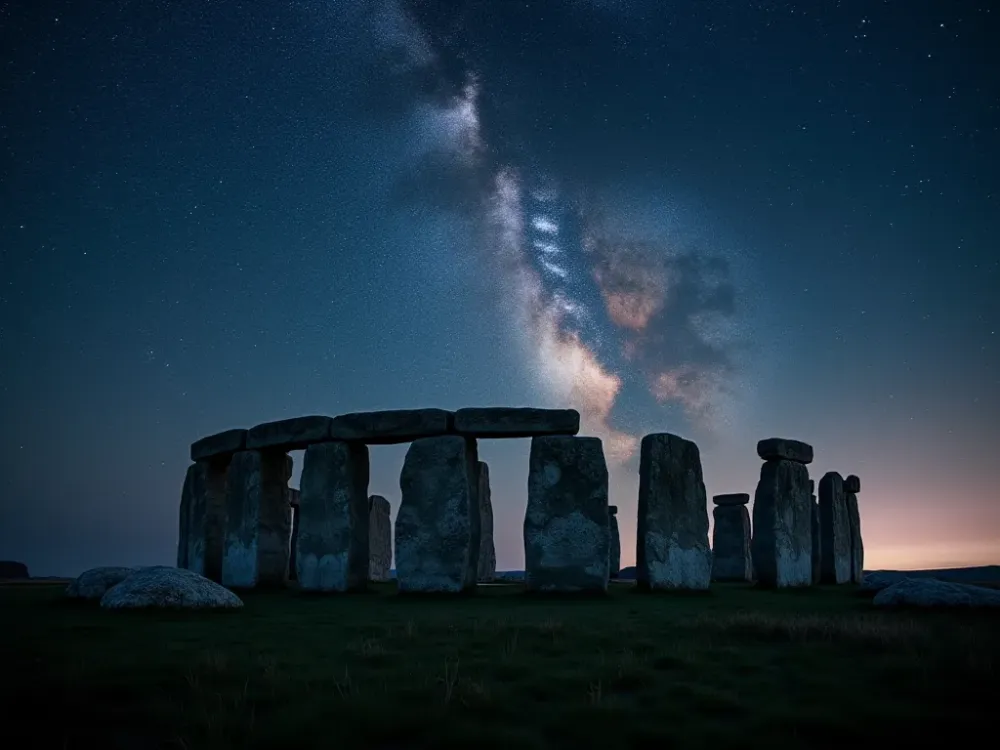
We're used to looking up and seeing data. Coordinates, magnitudes, spectral types. But our ancestors looked up and saw a story. A character. When they stared at that band of light we call the Milky Way, they didn't see a collection of stars. They saw one single, massive entity moving across the dark.
This is the angle nobody talks about in popular history shows. We focus on the stones. We measure the pillars. We debate the grain storage. But we ignore the roof. The sky was the most significant feature of their world. It was the only clock, the only map, and the only god that never slept. To understand why they built those structures, we have to understand what they thought was watching them back.
I've spent years reading the excavation reports. The data is dense. The carbon dates are precise. But the emotional core is often missing. Why build a T-shaped pillar? Why carve a vulture on one and a snake on another? It makes no sense for a farming community. Farming is practical. It's about soil and rain. But looking at the sky? That's about meaning. That's about where you fit in the universe.
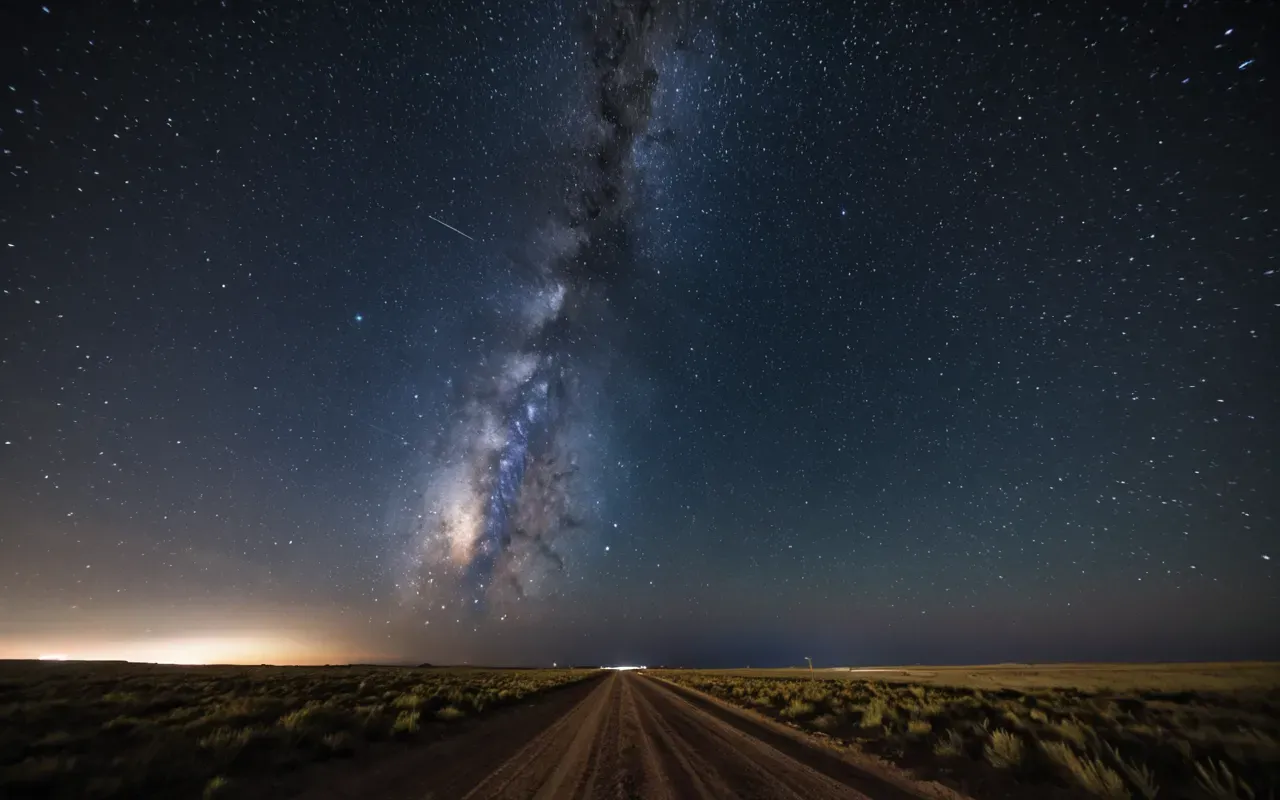
The Cosmic River That Never Dried Up
Look at the shape. From the ground, the Milky Way looks like a river. It flows. It has depth. It has a head and a tail. In many cultures, this is not a metaphor. It's a literal observation. The band of light is the water. The bright clusters are the fish or the rocks. The dark patches are the deep pools where the current is strong.
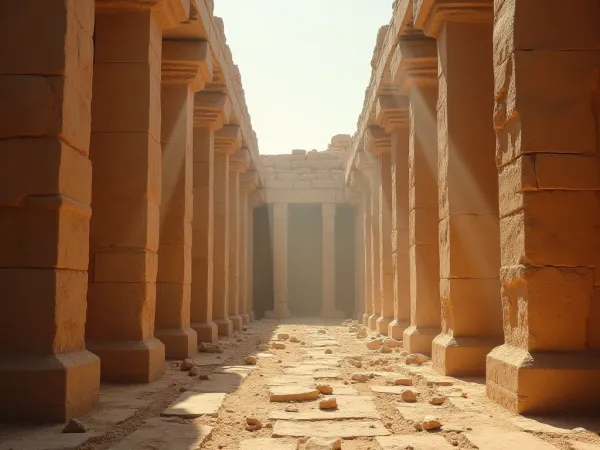
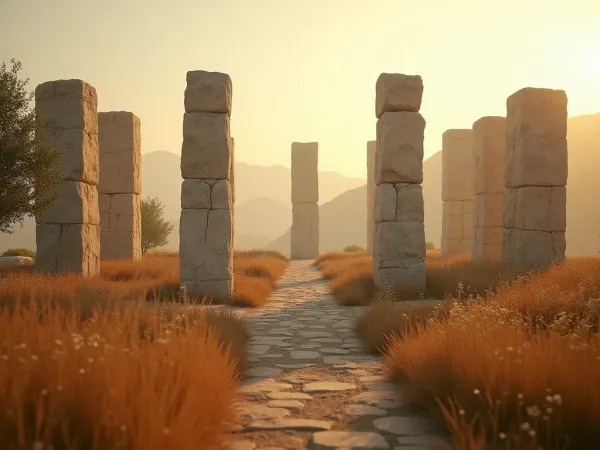
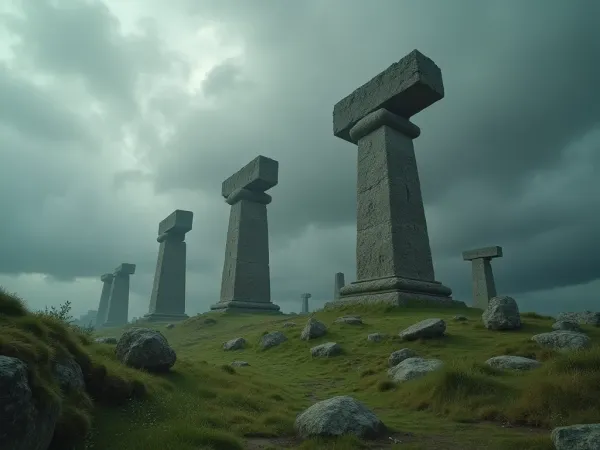
Now, think about the T-shaped pillars at Göbeklitepe. They're not just walls. They're not just columns. They look like people. They have arms. They have faces. Why would you build a circle of stone people? If the sky is a river, maybe the ground is a shore. The pillars are the shore. They're the boundary between the human world and the cosmic water. They're the dock where the boat of the sun docks every night.
This changes how we read the site. It's not a temple in the way we think of a temple. It's a harbor. The rituals weren't just prayers. They were maintenance. They were checking the water level. They were ensuring the river did not flood the shore. The T-pillars are the pilings that hold the structure together against the cosmic current.
Why The Alignment Matters
There's a specific point in the year when the Milky Way is highest in the sky at midnight. This is the summer solstice, or close to it. For a pre-farming society, this is the peak of the year. The nights are shortest. The days are longest. The cosmic river is at its most visible. The water is high. The risk of flood is greatest. This is when the rituals must happen. This is when the shore must be reinforced.
I find this compelling. It connects the architecture to the calendar. It explains the timing. It explains the intensity. The people weren't just watching the sky. They were waiting for the sky. They were preparing for the arrival of the cosmic entity. The T-pillars were not static. They were dynamic. They were part of a machine that processed the time of year into meaning.
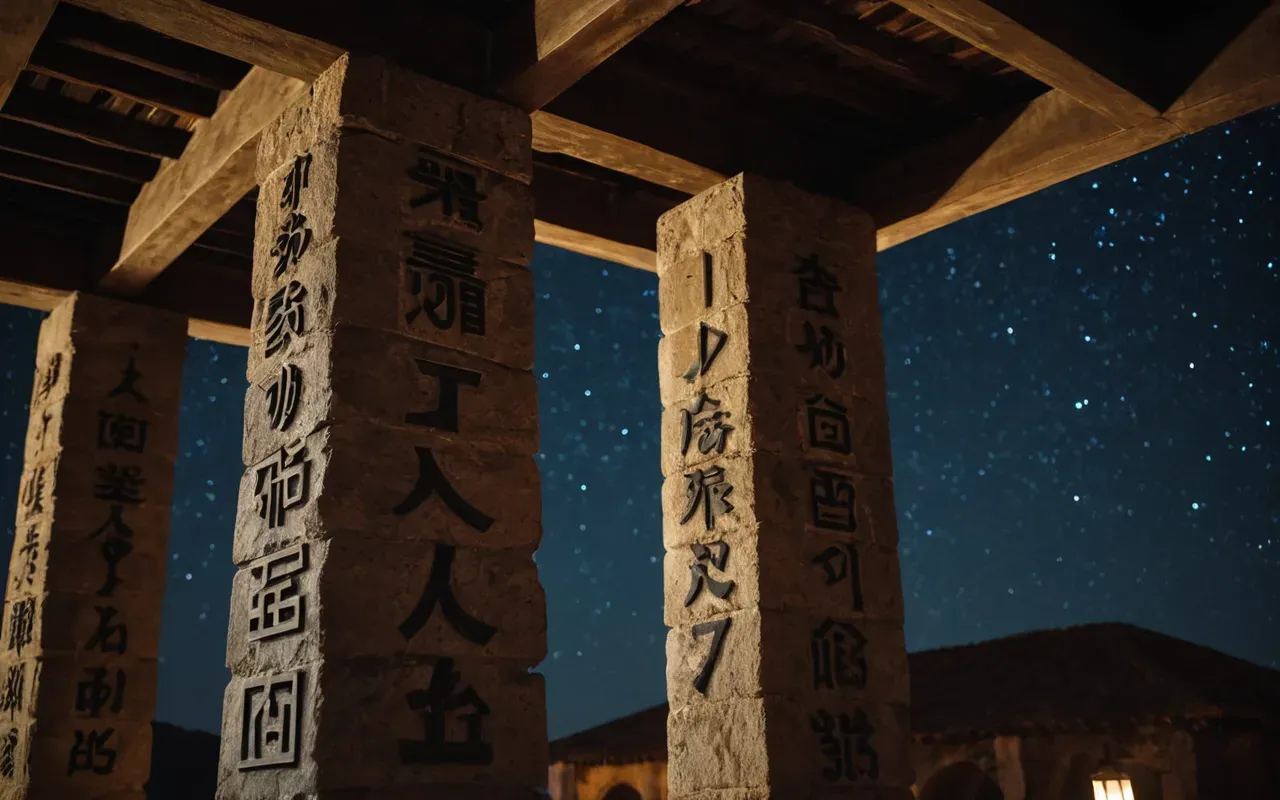
The Beasts In The Water
Now let's talk about the animals. The vulture. The snake. The fox. The scorpion. These aren't random. They're the creatures that live in the river. The vulture is the scavenger of the sky. The snake is the swimmer of the deep. The fox is the trickster on the shore. They're the cast of characters in the cosmic play. The people of Göbeklitepe weren't just worshipping gods. They were following a soap opera written in stars.
This is where it gets personal. These aren't abstract concepts. These are animals you can see in your garden. You know what a vulture looks like. You know how a snake moves. When you carve them in stone, you're making the sky real. You're bringing the cosmic story down to earth. You're saying, we are part of this. We are not separate from the river. We are the shore that the river flows over.
I've seen the carvings in person. The detail is incredible. The feathers on the vulture are distinct. The scales on the snake are clear. This is not a quick, rough job. This is a careful, deliberate act of storytelling. The people spent hours, maybe days, carving these images. They believed in them. They knew they were true. The sky did not lie. The stars did not move. The story was fixed. The only thing that changed was the season. The only thing that moved was the river.
The Human Face In The Stone
Here's the thing that gets me. The T-pillars have faces. They have eyes. They have noses. They look like us. But they're made of stone. They're huge. They're eternal. Why would you make a stone face that looks like a human? Maybe it's not a human. Maybe it's the river itself. The river has a face. The river has eyes. The river watches you. The river knows you. The stone face is the avatar of the cosmic river. It's the god that lives in the water.
This connects to the idea of the shore. The shore is where the human and the divine meet. The T-pillar is the bridge. It's the place where you can talk to the river. It's the place where you can offer gifts. It's the place where you can ask for rain. The face is not just decoration. It's a window. It's a door. It's the interface between the human world and the cosmic realm.
Why We Keep Getting It Wrong
We keep trying to fit Göbeklitepe into our modern boxes. We call it a temple. We call it a shrine. We call it a gathering place. But these words are too small. They don't capture the scale. They don't capture the meaning. A temple is a building. Göbeklitepe is a system. It's a way of understanding the universe. It's a technology for processing time and space. It's a machine for making sense of the stars.
I think this is why the site was buried. It wasn't an accident. It was a decision. The people knew that the story was changing. The river was moving. The stars were shifting. The old alignment was no longer valid. The old machine was broken. So they buried it. They put it back under the earth. They sealed the shore. They let the river flow on without the dock. It was a final act of respect. A final act of closure.
This is a dark thought. It implies the site was a failure — that the people realized their understanding was wrong. But I don't think that's right. I think it was a graduation. They had learned the lesson. They had mastered the story. They no longer needed the dock. They could swim in the river themselves. They had internalized the cosmic logic. They no longer needed the stone face to speak for them. They could speak for themselves.
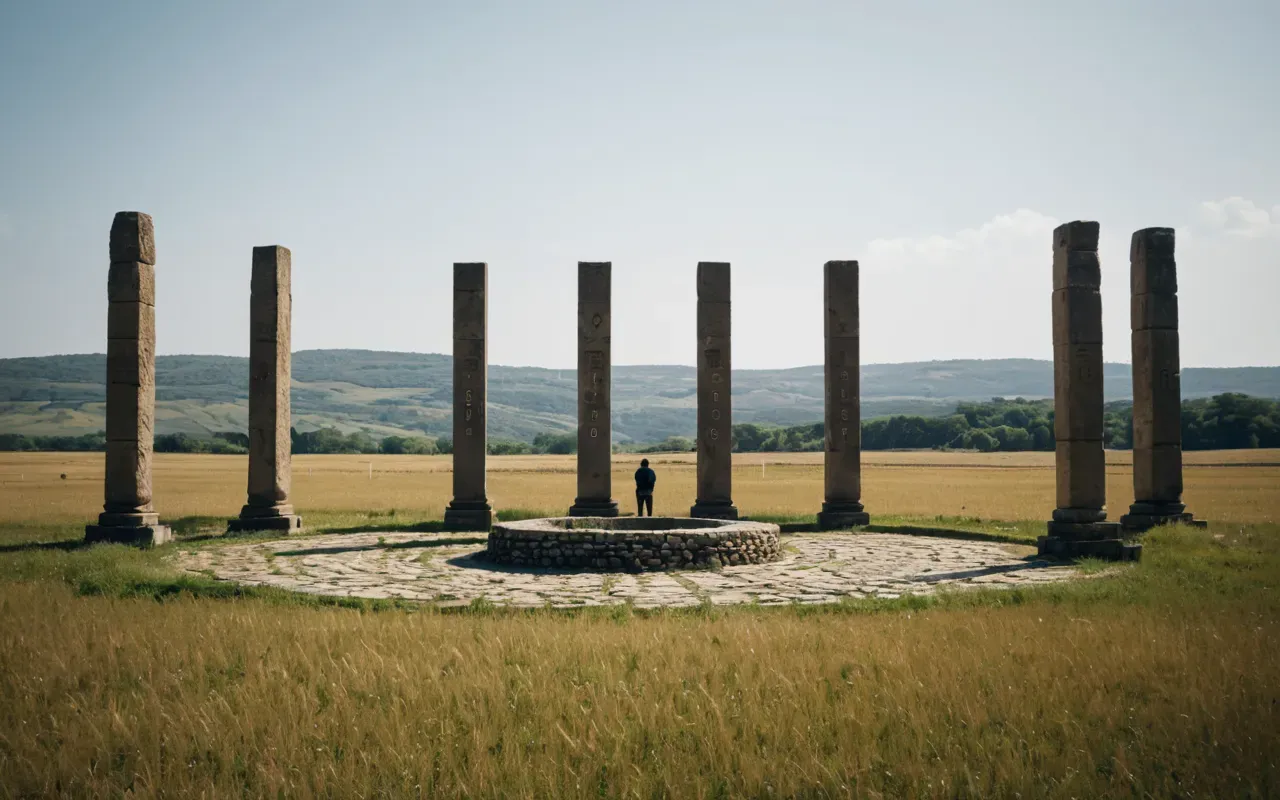
The Lesson For Us Today
So what does this mean for us? It means we are still looking at the sky. Still trying to make sense of the stars. We use telescopes and computers. They used their eyes and their minds. The tools changed. The question did not. The question is always the same. Where are we? Who are we? What is the story of the sky? The people of Göbeklitepe answered that question with stone. We answer it with code. But the drive is the same. The need is the same.
I think we should be more humble. We think we are so advanced. We think we have solved the universe. But we are just the latest iteration of the same species. We are the same creatures who carved a vulture in a stone pillar. We are the same creatures who looked up and saw a river. We are the same creatures who tried to build a dock for the cosmic boat. The only difference is that we have more power. And more power means more responsibility. We have to be careful. We have to be respectful. We have to listen to the river.
So, the next time you look up at the night sky, do not just see dots. See the river. See the flow. See the story. Remember that you are standing on the shore. Remember that the water is moving. Remember that the story is old. It is , years old. It is older than writing. It is older than farming. It is older than cities. It is the oldest story we have. And it is still being told. The stars are still shining. The river is still flowing. The shore is still waiting.
Connecting The Dots
If you want to see more of this kind of thinking, I recommend looking at the broader context. The way we understand the timeline of human civilization is shifting. We are finding more sites. We are discovering more connections. The story is getting richer. It is getting more complex. It is getting more beautiful. The sky is not just a backdrop. It is a participant. It is a character. It is a god. And we are just the audience. Or maybe we are the actors. Who knows? The story is still being written. The stars are still writing it. We just have to keep reading.
This is where the [underground city that proves we built before we farmed](https://gobeklitepelife.com/the-underground-city-that-proves-we-built-before-we-farmed) comes in. It shows that the building was not a result of farming. It was a cause. The sky drove the building. The building reflected the sky. The two were linked. They were a system. They were a machine. They were a story. And that story is still with us. It is in our bones. It is in our minds. It is in our eyes. We are still looking up. We are still seeing the river. We are still telling the story. And that is enough. That is more than enough. That is everything.