The ancient civilization that outlived Rome and still holds a secret we are afraid to name
The Shadow Cast by Two Empires
We keep staring at the same two faces. Rome and Egypt dominate every history book we have ever cracked open. In our collective imagination, they are the ancient world's giants.
But honestly, this is a massive blind spot. I have always found it odd that we crown these two as the sole inventors of complex society. It feels like we are missing half the picture—maybe more.
Dozens of other cultures built cities and wrote laws long before we gave them credit. They mapped stars and forged iron with a skill that still stuns modern engineers.
Why We Ignore the Rest of the World
European scholarship fueled this bias for centuries. Academics zeroed in on whatever directly influenced Western culture. Everything else got filed away as 'lesser' or 'primitive'.
That framing is outdated. Recent digs have upended so many assumptions that I sometimes wonder if we are only now glimpsing the true scale of human achievement.
Take the Indus Valley. It had grid-planned streets and sewage systems Europe did not match until the nineteenth century. How did we overlook that for so long?
The Americas Were Not Waiting for Europe
Mesoamerica developed writing and math entirely on its own. The Maya used a base-twenty system and tracked astronomical cycles that spanned millions of years.
This is the part that shakes me. They copied no one. Their ingenuity emerged from scratch, in a completely isolated environment.
Teotihuacan was larger than Rome at its peak. It housed over one hundred thousand people, yet left no written record of who built it or why.
We still cannot identify their language. That mystery forces a hard question: how much of human history is simply missing from our archives?
Africa Held the Iron Secret First
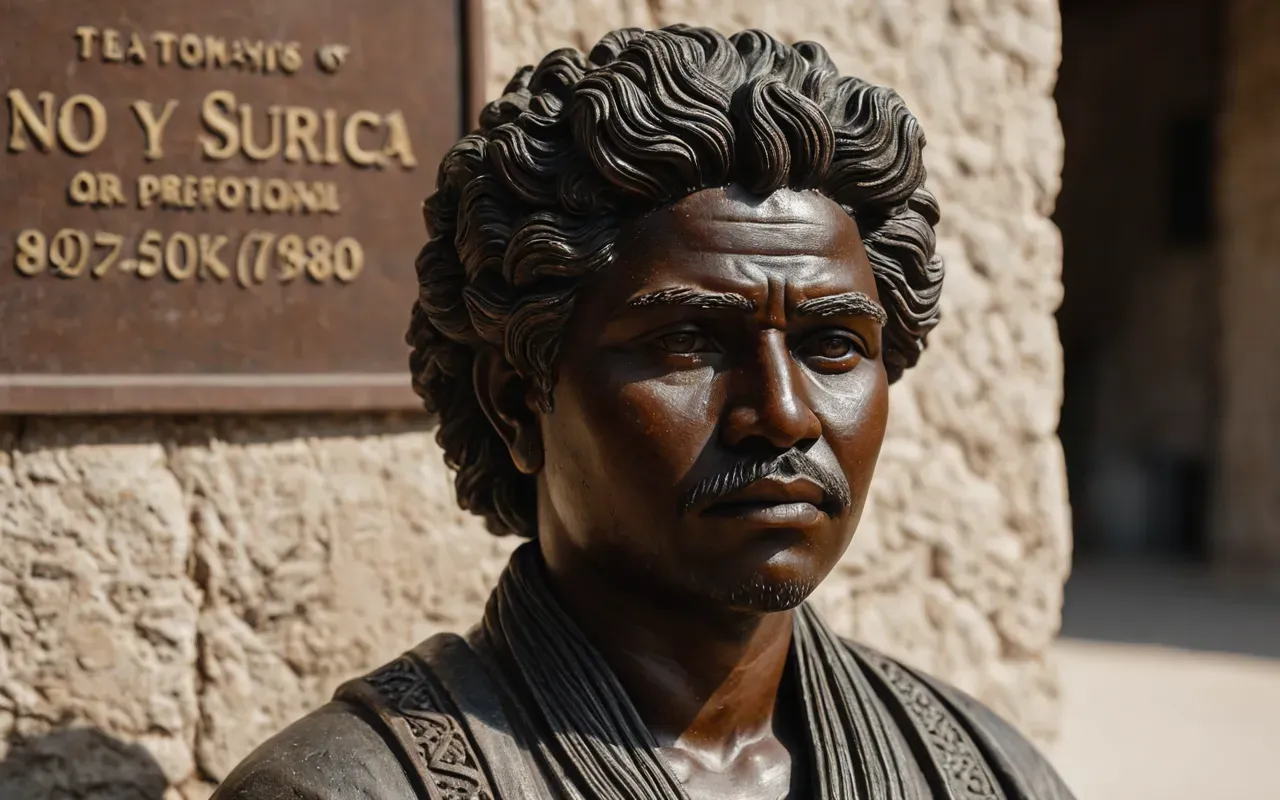
The Nok people in Nigeria mastered iron smelting before many Old World cultures. They forged tools and weapons that transformed agriculture and warfare.
And this was no minor local skill. It spread across the continent, reshaping how entire societies operated for centuries.
When I look at the terracotta sculptures from that era, I see a sophisticated artistic tradition that mainstream narratives flat-out ignored.
The Connection to Göbeklitepe's Mystery
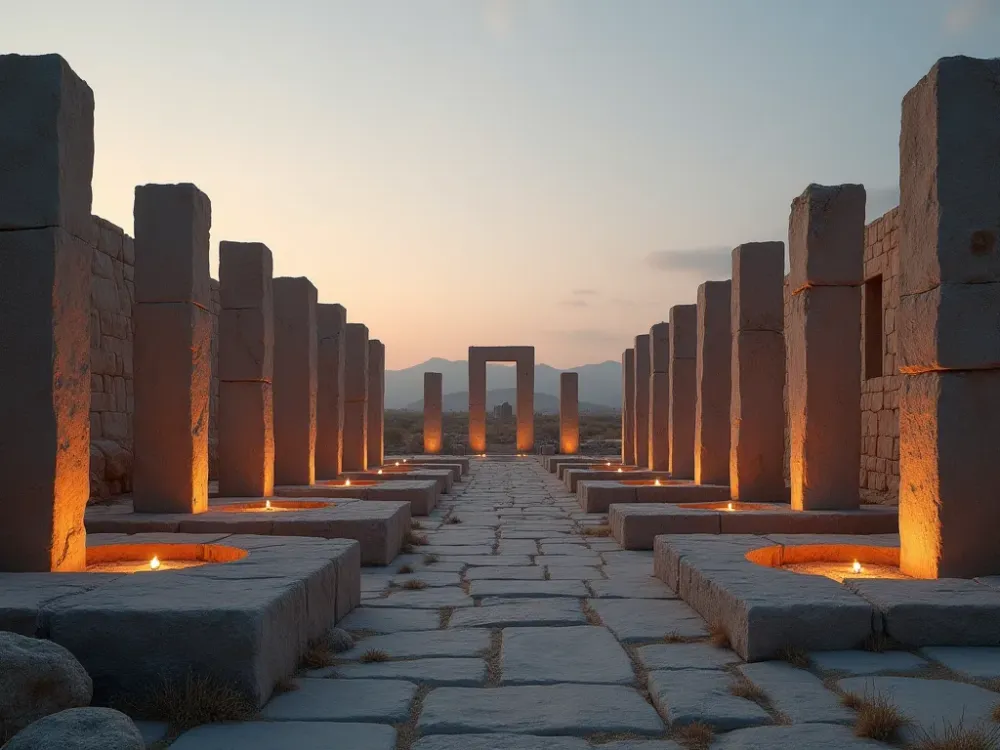
Which brings us back to the site that ignited this whole debate. Göbeklitepe is not just a temple. It is a puzzle about who we were before farming even existed.
If you have read evidence that Göbeklitepe was never a temple, you know the traditional story is shaky.
The T-shaped pillars point to a social gathering place. That implies complex society existed ten thousand years before the pyramids of Egypt rose.
It fits a broader pattern. Humans were building complex structures and social hierarchies long before we assumed they had the capacity.
Why This Changes Your View of History
We are not the apex of some linear progression. We are part of a parallel explosion of creativity that erupted on every continent.
Every culture wrestled with the same problems. How to feed people. How to organize groups. How to make sense of the stars overhead.
The solutions differed wildly. But the ambition was identical. That is a humbling realization for anyone who believes history has a single center.
The Evidence Is Still Emerging
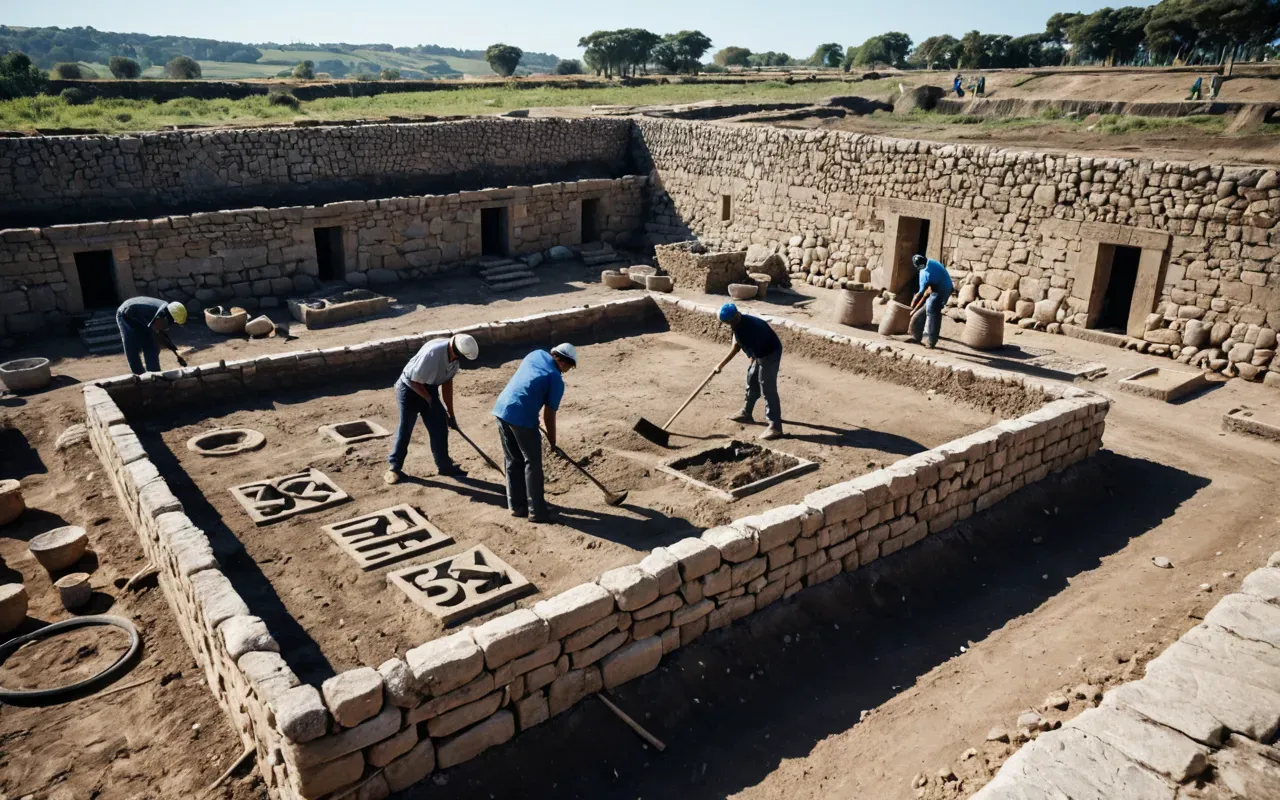
New digs in Peru and Nigeria keep rewriting the timeline. We are only beginning to grasp how sophisticated these societies truly were.
If you want another piece of this puzzle, check out the missing part of Göbeklitepe history that most articles skip.
This story is not just about the past. It is about how we choose to remember it. And right now, that choice is shifting under our feet.
What This Means for You Today
So the next time you hear about ancient history, ask who is being left out. The answer will likely surprise you.
We have twenty-five other civilizations that deserve room in our minds. They are not just footnotes. They are the main story.
The ancient world was loud and diverse. It was a roar of innovation we have tried to muffle with simplified textbooks.
I think it is time we let the noise back in. The truth is stranger and more impressive than any single empire could claim.
The Real Lesson Hidden in the Stones
We think of ourselves as unique inventors. But we are inheritors of a global tradition of problem-solving.
From the iron forges of Nok to the astronomy towers of Maya cities, humanity has always been capable of extraordinary things.
The next time someone asks you about the past, give them twenty-five more answers. The story is far richer than we have been taught.
And if you want to dig deeper into how we got the timeline wrong, read how human history is backwards and why it matters.