The ancient fact about your own body that proves we are not just farmers but something far older
The fact list is missing the one detail that actually matters to you
I watched a video last week titled “25 Incredible Facts About Ancient Civilizations.” It was slick. Fast cuts. Dramatic music. A narrator with perfect diction telling me that Rome fell, that Indians did plastic surgery, and that some empire built something huge.
I kept waiting for the part about me. Not as a tourist. As an animal with a jaw that doesn’t fit in its skull and a brain that is still running software from before wheat was domesticated.
The list treats the ancient world like a museum of achievements. But I think that framing is exactly what makes history feel dead to most people. The real story is not about what they built.
It’s about why your body still carries the scars of a world that existed before those achievements. And if you don’t understand that thread, every fact in that list is just trivia.
Why a viral fact list tells you everything about how we misunderstand the past
Look at what that video actually did. It took 25 facts and stitched them into a sequence of “wow” moments. Fall of Rome here. Plastic surgery there. A giant wall somewhere else.
That is a product. It’s optimized for retention, not understanding. The algorithm rewards the next fact before you’ve finished processing the last one.
And I get it. If you’re scrolling at midnight and need a hit of stimulation, that format works beautifully. But if you want to actually understand where you come from, it actively misleads.
The problem is that every fact in a list like this assumes you already know the framework. It assumes civilization starts with cities and ends with empires.
But that framework is a modern invention. It’s the story we tell ourselves because it makes us feel like progress is linear and inevitable.
The real fact is not about what they built but why your teeth still remember it
Here’s the thing nobody in that video mentioned. Your molars are not optimized for bread and cooked grain. They’re built for a diet that existed ten thousand years before agriculture.
When I think about the secret your teeth are holding, it hits me like a physical sensation. My jaw is a museum exhibit of pre-farming life.
We keep telling ourselves that farming made us human. That it settled us down, gave us surplus food, and let us build temples and write laws.
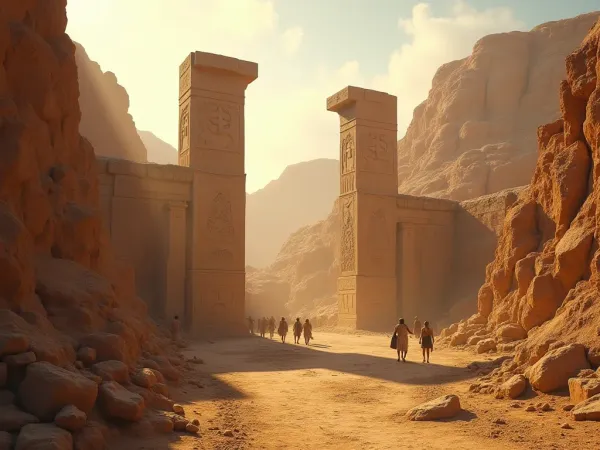
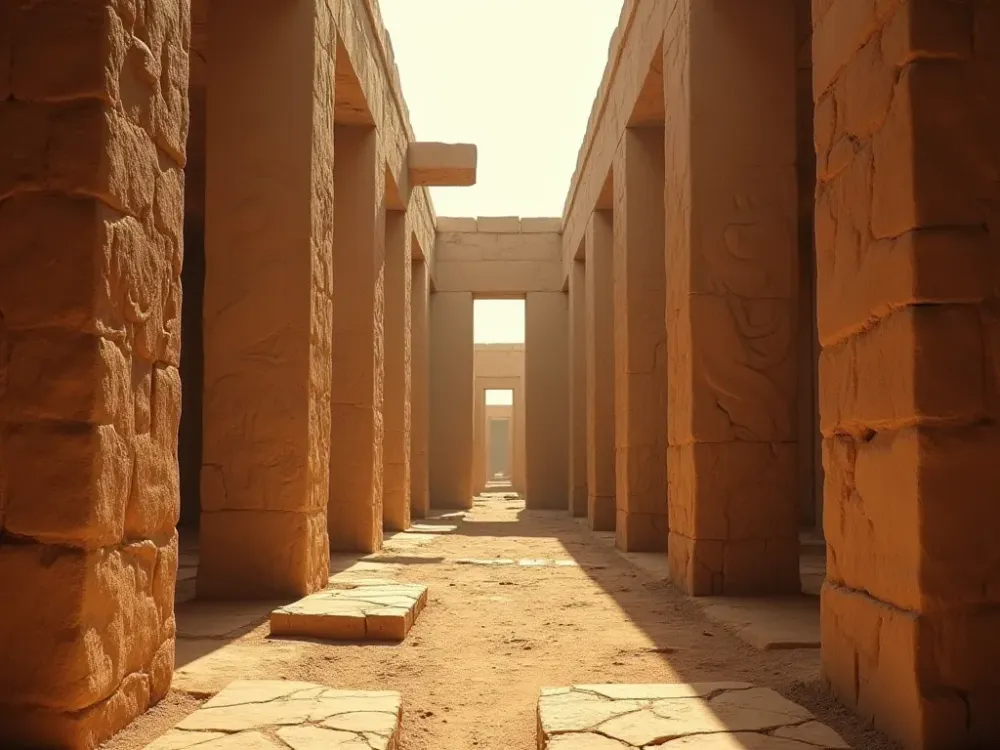
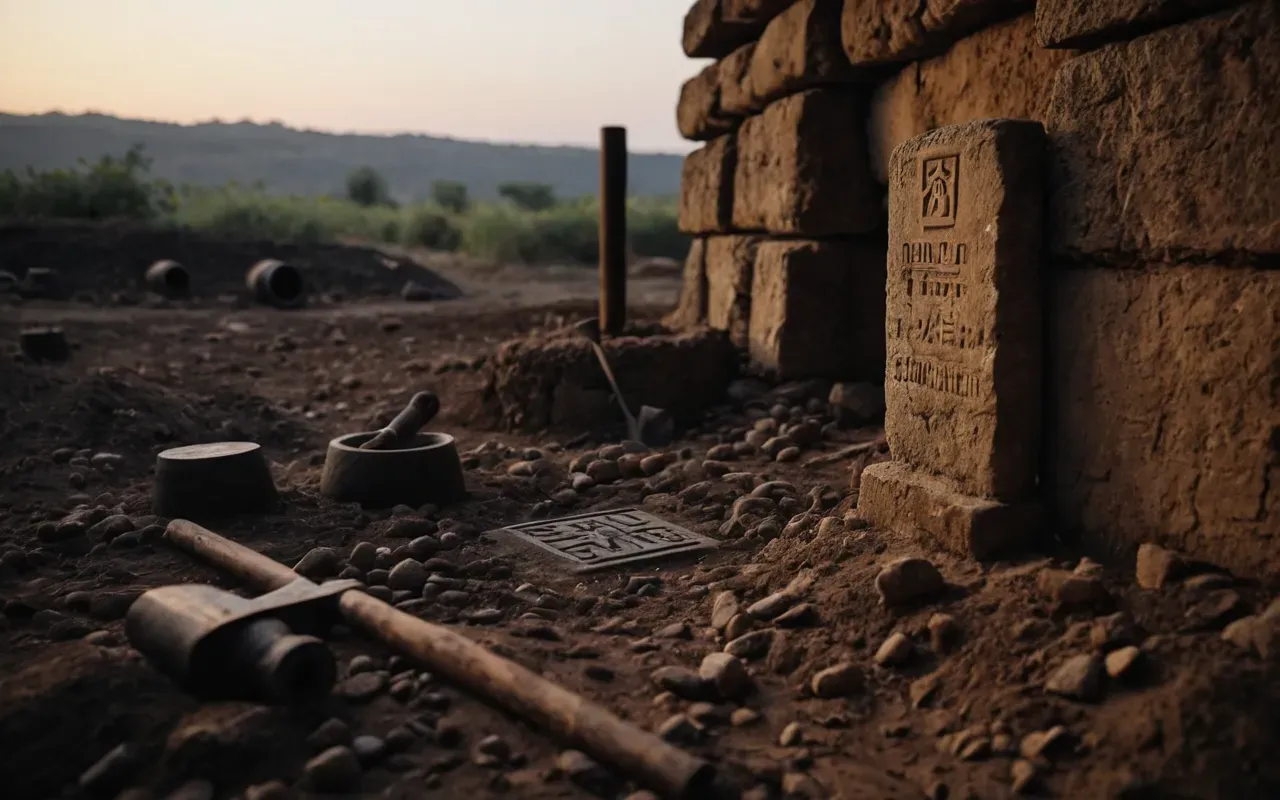
But the evidence from sites like Göbeklitepe suggests we had complex social structures and monumental architecture long before we were reliable farmers.
That inverts the entire narrative. It’s not that farming created civilization. Civilization created the conditions for farming.
And if you’re still reading this thinking “but I’m a modern person,” that’s exactly the point. You are not. Your body is an ancient organism running on outdated code.
Göbeklitepe is not a temple and that single fact breaks the whole story we tell ourselves
The word “temple” is doing a lot of heavy lifting in popular history. It implies prayer, ritual, and a clear separation between sacred and profane.
But when I look at the evidence that dismantles the temple label, it’s clear we’re projecting a modern religious framework onto something far more primal.
Göbeklitepe is better understood as a social hub. A place where groups came together not to worship in the way we understand it, but to reinforce their identity and status.
Think about that. The first monumental architecture wasn’t built for gods. It was built for people. For the human need to say “we are different and we matter.”
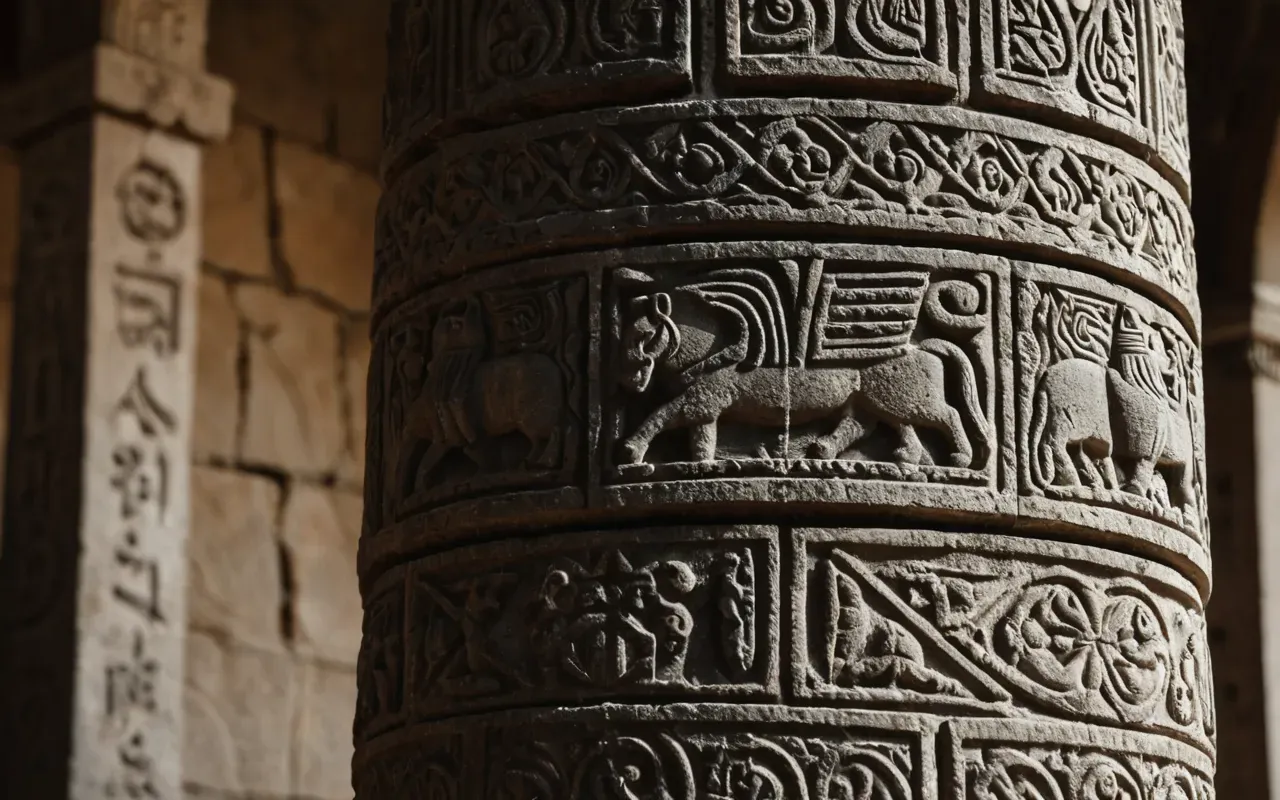
That is a far more unsettling fact than any list of ancient achievements. It means the impulse to build something permanent and impressive predates organized religion by millennia.
The implication nobody is talking about is that you are a leftover from a world before writing
We treat literacy and numeracy as the foundation of human intelligence. But for most of our species’ history, those skills didn’t exist.
Instead, we had something else. A deeply embodied knowledge of seasons, animal behavior, and spatial relationships that was passed down through oral tradition and physical practice.
When I read about the reason we got human history completely backwards, it made me question how much of my own expertise is just a modern overlay on ancient instincts.
My ability to navigate a city, read social cues, and anticipate the behavior of others—these are not skills I learned in school. They’re inherited.
And that’s the uncomfortable truth behind every fact about ancient civilizations. We are not their descendants in a clean, linear sense.
We are the living residue of that world. The part of us that still feels uneasy in open fields and craves the shelter of walls.
Why this changes more than you think about how you experience your own body every day
Think about the last time you had a toothache. Or a jaw that clicked when you yawned. Or a sudden, irrational fear of open water.
Those are not random glitches. They’re the body keeping score of a ten-thousand-year transition from hunter-gatherer to farmer.
Our digestive systems adapted slowly. Our jaws never fully caught up with the softer foods we now consume.
And our brains? They’re still wired for small-group social dynamics. We feel anxiety in large crowds because that’s what the wild did to us.
So when a video tells you about 25 incredible facts of ancient civilizations, it’s really telling you about the operating system that is still running in your skull.
The story we tell ourselves about progress is a modern marketing lie that keeps us disconnected from our origins
I’ve been reading new evidence that proves the temple story is a modern invention, and it’s not just about archaeology.
It’s about how we package the past to make it palatable. We turn complex human behavior into neat categories: sacred, secular, primitive, advanced.
But the reality was messier. More layered. And far more recognizably human than any fact list can capture.
We built Göbeklitepe not because we were more spiritual or more advanced than the people before us.
We built it because we were already human in every way that matters. We just hadn’t invented the vocabulary for it yet.
What you should do next is stop treating history as a list of facts and start seeing it as your own biography
The next time you see a video like “25 Incredible Facts About Ancient Civilizations,” pause it. Don’t scroll past.
Ask yourself: which of these facts is actually about me? Not as a consumer of knowledge. As an animal with a body that remembers.
That’s the question no fact list can answer for you. And it’s the one that will change how you see every stone, every pillar, and every claim about where we came from.
Because the truth is not out there in the past. It’s in your teeth, your jaw, and the part of you that still wants to build something that will last.