A 1900 year old marble giant was just rebuilt in a Turkish ruin
The Stone Giant That Refused To Stay Broken
Imagine standing in a dusty excavation trench. Suddenly, the ground shifts. Not from an earthquake, but from human hands moving heavy marble blocks. That is exactly what happened at Kibyra.
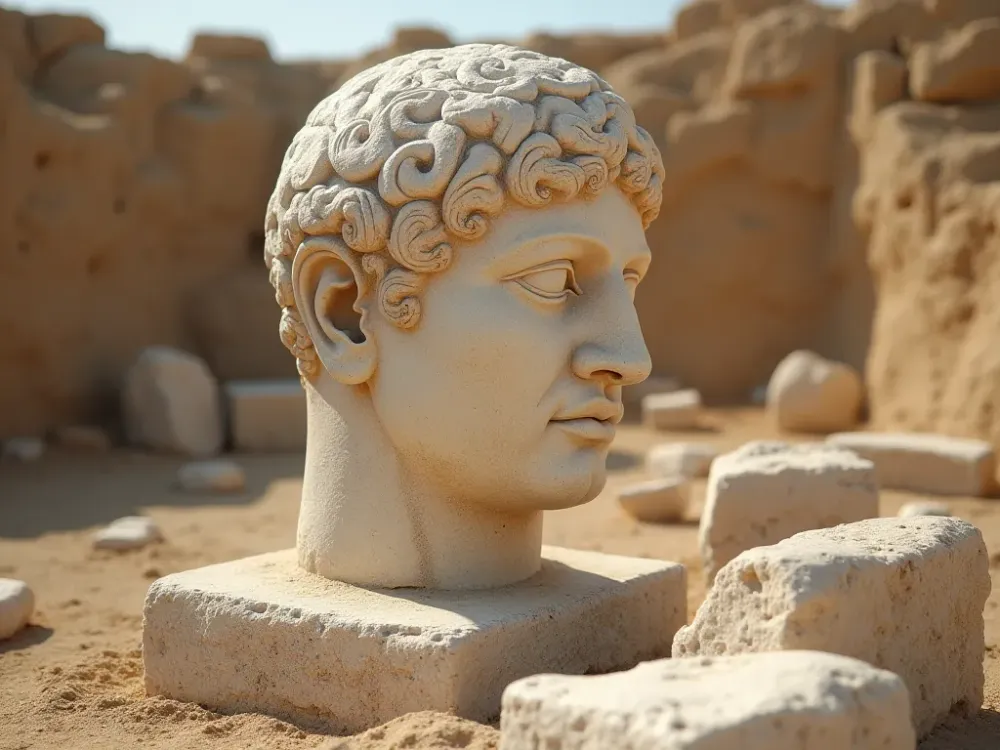
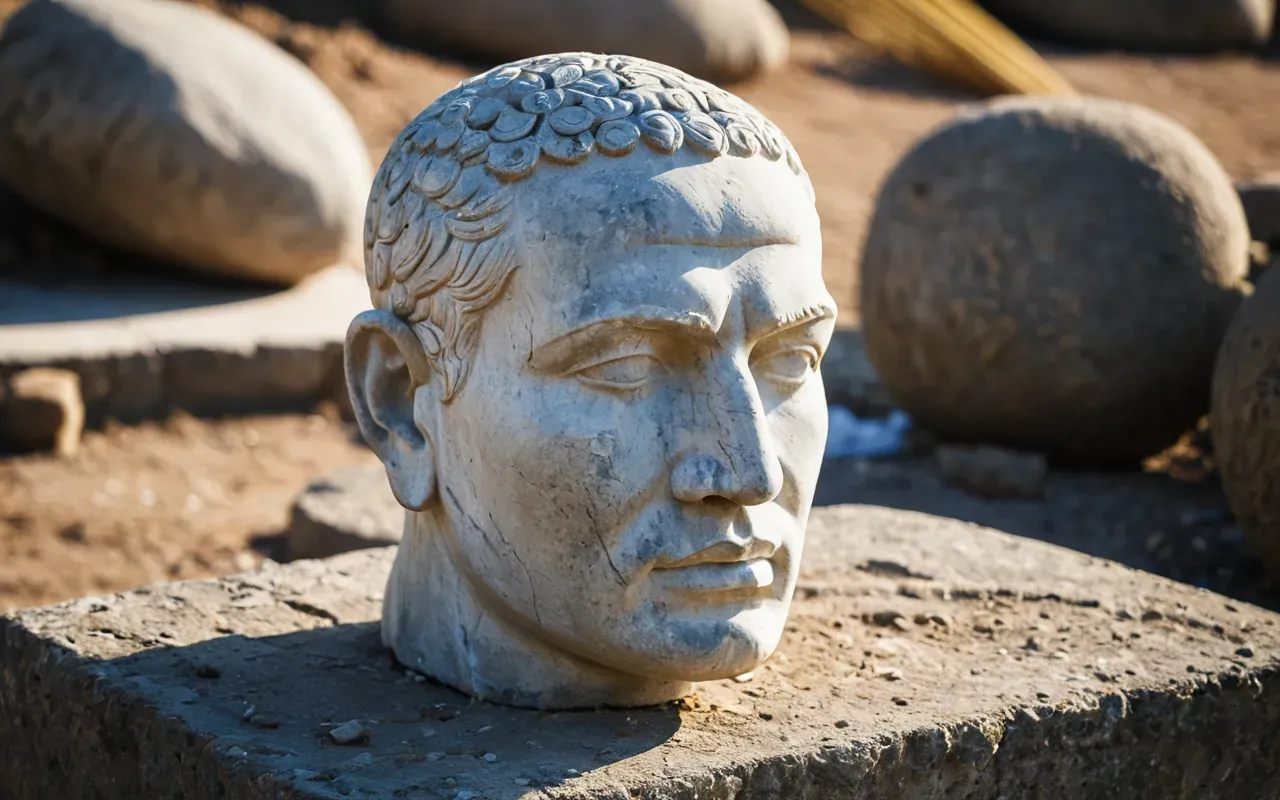
We often think of ancient ruins as broken things. Shattered columns and cracked heads are the norm. But here, a nearly complete figure stood up again. It had been lying in pieces for almost two millennia.
This is not just a statue fixer-upper. It is a window into how early humans thought about power. The reconstruction of this marble emperor tells us more than we expect.
Why This Specific Find Changes Everything We Know About Early Identity
Most people assume that complex social structures came late. That early humans were simple and scattered. This view is wrong. Look at the detail on this statue.
The emperor wears military dress. Lions and eagles are carved into his armor. These were not random decorations. They were symbols of authority and protection.
When we look at sites like Göbeklitepe, we see similar patterns. People built massive structures to mark their place in the world. They wanted to be remembered.
I have always found this fascinating. We are not just farmers who stumbled into civilization. We are builders of meaning from the very start.
The Hidden Story Behind The Shattered Fragments
Here is the thing most articles miss. This statue did not fall because of time alone. It broke during a violent event.
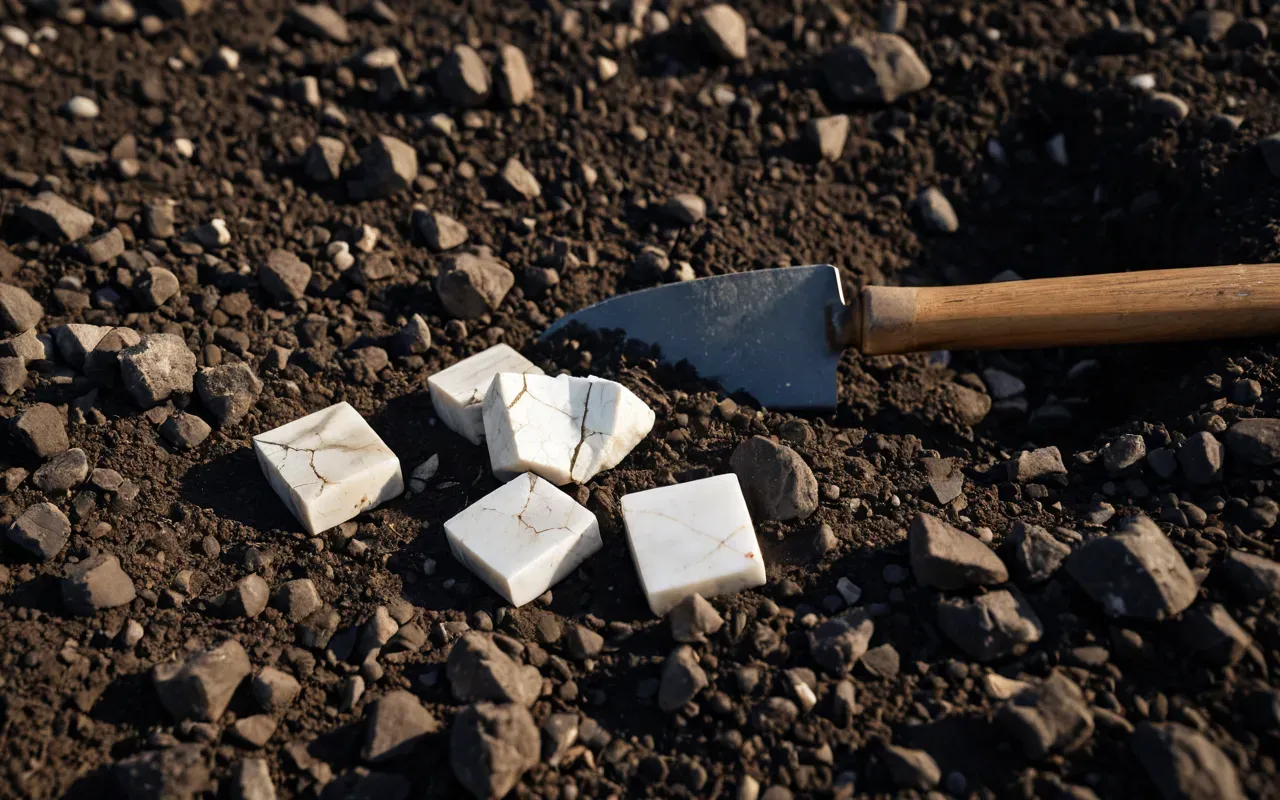
Archaeologists believe an earthquake in A.D. 417 knocked it down. The shockwave shattered the marble into twenty separate pieces.
That date is critical. It places the destruction in a specific historical moment. We can trace the life of this object through centuries.
It was found near a monumental city gate. This suggests it stood at the entrance of power. It greeted visitors and declared who ruled.
Connecting Ancient Marble To Modern Human Beliefs
You might wonder why a statue from two thousand years ago matters to you now. The answer lies in human nature.
We still build monuments today. We create digital footprints and physical landmarks. The drive to leave a mark is unchanged.
If you are curious about how early societies expressed belief through stone, check out this fascinating look at ancient civilizations. It connects the dots beautifully.
The connection between Kibyra and Göbeklitepe is strong. Both show a deep need to structure the world through art.
What The Reconstruction Tells Us About Lost Histories
This is not the only find. Fragments of Empress Sabina were also recovered. Her statue tells a different story.
She represents the domestic and diplomatic side of power. Together, they form a complete picture of imperial life.
I find it striking how few such statues survive. Most were destroyed or lost. This one made it through.
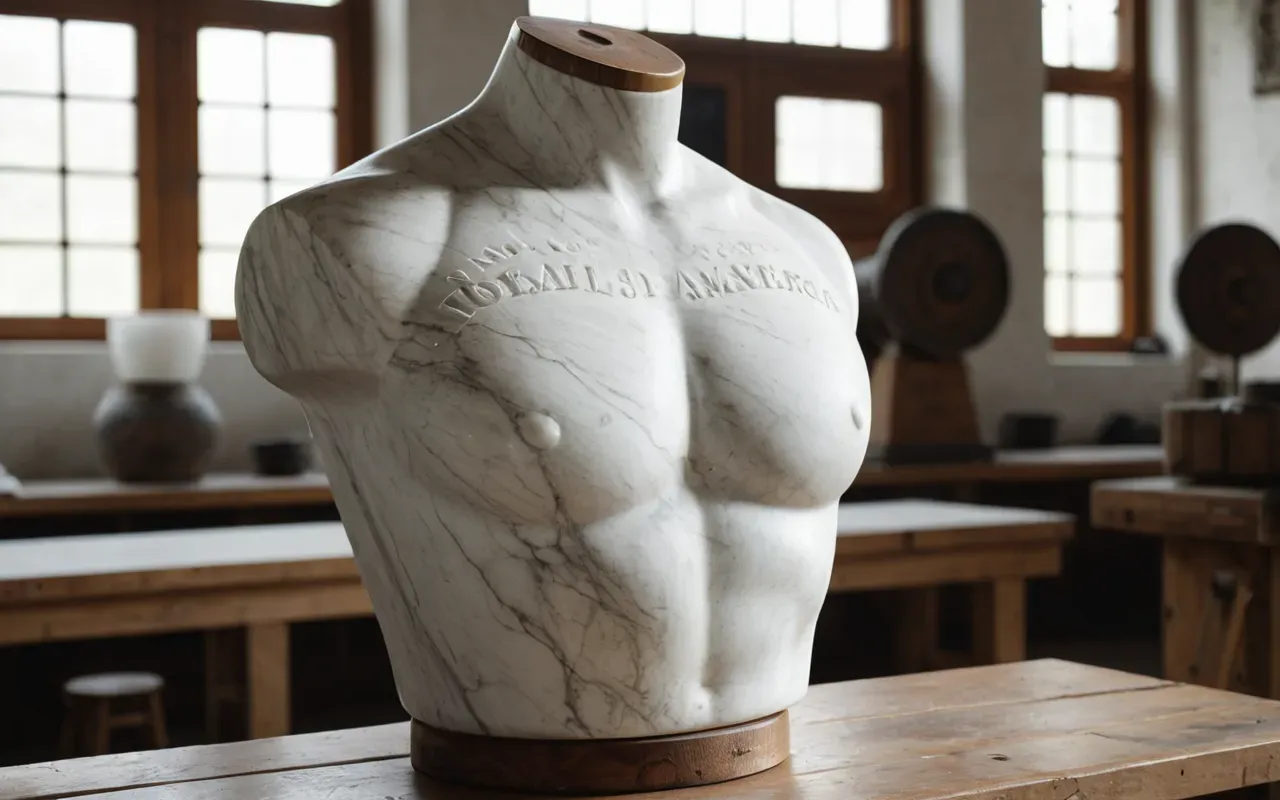
The team from Burdur Mehmet Akif Ersoy University worked tirelessly. They sorted about twenty five hundred stone blocks.
The Bigger Picture Of Human Cultural Traces
We tend to view history as a straight line. But it is messy and layered. This statue is one layer.
Beneath it are older stories. Stories of hunter gatherers who shaped the landscape before cities rose.
Understanding this depth helps us see ourselves clearly. We are products of a long chain of decisions and beliefs.
For more on how ancient structures reflect inner life, read this analysis of missing historical parts. It offers a fresh perspective.
Why You Should Care About A Two Thousand Year Old Statue
It challenges our assumptions. We think we are unique in our need for identity and status.
But these ancient builders knew. They carved their names into stone because they wanted to last forever.
That desire is still with us. We post online. We build brands. The medium changes but the motive stays.
This statue is a reminder that we have always been crafting our legacy. It is a human constant.
The Future Of Preservation And Discovery
Work continues at the site. Another season of fieldwork is planned before restoration begins.
The statues will be displayed at the Burdur Museum. This ensures they are safe and accessible to visitors.
Preservation is key. Climate change threatens many sites. We must act now to save these treasures.
Every fragment recovered adds a piece to the puzzle. The more we find, the clearer our past becomes.
Reflecting On Our Shared Human Heritage
We are all part of this long story. From the first stone tools to modern museums.
This statue is not just marble and glue. It is a message across time. A voice from the past speaking to us today.
I hope this story inspires you to look closer at history. It is full of surprises and connections.
The past is not dead. It is waiting to be understood by those who care enough to listen.