The Göbeklitepe History You Were Told Is Missing The Most Important Part
The Pillars Are Not The Whole Story
I used to think the T-shaped pillars were all that mattered at Göbeklitepe. And honestly? They are iconic. You see them in every documentary, every textbook, every glossy travel feature. But I was wrong.
The real story lies buried in the dirt right next to those stones. It's about how people ate, slept, cooked, and mourned their dead. That context changes everything we thought we knew about prehistory.
Most English-language sources skip straight past this part. They jump headfirst into the mystique of the megaliths, the "world's first temple" angle. Let's fix that gap right now, using evidence from recent excavations.
What The Domestic Structures Actually Showed Us
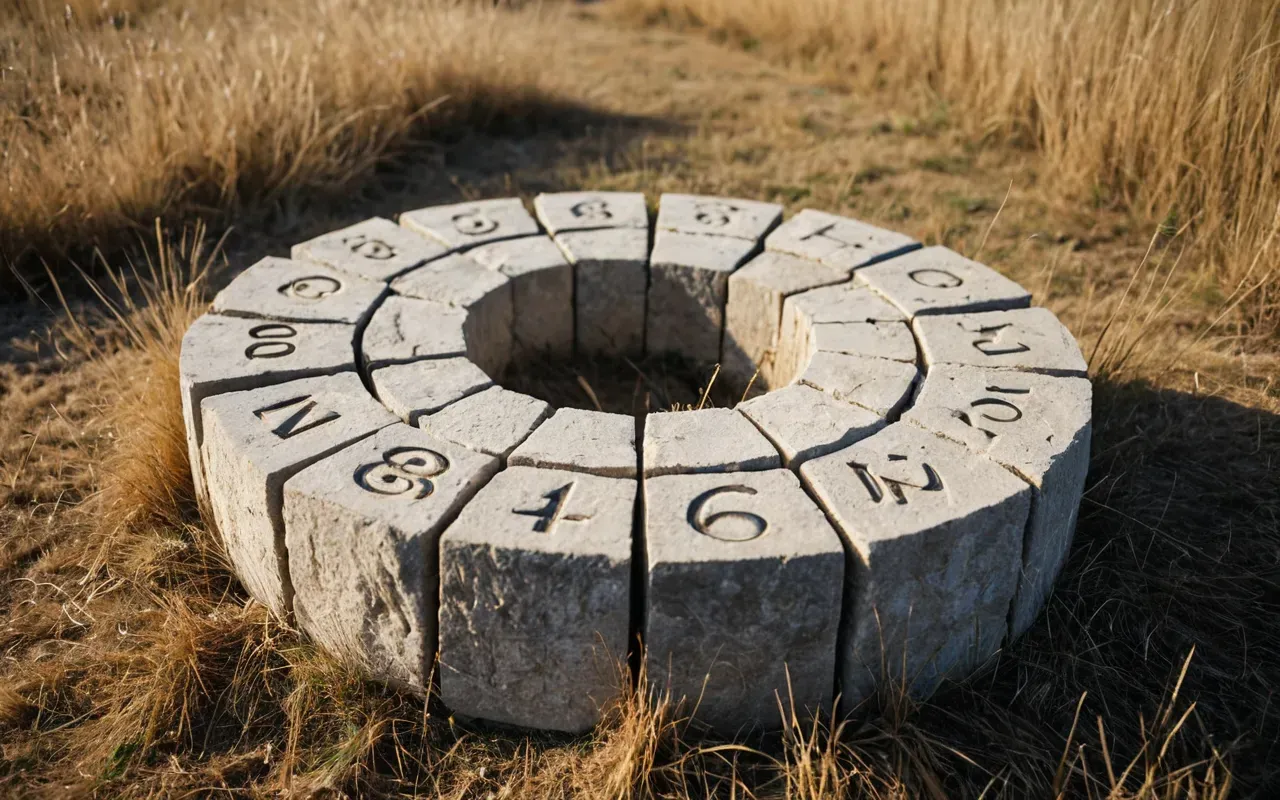
Archaeologists have uncovered small rectangular rooms adjacent to the main enclosures. These are not temples in any traditional sense. Look at them closely, and they resemble homes.
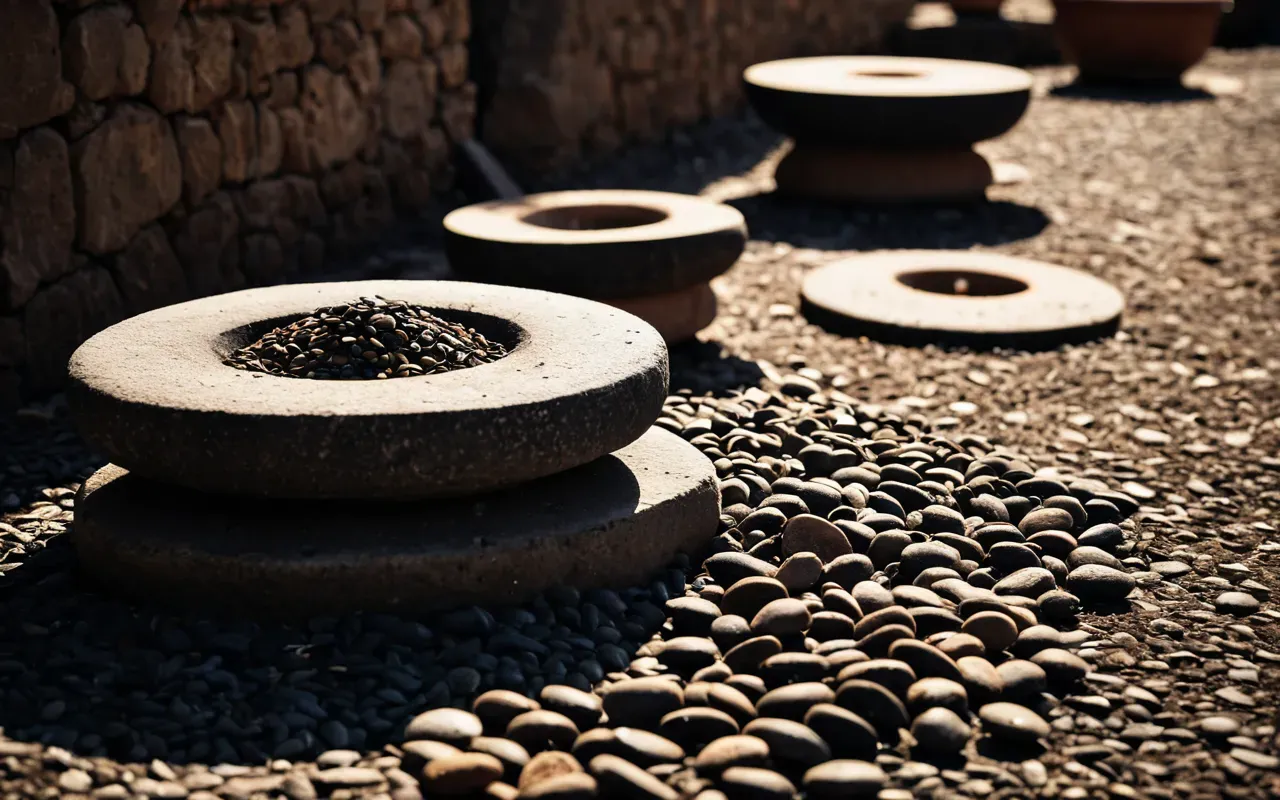
Inside these rooms we found grinding stones and hearth remnants. That tells us people cooked meals here regularly — not just on special occasions, but as part of everyday routine. They were not merely visiting for rituals.
To be fair, the line between sacred and domestic is blurry in this period. But the presence of food waste proves that daily life was deeply intertwined with these structures.
The Evidence Of Daily Meals
We found charred seeds and animal bones in specific layers. Carbon dating places these meals firmly within the main occupation period, not some later squatter phase.
This is huge. It suggests the community gathered here for sustenance as much as for ceremony. The site was a hub of activity, not just a place of worship.
Burial Practices That Challenge Old Theories
Here is where it gets really interesting. We found human remains placed carefully under the floors of these structures.
The positioning suggests intentional placement rather than accidental burial. This points to a complex relationship with the dead that was central to community identity.
If you have read about the real reason Göbeklitepe was buried finally breaks the temple myth, you will see how this fits into a larger pattern of intentional concealment.
Ancestral Veneration And Social Structure
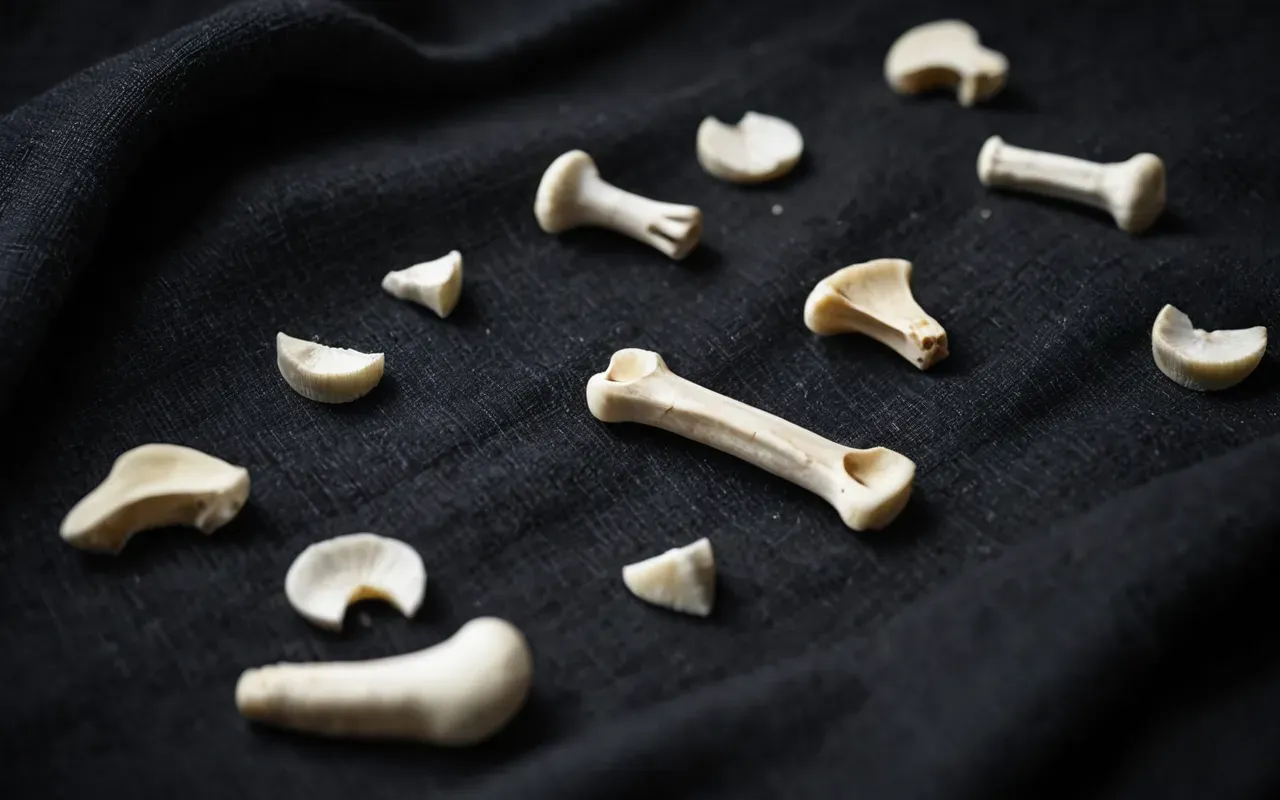
The bones show signs of modification. Some have cut marks that suggest ritual processing. That indicates a deep respect for ancestors — not fear, not neglect, but reverence.
This practice likely reinforced social bonds within the group. Keeping the dead close was a way to maintain continuity and shared memory across generations.
So this is not just about religion. It's about how people organized their society around shared history and collective identity.
Why The Temple Label Is Misleading
The term temple implies a place set apart for worship. But Göbeklitepe was clearly integrated into daily life, woven into the fabric of ordinary existence.
People lived here. They ate here. They buried their dead here. It was a multi-functional space that served many purposes simultaneously — and that's precisely what makes it so remarkable.
This distinction matters because it changes how we understand the origins of complex society. It was not a sudden leap from hunter-gatherers to temple builders.
The Problem With Modern Terminology
Archaeologists are increasingly uncomfortable with the word temple. I get it. It imposes a modern concept onto an ancient reality that is fundamentally different.
We need new language to describe these spaces. Words like communal hub or ancestral center might be more accurate and far less misleading.
This is not just semantics. It shapes how the public understands human history and what they find important to preserve.
The Human Story Behind The Stones
Let's step back and think about the people who built this place. They did not have writing or metal tools. Nothing.
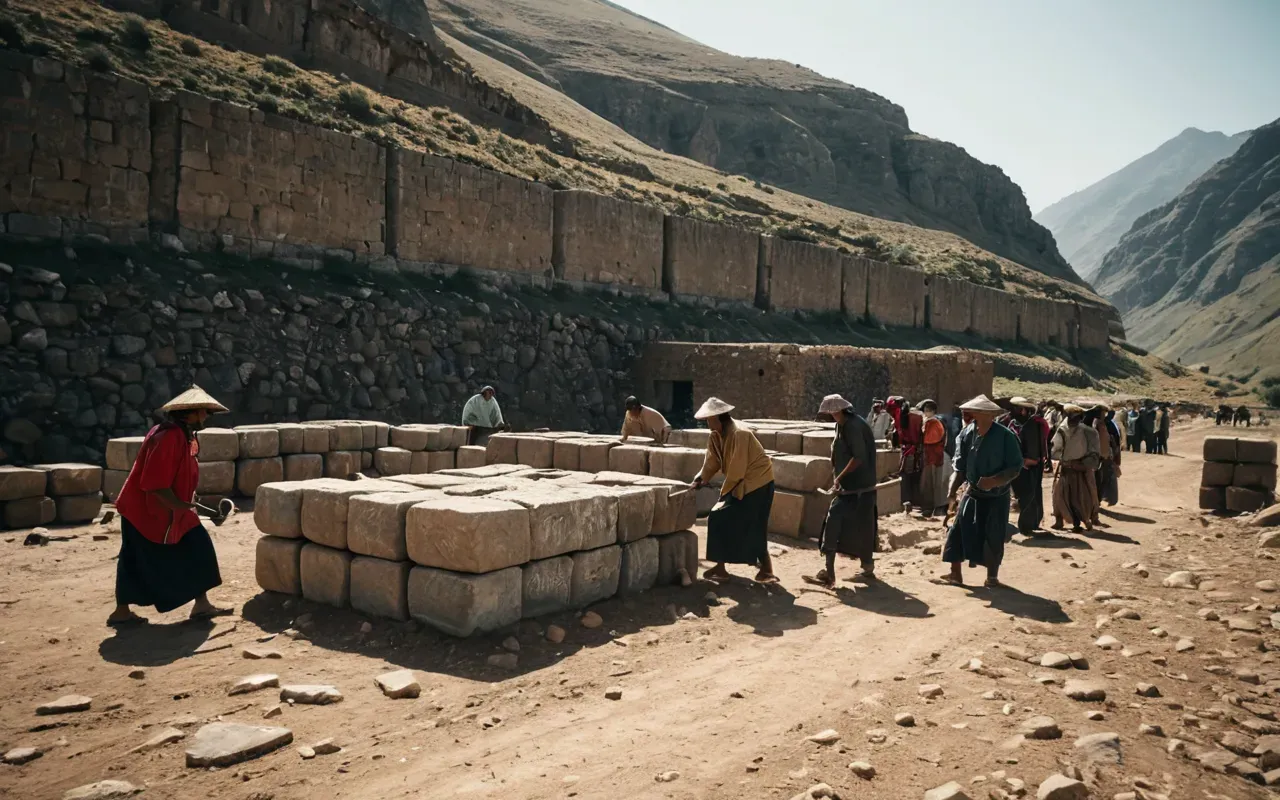
Yet they coordinated labor to move massive limestone blocks over long distances. That required planning and social organization that we are only beginning to understand.
Imagine a community deciding collectively to invest their resources in this project. That kind of cooperation is remarkable for its time and context.
Cooperation And Collective Identity
The scale of the project suggests a shared purpose that transcended individual families. It was a statement about who they were as a group.
This kind of collective effort is what eventually led to more complex forms of society. Göbeklitepe was a crucial step in that process.
We often underestimate the sophistication of prehistoric communities. But the evidence shows they were capable of remarkable achievements.
What This Means For Our Understanding Of History
The conventional narrative says that farming led to settled life which then allowed for monumental architecture. Göbeklitepe challenges this sequence.
Here we have monumental structures built by hunter-gatherers before agriculture was fully established. This flips the traditional model on its head.
It suggests that social and religious motivations may have driven settlement and agricultural development — not the other way around.
Rethinking The Sequence Of Development
This does not mean farming was unimportant. But it suggests that the relationship between subsistence and monumentality is more complex than we thought.
Human motivation for building large structures may have been rooted in identity and belief rather than just economic surplus or storage needs.
This perspective helps us appreciate the richness of prehistoric life and the diversity of human responses to environmental challenges.
Frequently Asked Questions
Why is Göbeklitepe considered important in history?
Göbeklitepe is important because it predates agriculture and shows that complex social structures existed before farming. It challenges traditional views of human development.
How old is the site at Göbeklitepe?
The main structures are approximately 12,000 years old. This places them in the Pre-Pottery Neolithic period before widespread agriculture.
What evidence shows people lived at Göbeklitepe?
Archaeologists found domestic structures with hearths and grinding stones. These indicate regular cooking and food preparation by inhabitants.
Why is the temple label considered misleading?
The term temple implies a space dedicated solely to worship. Göbeklitepe served multiple functions including domestic life and burial practices.