Why Netflix Deleted The First Builders From Their Ancient Civilizations Documentary
The Missing Chapter In Your Streaming Queue
I was watching the latest **Ancient Civilizations** series on Netflix last week. Gorgeous visuals, honestly. Pharaohs dripping in gold, Roman soldiers in full armor.
Then a thought hit me. Where were the people who built the first giant stone circles? They lived ten thousand years before those pharaohs.
The creators skipped the most important part of our story. Kings and empires got the screen time. The anonymous architects who started it all got nothing.
That feels like a major oversight. You can watch empires rise and fall on your screen for hours and still miss the true origin of human construction.
What The Screen Missed About Stone Architecture
The documentary highlights monumental structures. Massive pyramids, grand temples, intricate details everywhere.
But the earliest evidence of large-scale stonework is completely absent. We're talking about T-shaped pillars weighing up to ten tons.
These were not just rocks. They were carved with animal faces and human hands. The craftsmanship is shockingly advanced for the era.
The streaming giants chose to focus on political power. They left out the spiritual and social origins of these massive stone structures.
The People Who Built Before They Farmed
Here is the thing that breaks my brain. We always assume farming came first. Then people settled down and built cities.
The evidence suggests the exact opposite happened at this specific site. The builders were still nomadic hunter-gatherers.
They organized thousands of people to quarry and transport giant stones. This required planning on a scale we never imagined for that time.
It challenges everything I learned in school. We thought complex society needed agriculture to survive and grow.
Why This Changes The Narrative Completely
The motivation was likely spiritual rather than economic. They built to meet and worship, not to store grain or trade goods.
This flips the script on human progress. We were social and creative long before we had stable food sources.
It makes the later empires look like a delayed response. The creativity was already there, waiting to be expressed in different ways.
A Look At What We Know And What Is Missing
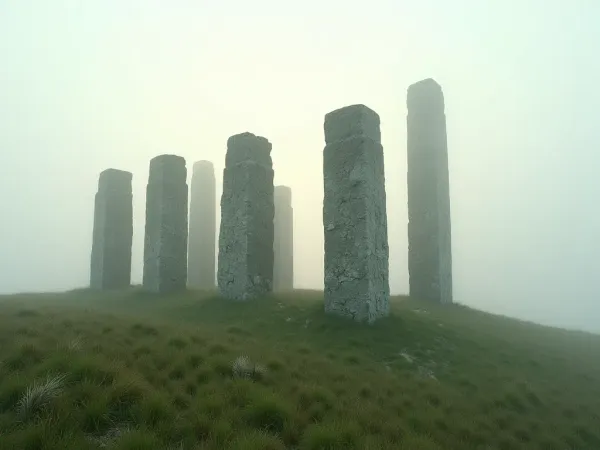
The site features circular enclosures with two large central pillars. These likely represented abstract human figures.
Around them stand smaller stone walls carved with foxes, cranes and snakes. The detail is incredibly precise for that era.
But the Netflix series skipped all of this visual evidence. They focused on written records and royal tombs instead.
We have to rely on other sources for the truth. Why Netflix Left Out The Oldest City In Their Ancient Civilizations Series breaks down exactly what was cut from the final edit.
The Real Reason For The Omission
It is simpler to tell a story about kings. Viewers understand power and war but not abstract spiritual gatherings.
The lack of writing makes it harder to script. There are no quotes from the builders, just stone and silence.
This creates a gap in our cultural memory. We celebrate the rulers but forget the architects of human identity.
Why This Matters More Than You Think
Understanding this era helps us see ourselves differently. It shows that complex social behavior is not a modern invention.
We have always had the capacity for large-scale cooperation. The tools changed but the drive to build together remained.
The streaming industry has a responsibility here. They shape how millions of people see their own past and future.
By skipping this chapter they create a false sense of linear progress. It makes us feel like we suddenly became civilized.
The truth is that we were always building. The site proves it with its sheer scale and artistic ambition.
Frequently Asked Questions
Why did the documentary skip this site?
The production likely chose sites with strong written records and dramatic narratives. The lack of text at this location made it harder to script for a general audience.
How old are these stone structures?
The oldest sections date back approximately twelve thousand years. This places them in the Pre-Pottery Neolithic period, long before known farming communities.
Who built these massive stone circles?
Evidence suggests nomadic hunter-gatherer groups constructed them. They organized labor for ritual purposes before developing permanent agricultural settlements.