The Rapa Nui didn't destroy their own island and that changes everything we think about ancient collapse
The Myth That Broke History Books
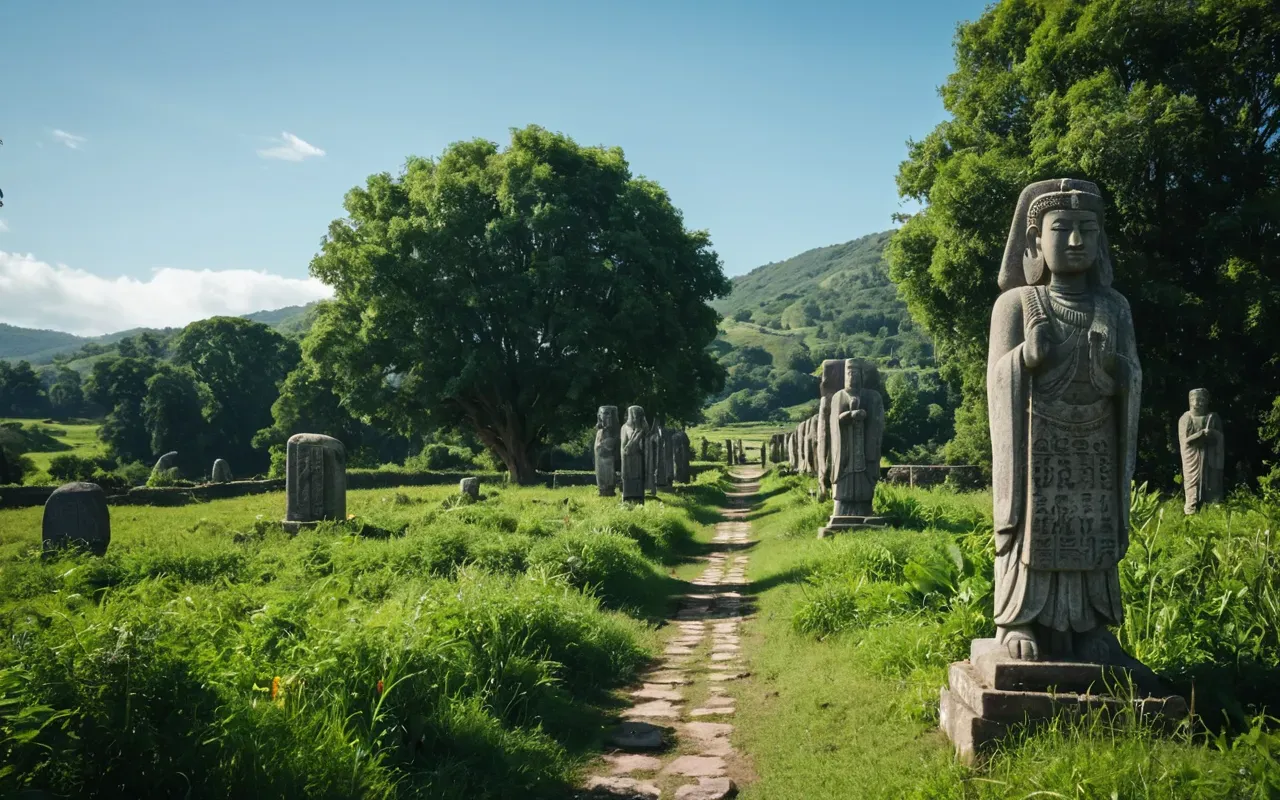
For decades, we told ourselves a tragic story about Easter Island. It was the perfect cautionary tale for our modern times. A small group of people arrived on an isolated rock and immediately started overbuilding. They chopped down every tree to move massive stone heads.
The story went that their hubris led directly to ecological suicide. Deforestation triggered famine, followed by civil war and cannibalism. This narrative was so powerful it became a standard textbook example of human self-destruction. It fit perfectly into the era's anxiety about climate change.
But here is the thing that keeps me up at night. The story was wrong. Not just a little off — it fundamentally misidentified who caused the damage and how the people actually lived. We projected our modern fears of collapse onto an ancient culture that had already solved those problems.
Why We Loved the Tragedy So Much
Look at why this myth stuck. It was simple and dramatic. You had a clear cause and effect relationship that was easy to understand for students in the early twenty-first century. The Rapa Nui were cast as villains who ignored environmental limits.
Jared Diamond's book Collapse popularized this view globally. It became a staple in policy discussions about sustainability and resource management. People pointed to Easter Island as proof that unchecked growth leads inevitably to societal ruin.
The irony is thick. We used this ancient example to justify modern austerity measures and climate policies. Yet the actual historical record suggests these people were far more sophisticated in their resource use than we gave them credit for.
The Rock Gardening Revolution Nobody Noticed
In , Columbia archaeologist Dylan Davis released a study that shook the foundations of this narrative. His team didn't just look at old maps; they used satellite imagery to re-evaluate the island's agricultural landscape.
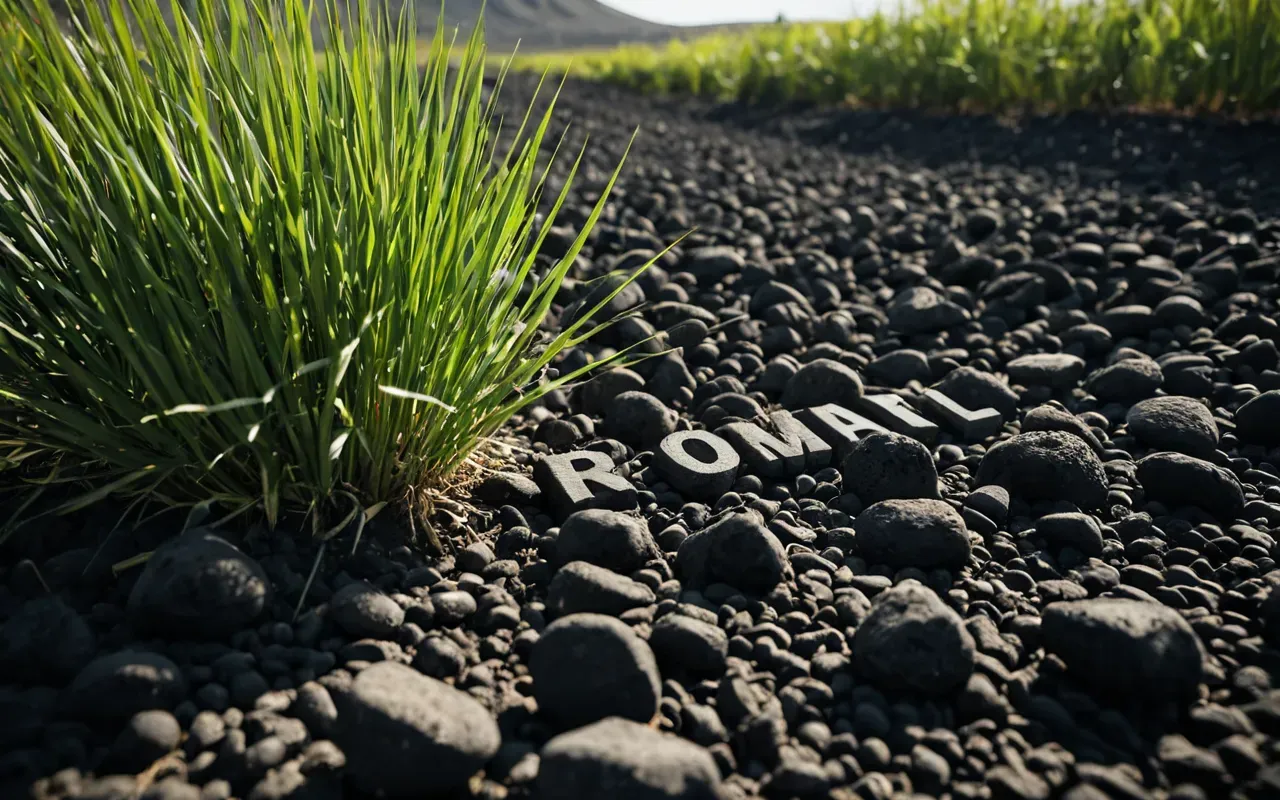
What they found was fascinating. Previous researchers had identified scattered rocks in fields as evidence of chaotic deforestation debris. Davis realized these were actually intentional rock gardens designed to protect crops from wind and retain moisture.
This technique was ingenious for the island's nutrient-poor volcanic soil. By arranging rocks strategically, farmers could draw out essential minerals and create microclimates perfect for growing food. It wasn't destruction; it was adaptation.
Population Myths and Real Numbers
The old stories claimed the population exploded to unsustainable levels. Estimates often cited thousands or even tens of thousands of people packed onto a small island before the collapse.
Davis's analysis of farmland yield paints a completely different picture. The agricultural capacity supported only about four thousand individuals at any given time. This stable number contradicts the idea of massive overpopulation leading to famine.
This means the Rapa Nui weren't running out of food because they had too many mouths to feed. They maintained a balanced system that worked for centuries until external forces disrupted it.
Who Actually Caused the Damage
So if not overpopulation and deforestation by locals, what happened? The timeline points squarely at European contact. When Dutch sailors arrived in the early eighteenth century they brought diseases and enslaved many islanders.
The social fabric of the Rapa Nui society was destroyed from outside. The so-called civil wars and cannibalism were likely symptoms of this external trauma rather than internal ecological failure.
This shifts the blame entirely. Instead of a self-inflicted wound caused by greed and ignorance, we see a community that was resilient until it was conquered by more powerful external actors.
Resilience vs. Collapse Theories
Davis argues the lesson is the opposite of collapse. People can be highly resilient in limited environments if they modify their surroundings intelligently. The Rapa Nui did exactly that.
Their rock gardening wasn't just survival; it was innovation. They turned a hostile landscape into productive farmland through careful observation and adaptation over generations.
This challenges our modern assumption that technological complexity equals sustainability. Sometimes simple, localized solutions work better than large-scale industrial approaches.
What This Means for Our Future Thinking
We keep using ancient examples to justify modern fears. But if we get the history wrong, our solutions might be flawed too. We need accurate narratives to make informed decisions about climate and resources.
The Rapa Nui story teaches us that communities can thrive in isolation if they respect and adapt to their environment. It's not about avoiding growth; it's about growing smartly within limits.
Reevaluating Other Lost Civilizations
This case opens the door to questioning other collapse narratives. The Mayans, Khmer Empire, and Anasazi all have similar stories of self-destruction that might need revision.
If we look at the Mayans, for instance, their collapse wasn't sudden. It was a gradual shift over a century due to complex climate and political factors, not just simple environmental ruin.
Similarly, the Khmer Empire's end was likely a combination of war and climate change, not just internal mismanagement. We need to look at multiple interacting forces rather than single causes.
The Danger of Simple Explanations for Complex Past Events
Human history is messy. Civilizations don't fall for one simple reason like running out of trees or water. They fail due to a web of political, economic, environmental, and social factors.
By simplifying these stories, we lose valuable lessons. We miss the nuance of how people adapted, innovated, and sometimes failed in ways that are more relatable to our own experiences.
As we face our own climate challenges, we need accurate historical models. Not simplistic tales of greed and collapse, but complex stories of adaptation and resilience.
How Archaeology Is Rewriting the Story Right Now
New tools like satellite imagery and genetic analysis are changing what we know. We can now see patterns in ancient landscapes that were invisible to earlier researchers.
This shift is happening across the globe. From Çatalhöyük to Göbeklitepe, we are discovering that early humans were far more complex and organized than previously thought.
If you're interested in how these discoveries are challenging old assumptions, check out this piece on new evidence proving Göbeklitepe was more than a temple.

Final Thoughts on Resilience and History
The Rapa Nui didn't destroy their world. They adapted to it brilliantly until external forces intervened. This is a powerful reminder that human ingenuity can overcome environmental limits.
We need to stop telling ourselves stories of inevitable collapse. Instead, we should learn from those who found ways to thrive in challenging conditions through smart adaptation.
History is not just a list of failures. It's also full of examples of people solving tough problems with limited resources. That should give us hope for our own future.